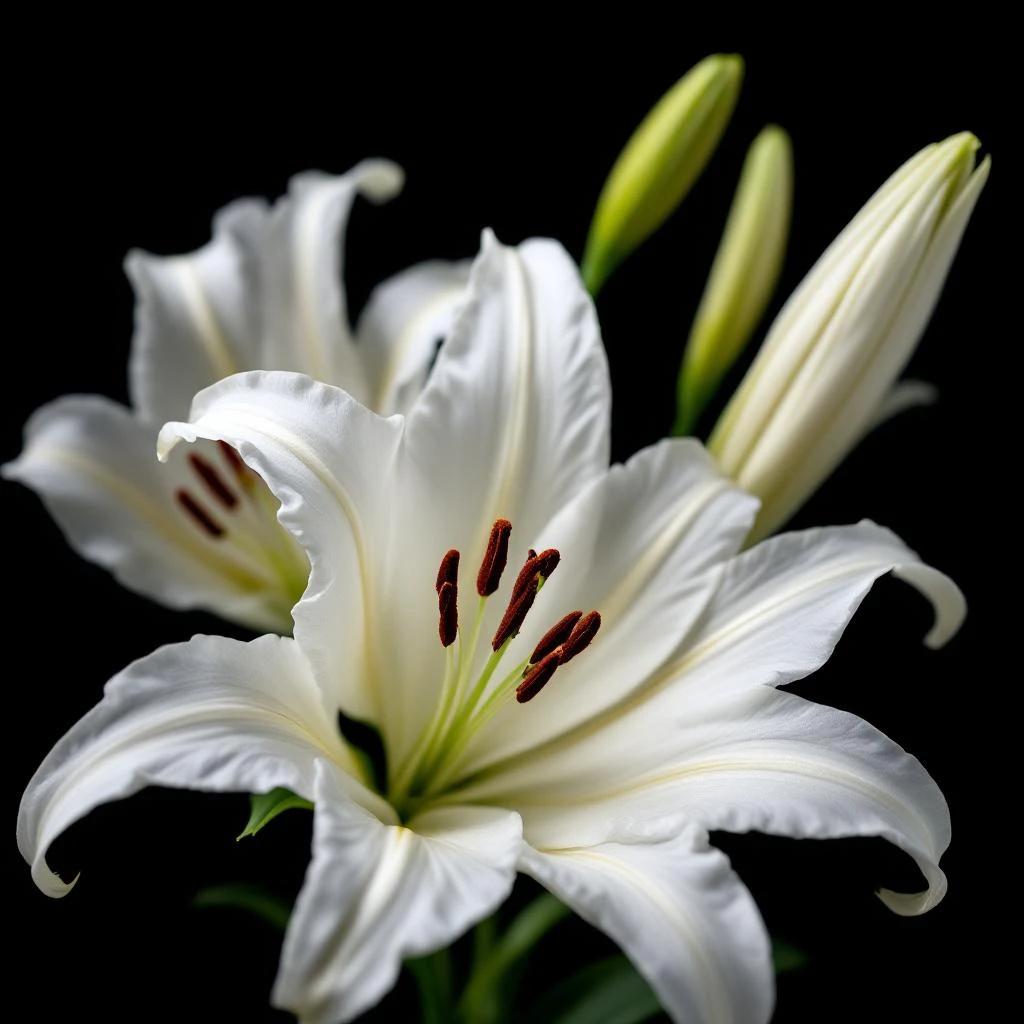
Black Peony
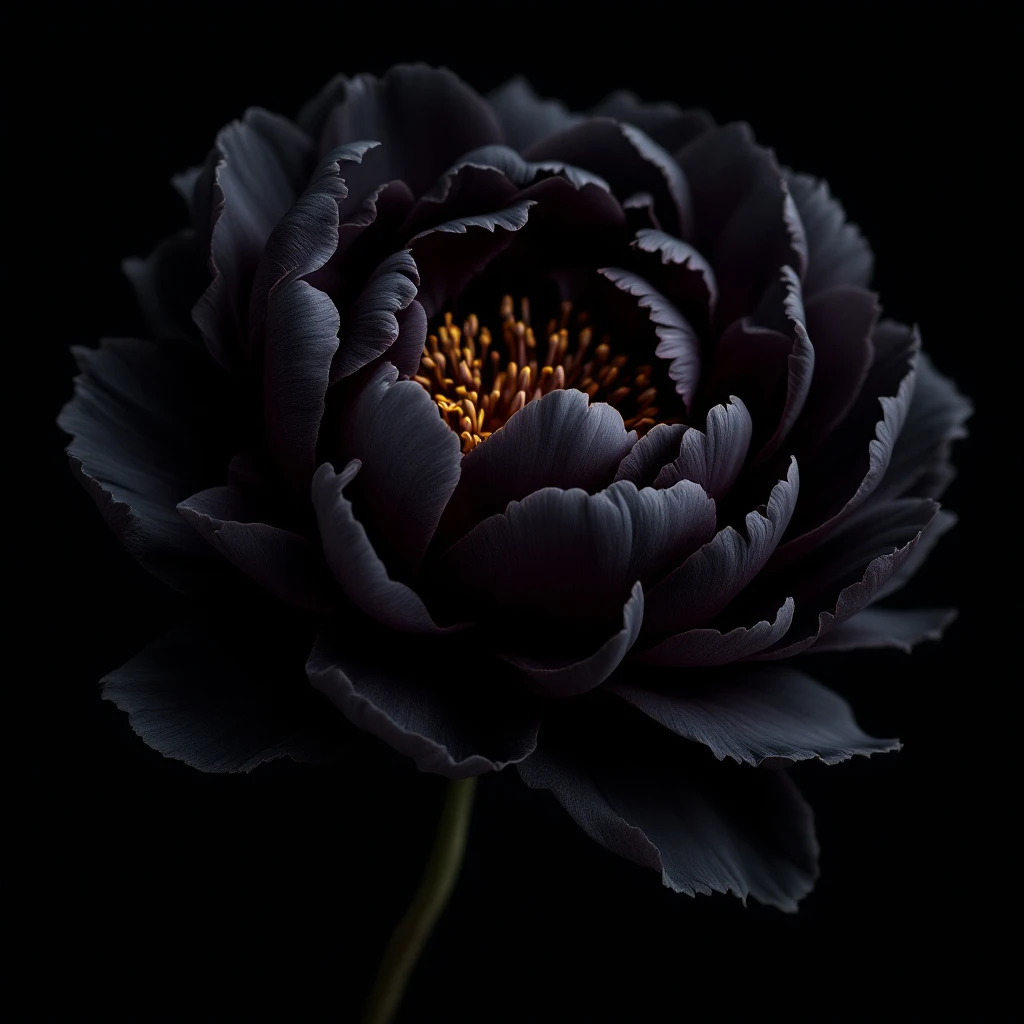
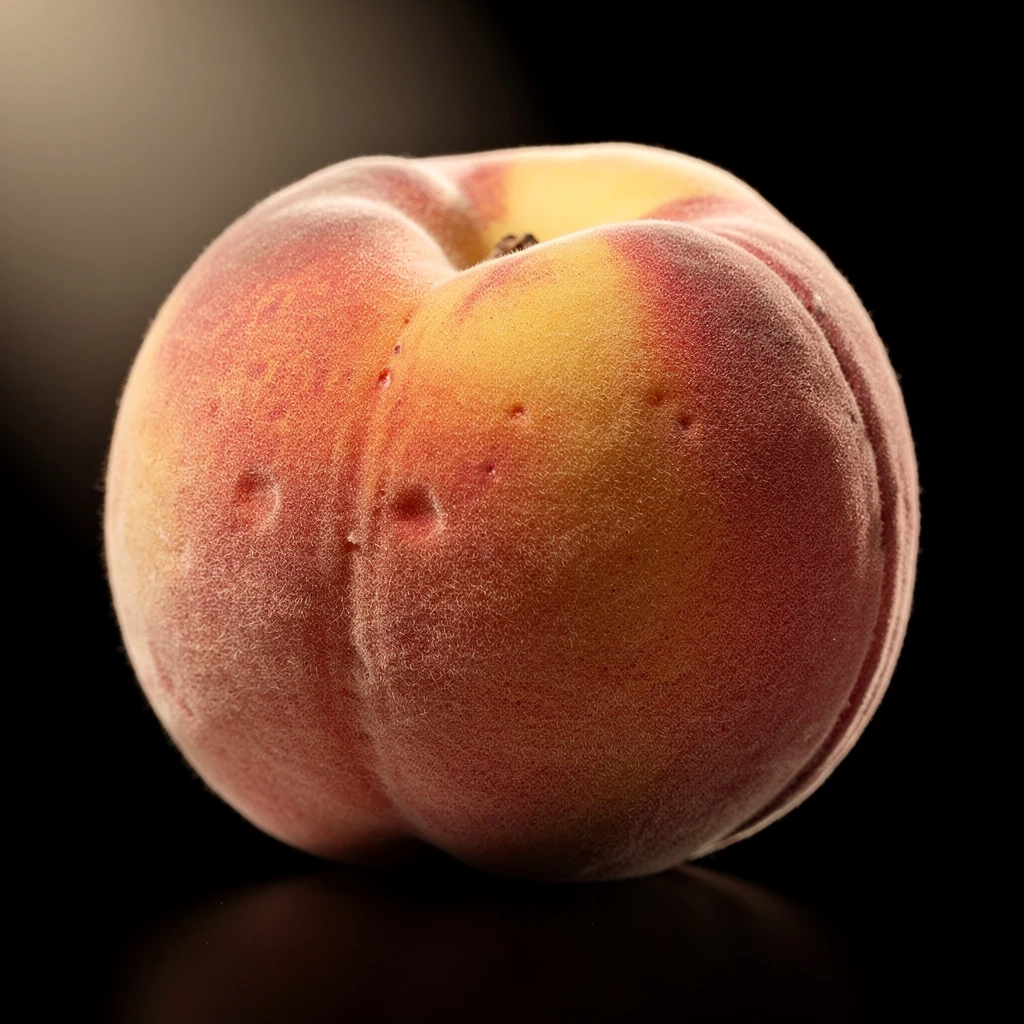
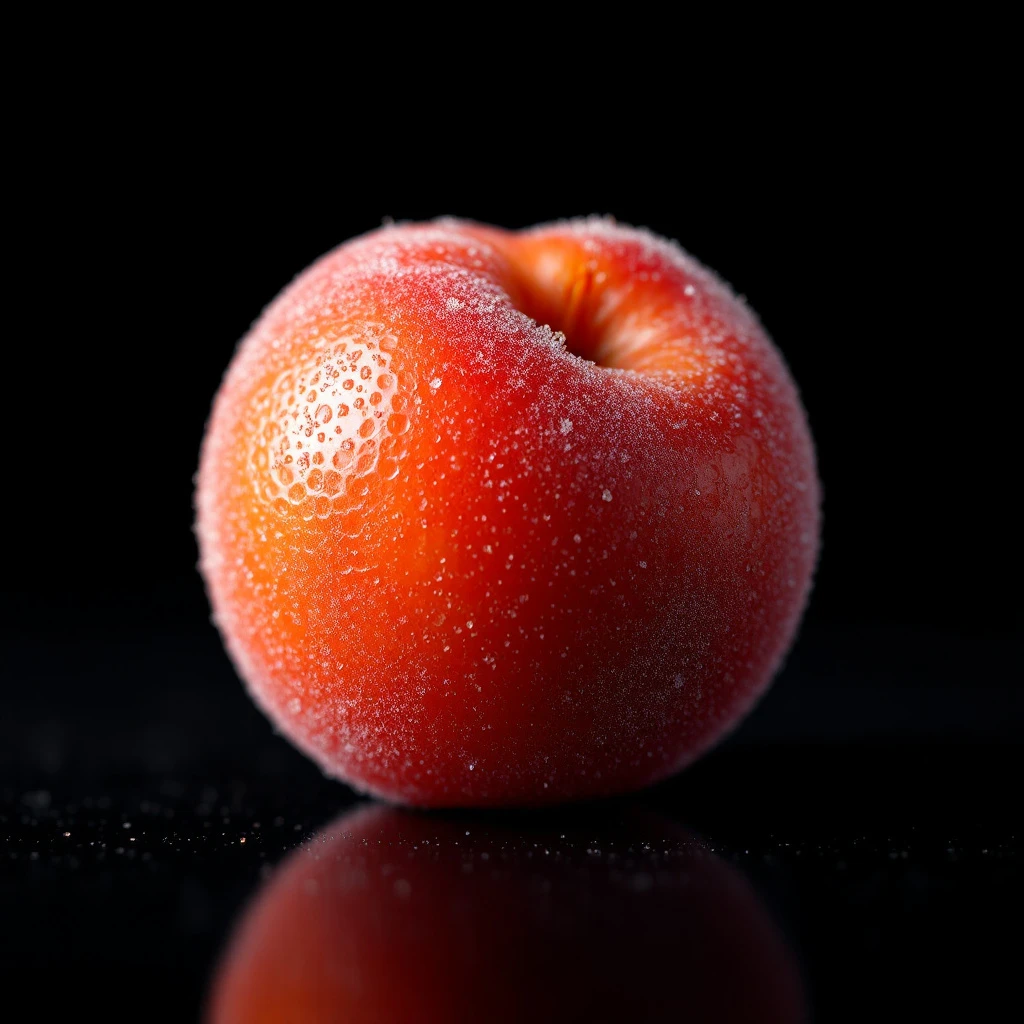
Black Peony captures the velvet darkness of late-season blooms, reimagining peony's fresh, rosy character through a dramatic lens of rich crimson and burgundy undertones. This reconstructed note brings depth where tradition offers lightness.
Character
How it smells
The dramatic side of peony, revealed.
Peonies bloom for just two weeks each year, yet this fleeting window inspired one of perfumery's most enduring synthetic reconstructions.





Origin
China
Peonies have 400 million years of botanical evolution behind them, but their perfume history spans barely a century. Traditional Chinese Medicine employed peony roots for centuries, treating everything from night sweats to digestive complaints. The flower itself held imperial significance in Chinese courts, symbolizing honor and prosperity.
Yet despite this rich heritage, perfumers could not access the actual scent. The bloom produces so little aromatic compound that extraction remains impossible. For decades, perfumers worked around this limitation, combining rose, magnolia, and lily of the valley to suggest peony's presence.
The Black Peony interpretation emerged as perfumers began exploring the flower's darker possibilities—its late-season character when petals darken and develop wine-like depth. This darker reading exists nowhere in nature but reflects perfumers' growing willingness to reimagine botanical inspiration rather than merely replicate it.
Wears it best
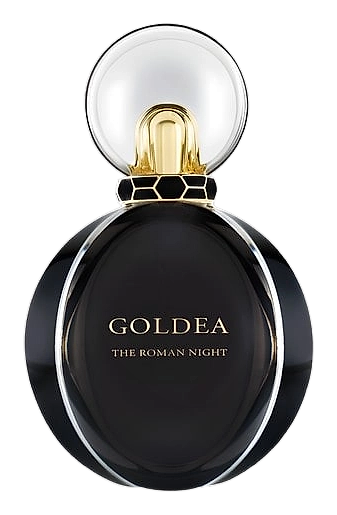
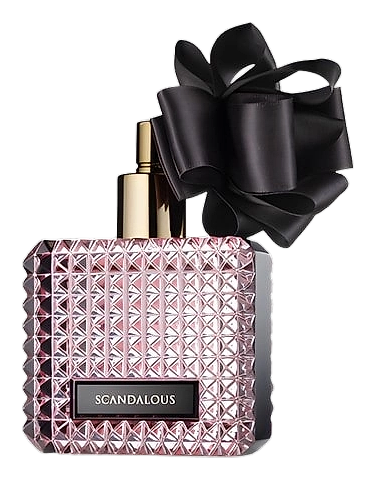
Fragrances featuring Black Peony
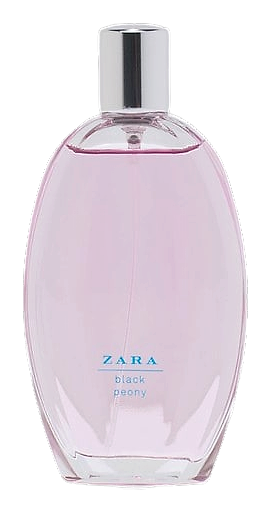

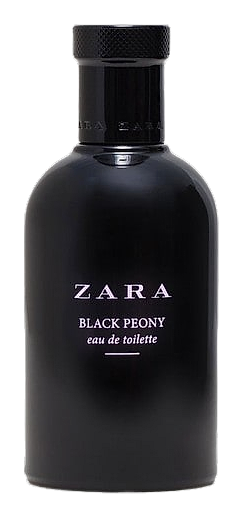
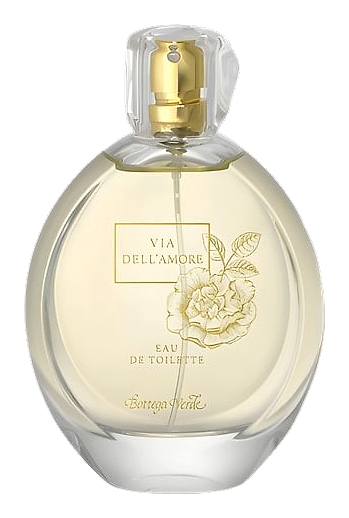
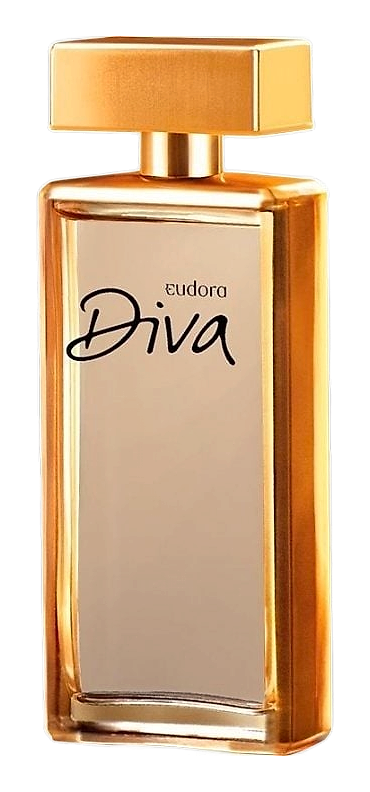
Brands
Brands known for Black Peony
Good to know
Questions, answered
The essentials on Black Peony in perfumery: how it smells, where it comes from, and how it behaves on skin.
What does Black Peony smell like?
Black Peony smells fresh, rosy, and green like classic peony, but with added depth from dark berry and balsamic undertones. The scent carries a rich, almost wine-like quality that distinguishes it from lighter floral interpretations.
Is Black Peony a natural ingredient?
No. Peony is a mute flower that cannot be extracted, so all peony notes in fragrance are synthetic reconstructions. Black Peony specifically layers multiple aromatic molecules to achieve its darker character.
Why is peony called a mute flower?
Peony produces negligible aromatic compounds compared to other flowers. Its scent molecules exist in such tiny quantities that no extraction method can yield usable amounts. Perfumers discovered this limitation decades ago and turned to synthesis instead.
How do perfumers create the peony scent?
Perfumers identify key peony odorants like rose oxide and damascenone, then combine these with supporting materials such as cistus, blackcurrant, and dark rose accords. The accord mimics peony's fresh, rosy character while adding the depth that defines Black Peony.
Does Black Peony smell different from regular peony?
Yes. Standard peony interpretations emphasize the flower's light, fresh qualities. Black Peony pushes toward darker territory, incorporating balsamic and fruity notes that suggest the bloom's late-season, almost wine-dark character.
What fragrances typically feature Black Peony?
Black Peony appears in oriental and gourmand-inspired florals where depth matters more than freshness. It pairs well with oud, vanilla, and dark berry notes in fragrances designed for evening wear.
Is Black Peony sustainable to use?
Yes. Because Black Peony is synthetic, it avoids the harvest pressures that affect natural ingredients. The molecular reconstruction process also uses fewer resources than growing and extracting traditional botanicals.