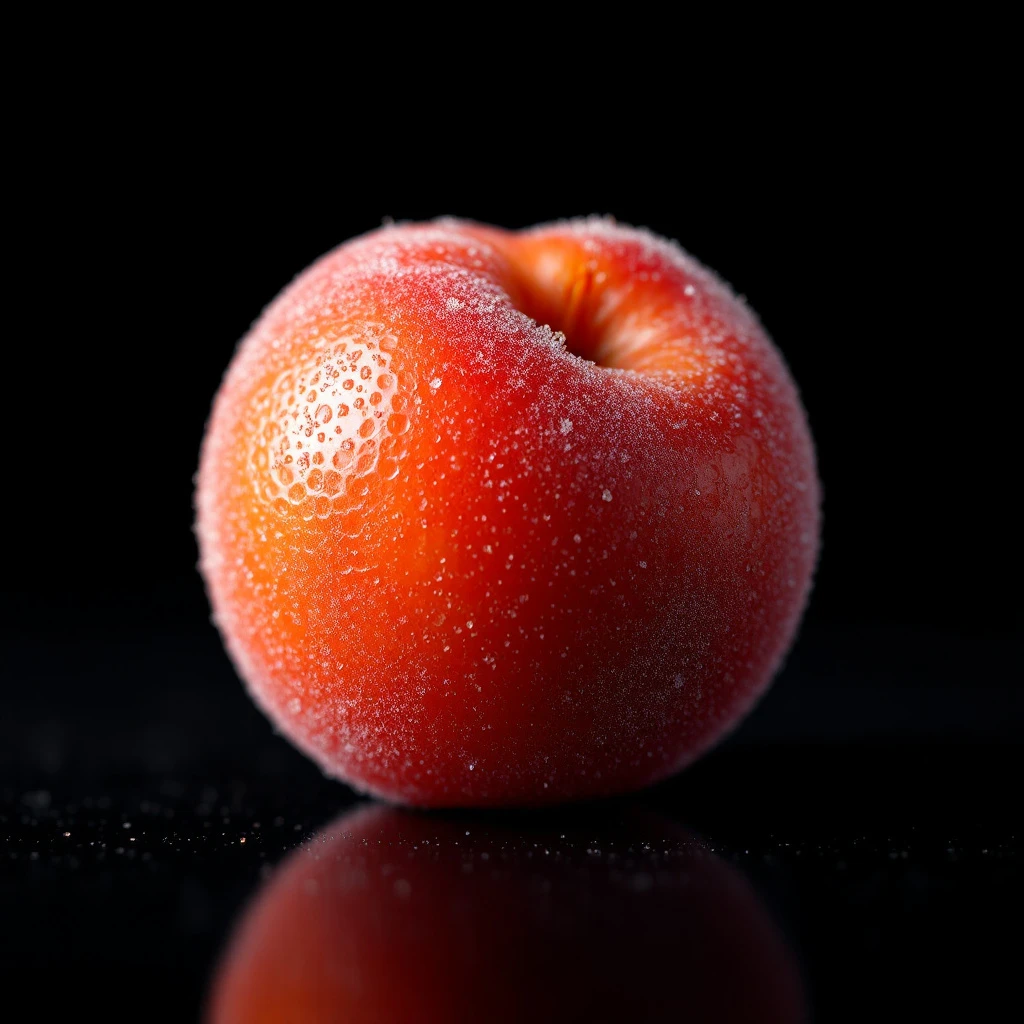
Frosted Nectarine
Frosted Nectarine captures the moment sun-warmed fruit meets cool morning air, a dew-kissed stone fruit suspended between warmth and chill.
Character
How it smells
Summer fruit at the edge of frost.
The characteristic 'frosted' quality comes from aldehydes, the same compound class that gives champagne its crisp, effervescent character.
Pairs beautifully with

Origin
France
Stone fruits have perfumed gardens since antiquity, but capturing their fragile, juicy character in fragrance proved elusive for most of perfumery's history. Nectarine as a named note in perfumery emerged primarily in the late twentieth century as analytical chemistry advanced and perfumers could identify the specific molecules creating fruit impressions.
The 'frosted' or cool quality reflects contemporary taste preferences for brightness and contrast in modern fragrances. Unlike jasmine or rose, which have centuries of perfumery tradition, fruity-fresh accords represent a distinctly modern olfactory vocabulary, emerging alongside thealdehydic florals that reshaped perfumery in the 1960s.
Wears it best
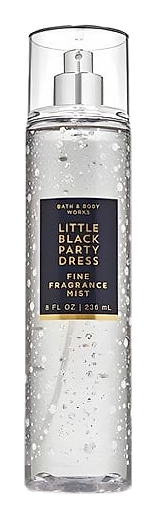
Fragrances featuring Frosted Nectarine
Brands
Brands known for Frosted Nectarine
Good to know
Questions, answered
The essentials on Frosted Nectarine in perfumery: how it smells, where it comes from, and how it behaves on skin.
Is Frosted Nectarine a natural or synthetic ingredient?
It is a synthetic accord combining multiple aromatic molecules. Natural nectarine essence lacks the stability and nuanced profile needed for perfumery applications, so perfumers construct this note from gamma-decalactone and supporting aromachemicals.
What creates the 'frosted' quality in this note?
Low-concentration aldehydes create the sensation of cool, crisp air. These same compounds provide the sparkle in Chanel No.5 and give many modern fragrances their signature brightness.
How does Frosted Nectarine differ from Peach notes?
Frosted Nectarine emphasizes the cooler, slightly more acidic aspects of stone fruit, with less of the sweet flesh character. The aldehydes create an immediate, crisp opening rather than a soft, lingering fruit impression.
Which fragrance families commonly use this note?
Fruity and fruity-chypre compositions most frequently feature this note. It also appears in fresh florientals and modern citrus compositions as a bridging element between top and heart.
What aromachemicals compose this accord?
Gamma-decalactone provides the stone fruit character while aldehydes add crispness. Supporting materials include cis-3-hexenol for green-fresh lift and various citrus materials for brightness.
Does Frosted Nectarine have any natural botanical source?
Gamma-decalactone occurs naturally in peaches and apricots, but perfumery-grade material is typically synthesized. The aldehydes creating the frost effect are exclusively synthetic compounds.
How long does this note typically last on skin?
As a top-to-heart note, Frosted Nectarine generally persists for 2-4 hours depending on concentration and the accompanying fragrance composition. It serves as an opening statement rather than a foundation.
Which famous fragrances showcase this style of fruity-fresh perfumery?
Modern fruity compositions like Dior Addict and Marc Jacobs Daisy built their identities on this type of bright, fresh-fruity accord. The approach represents a distinctly late-twentieth-century development in fragrance design.