Black Lilac
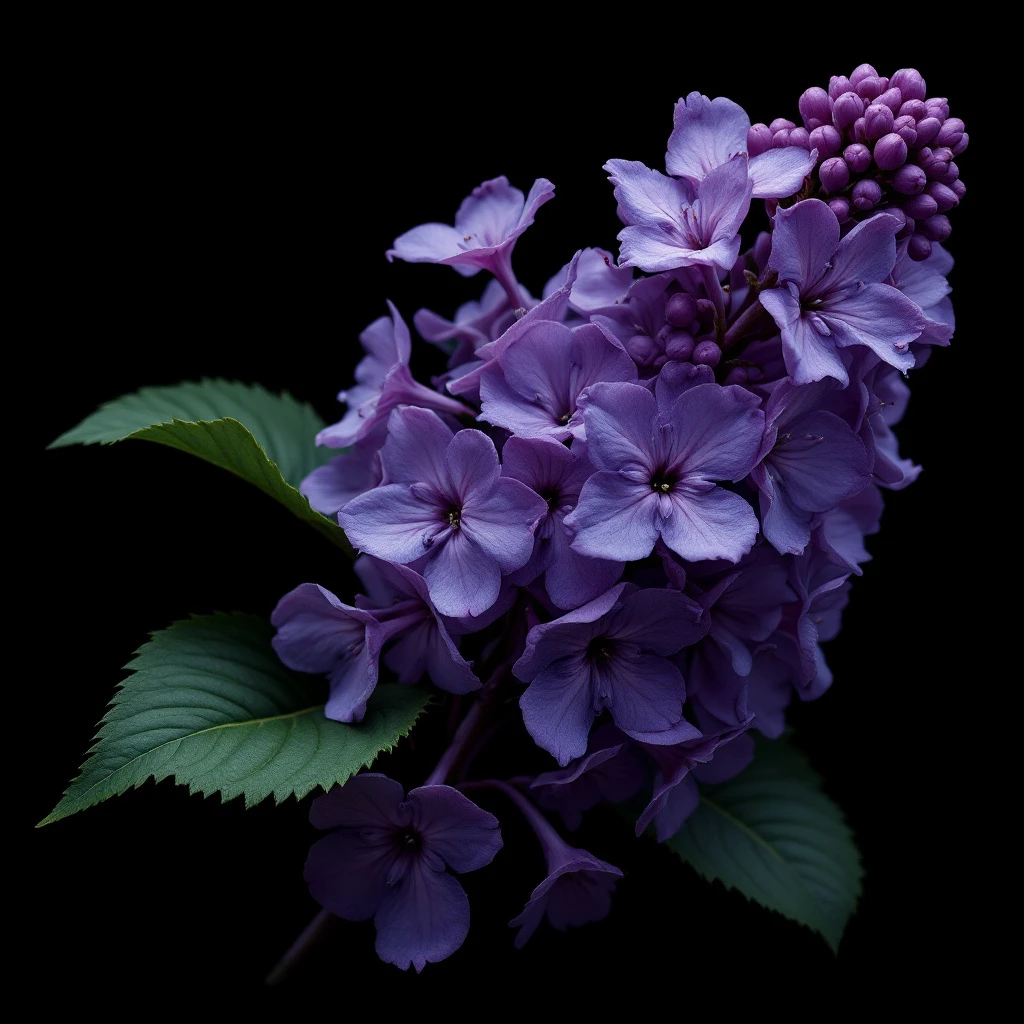
Black Lilac captures the ephemeral beauty of spring gardens in a darker, more intense register. This note bridges the gap between nature and chemistry, recreating a flower that refuses to yield its scent through conventional means.
Character
How it smells
A silent flower made speak.
Lilac is so resistant to extraction that perfumers call it the "silent flower" — its scent must be rebuilt from captured air and laboratory compounds.



Origin
Balkans (Southeastern Europe)
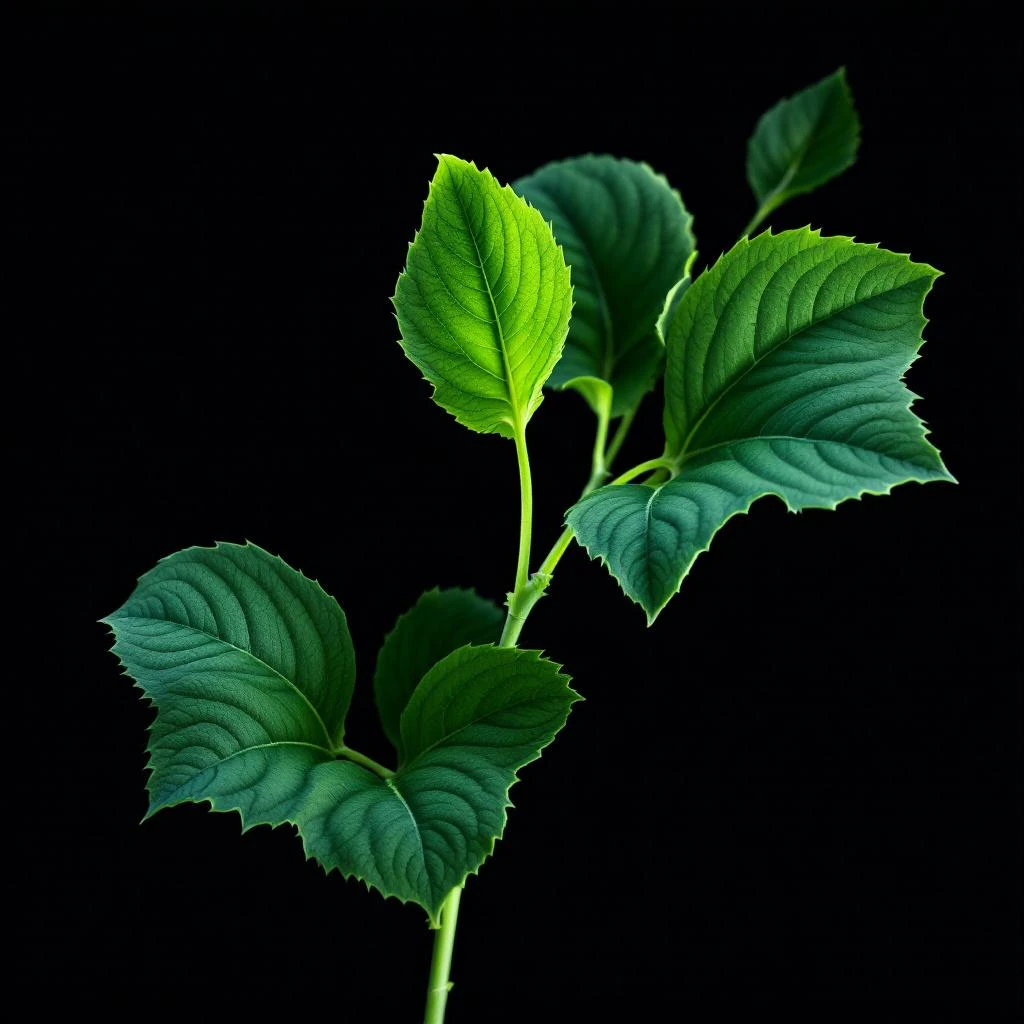
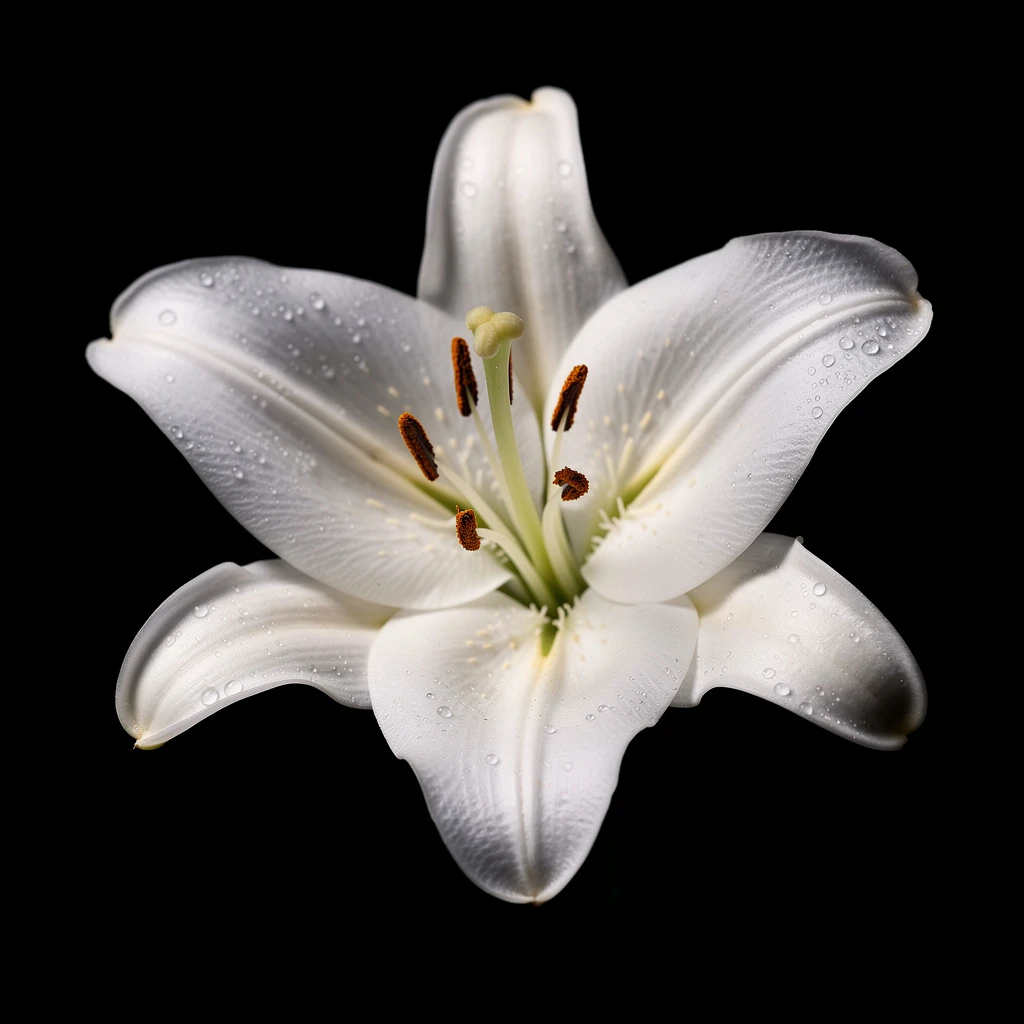
Lilac (Syringa vulgaris) originated on the Balkan Peninsula and reached Western Europe through Ottoman trade routes in the mid-1500s. Gardens across France, Italy, and England quickly adopted the shrub for its dramatic spring clusters and heady fragrance. Yet perfumers soon discovered a problem: despite the flower's intense scent in a garden, no extraction method yielded usable material.
Steam distillation damages the delicate molecules. Solvent extraction produces only a faint, waxy result. For centuries, perfumers worked around lilac by using other materials that approximated its effect, notably hyacinth and iris.
Headspace technology, developed in the 1970s by fragrance houses like Firmenich, finally cracked the problem by capturing scent directly from living flowers. This breakthrough allowed Black Lilac to become a standard note in modern perfumery, combining historical appeal with contemporary chemistry.
Wears it best
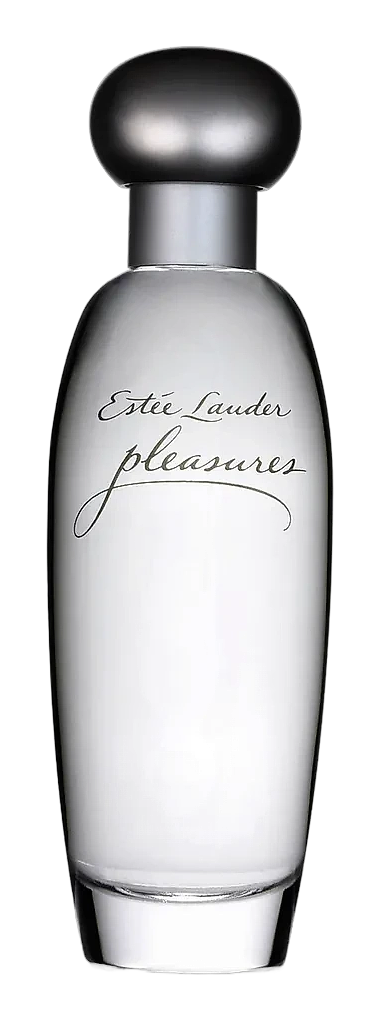
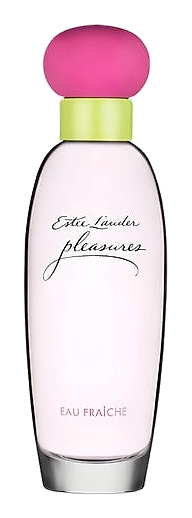
Fragrances featuring Black Lilac
Brands
Brands known for Black Lilac
Good to know
Questions, answered
The essentials on Black Lilac in perfumery: how it smells, where it comes from, and how it behaves on skin.
What makes Black Lilac different from regular lilac in perfume?
Black Lilac is a concentrated, reconstructed version of natural lilac. Because lilac resists traditional extraction, perfumers rebuild the note using headspace-captured molecules and synthetic compounds like lilac aldehyde. The 'black' descriptor signals a richer, deeper interpretation than the powdery simplicity of natural lilac.
Is Black Lilac natural or synthetic?
Black Lilac is a reconstructed accord combining captured fragrance molecules with lab-made aromatics. While not a single natural extract, it faithfully recreates lilac's scent profile using scientific methods approved for fine fragrance use.
Why can't perfumers extract lilac scent naturally?
Lilac's aroma compounds are so volatile and delicate that steam distillation destroys them, and solvent extraction yields only trace amounts. The flower is sometimes called a "silent flower" in the industry precisely because conventional methods fail to capture its scent.
What does Black Lilac smell like?
Black Lilac reads as a sweet, powdery floral with green undertones and a faint metallic edge. Spring gardens and slightly anaesthetic flowers define the impression. Compared to regular lilac, the Black variant offers greater depth and persistence on skin.
When did headspace technology enable Black Lilac?
Fragrance chemists developed headspace capture in the 1970s. By the 1990s, houses used the technique to reconstruct challenging flowers like lilac, making Black Lilac a viable perfume note for the first time.
Can different lilac varieties affect the accord?
Syringa vulgaris (common lilac) offers the strongest fragrance among garden varieties. Less common species like Syringa pubescens (Korean lilac) have different scent profiles. Reconstructed accords typically reference the dominant common lilac profile.
What chemicals build the Black Lilac accord?
Key molecules include para-methoxy phenylbutanone (lilac aldehyde) for the characteristic scent, Helional for green freshness, and phenylacetaldehyde for the powdery floral effect. Blending these creates the complete accord.
Does Black Lilac appear in famous perfumes?
Black Lilac features in modern fragrances that highlight spring florals, often as a heart or top note. Its powdery, garden-fresh character suits contemporary compositions where lilac's nostalgic quality needs to project clearly over base notes.




