Black Cedar Wood
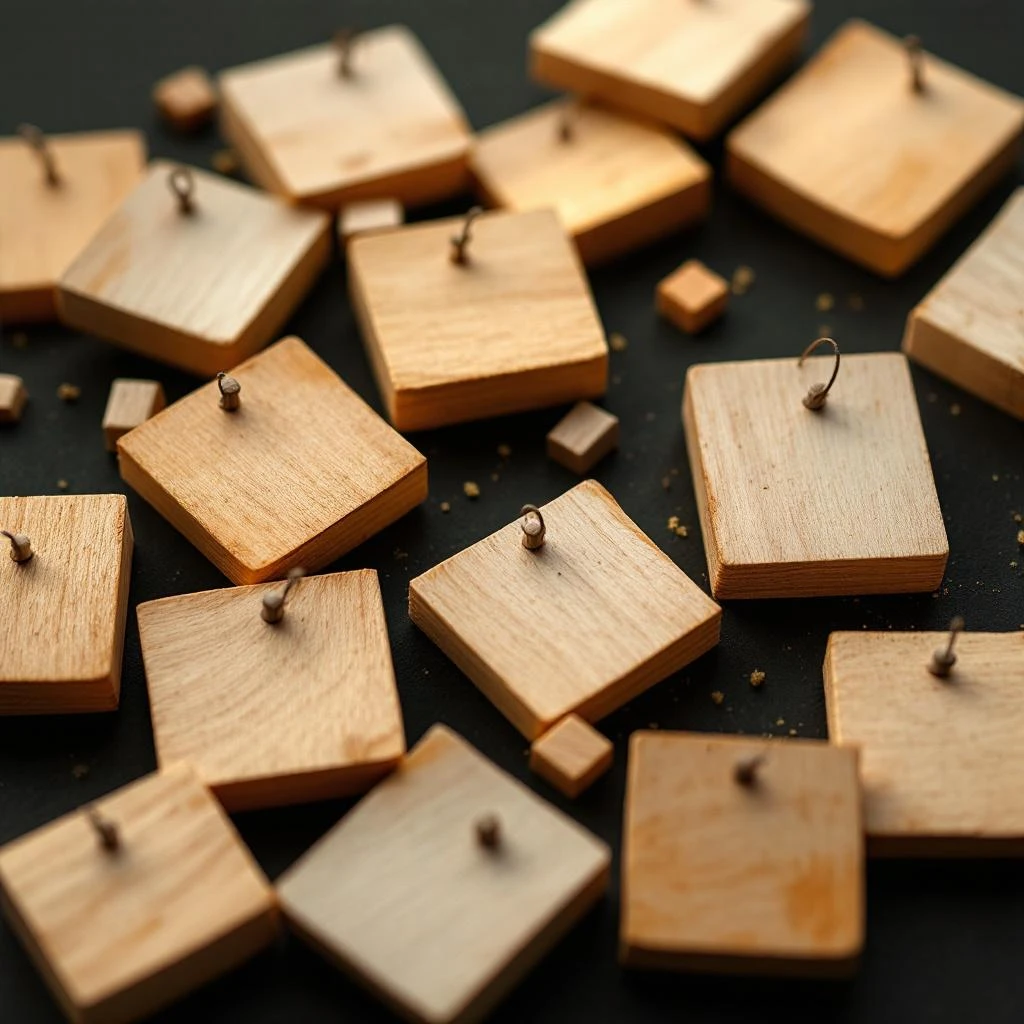
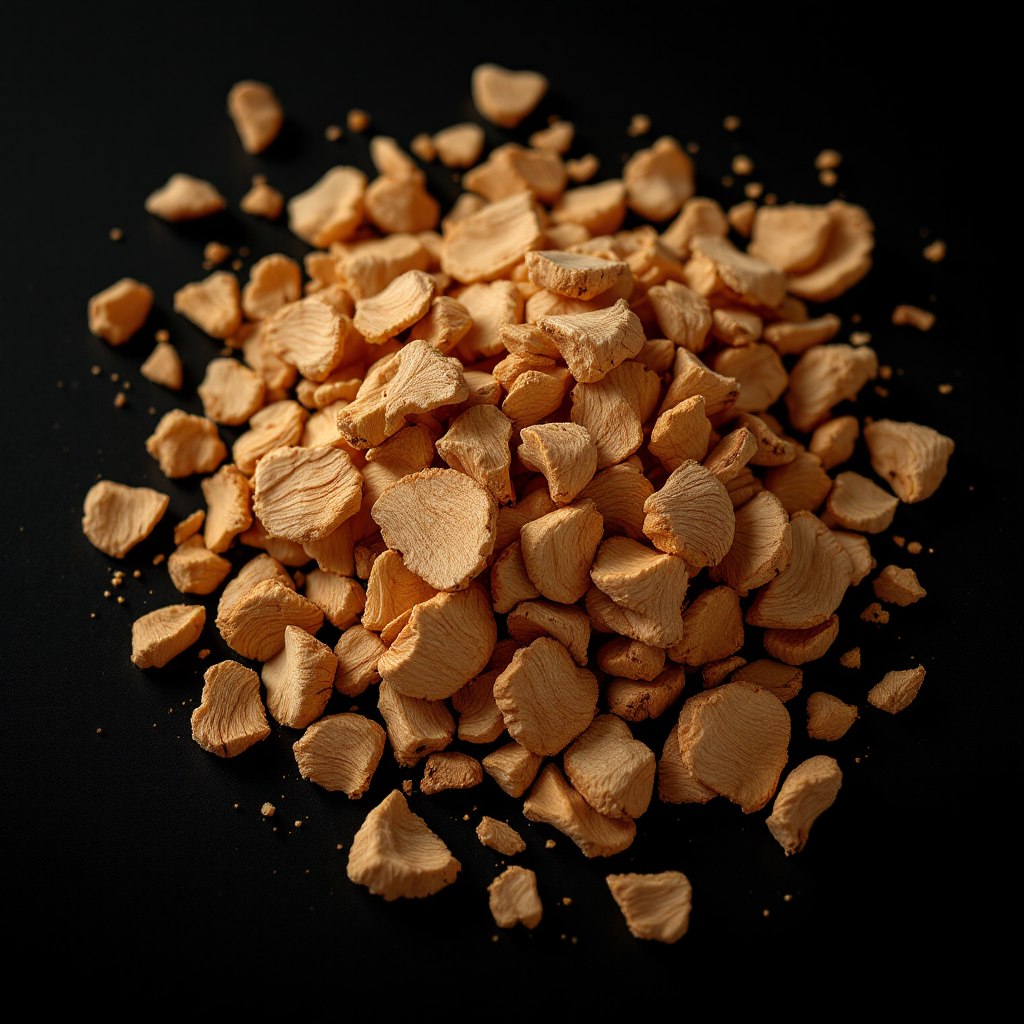
Black cedar wood carries the smoky, resinous depth of ancient forests. Distilled from select cedar species, this woody note anchors fragrances with a dry, pencil-shaving warmth that lingers on skin.
Character
How it smells
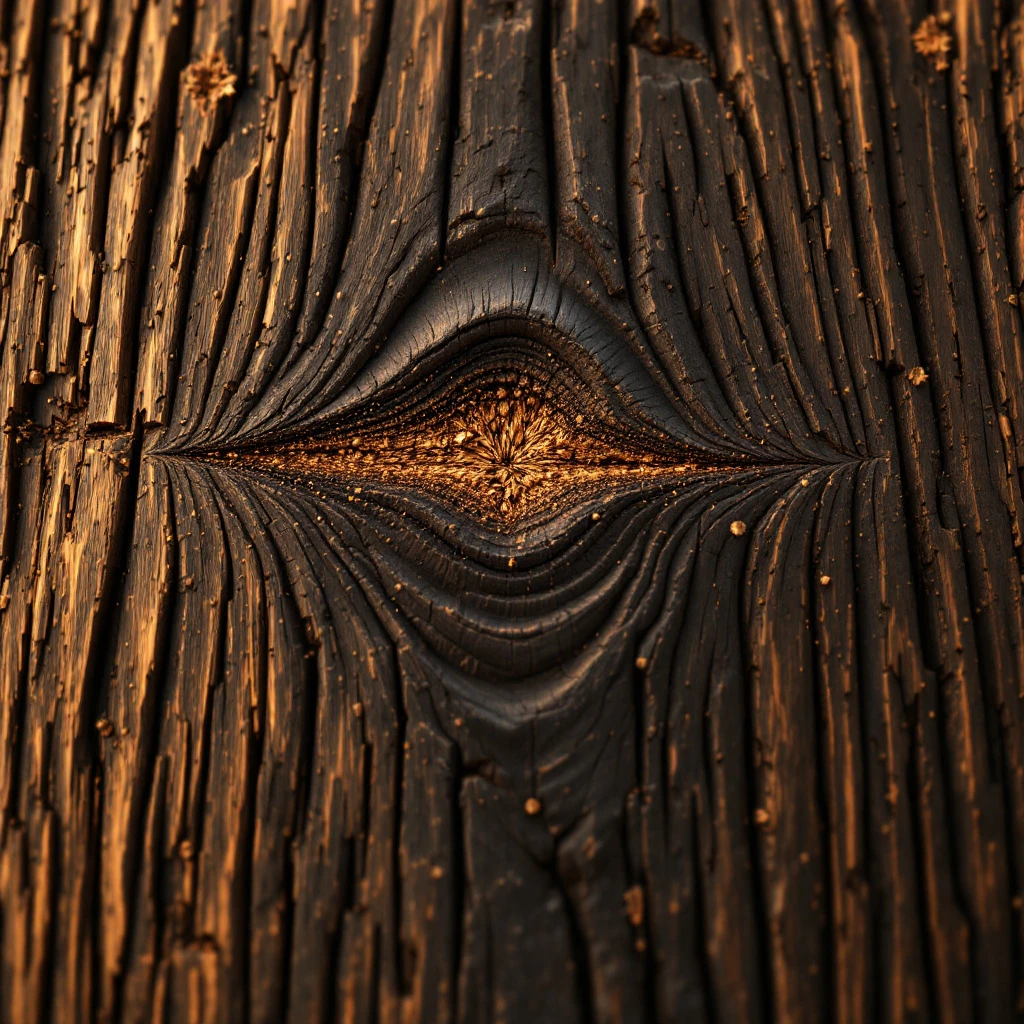
Smoky wood with five thousand years of memory
Virginia cedarwood essential oil is a literal byproduct of pencil factories, with the same mills producing both writing instruments and fragrance oil for perfumers.
Pairs beautifully with





Origin
United States
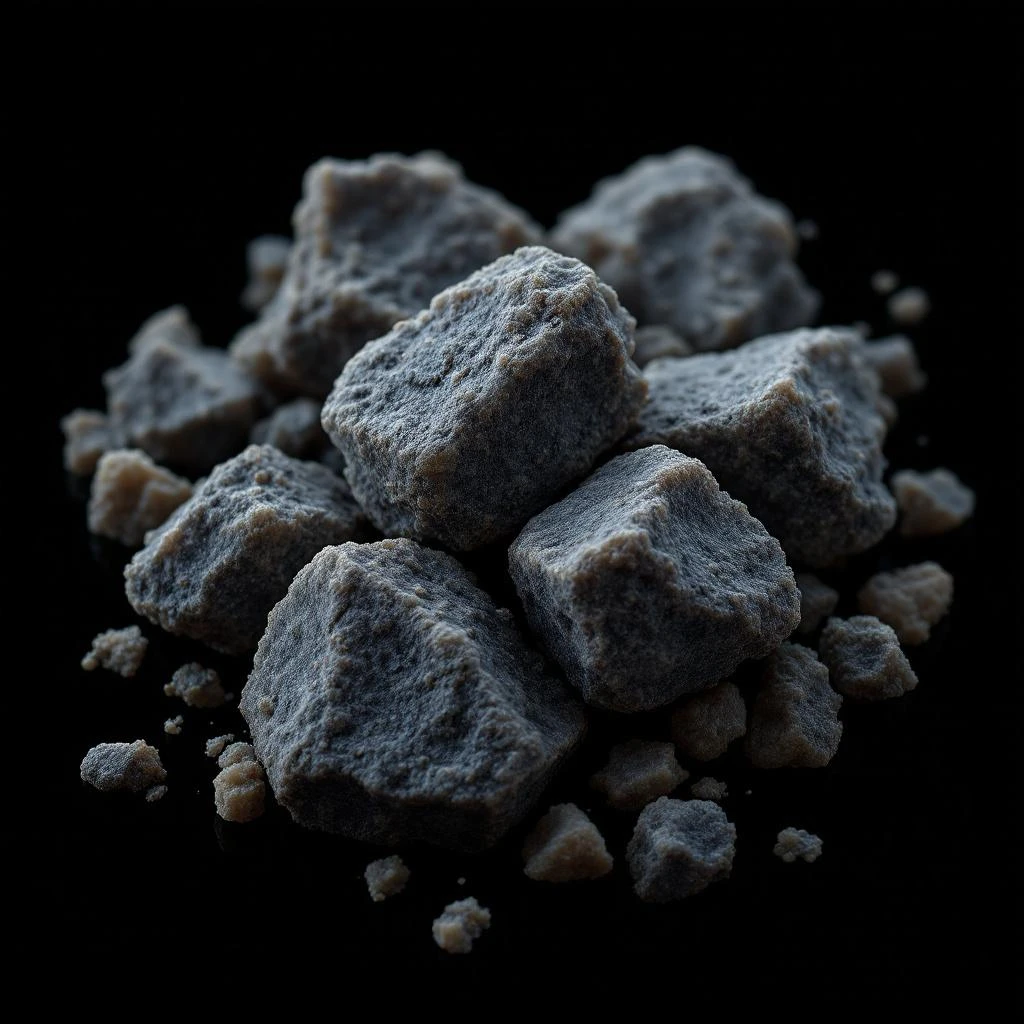
Cedarwood ranks among the most ancient fragrance ingredients known to humanity. Archaeological evidence places its use in Mesopotamia and Babylon over five thousand years ago, where cedar resins and oils were burned in ceremonial rituals and applied to skin as anointing oils. Ancient Egyptians imported cedarwood, most likely from the famous Lebanon forests, for embalming practices and cosmetic preparations.
Cedar oil was one of the earliest crude distillations in human history, with extraction techniques predating modern perfumery by millennia. The Lebanese cedar forests, once vast and revered, were gradually depleted over centuries of trade and shipbuilding, making sustained cedar harvesting a cultural and economic milestone. Through the medieval period and into the Islamic Golden Age, cedarwood remained a staple in apothecary work, valued for its preservative qualities and warm scent.
By the nineteenth century, cedarwood found a new commercial role in pencil manufacturing, and the perfumery industry began sourcing oil as a byproduct of those operations. Virginia cedarwood specifically gained prominence when American pencil mills began channeling their wood waste into essential oil production.
Wears it best
Fragrances featuring Black Cedar Wood
Brands
Brands known for Black Cedar Wood
Good to know
Questions, answered
The essentials on Black Cedar Wood in perfumery: how it smells, where it comes from, and how it behaves on skin.
What does black cedar wood smell like in perfume?
Black cedar wood delivers a dry, smoky aroma with resinous warmth. It carries subtle pencil-shaving sharpness and a faint medicinal undertone, providing depth and longevity to woody and oriental compositions.
Is black cedar wood the same as regular cedarwood?
Not exactly. Black cedar typically refers to cedar oils produced through older destructive distillation or specific darker extracts, while standard cedarwood oil comes from lighter steam distillation of heartwood and roots.
Where does black cedar wood oil come from?
Most commercial cedarwood oil originates in the United States, particularly Virginia. Virginia cedarwood oil is a documented byproduct of pencil manufacturing, where the same factories produce both writing instruments and fragrance material.
How is black cedar wood oil extracted?
Steam distillation is the primary method. Wood chips and root sections from cedar trees are heated in stills, releasing aromatic compounds that condense into essential oil. Older tar-based black cedar extracts use oxygen-free pyrolysis followed by secondary distillation.
What is cedrol and why does it matter?
Cedrol is the dominant sesquiterpene alcohol in cedarwood oil, comprising roughly 35 percent of Virginia cedarwood. It contributes the characteristic woody softness and helps anchor volatile top notes in fragrance compositions.
When was cedarwood first used in perfumery?
Cedarwood use dates back over five thousand years to ancient Mesopotamia, Babylon, and Egypt. Egyptians imported Lebanese cedar specifically for embalming and cosmetic preparations, making it one of the earliest documented fragrance ingredients.
Is black cedar wood oil sustainable?
Sustainability varies by source. Virginia cedarwood benefits from pencil industry byproducts, while Atlas cedar populations in Morocco and Lebanon face pressure from historical overharvesting, making sourcing ethics important for conscious buyers.
What fragrance families use black cedar wood?
Black cedar wood appears most frequently in woody, oriental, and fougère compositions. It serves as a base note, grounding brighter citrus or aromatic elements with smoky persistence and structural warmth.