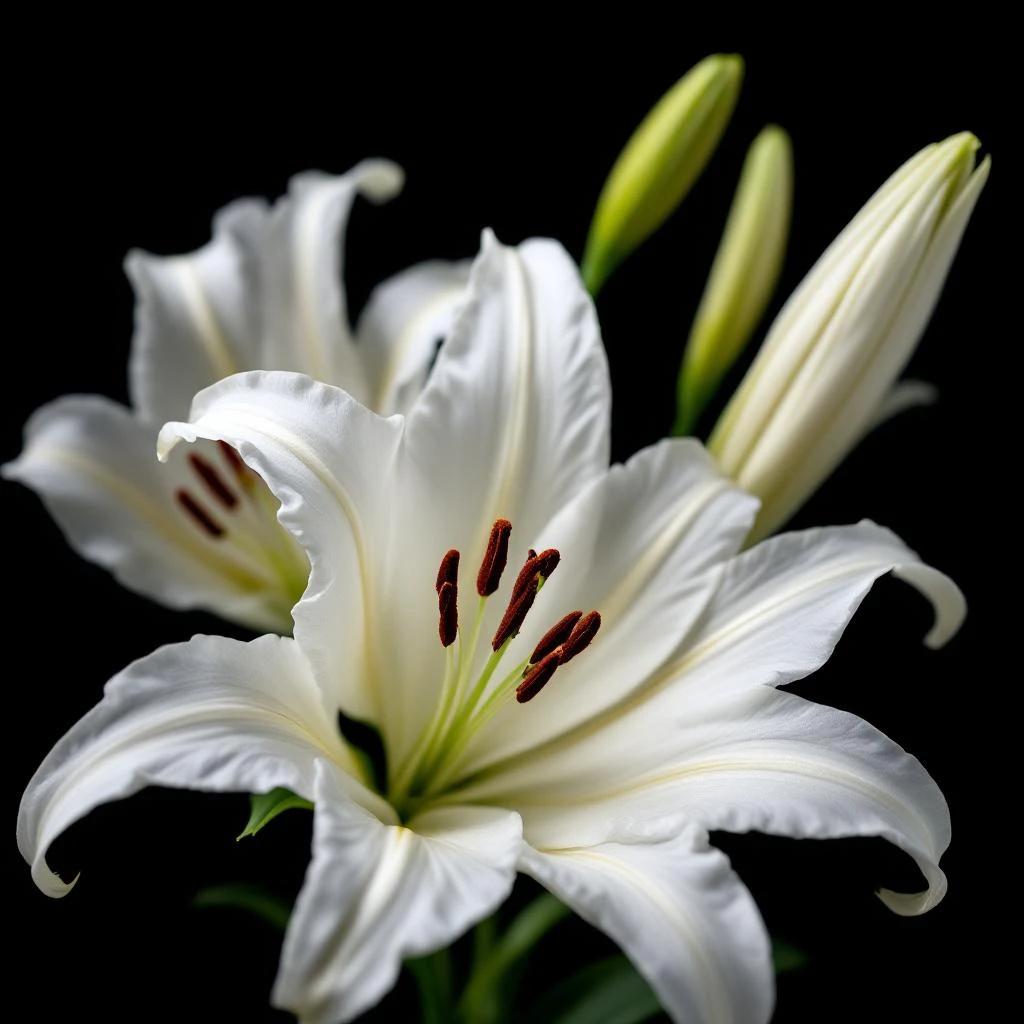
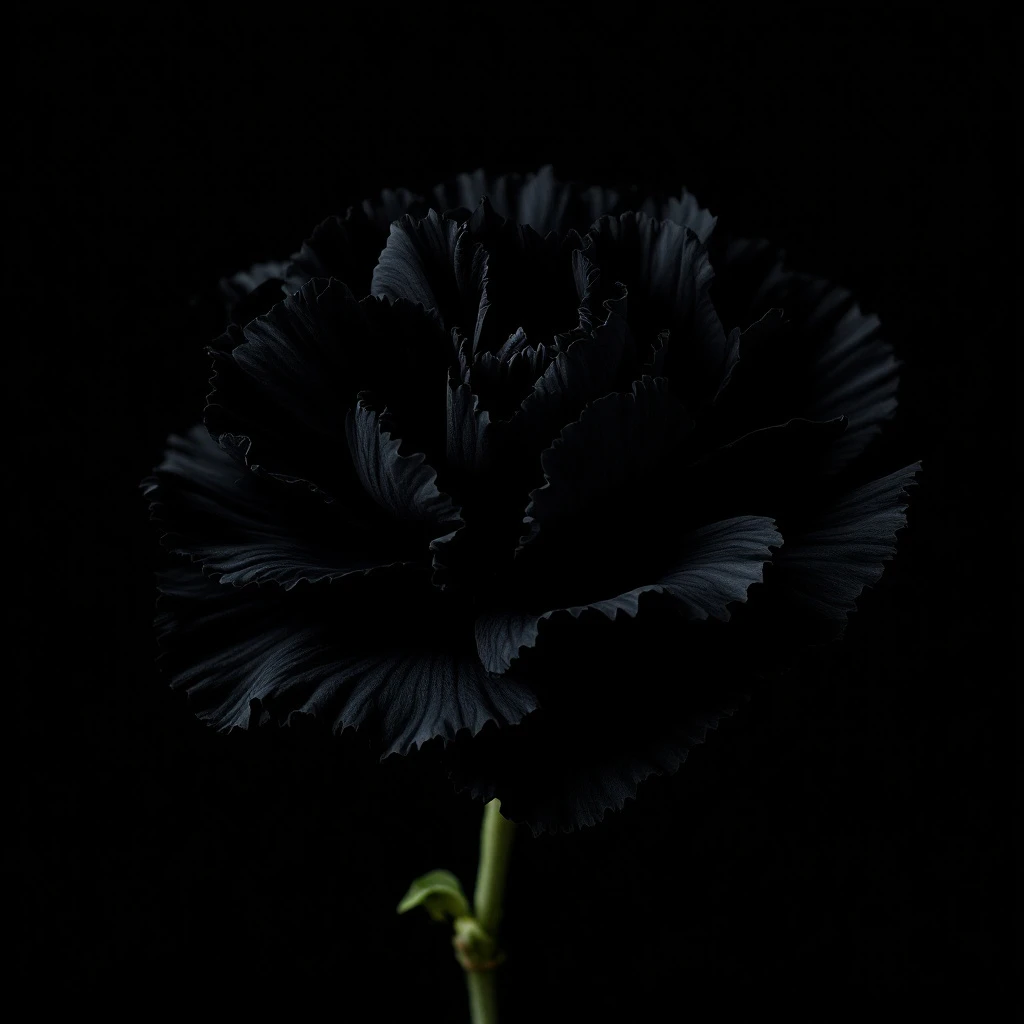
Black Carnation
Black Carnation captures the deeper, spicier soul of Dianthus caryophyllus, revealing clove-tinged warmth and peppery richness that transforms the familiar floral into something darker, more complex. This is carnation stripped of softness, revealed as a bold, aromatic heart.
Character
How it smells
The bold, spiced soul of the carnation flower.
Carnation absolute ranks among perfumery's rarest ingredients, with production concentrated in a single region of southern France.



Origin
France
Carnation's perfumery chapter opened in 1905 when Francois Coty introduced L'Origan, the first major fragrance built around this spicy floral. The Mediterranean species Dianthus caryophyllus had graced gardens for centuries before perfumers recognized its aromatic potential. French perfumers of the Belle Époque era became fascinated with carnation's ability to bridge floral sweetness and spicy warmth.
The flower carried rich symbolic weight across Mediterranean cultures, appearing in garlands and ceremonial arrangements. Yet carnation remained perpetually overshadowed by rose and jasmine in commercial importance. This relative obscurity preserved its mystique: it became the perfumer's secret, appearing in chypres, orientals, and fougeres as a sophisticated base note that lent complexity without obvious florality.
The "black" designation evolved as perfumers distinguished the deeper, more tenacious heart of the flower from its lighter top notes.
Wears it best
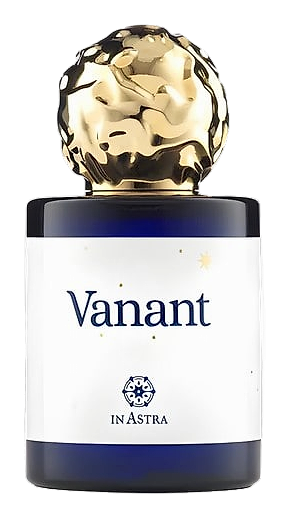
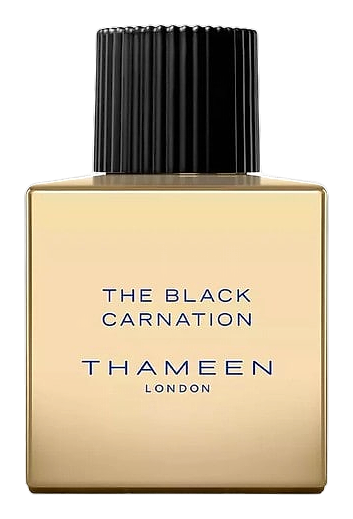
Fragrances featuring Black Carnation
Good to know
Questions, answered
The essentials on Black Carnation in perfumery: how it smells, where it comes from, and how it behaves on skin.
What makes Black Carnation different from regular carnation?
Black Carnation refers to the deeper, spicier heart of the carnation flower rather than its fresh floral top. It emphasizes the clove-like eugenol content that gives carnation its characteristic warm, peppery quality.
Is Black Carnation a natural or synthetic ingredient?
Natural carnation absolute exists but costs prohibitively for most formulas. Most modern Black Carnation accords combine natural isolates like eugenol with synthetic companions to capture that warm, spicy carnation character.
What fragrances traditionally feature carnation?
Carnation appears frequently in chypres, orientals, and fougeres. Classic examples include Guerlain's Liu and Coty's L'Origan, which established carnation as a perfumery ingredient in 1905.
Why is carnation considered rare in perfumery?
Carnation absolute production concentrates in southern France, and the extraction yield is low. The flower does not yield enough aromatic material for broad commercial use, limiting its availability.
What notes pair well with Black Carnation?
Black Carnation harmonizes with clove, nutmeg, cinnamon, and other warm spices. It anchors against rich bases like sandalwood and vanilla while bridging toward rose or ylang florals.
Does Black Carnation smell spicy or floral?
It achieves both. The floral aspect reads as a warm, almost powdery rose-like quality, while the spicy dimension delivers clove and pepper characteristics that create an aromatic, slightly woody effect.
When does Black Carnation appear in fragrance development?
As a heart note ingredient, Black Carnation emerges in the mid-development phase and typically lingers through the dry-down, providing warmth and complexity rather than immediate impact.
What gives carnation its characteristic scent?
Eugenol, the same compound found in cloves, dominates carnation's aromatic profile. Related compounds including isoeugenol and methyl eugenol contribute additional spicy and floral dimensions.