Salted pistachio
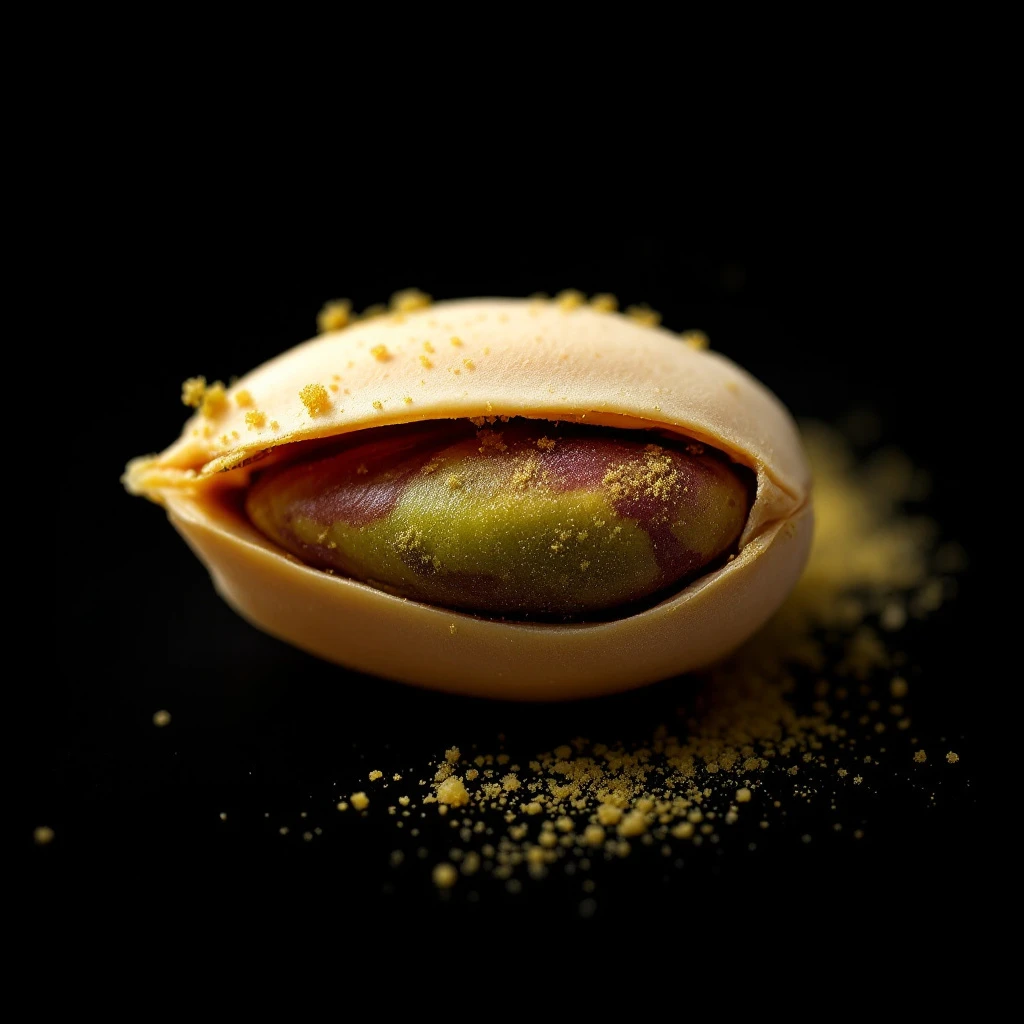
A gourmand accord marrying the buttery, roasted warmth of pistachio with crystalline sea salt. The interplay creates an addictive nutty-salty tension that straddles confectionery and fine perfumery, evoking the sensory pleasure of cracking open a roasted nut.
Character
How it smells
Nutty warmth kissed by sea salt.
Pistachios were once so rare in ancient Persia that only royalty could afford them, earning them the nickname 'the smiling nut.'






Origin
Iran
Pistacia vera, the true pistachio, traces its origins to Central Asia and the Middle East, where wild specimens grew across Persia, Syria, and Afghanistan for thousands of years. Ancient texts document pistachios as luxury provisions along Silk Road trading routes, with the nuts prized by Persian nobility and later adopted by Roman elites.
The practice of roasting and lightly salting pistachios emerged as a distinct culinary tradition in Middle Eastern and Mediterranean cultures, transforming the mild, slightly sweet raw nut into the deeply flavored, crunchy indulgence familiar today. Perfumers adopted this flavor profile as a gourmand note in the late 20th century, drawn to its comfort-food resonance and complex sweet-savory character.
Wears it best
Fragrances featuring Salted pistachio
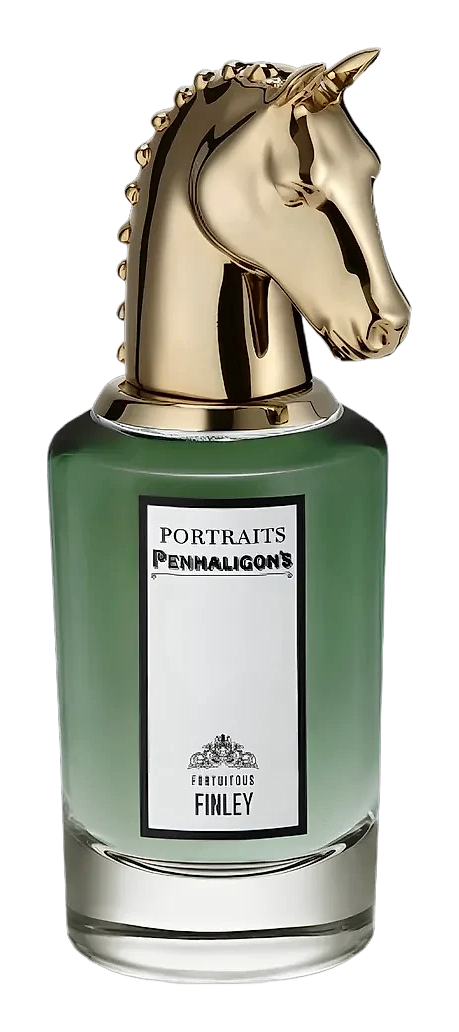
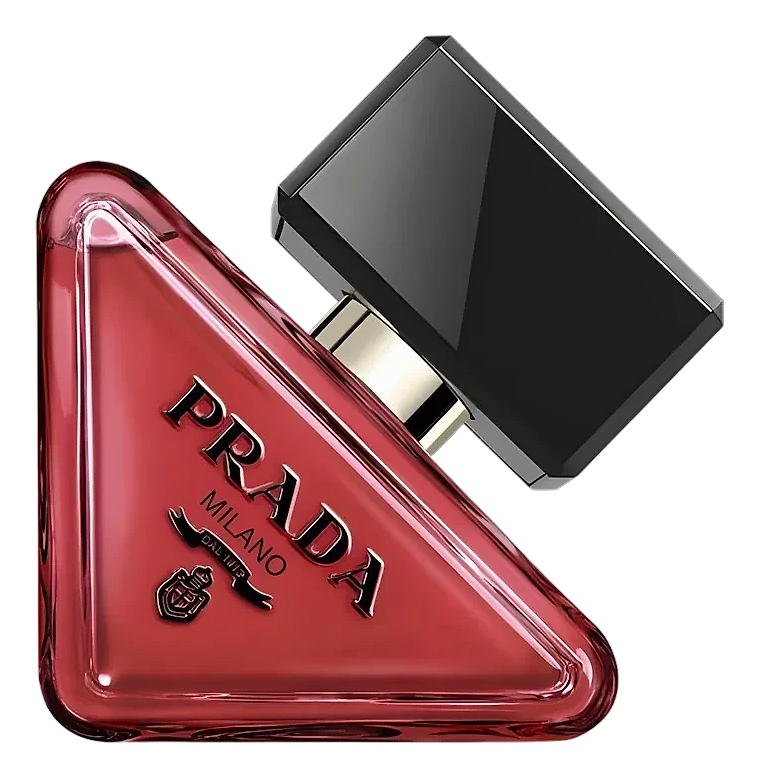
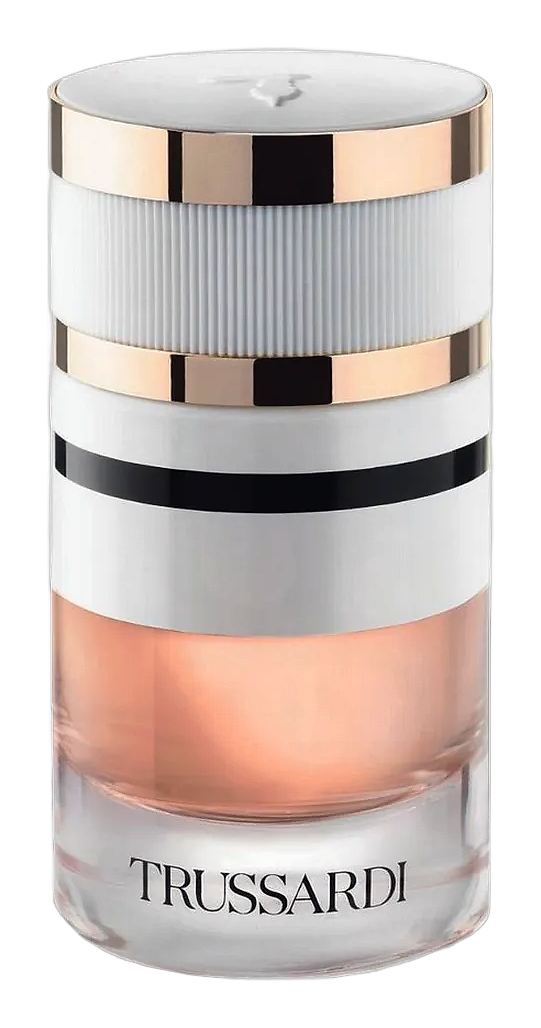
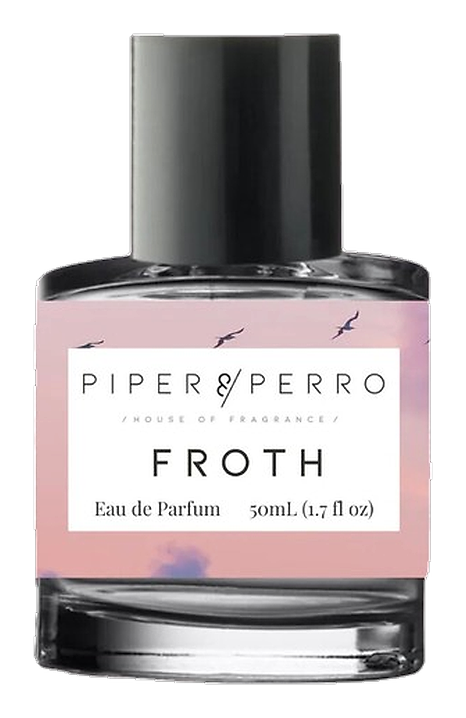
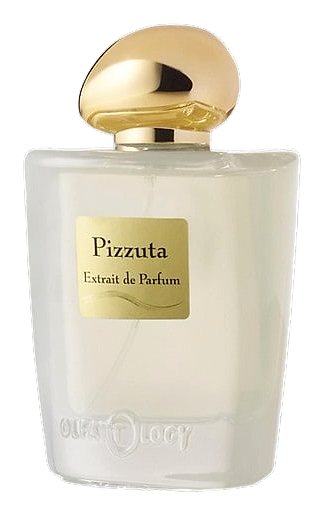
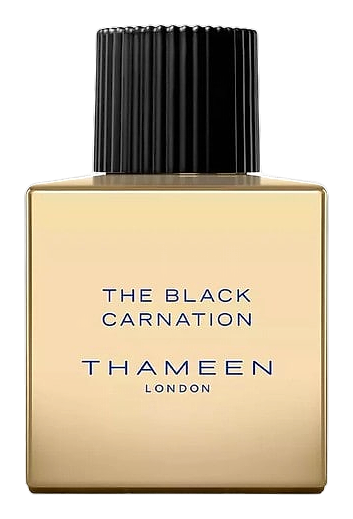
Brands
Brands known for Salted pistachio
Good to know
Questions, answered
The essentials on Salted pistachio in perfumery: how it smells, where it comes from, and how it behaves on skin.
Is salted pistachio a natural or synthetic ingredient in perfumery?
Synthetic. Direct extraction of pistachio oil is impractical due to low yields and compound instability. Perfumers reconstruct the note using aromatic molecules that replicate the roasted, nutty character of Pistacia vera, combined with saline accords.
What does salted pistachio smell like?
It opens with buttery, slightly sweet nutty warmth and finishes with a clean mineral salinity. The combination creates a gourmand-confectionery effect, like biting into a roasted, lightly salted pistachio kernel.
Why is natural pistachio oil rarely used in perfumery?
Natural pistachio oil yields minimal aromatic compounds and degrades rapidly after extraction. The instability makes it unsuitable for standard fragrance production, prompting the use of synthetic reconstruction instead.
What fragrance families pair well with salted pistachio?
Gourmand, oriental, and ambery compositions. The note complements vanilla, tonka, sandalwood, and white florals. It adds depth and edibility to otherwise abstract fragrance structures.
When did pistachio first appear in perfumery?
Gourmand fragrances gained popularity in the late 20th century, with pistachio emerging as a distinct note in the 1990s and 2000s as confectionery-inspired perfumery expanded beyond traditional boundaries.
What is Pistacia vera?
Pistacia vera is the true pistachio tree species, native to Central Asia and the Middle East. It produces the edible green kernels used in cuisine and, conceptually, in reconstructed pistachio fragrance accords.
Does salted pistachio smell more sweet or savory?
It achieves balance. The pistachio component provides sweet, buttery depth while the salt element adds savory minerality. The interplay prevents it from reading as purely confectionery.
How do perfumers create the salt component in salted pistachio?
Mineralic aromatic molecules replicate the clean, crystalline quality of sea salt without introducing moisture or actual sodium. These materials provide the saline lift that balances the nut's natural oils.