Bitter Ginger
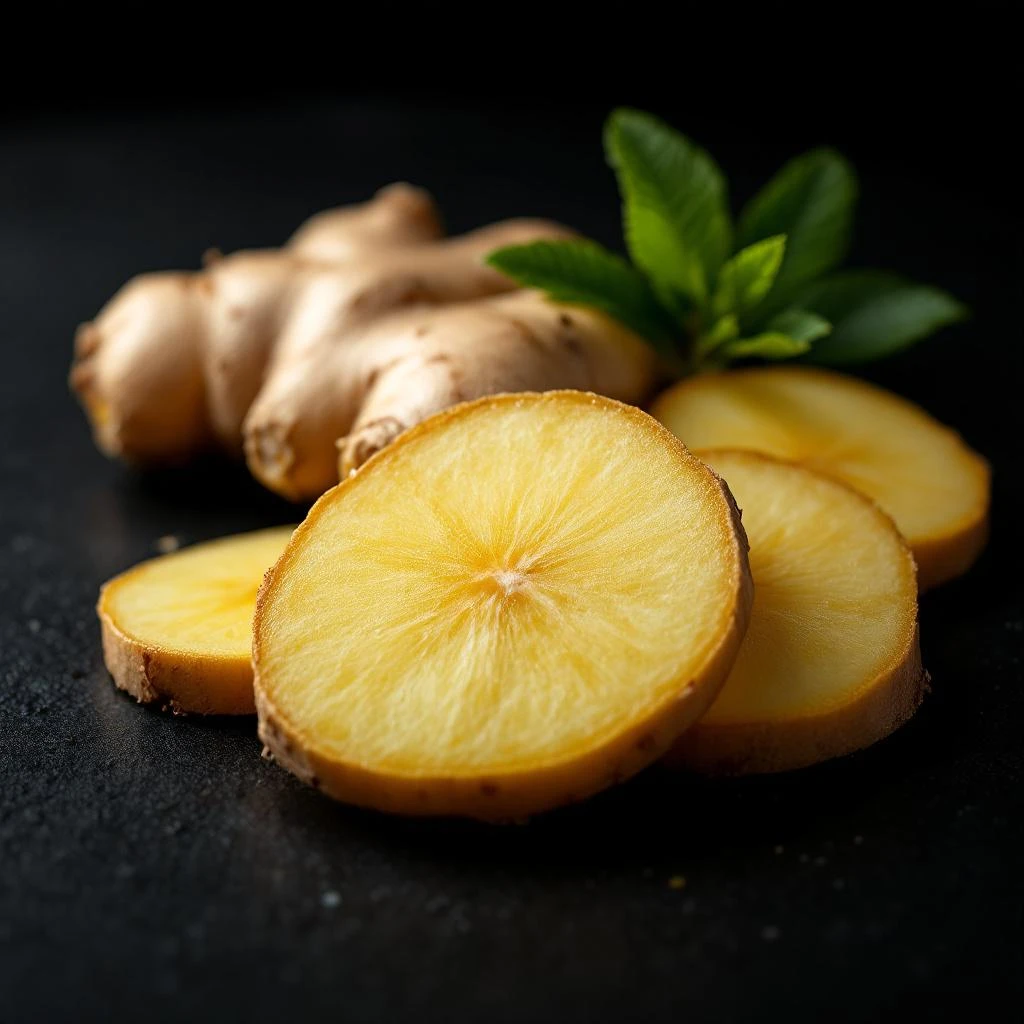
Bitter ginger brings a sharp, mineral edge to fragrances. Extracted from the rhizome via steam distillation, this note cuts through sweet compositions with its clean, earthy bite and restrained warmth.
Character
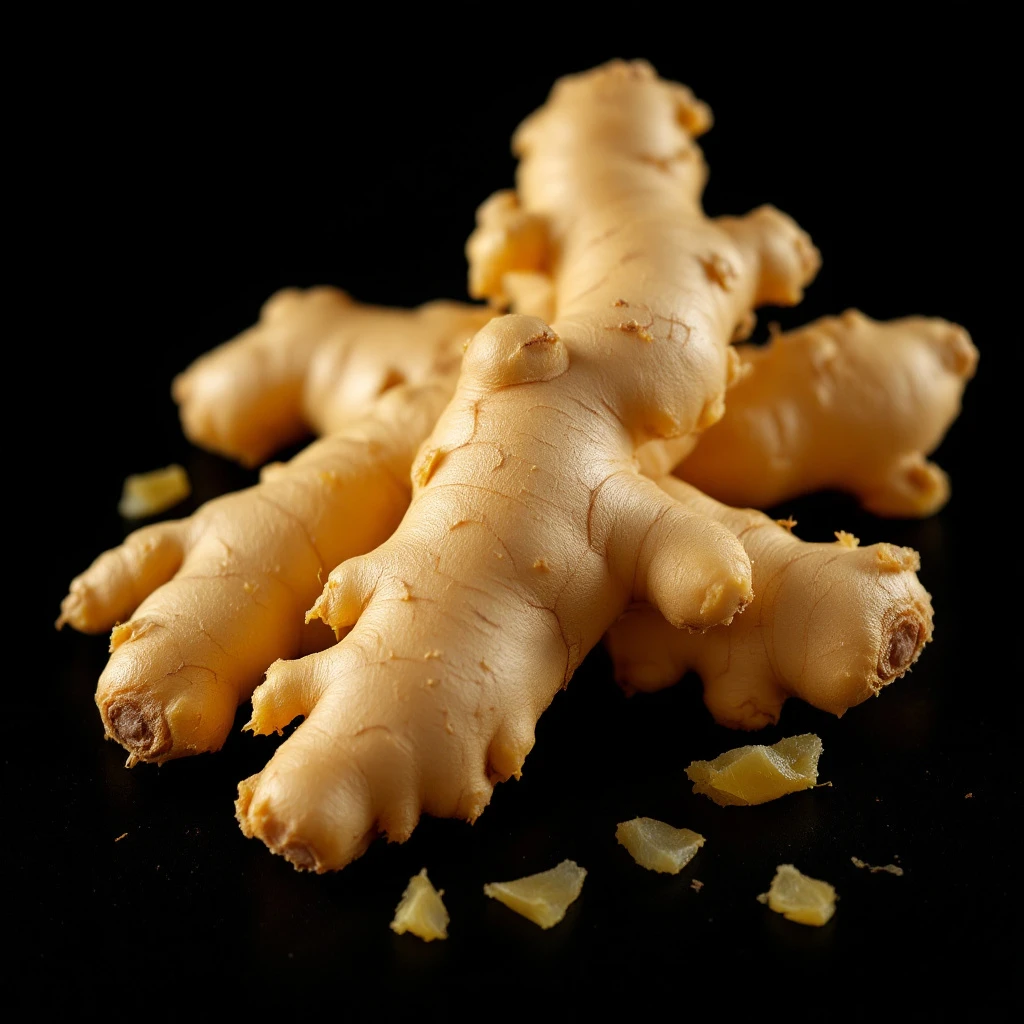
How it smells
The sharp mineral edge in modern perfumery.
Ancient Romans burned ginger root in oil lamps to scent their homes, making it one of the earliest documented aromatic uses of the spice.


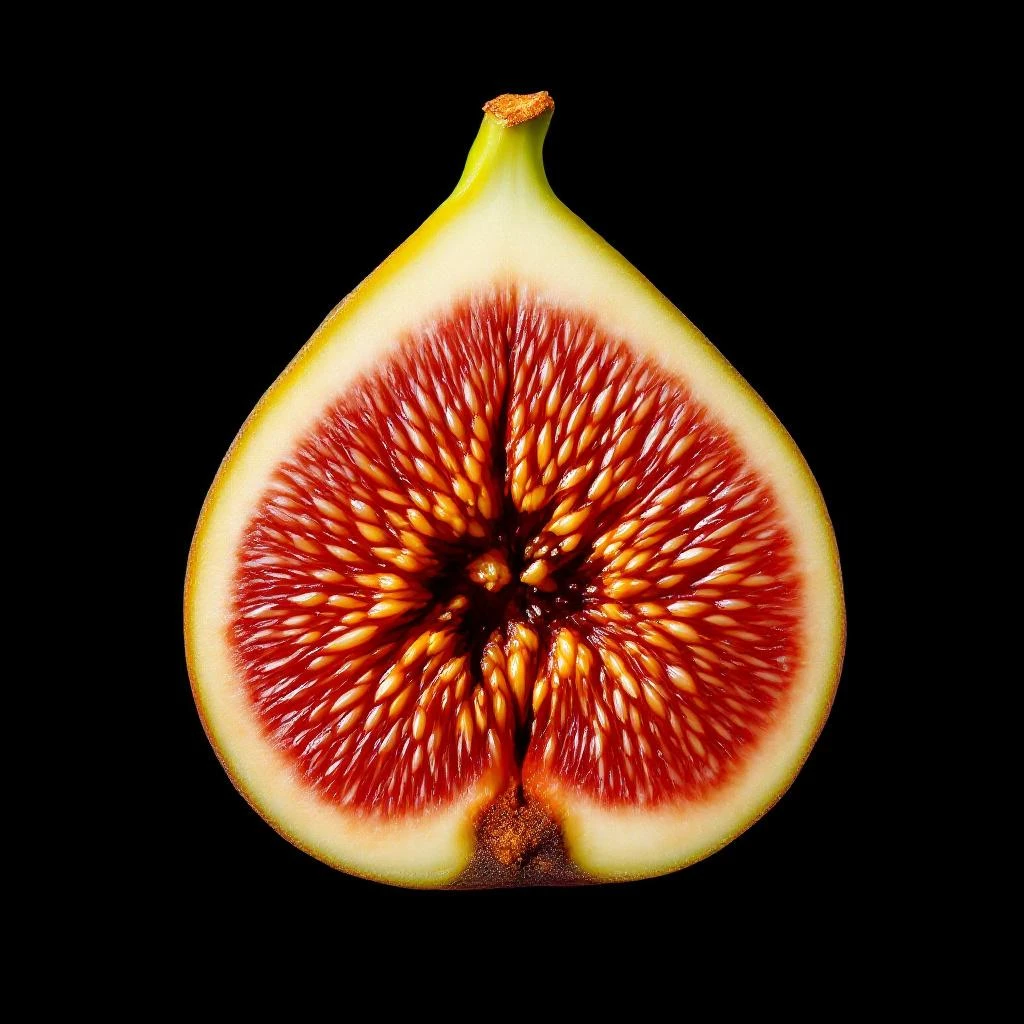

Origin
China
Ginger's journey into fragrance predates perfumery as a formal craft. The Romans burned ginger root in oil lamps to scent their homes and public spaces, dispersing its sharp aroma through heated oil. By the 12th century, Arabian physicians had mastered distillation techniques that could isolate and capture individual aromatic compounds from plant material, opening the door for ginger's use in early perfume compositions.
The spice trade subsequently brought ginger to European markets, where it was prized equally for its aromatic and culinary properties. Advancements in steam distillation during the late 19th century allowed perfumers to capture the rhizome's full aromatic profile with unprecedented precision. The flowering plant, Zingiber officinale, originated in Southeast Asia and has been cultivated for over 5,000 years.
It spread from India to China, Japan, and throughout the Mediterranean world via Arab traders, establishing itself as one of the most traded spices in history. Today, China leads global production of bitter ginger oil, though Japan and Laos also produce significant quantities prized by natural perfumers.
Wears it best
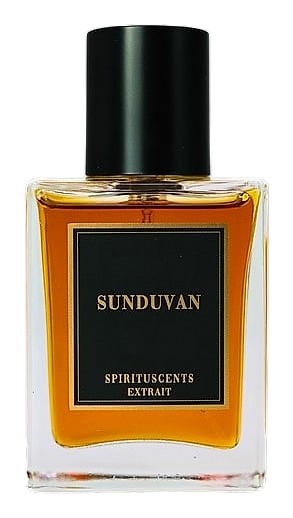
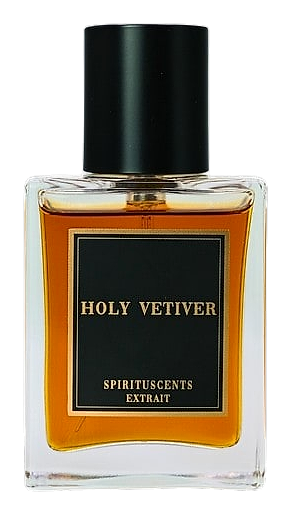
Fragrances featuring Bitter Ginger
Brands
Brands known for Bitter Ginger
Good to know
Questions, answered
The essentials on Bitter Ginger in perfumery: how it smells, where it comes from, and how it behaves on skin.
What does bitter ginger smell like in perfume?
Bitter ginger has a sharp, mineral aroma with earthy warmth and subtle heat. It lacks the sweet citrus quality of fresh ginger, instead offering a leaner, almost medicinal sharpness that adds structure to fragrance compositions.
Is bitter ginger natural or synthetic?
Bitter ginger is natural, extracted via steam distillation of the rhizome. Synthetic ginger accords exist and typically combine zingiberene, linalool, and floral aldehydes to mimic the scent profile in laboratory settings.
What part of the ginger plant is used for fragrance?
Perfumers use the rhizome, the underground stem structure of the plant. Both fresh and dried rhizomes undergo steam distillation, with fresh material producing a brighter oil and dried material yielding a darker, more concentrated extract.
Where does commercial ginger essential oil originate?
China leads global production, followed by India, Nigeria, and Indonesia. The rhizomes from these regions vary in aromatic profile based on climate, soil composition, and cultivation practices.
How does bitter ginger differ from regular ginger in perfumery?
Bitter ginger oil has a leaner, more austere character than sweet ginger absolute. The steam distillation process captures fewer of the sweeter, more aromatic compounds, leaving a sharper, earthier note that functions differently in fragrance formulas.
What fragrance families use bitter ginger?
Bitter ginger appears across oriental, woody, and aromatic compositions. It works particularly well in men's fragrances and colognes, where its mineral sharpness adds contrast to warm, resinous base notes.
Does ginger have historical significance in perfumery?
Ginger has been used for aromatic purposes since Roman times, when it was burned in oil lamps. Its transition to formal perfumery occurred in the 12th century following advances in Arabian distillation techniques.
What compounds give ginger its characteristic scent?
Zingiberene is the primary aromatic compound in ginger oil, responsible for its distinctive warm, spicy character. Additional constituents including sesquiterpenes and aldehydes contribute to the note's complexity and sharp undertones.