Betel Nut
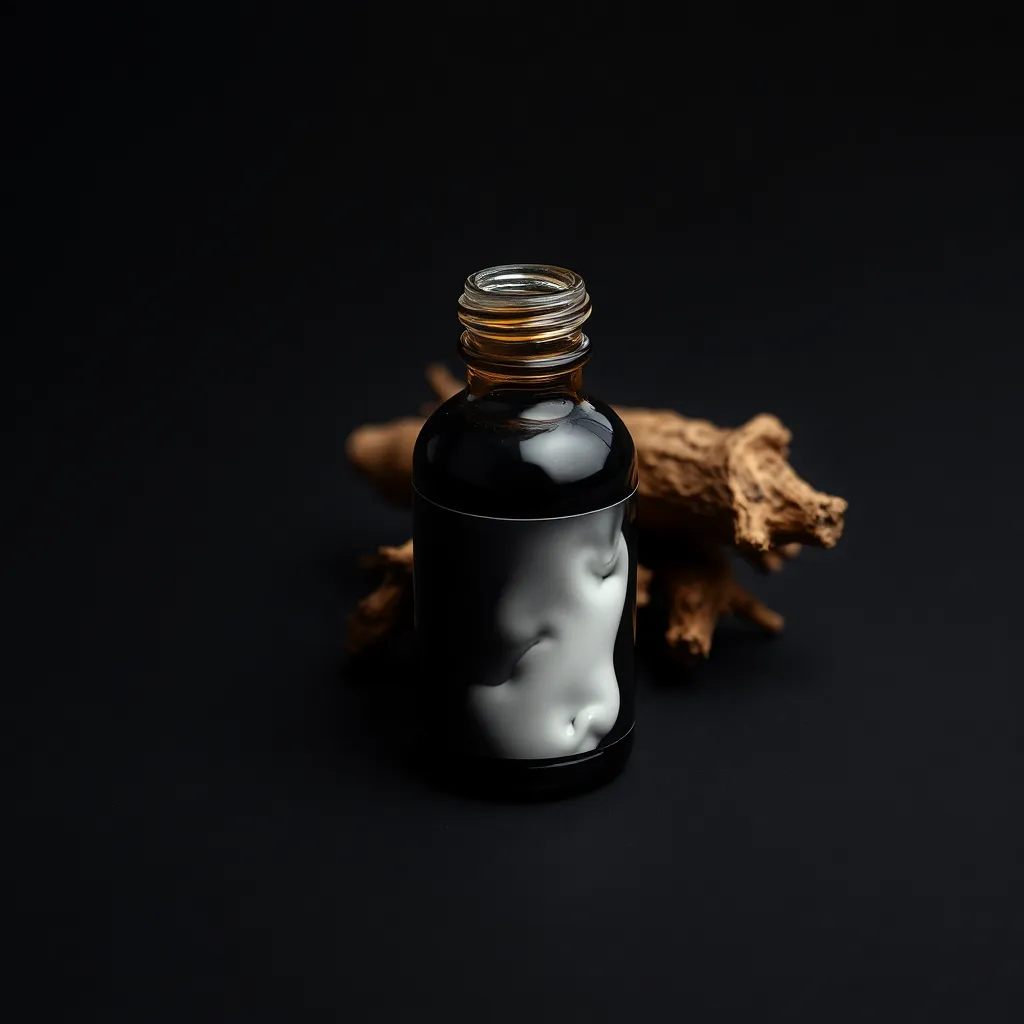
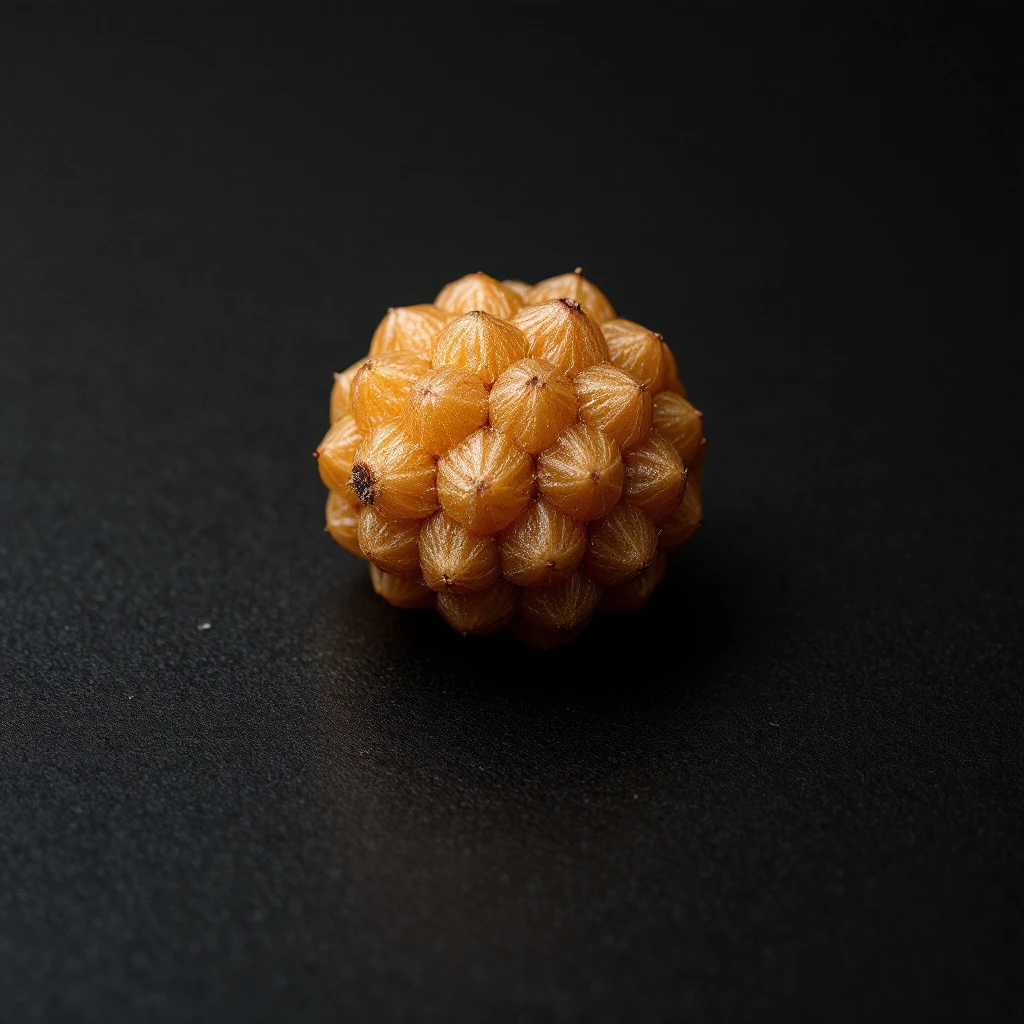
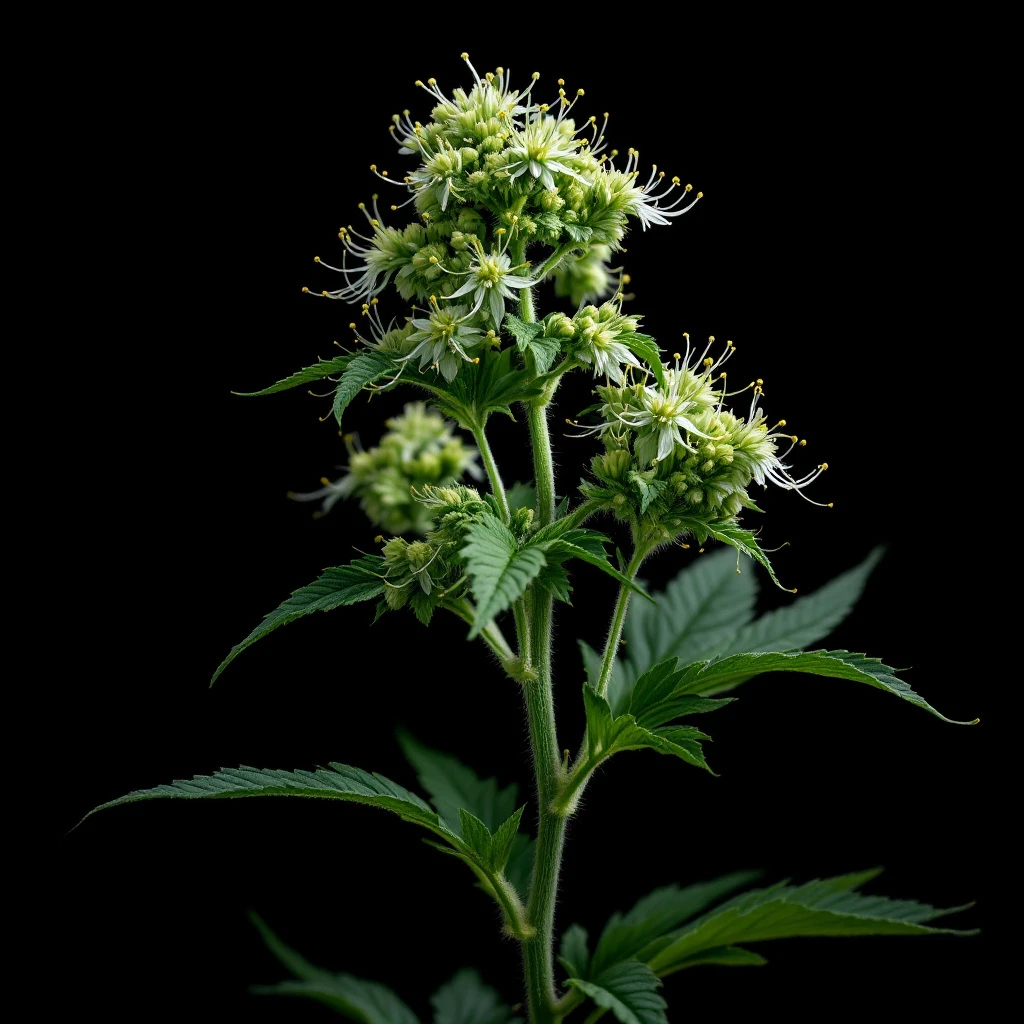
Betel nut is the seed of the Areca catechu palm, carrying a warm, tannic aroma with hints of dried fruit, smoke, and spice. A traditional stimulant across Asia for over 4,000 years, it now appears in niche perfumery as a distinctive ethnobotanical accent.
Character
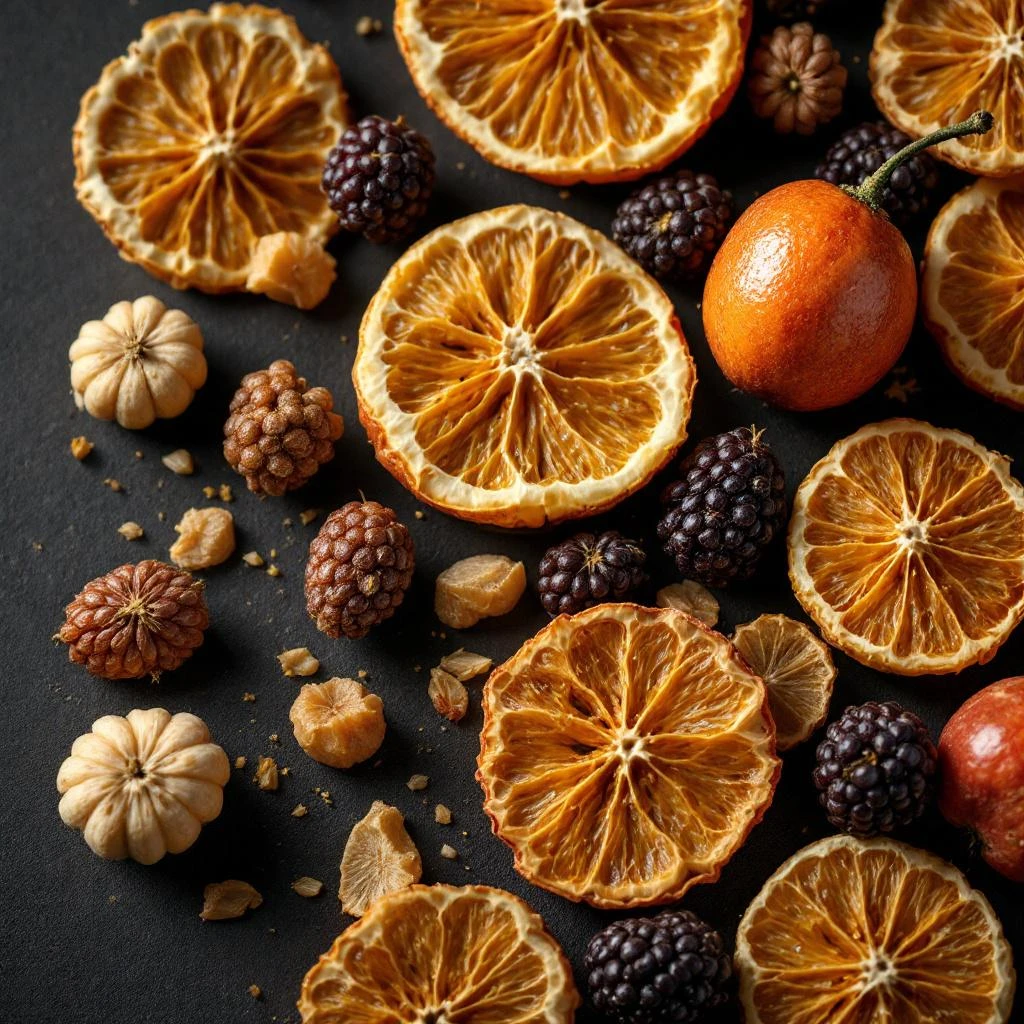
How it smells
An ancient seed with a warm, astringent edge
Archaeological evidence from Duyong Cave in the Philippines places betel nut chewing as far back as 3,000 BCE, making it one of the oldest documented psychoactive customs.



Origin
Philippines
The Areca catechu palm traces its origins to Southeast Asia, with the Philippines, Malaysia, and Indonesia all cited as native ranges. Archaeological finds at the Duyong Cave site in the Philippines confirm betel nut chewing as early as 3,000 BCE, while evidence from Thailand and Indonesia extends the practice further into prehistory. Across South and Southeast Asia, betel nut became embedded in social ritual: offered at weddings, shared among guests, and presented to royalty.
In Indonesia, the preparation known as sirih paired the nut with betel leaf, slaked lime, and spices like cardamom and clove. Elaborate betel boxes, some crafted from gold and silver, reflected the nut's cultural weight. By the 17th century, European traders documented the practice in detail, noting its role in diplomacy and daily life.
Today, betel nut remains a cultural touchstone across Asia, while perfumers explore its aromatic depth as a bridge between ethnobotany and modern scent design.
Wears it best
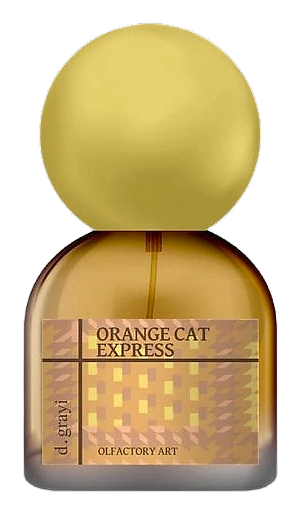
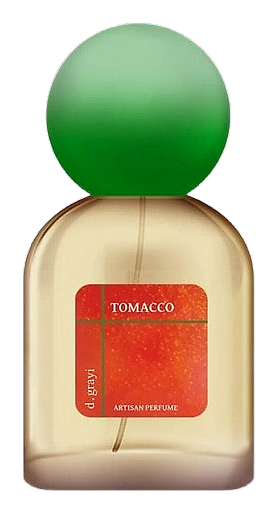
Fragrances featuring Betel Nut
Brands
Brands known for Betel Nut
Good to know
Questions, answered
The essentials on Betel Nut in perfumery: how it smells, where it comes from, and how it behaves on skin.
What does betel nut smell like in perfume?
Betel nut offers a warm, tannic, slightly smoky aroma with dried fruit and spice undertones. It behaves as a grounding base note, lending an astringent, almost leathery depth to amber and spicy compositions.
Is betel nut the same as betel leaf?
No. Betel nut is the seed of the Areca catechu palm, while betel leaf comes from the Piper betle vine. They are traditionally chewed together but originate from entirely different plants with distinct aromatic profiles.
Where does betel nut come from?
The Areca catechu palm is native to the Philippines, Malaysia, and Indonesia. These countries remain the primary centers of cultivation, with the Philippines frequently cited as the species' original range.
Is betel nut safe to use in perfume?
In fragrance applications, betel nut is used in trace amounts as a fixed aromatic material. Regulatory bodies classify the areca alkaloids as unsafe for ingestion, but topical fragrance use involves no such risk at standard concentrations.
How old is the tradition of chewing betel nut?
Archaeological evidence from Duyong Cave in the Philippines dates betel nut chewing to roughly 3,000 BCE. This makes it one of the oldest continuously practiced psychoactive customs documented in human history.
Why is betel nut used in niche perfumery?
Its warm, tannic, slightly bitter character fills a gap between leather and amber accords. Niche perfumers value it for adding an ethnobotanical signature that feels rooted in Asian tradition rather than conventional Western fragrance families.
Can you get essential oil from betel nut?
Steam distillation yields a small fraction of volatile oil from betel nut. Most commercial aromatic material comes from solvent extraction, which captures the heavier, tannin-rich compounds that define the seed's character.
What fragrances commonly feature betel nut?
Betel nut appears in select niche and indie releases exploring spicy, amber, and ethnobotanical themes. It is rarely a headline note, instead serving as a distinctive accent in compositions inspired by South and Southeast Asian traditions.