Bergamot Petitgrain
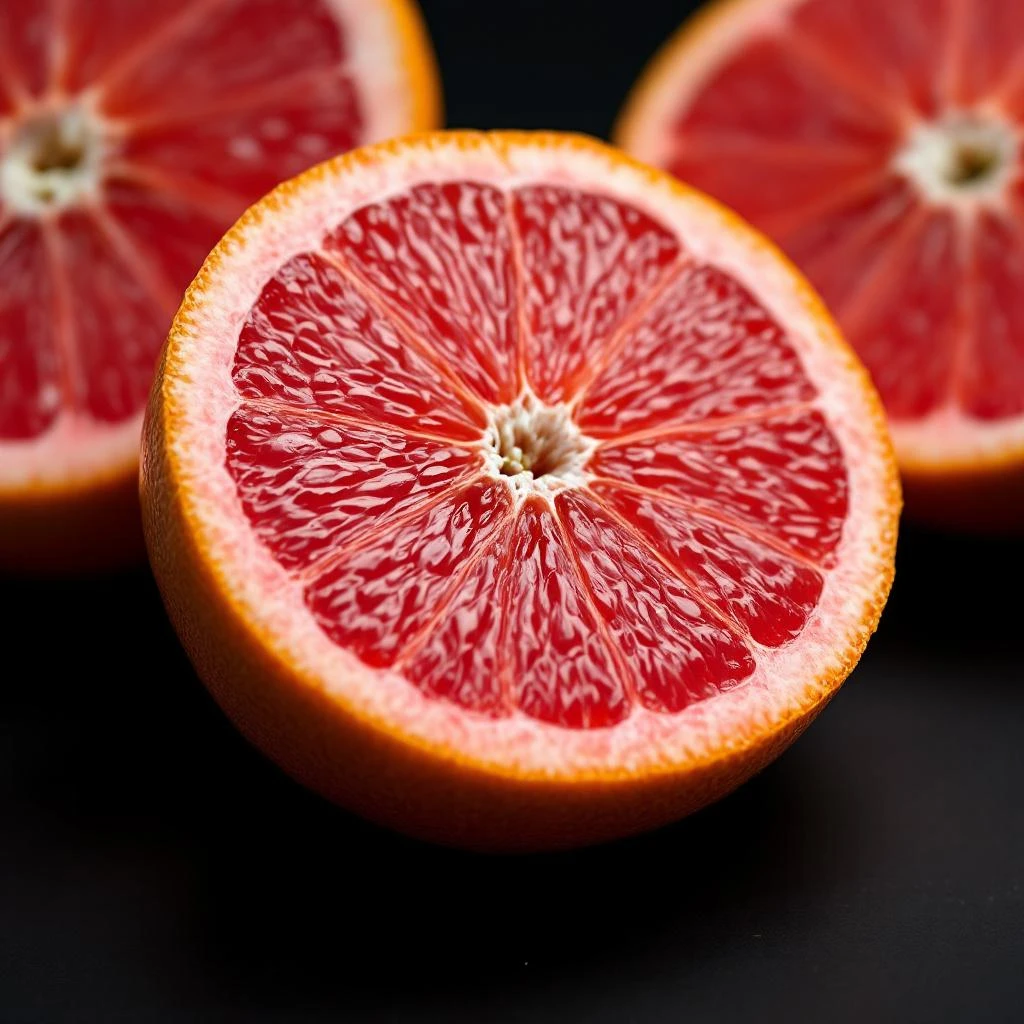
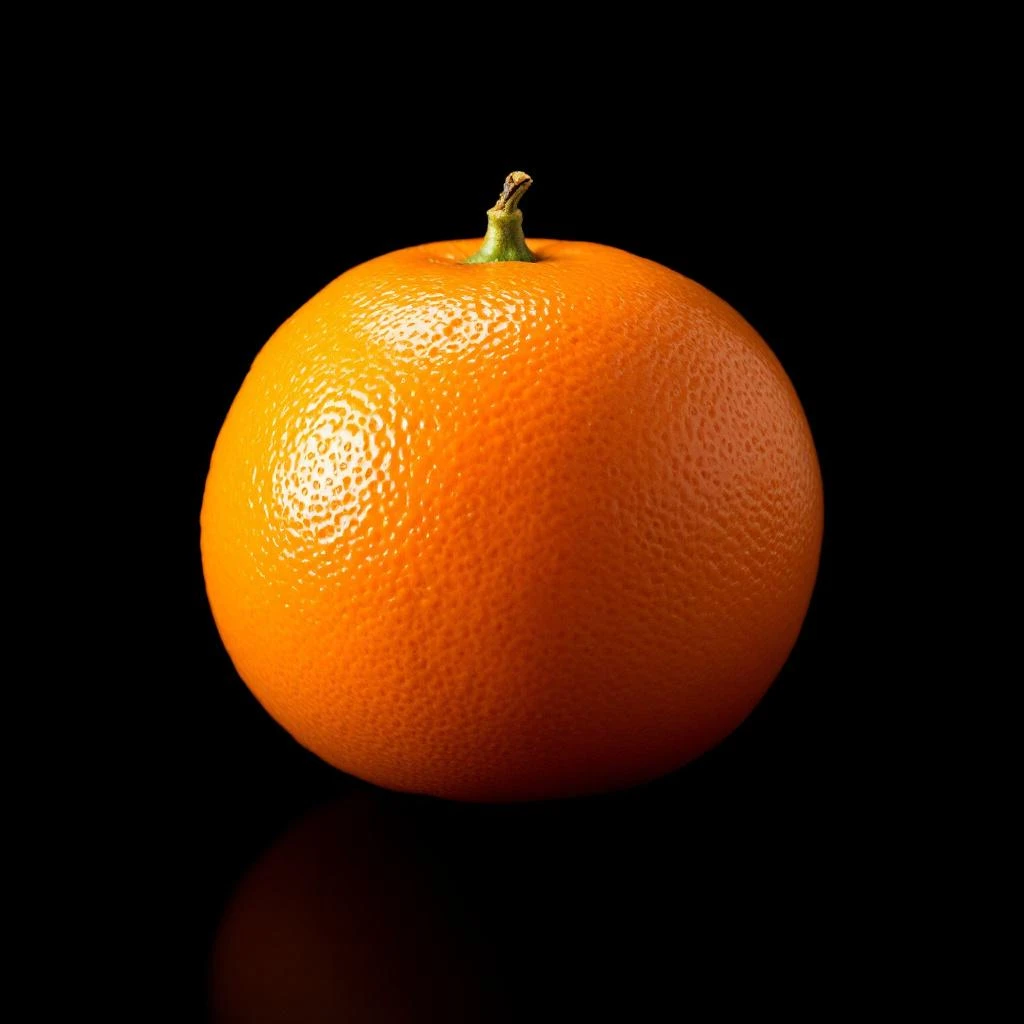
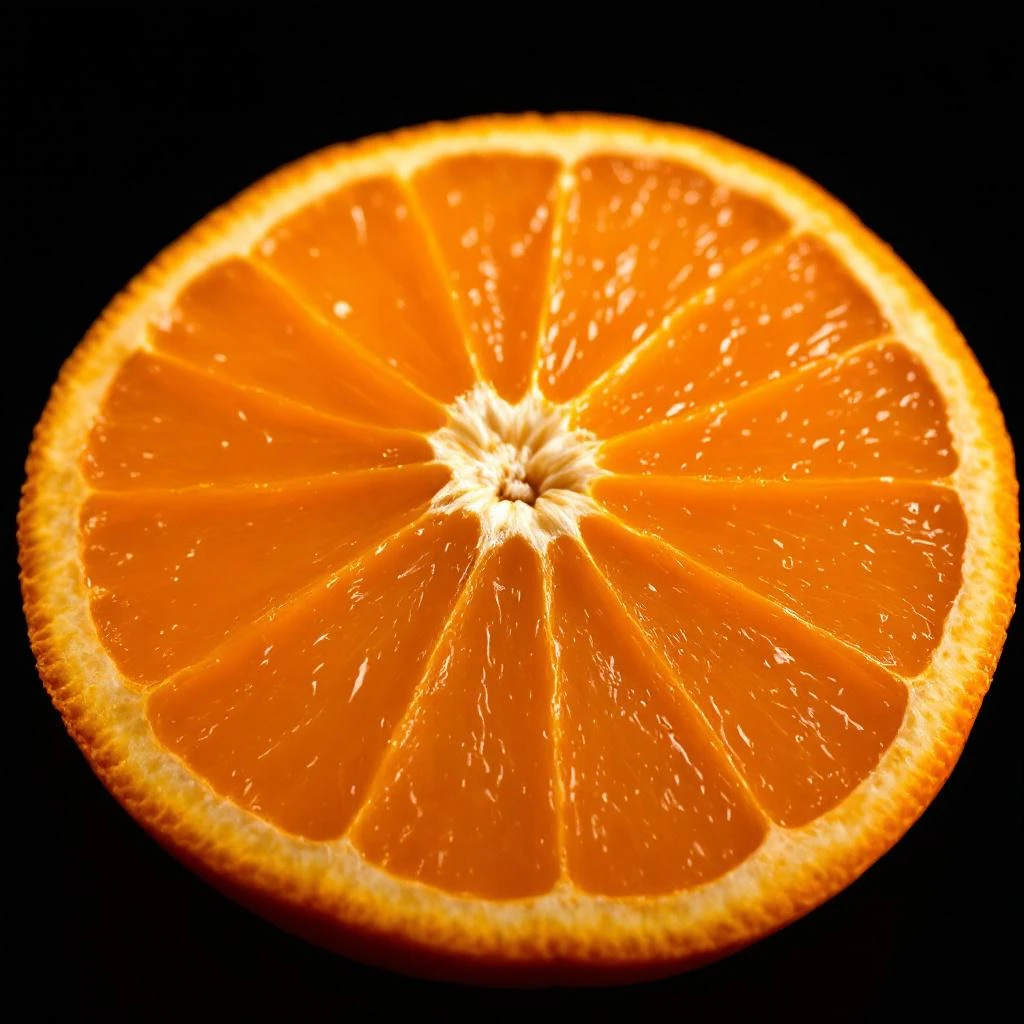
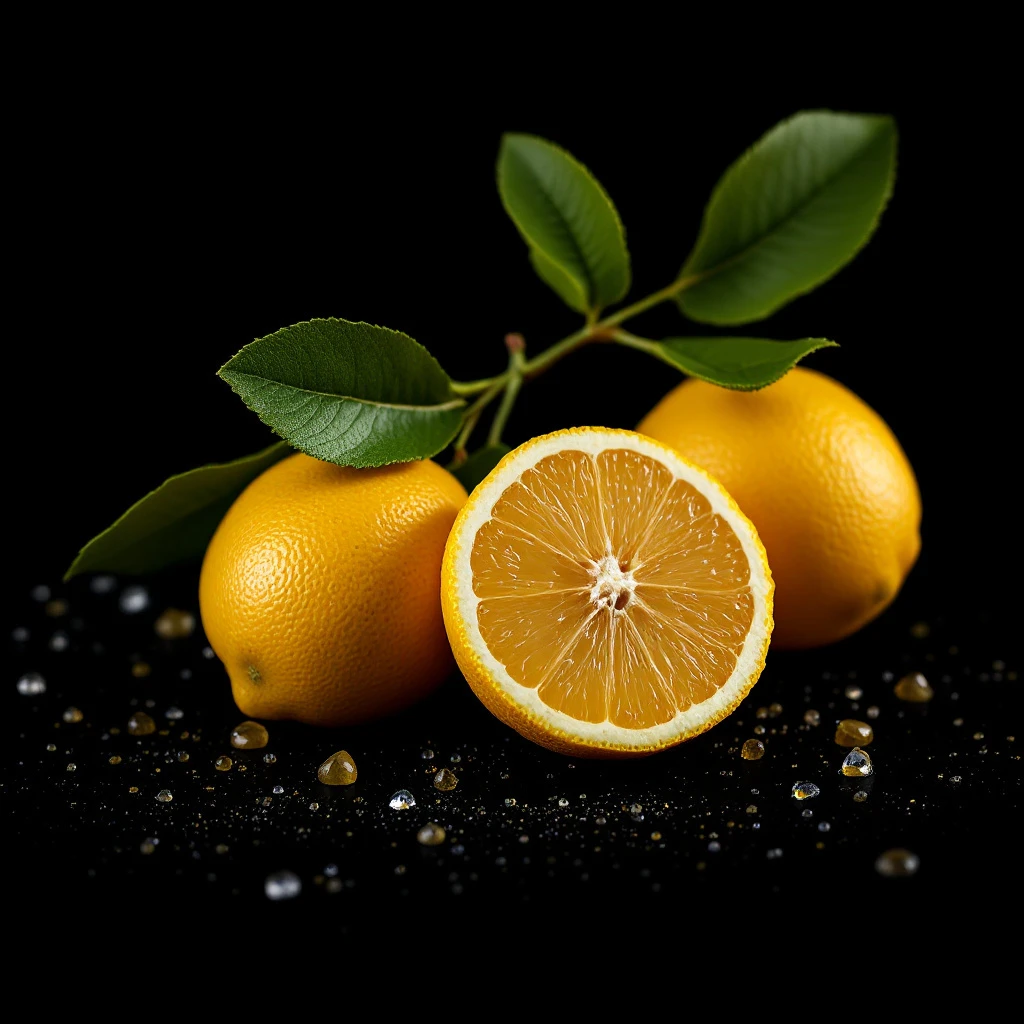
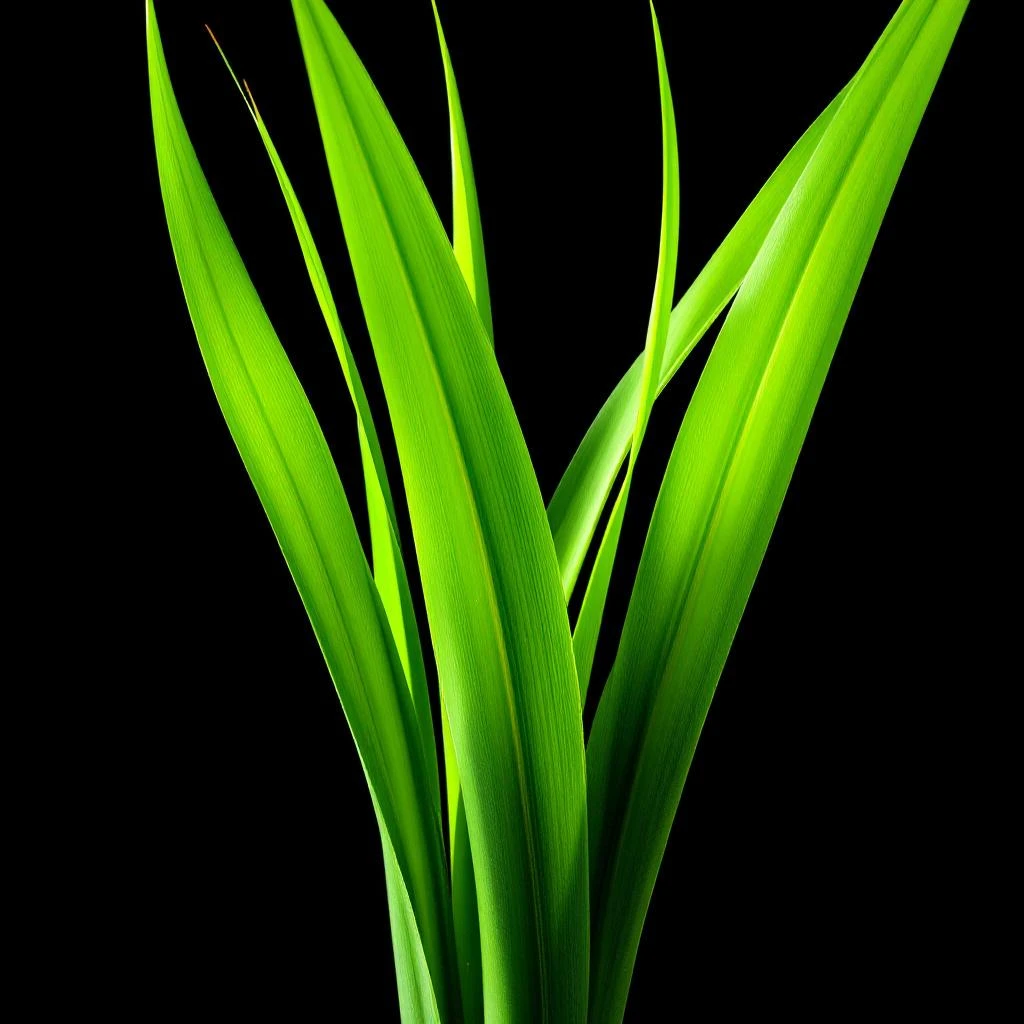
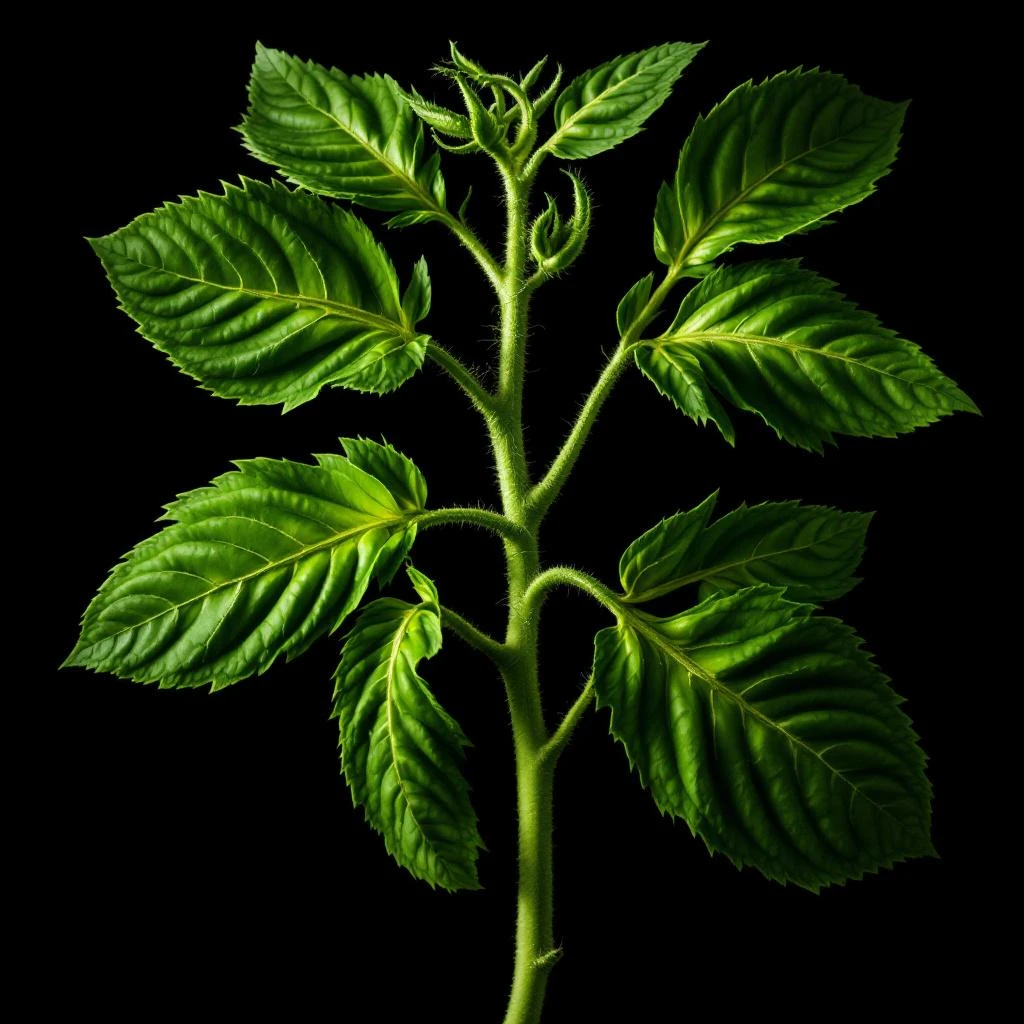
A duo extracted from the same Citrus bergamia tree: sun-warmed fruit peel yields bright citrus oil, while leafy twigs distill into green, woody petitgrain. Two facets of one Calabrian classic.
Character
How it smells
One tree, two scent stories
The 1714 Farina Archive holds the earliest known record of bergamot oil used as a fragrance ingredient, predating its rise in French perfumery.
Pairs beautifully with
Origin
Italy
Citrus bergamia traces its genetic lineage to Asia, originating in regions spanning northeast India, Myanmar, and southern China, where most Citrus species first evolved. The tree has been cultivated for roughly 600 years in Calabria, southern Italy, an area with uniquely suited volcanic soils and coastal microclimate.
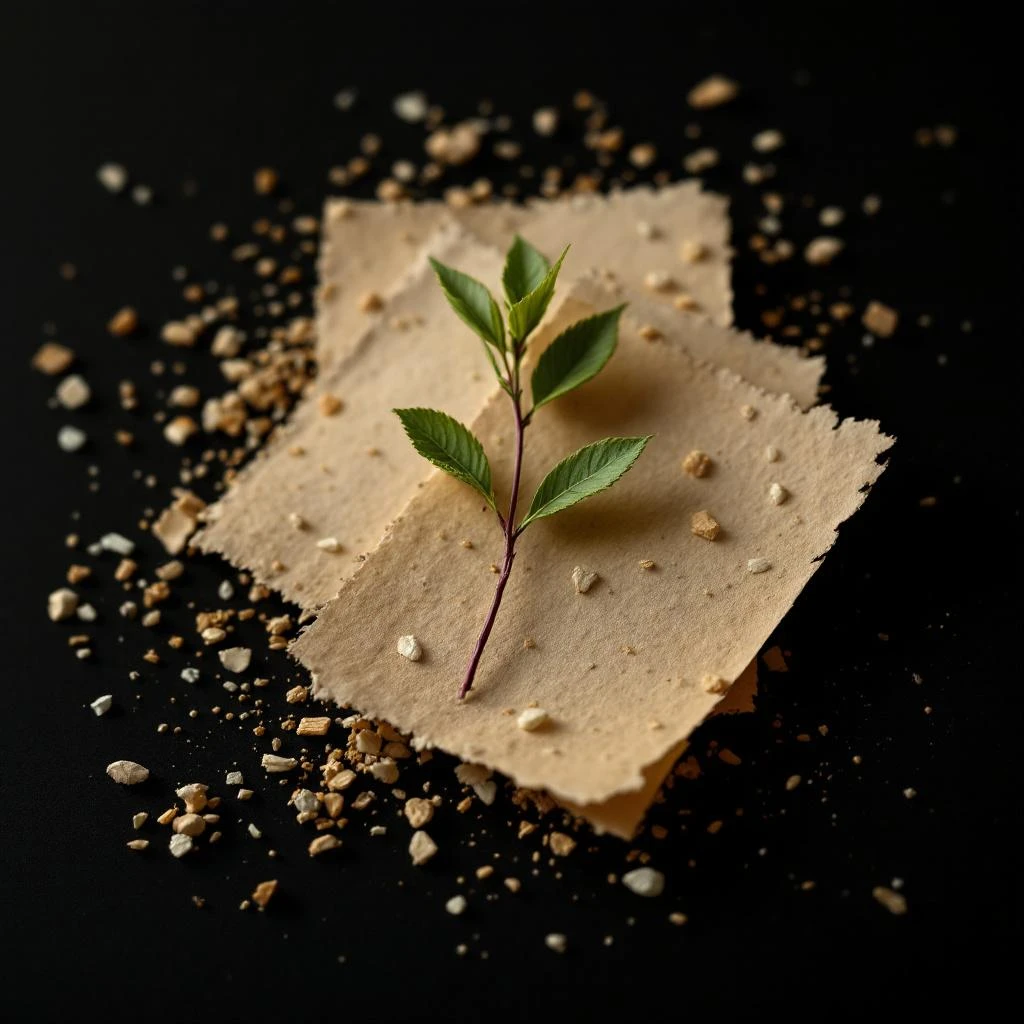
Before the fruit became a perfumery staple, bergamot peel served a different craft entirely. In the 17th century, "bergamots" were small decorative boxes made from the fruit's peel, produced in Calabria, Sicily, and even Grasse. The earliest recorded use of bergamot oil as a fragrance ingredient appears in the 1714 Farina Archive. By the 18th century, its bright, sparkling quality helped define classic Eau de Cologne constructions, and it remains a standard-bearer of hesperidic freshness in modern perfumery. Petitgrain oils from various citrus trees carry a parallel history, with the name derived from the small, unripe fruits once harvested alongside the leaves.
Wears it best
Fragrances featuring Bergamot Petitgrain
Brands
Brands known for Bergamot Petitgrain
Good to know
Questions, answered
The essentials on Bergamot Petitgrain in perfumery: how it smells, where it comes from, and how it behaves on skin.
What is bergamot petitgrain and how does it differ from regular bergamot oil?
Both come from the same Citrus bergamia tree. Bergamot oil is cold-expressed from the fruit peel, producing a bright, citrus aroma. Bergamot petitgrain is steam-distilled from the tree's leaves and twigs, yielding a greener, more woody and floral character.
Where is bergamot petitgrain produced?
Almost exclusively in Italy. Petitgrain oils from lemon, mandarin, and bergamot trees are produced in very limited amounts, with most concentrated in Italian growing regions rather than the larger Paraguay-based petitgrain production (which sources bitter orange).
What does bergamot petitgrain smell like?
It carries a green, slightly bitter, woody character with floral undertones, distinct from the sweet citrus brightness of the fruit's peel oil. Terroir, rainfall, and harvest timing all shape its final profile.
Is bergamot petitgrain the same as bitter orange petitgrain?
No. They are distinct materials. Bitter orange petitgrain (typically from Paraguay) comes from Citrus aurantium, while bergamot petitgrain comes from Citrus bergamia. Each has its own chemical signature and scent profile.
When was bergamot first used as a fragrance ingredient?
The earliest known use of bergamot oil as a fragrance ingredient was recorded in 1714 and can be found in the Farina Archive, predating its widespread adoption into 18th-century Eau de Cologne formulations.
Why is bergamot associated with Reggio di Calabria?
Citrus bergamia has been cultivated in Calabria for roughly 600 years. The region's volcanic soil and coastal climate create unique growing conditions, and today the area produces approximately 100 tonnes of bergamot oil annually.
What scents pair well with bergamot petitgrain?
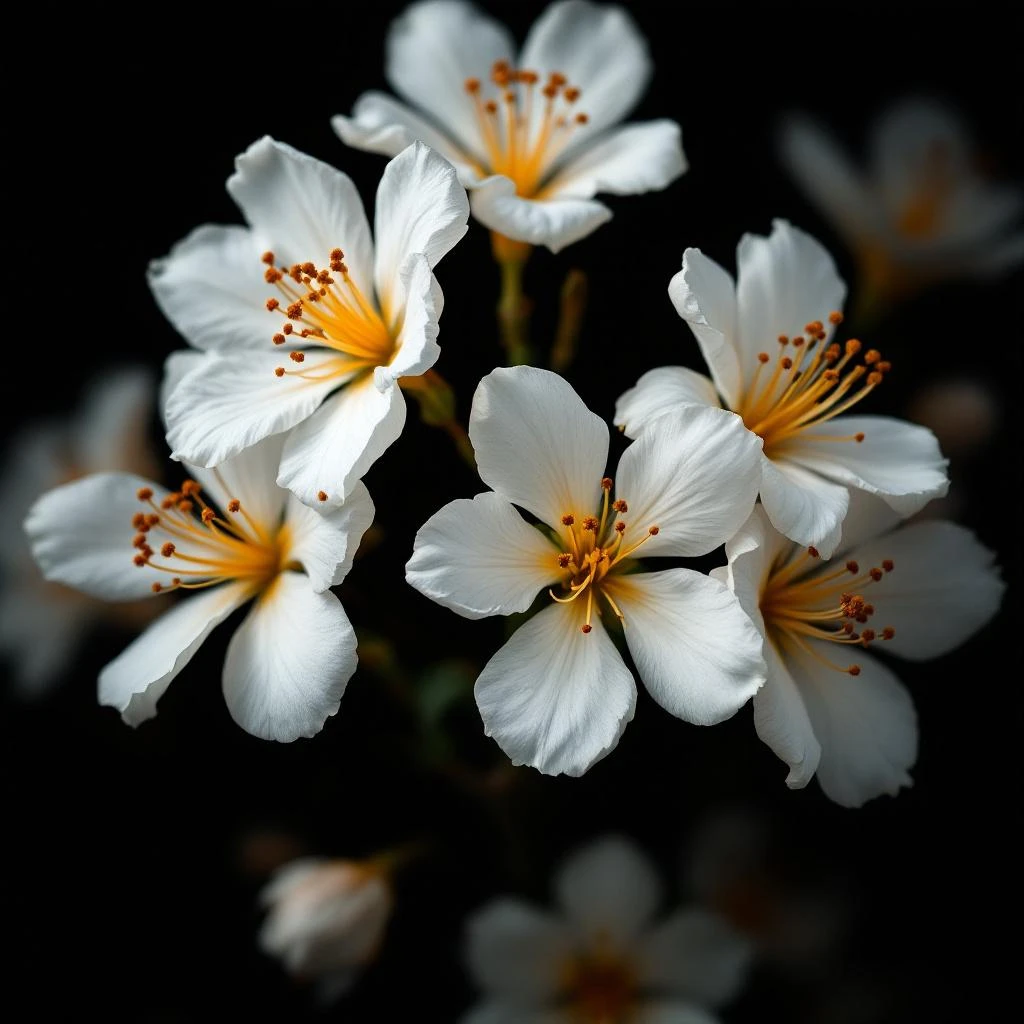
Bergamot petitgrain complements other green notes like violet leaf and galbanum, pairs naturally with neroli and orange flower, and adds a woody edge under floral absolutes such as jasmine and rose.
How does bergamot get its characteristic scent?
The peel oil's signature comes from compounds including linalool, linalyl acetate, and limonene. These same molecules appear in petitgrain but in different ratios, which is why the two materials smell distinct despite sharing a source.