

Heritage
A house, in its own words
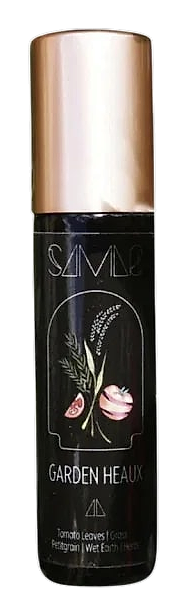
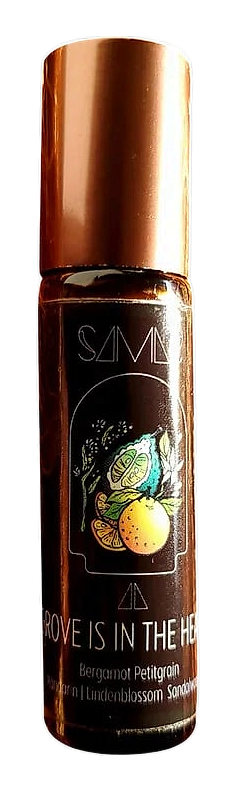
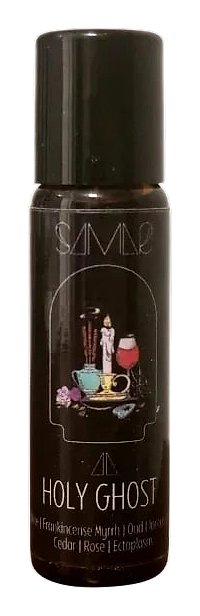
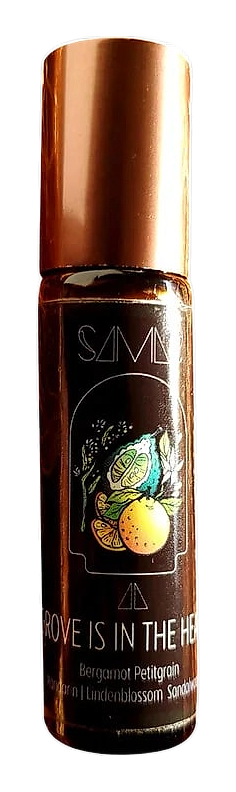
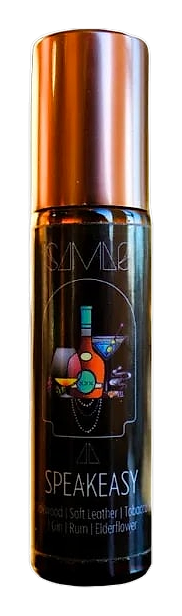
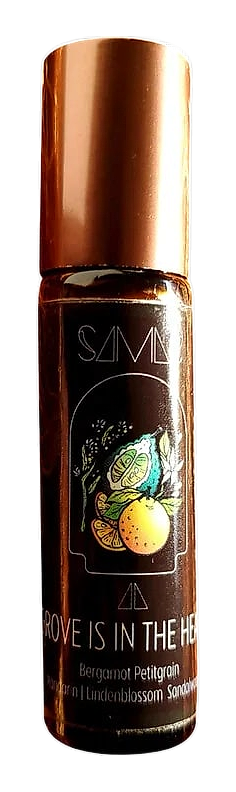
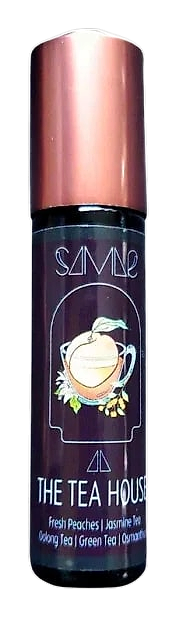
Samar began as a creative response to the founders' surroundings. Na-Moya Lawrence and Debbie Lin draw directly from the textures of their home in Washington state, where sun-warmed afternoons, rain-soaked gardens, and bustling tea rooms shaped an early reference point. The scent studio grew out of that personal geography, eventually relocating activity near 201 Broadway East, a stretch that anchors the brand in a tangible neighborhood rather than an abstract idea of luxury. From the start, Samar positioned itself against the polished archetypes dominating mainstream perfume marketing. Lawrence and Lin set out to make scents that felt intriguing and emotionally evocative, sidestepping familiar shortcuts like the so-called sexy Paris lady fragrance. Their debut work, The Tea House, captured that intention early, winning attention for its creamy, almost edible warmth and its ability to evoke a specific moment rather than a vague mood. The duo operates as an independent, award-recognized partnership rather than a sprawling house, and that scale shows in how directly their biographies thread through each release. Samar's evolution has been incremental and intentional, with each fragrance treated as a vignette worth lingering inside. The house remains small, collaborative, and rooted in a sense of place. Samar's creative vision centers on emotional specificity. Lawrence and Lin talk openly about wanting perfumes that make you feel things, a guiding principle that shapes everything from ingredient selection to naming. Rather than chase mass-market appeal or trend cycles, the duo builds compositions that read like short, immersive scenes, anchored in memory, weather, and atmosphere. A second pillar is the rejection of gendered fragrance marketing. Samar describes its oils as genderful, a term that signals inclusion without erasing nuance. The founders want wearers to choose scent based on resonance rather than category, treating each bottle as a mood or moment rather than a costume. The house also leans into what it calls uncanny realism, a sensibility where dreamlike suggestion meets recognizable detail. Their sub-project, The Scentuary, explores that liminal space between fantasy and lived experience. For Samar, a fragrance should feel transporting without becoming escapist, intimate without becoming precious. The result is a catalog built on mood pieces, each one offering a particular emotional temperature the wearer can step into.