The Story
Why it exists.
The beginning
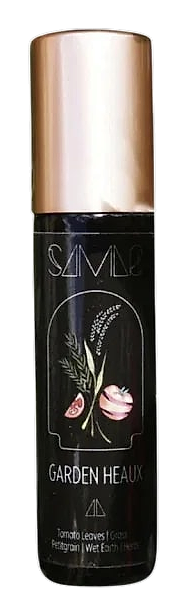
Garden Heaux arrived in 2022 from Samar, a small-batch perfumery known for its gender-fluid approach to scent-making. The house operates under the tagline 'uncanny realism and dreamy fantasy unite,' and Garden Heaux fits neatly within that philosophy. The composition draws on a vivid, almost cinematic image: a rain-soaked tomato garden at the height of summer, bursting with green life. The 2023 Institute for Art + Olaction Awards recognized it as a finalist in the Artisan Perfumery category, marking a return to specific, place-driven fragrance making in a category that often reaches for abstraction. It's the kind of scent that doesn't gesture vaguely at nature but commits to one corner of it, fully and without apology.
The composition leans on tomato leaf as its primary green voice, a material that carries a distinctive character: fuzzy, slightly spicy, vegetal in a way that reads as living plant rather than cut grass. Petitgrain bergamotier provides a bitter-citrus structure that keeps the green from feeling one-dimensional, while ylang-ylang arrives in a supporting role, softening the sharper herbal edges and preventing the whole from tipping into something that smells like a tossed salad.
The evolution
The opening is sharp, almost aggressive. Tomato leaf and grass hit first, that bright green that can read as almost mentholated to anyone unfamiliar with the actual plant. As the composition develops, things soften. Petitgrain's bitter rind settles in, the herbs unspool into something more herbal-tea than herbal-garden, and a quiet floral sweetness starts threading through, the ylang-ylang doing its quiet work of keeping things from tipping fully into vegetal territory. The drydown is where Garden Heaux becomes something else entirely. That soil accord takes over, and it doesn't smell like dirt as a concept. It smells like the moment after a storm, when the ground is still exhaling moisture and the worms are just under the surface.
Cultural impact
Garden Heaux was a 2023 finalist for the Institute for Art + Olfaction Award in Artisan Perfumery. The scent earns attention for committing so fully to a narrow set of materials: tomato leaf, ylang-ylang, petitgrain bergamotier, and a literal soil accord. Rather than building a conventional green fragrance, it stakes out territory around a very specific place and sensory experience, which makes it a distinctive entry in the artisan category.