
The Story
Why it exists.
The beginning
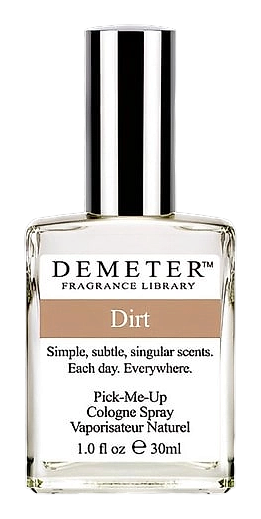
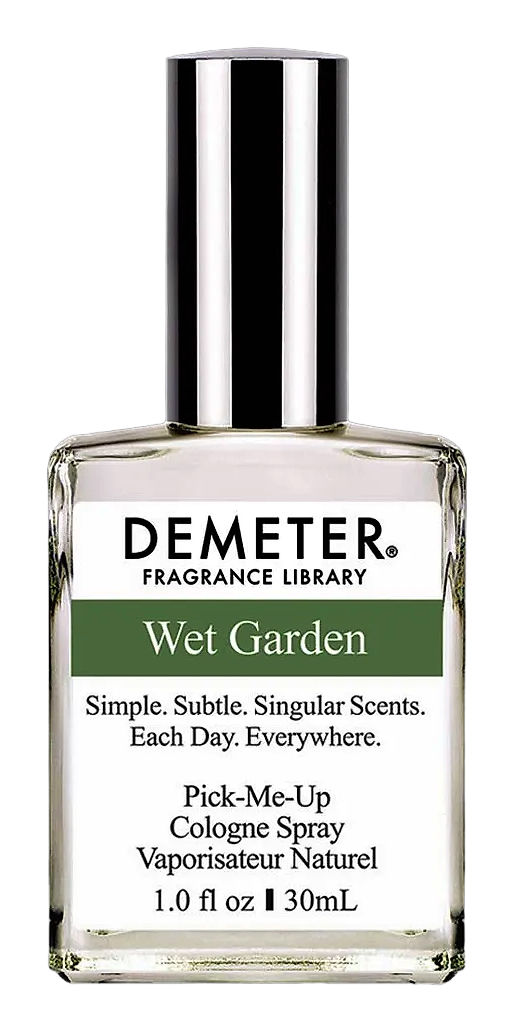
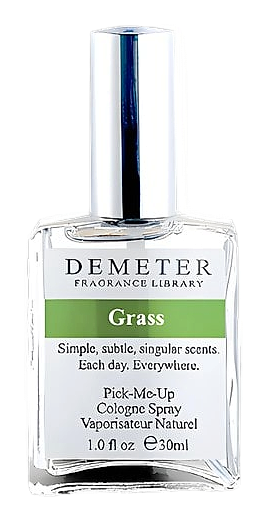
Grass arrived with the brand's founding in 1996, one of three original fragrances released alongside Dirt and Tomato. The concept was simple: take something everyday, something so familiar it barely registered as a smell, and make it wearable. The East Village founders believed that ordinary aromas deserved the same attention as rare materials. A lawn after it was cut, that was the brief. Not a green accord, not a interpretation. The thing itself, translated into a cologne you could put on skin.
What makes Grass work is its refusal to be anything but itself. Most fragrances layer notes to create something new. This one isolates a single smell and holds it there, green, sharp, sweet in the way a fresh-cut lawn is sweet, synthetic enough to last but honest enough to feel real. The fragrance doesn't pretend to be sophisticated. It doesn't need to be. It's a concept executed perfectly: the smell of Saturday morning, the mower running, the sun finally warm on your neck.
The evolution
The opening hits immediately, that sharp green bite of a blade just severed. For the first few minutes, it's almost too real, that fresh-cut smell with no buffer. Then the synthetic backbone settles in, and it becomes something you can actually wear, something that smells like standing in the center of your own yard mid-mow. The drydown quiets without disappearing. The green fades but a ghost of it remains, on your sleeves, in the air, the kind of scent that reminds you what you were doing an hour after you've stopped. Lasts four to six hours on most skin, closer to three if your skin runs dry.
Cultural impact
Grass occupies a strange position in the fragrance world, more concept than perfume, more conversation piece than daily wearer. It shows up in lists of unusual fragrances precisely because it does exactly what it says: it smells like grass. Demeter's catalog is full of these oddities, but Grass remains the most literal, the most polarizing, the most honest. Some people buy it as a room spray. Some wear it ironically. Some love it without irony. That's the Demeter effect, take something ordinary, make it wearable, and let people decide what it means to them.