Belanis
Belanis bridges traditional perfumery with modern biotechnology. This semi-synthetic aromatic compound delivers a warm, complex scent profile once achievable only through rare natural materials. Perfumers value it for its controlled consistency and sustainable production.
Character
How it smells
The modern warm amber that bridges old and new.
Each batch of Belanis produces an almost identical aroma profile, eliminating the seasonal variation found in naturals.


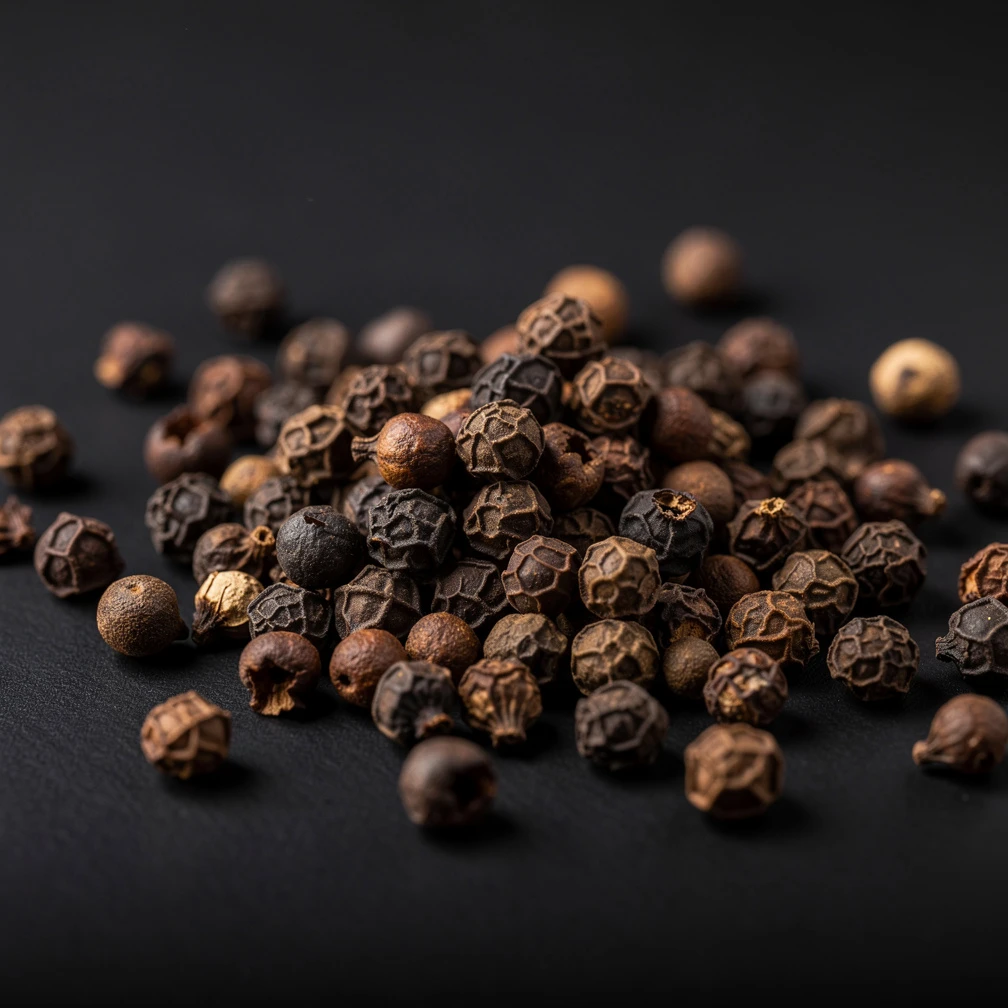

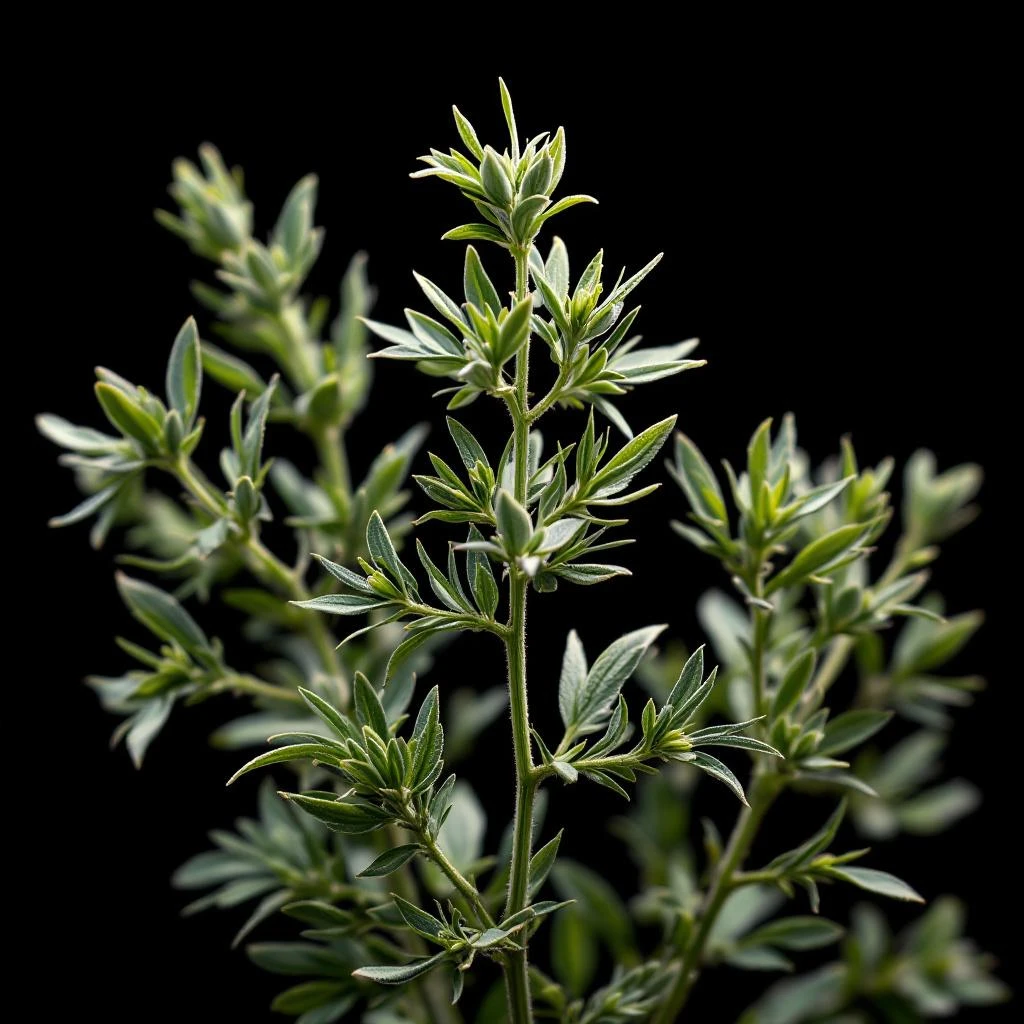
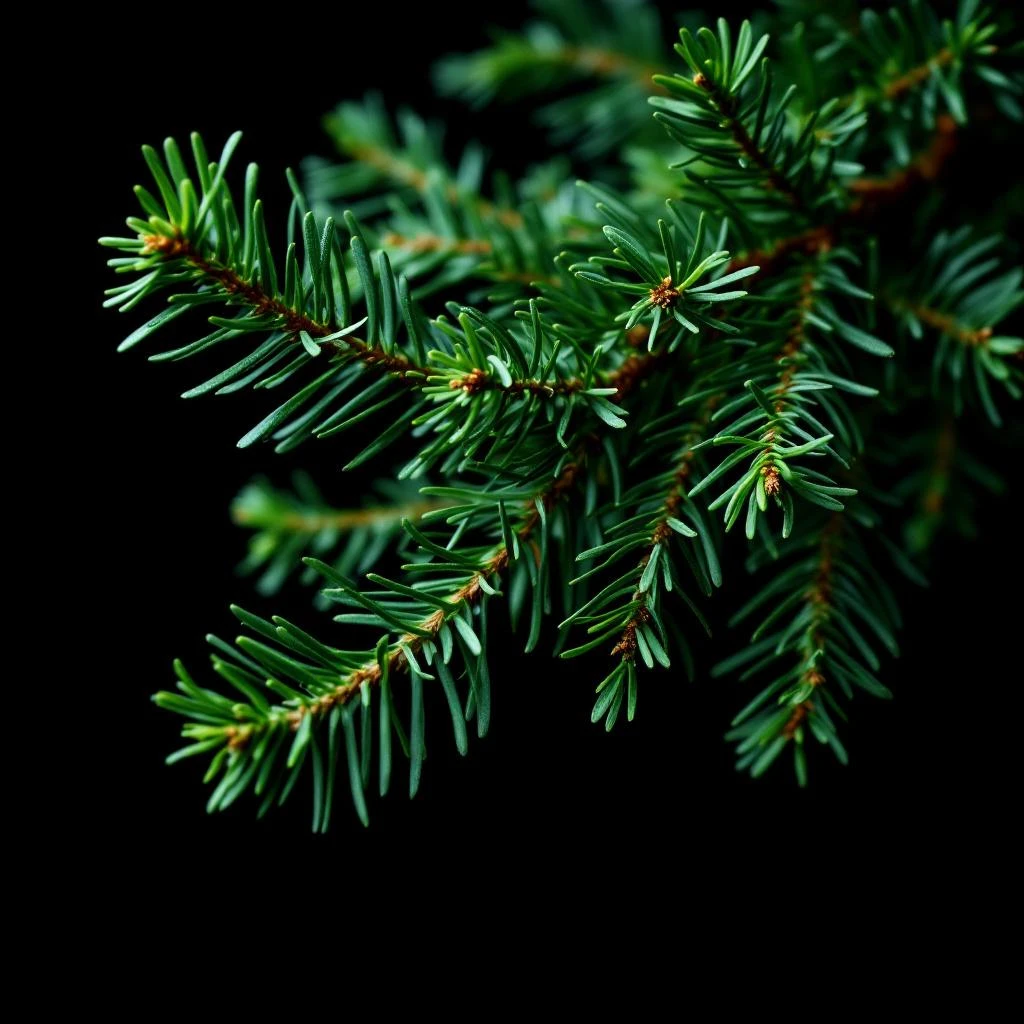
Origin
Morocco
Fragrance ingredients shaped by Middle Eastern and North African traditions influenced Belanis development. For centuries, perfumers in regions spanning from Yemen to Morocco worked with materi als like ambergris, oud, and various resinous plants, creating warm, persistent base notes.
These traditional accords inspired modern chemists to investigate sustainable alternatives. When organic synthesis transformed perfumery in the late nineteenth century, synthetic alternatives gradually became viable, though early versions often lacked the complexity of natural base notes.
Belanis represents the next generation of these efforts, combining botanical wisdom with sustainable production methodology. The compound pays homage to the warm, enveloping qualities perfumers have sought since the earliest Arabic perfume traditions.
Wears it best
Fragrances featuring Belanis
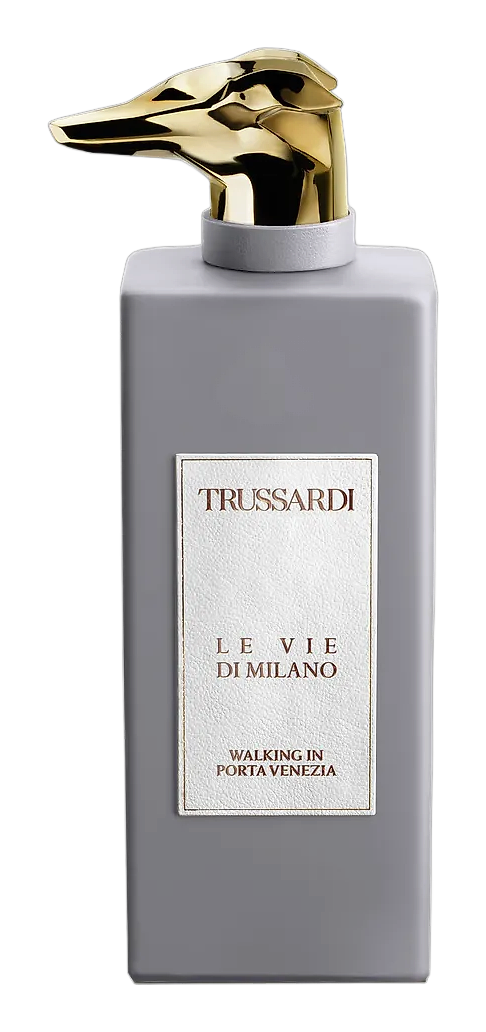
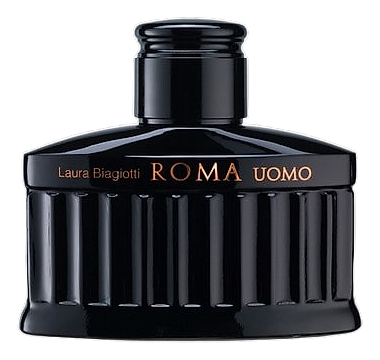
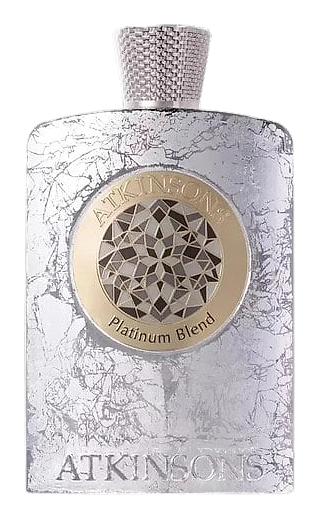
Brands
Brands known for Belanis
Good to know
Questions, answered
The essentials on Belanis in perfumery: how it smells, where it comes from, and how it behaves on skin.
What does Belanis smell like?
Belanis offers a warm, ambery profile with soft floral undertones. It reads as enveloping and slightly sweet, often compared to traditional base notes but with a cleaner, more modern character.
Is Belanis a natural or synthetic ingredient?
Belanis is semi-synthetic, derived from botanical precursors processed through controlled organic synthesis. This approach combines natural origin materials with modern chemistry to achieve consistent aromatic performance.
What makes Belanis stand out from traditional amber note materials?
Traditional amber notes depend on natural materials prone to seasonal variation and availability constraints. Belanis delivers consistent aroma profile batch after batch while maintaining a warm, complex sensory character.
In what types of fragrances is Belanis most commonly used?
Perfumers position Belanis in the base note register where warmth and longevity matter. It appears frequently in oriental fragrances, woody compositions, and amber-forward blends where it acts as a fixative to extend wear.
What concentration levels do perfumers typically use for Belanis?
Formulation guidelines recommend usage levels up to 15% within fragrance concentrate, though actual amounts vary based on the intended scent profile and other materials in the blend.
How is Belanis typically described in perfumery literature?
Treated as a modern aromatic material, Belanis appears in perfumer formulation guides as a warm base note with ambery qualities and subtle florality. Its semi-synthetic classification reflects its production origin.
Can I substitute other ingredients for Belanis in perfume formulations?
No direct substitute matches Belanis precisely due to its controlled synthesis. Ingredients like labdanum absolute or synthetic amber compounds approximate parts of its profile, though none replicate its exact character.
Is Belanis safe for home fragrance use?
When used within established industry concentration guidelines, Belanis meets safety standards for home fragrance applications. Always follow specific product formulation instructions and dilution recommendations.