Beer
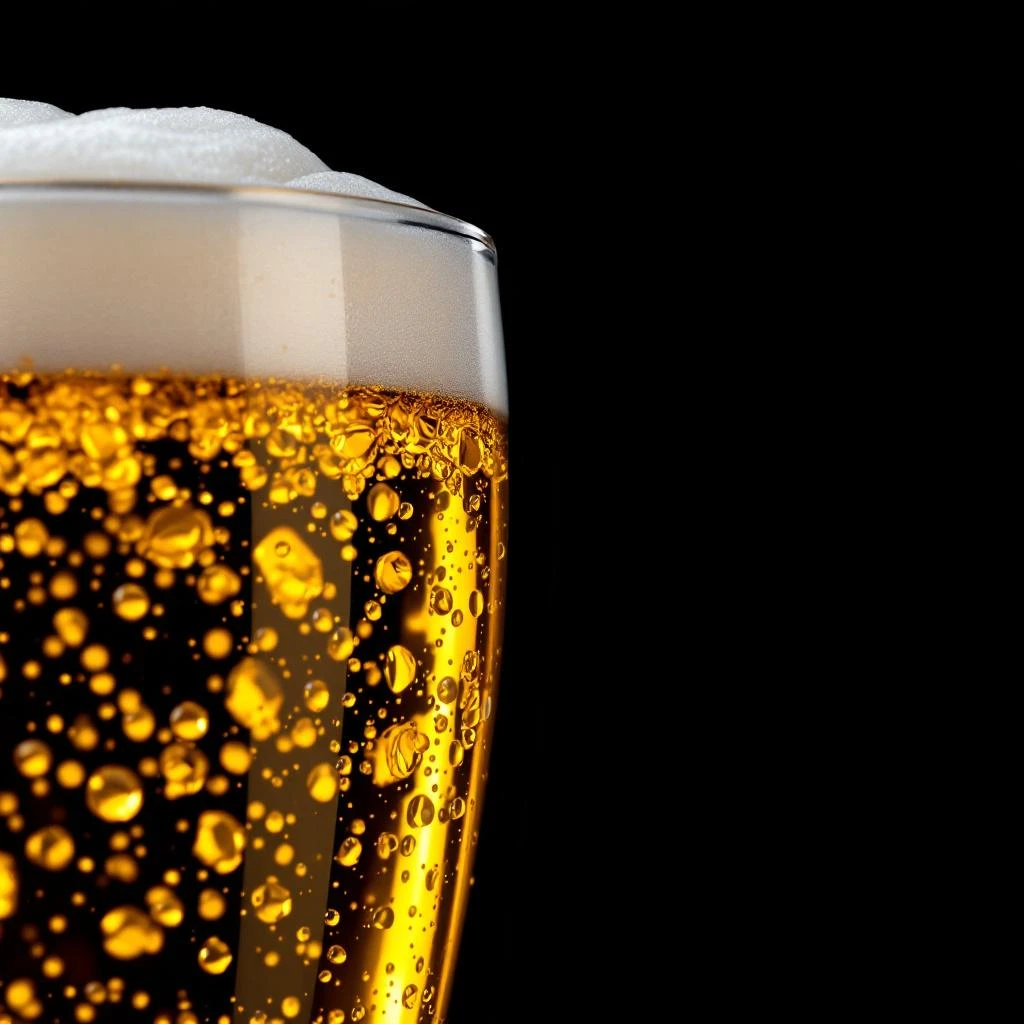
Beer note in perfumery captures the warm, malty sweetness of fermented grain with subtle bready, hoppy undertones. A gourmand accord that adds comforting, lived-in depth to compositions.
Character
How it smells
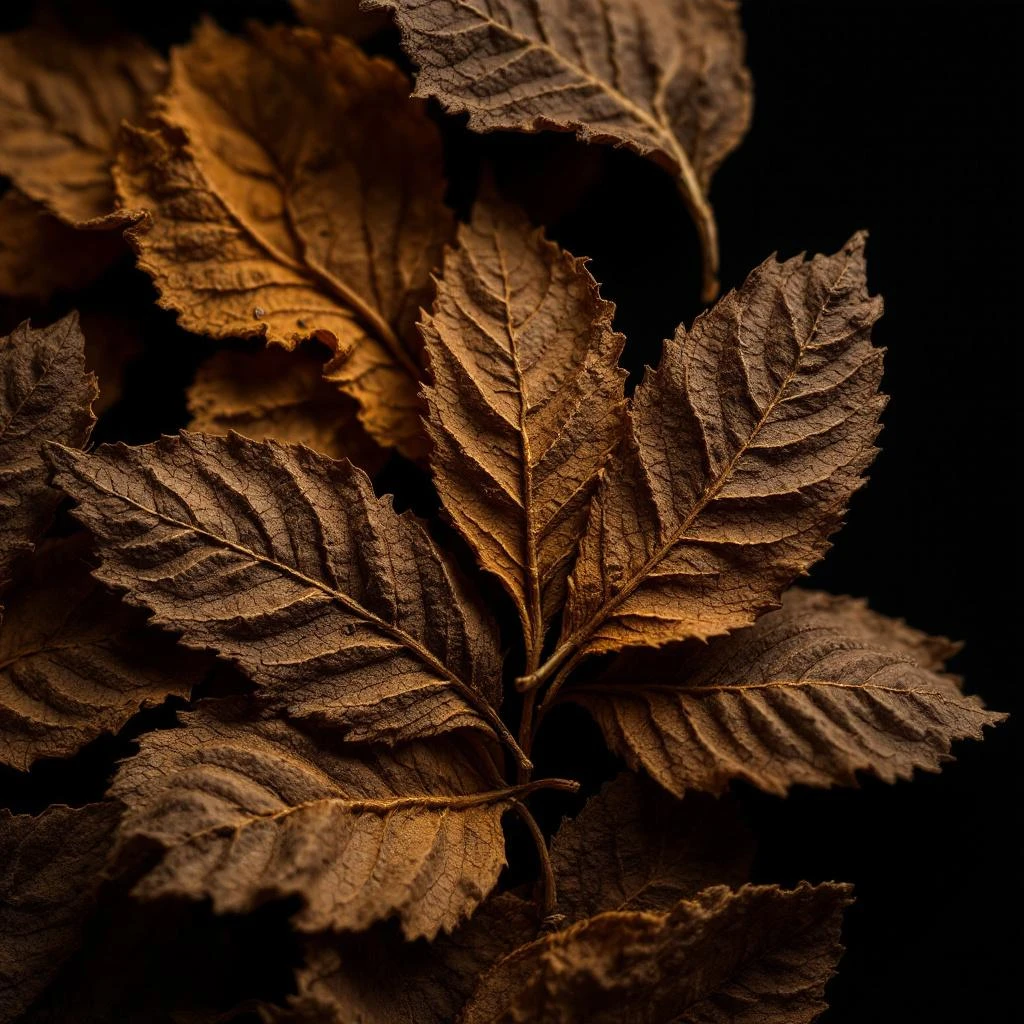
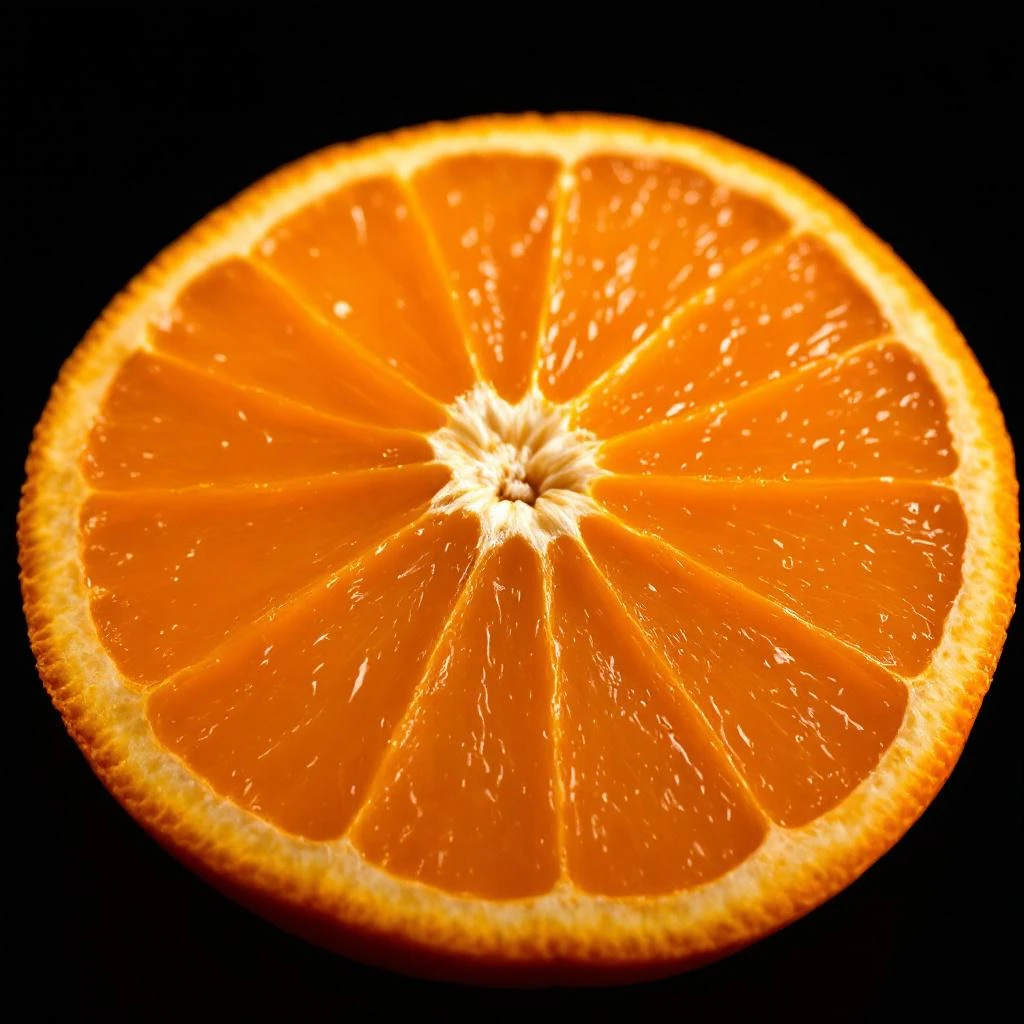
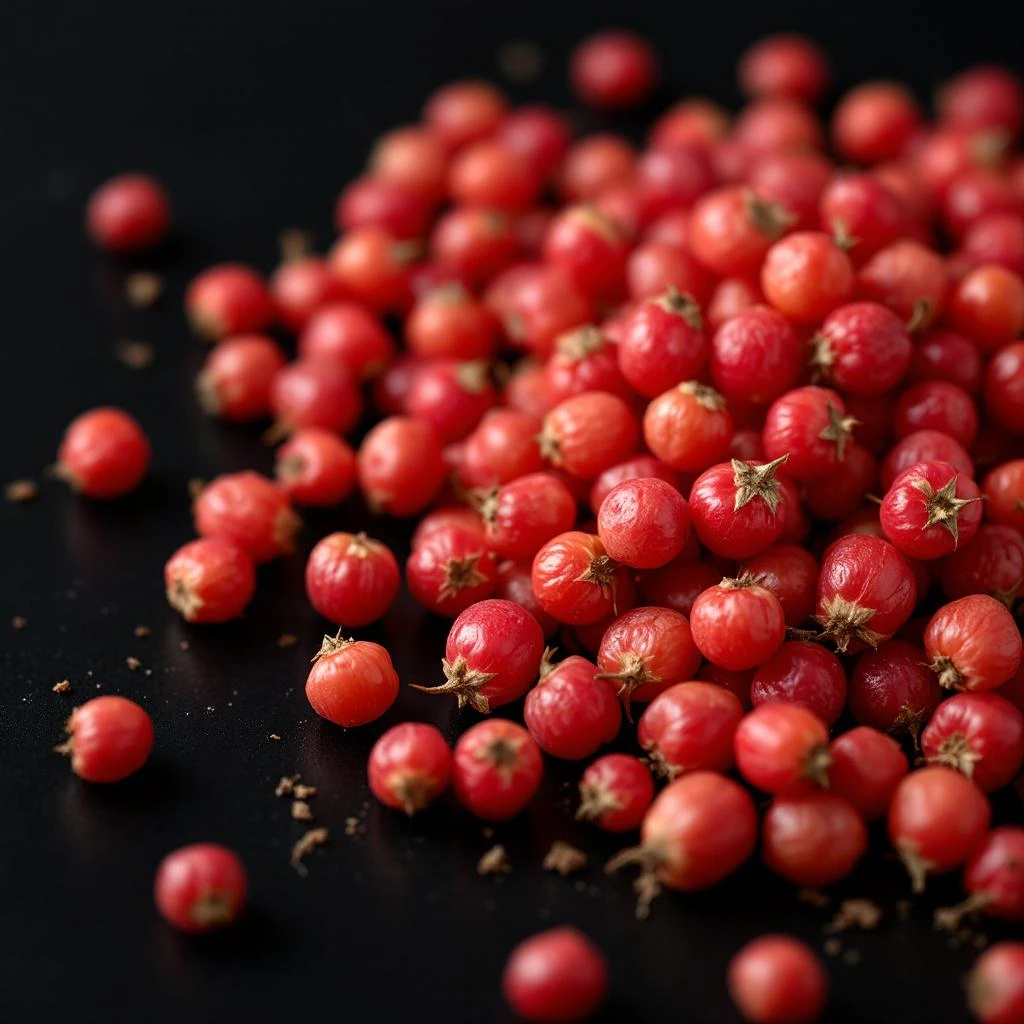
Malt, yeast, and a whisper of hops
Beer accord in perfumery is almost always reconstructed synthetically, because actual fermented beer contains too many volatile fatty acids that turn rancid quickly on skin.






Origin
Global (concept origin)
Beer and perfume share an ancient crossroads in fermentation science. The earliest evidence of fermented grain beverages dates to around 13,000 years ago at Raqefet Cave in Israel, where a team of archaeologists identified a natufian brew in 2018. While beer itself was never distilled into a perfume ingredient the way rose or oud was, fermented grain washes appeared in ritual anointing practices across Mesopotamia and Egypt.
Brewers and perfumers both relied on the same techniques of maceration and infusion. The beer accord as a recognizable modern fragrance note emerged in niche perfumery during the 2000s, when gourmands grew popular. Independent perfumers began experimenting with boozy themes, and beer became a natural extension of the whisky and rum notes already in rotation.
Today it signals an artisanal, almost culinary approach to scent design, celebrating the chemistry of fermentation rather than distilling any actual beverage.
Wears it best
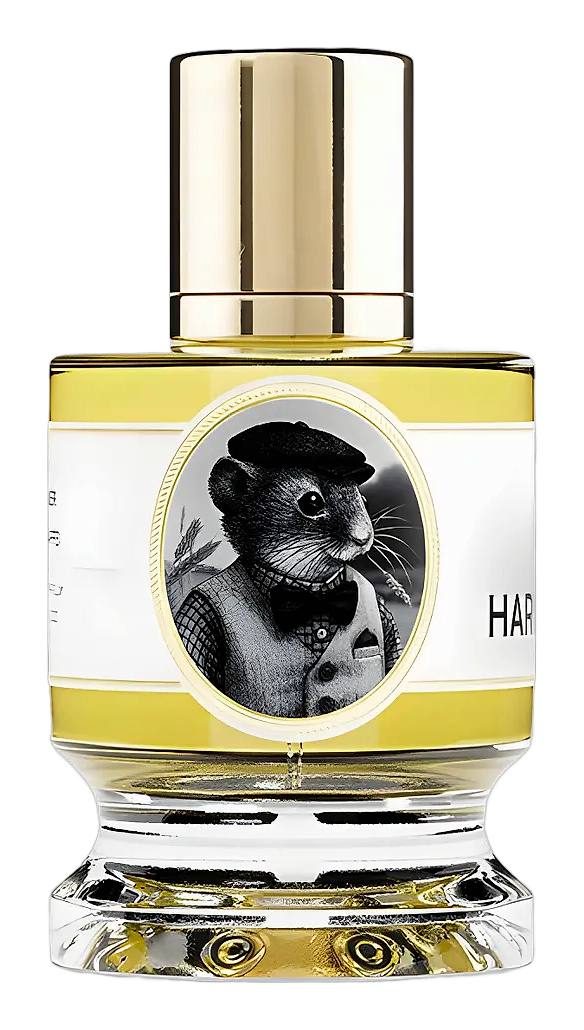
Fragrances featuring Beer
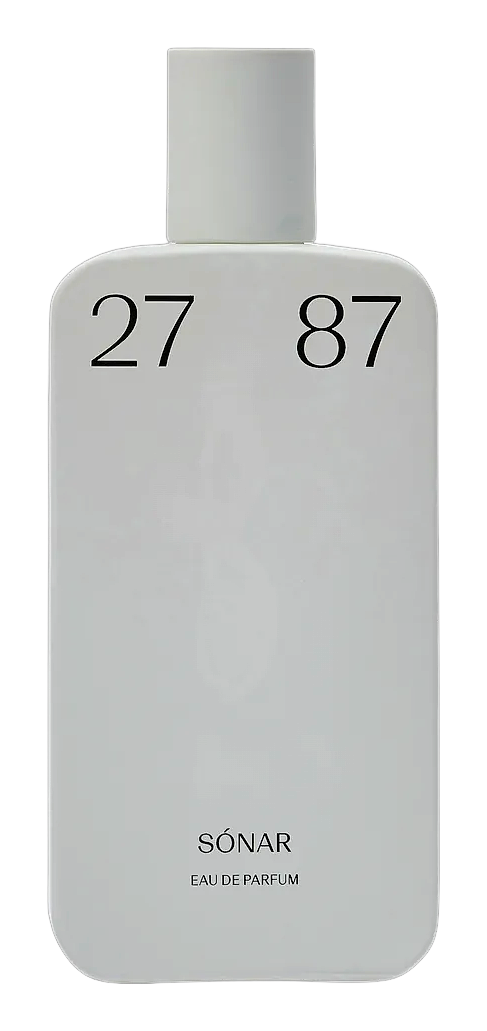
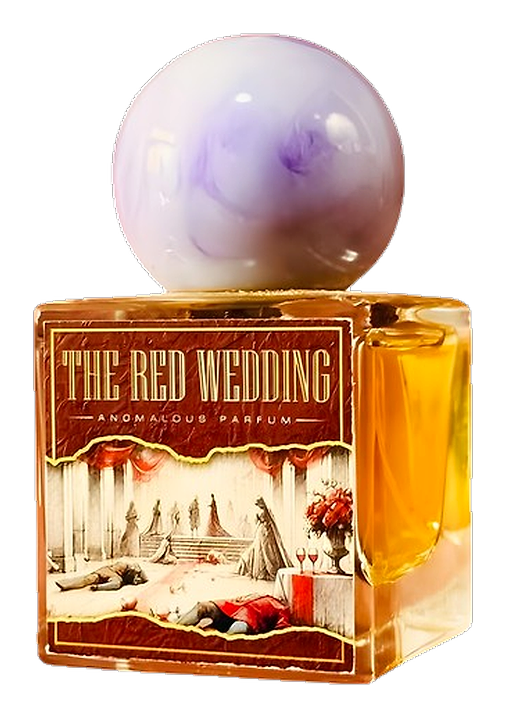
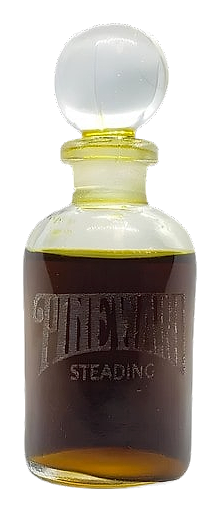
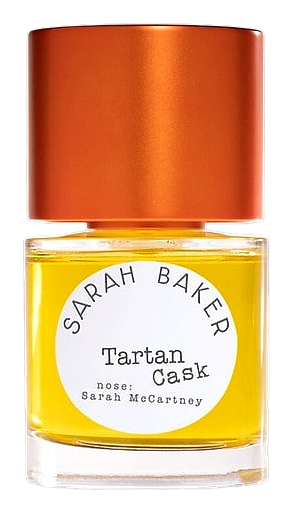
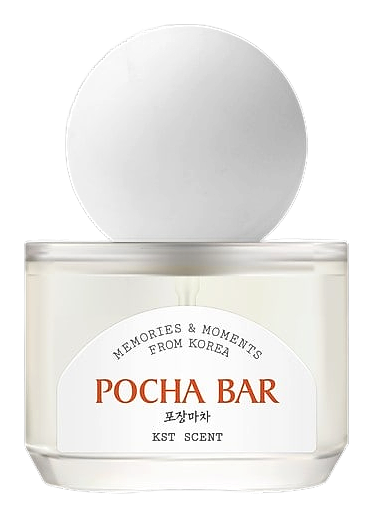
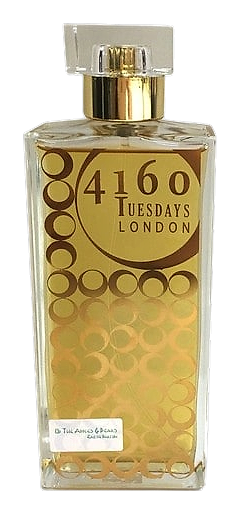
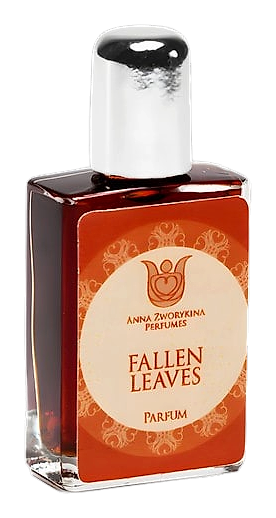
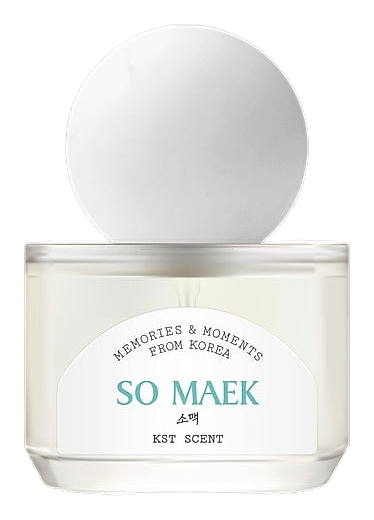
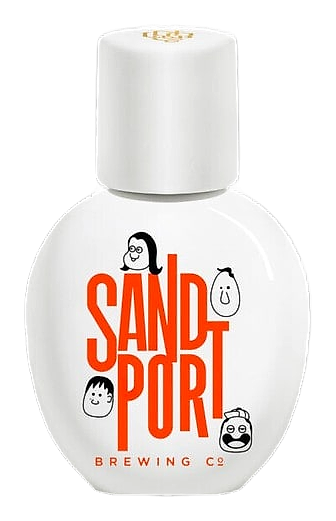
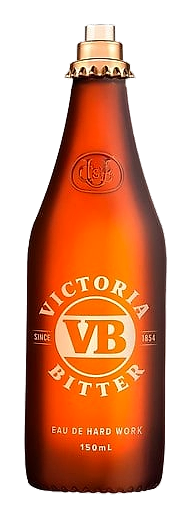
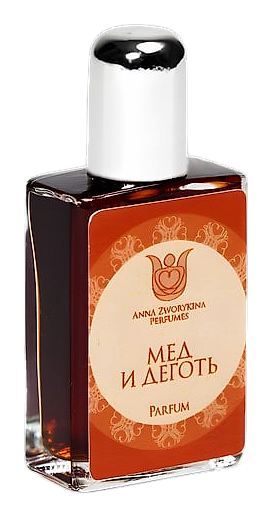
Brands
Brands known for Beer
Good to know
Questions, answered
The essentials on Beer in perfumery: how it smells, where it comes from, and how it behaves on skin.
What does the beer note smell like in perfume?
Beer accord in fragrance smells warm and malty, with bready caramel sweetness, a soft fruity yeastiness, and a faint hoppy bitterness. It reads as boozy and comforting rather than literally beery, usually softened by vanilla or amber bases.
Is beer note made from real beer?
Almost never. Perfumers reconstruct the scent using aroma chemicals like maltol, isoamyl acetate, and humulene. Real fermented beer oxidizes quickly on skin and introduces rancid fatty acid notes that destabilize a composition.
When was beer first used in perfumery?
The beer accord became a recognized niche fragrance note in the early 2000s, alongside the rise of gourmand compositions. Earlier boozy notes like whisky and rum paved the way for perfumers to experiment with fermented grain accords.
What fragrance families feature beer note?
Beer appears primarily in gourmand and boozy fragrance families, often paired with vanilla, caramel, leather, and amber. It occasionally surfaces in unisex aromatic compositions where a rustic, breadlike warmth adds grounding character.
Does beer note last long on skin?
Beer accords typically fall in the heart-to-base range, lasting three to six hours depending on formulation. Maltol and ethyl maltol extend longevity, while the volatile top notes like isoamyl acetate fade within the first hour.
Is beer note natural or synthetic?
Beer note is virtually always synthetic in modern perfumery. No commercially viable natural extraction exists, because beer is a fermented liquid product rather than a distillable botanical material like flowers or woods.
Which perfumes famously use the beer note?
Several indie and niche houses have released beer-themed compositions, including fragrances inspired by stout, lager, and ale profiles. Mainstream designer releases featuring pronounced beer accords remain relatively uncommon as of 2026.
Can you make beer perfume at home?
Yes, hobbyists can steep flat beer in high-proof ethanol for two weeks, then filter and dilute. Results are short-lived because natural beer compounds oxidize rapidly, but it offers an accessible entry point for experimental perfumery.