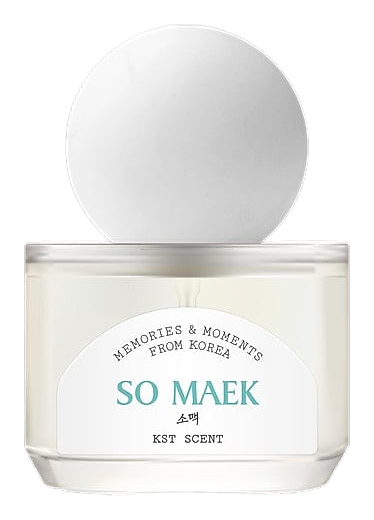

The Story
Why it exists.
The beginning
So Maek takes its name from the Korean drinking session itself, soju plus maekju, the word for beer. It's the smell of that specific social ritual: the table crowded with small dishes, the pour-and-clink, the way the evening just keeps going. Perfumer James Nguyen built this around the opening that no one else is doing, an alcoholic brightness that doesn't try to hide what it is. The question was whether it could be worn, not just remembered. It can.
What makes the composition unusual is how it handles that boozy opening. Beer and soju aren't metaphorical here, they're literal, the way alcohol actually smells when it hits air, cold glass and all. Most fragrances hint at 'boozy' with rum or whiskey, something sweet and warm. This goes the other direction: sharp, slightly acrid, undeniably alcoholic. The ginseng and green tea that follow are doing corrective work, turning the wild first minutes into something wearable and actually interesting. It's a fragrance about contrast, about the gap between the initial impression and what remains.
The evolution
The opening hits immediately: beer first, then soju. Yeasty, bready, with a bitter hop edge cutting through the alcohol. That fizz-bright quality lasts maybe 15 minutes before both notes start to recede, faster than expected, actually. Then ginseng takes over. Earthy, root-like, slightly bitter. The green tea arrives about 30 minutes in, adding an astringent, leafy freshness that cuts the ginseng's weight. Together they form a quiet herbal heart that lasts the longest part of the wear, three to four hours of something meditative and clean. The drydown is where tobacco enters. Not sweet tobacco, not a vanilla-tobacco, dry, slightly smoky, like the air after a night out. White musk softens it just enough to keep it close to the skin. The entire evolution reads as a progression from a specific moment to a general feeling: that exhale at the end of the night, still warm, still carrying traces of everything that came before. On fabric, the tobacco and musk linger for over a day. On skin, plan for 5-6 hours with moderate sillage, present but not announcing itself.
Cultural impact
So Maek arrived in the Korean indie scene as a direct challenge to how drinking culture gets romanticized in fragrance, usually as vanilla-warm rum or whiskey sweetness. This one doesn't apologize for the actual smell of alcohol. Early reception has been divided in the way the best fragrances always are: the opening either hooks immediately or takes getting used to. What's consistent is what happens after, the ginseng-green tea heart keeps people around.
The House
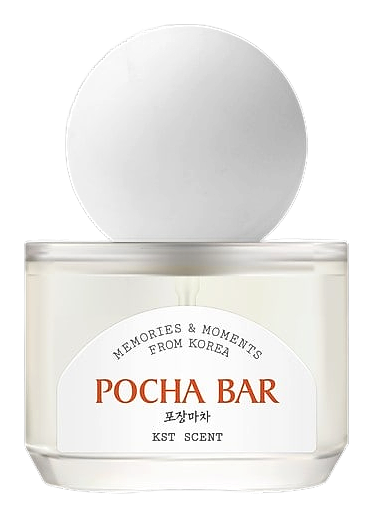
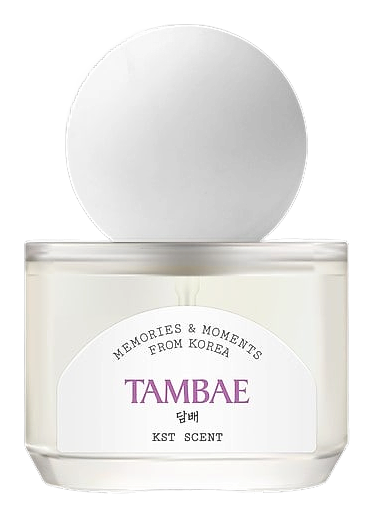
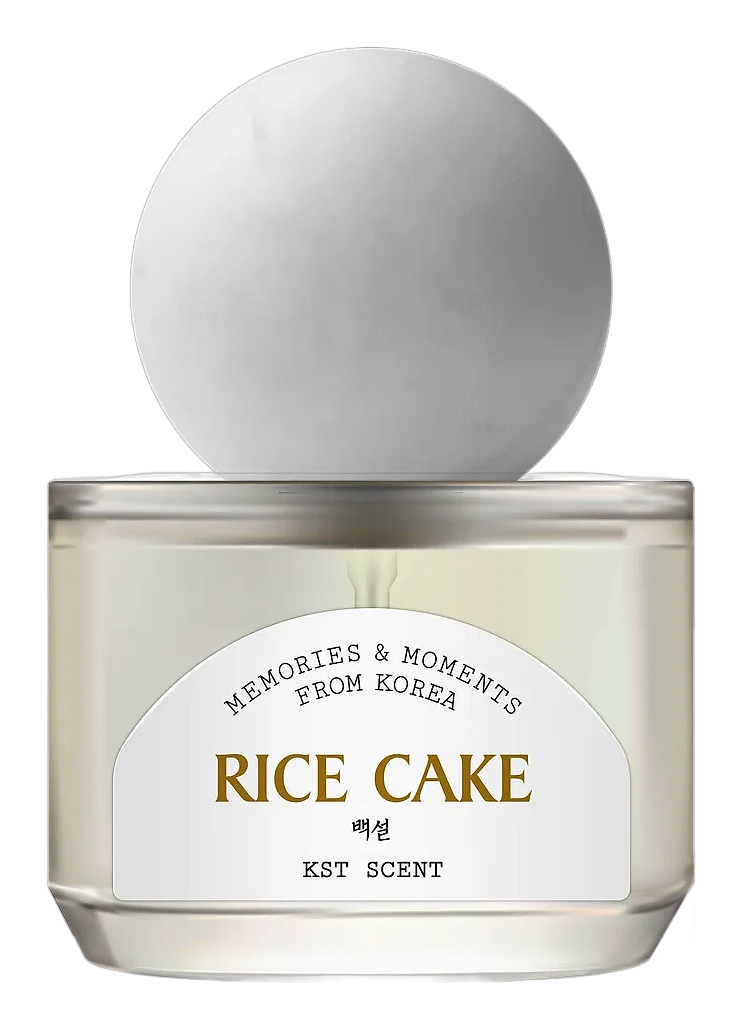
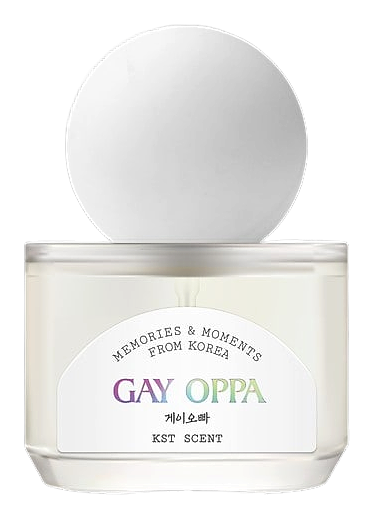
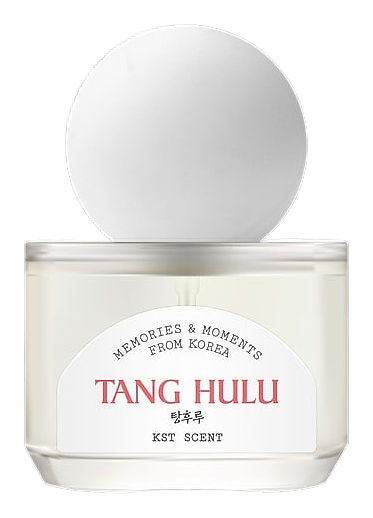
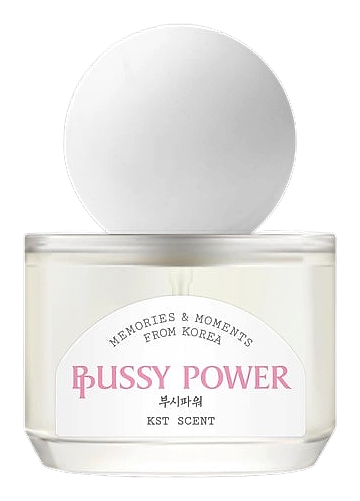
KST SCENTKST SCENT is a Seoul-based independent fragrance house founded in December 2024 by creative director Kael Jeong and perfumer James Nguyen. The brand creates gender-fluid scents rooted in Korean cultural memory, recontextualized through a contemporary queer lens. KST SCENT operates in collaboration with d.grayi, sharing a unified creative direction that draws from both Vietnamese and Korean heritage. The house is distributed through stockists in New York, Taipei, and Ho Chi Minh City, and is recognized as one of the more provocative voices in the emerging Korean indie fragrance scene. Its catalog spans bold, playful, and often ironic fragrance titles alongside carefully constructed olfactory narratives that challenge conventional perfumery categories. KST SCENT describes itself as a small independent house built from memory, culture, and scent, with a stated commitment to approaching fragrance as a form of cultural storytelling rather than commercial product.
The Creator
James NguyenNguyen favors minimalist structures that let a few high‑quality ingredients speak loudly. He builds foundations with natural amber, white musk and sustainably sourced sandalwood, then adds a single accent—often a spice such as cardamom or a citrus peel—to create depth without…