Bearberry
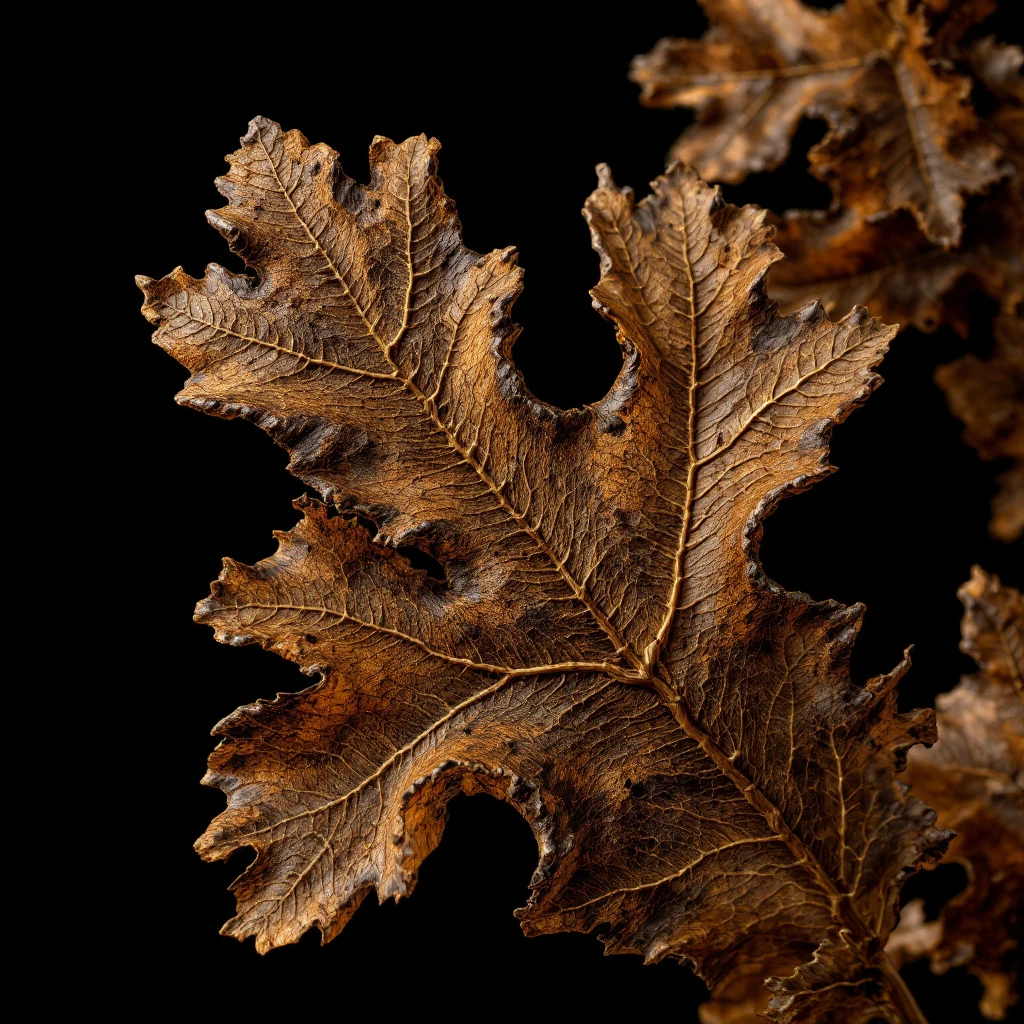
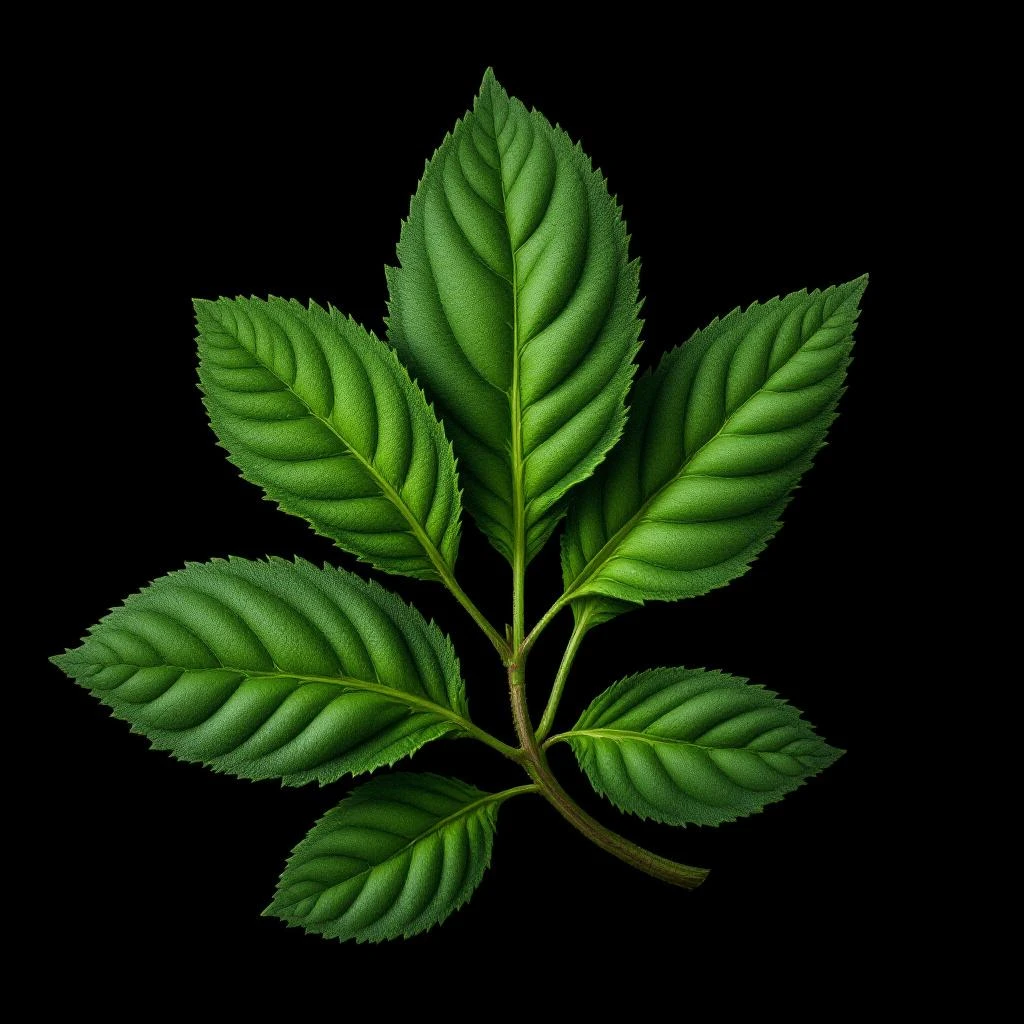
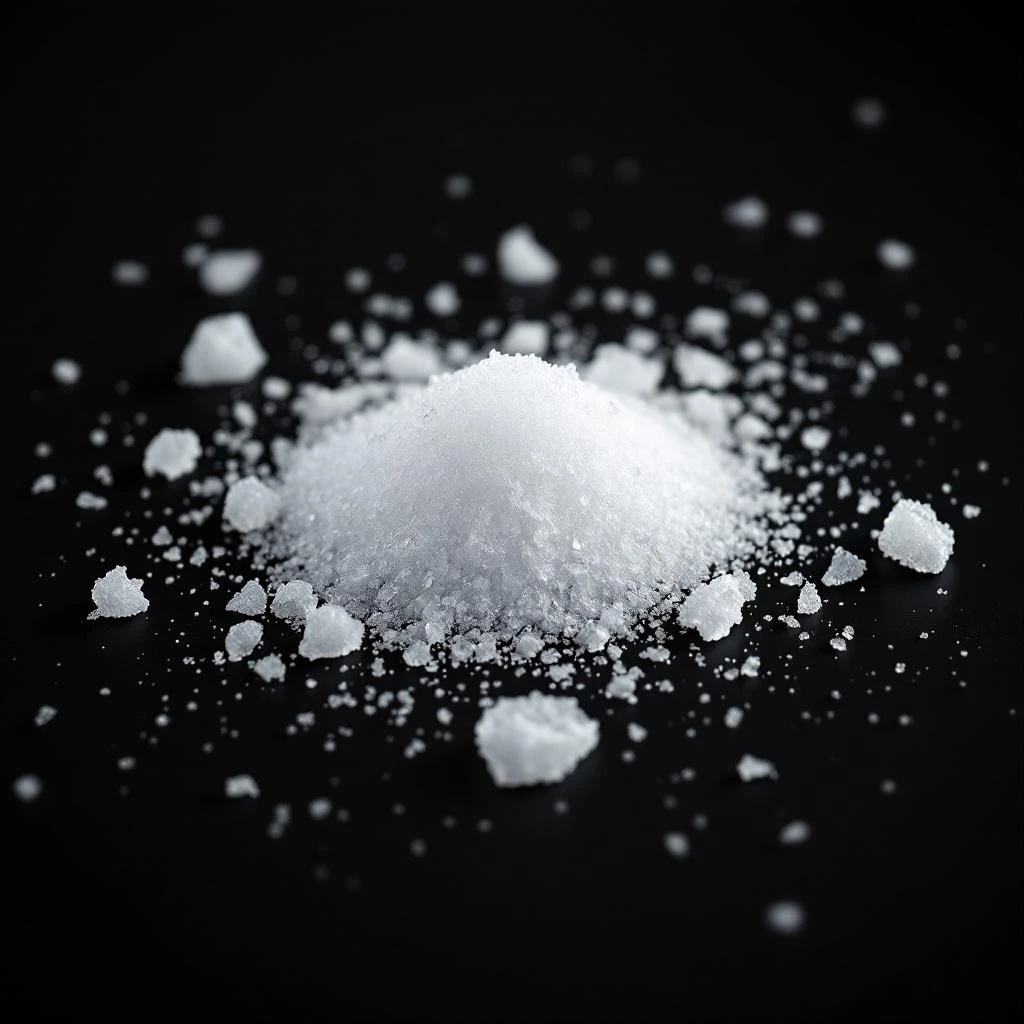
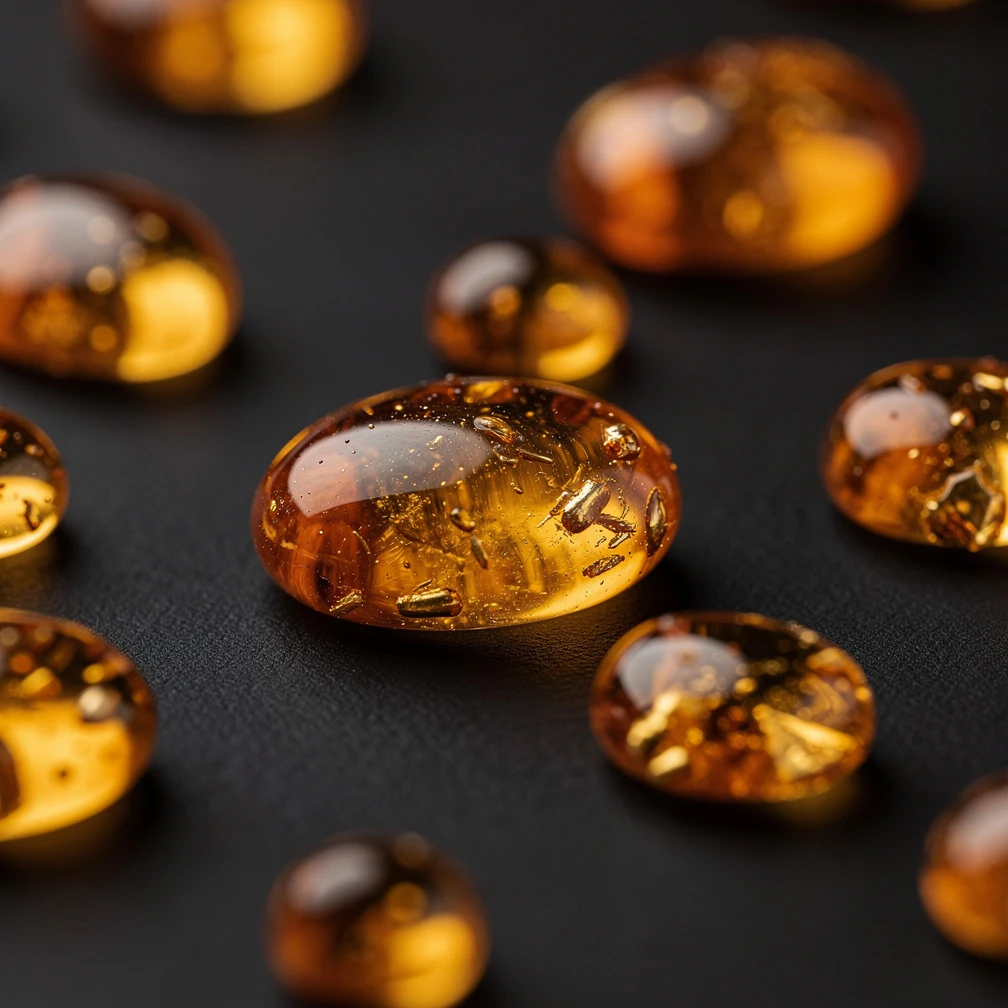
Bearberry brings a subtle Nordic forest character to perfumery. Its leaves yield a distinctive green, leathery absolute used as a supporting note for depth and texture in chypre and fougère compositions.
Character
How it smells
Northern forest depth from Arctic shores
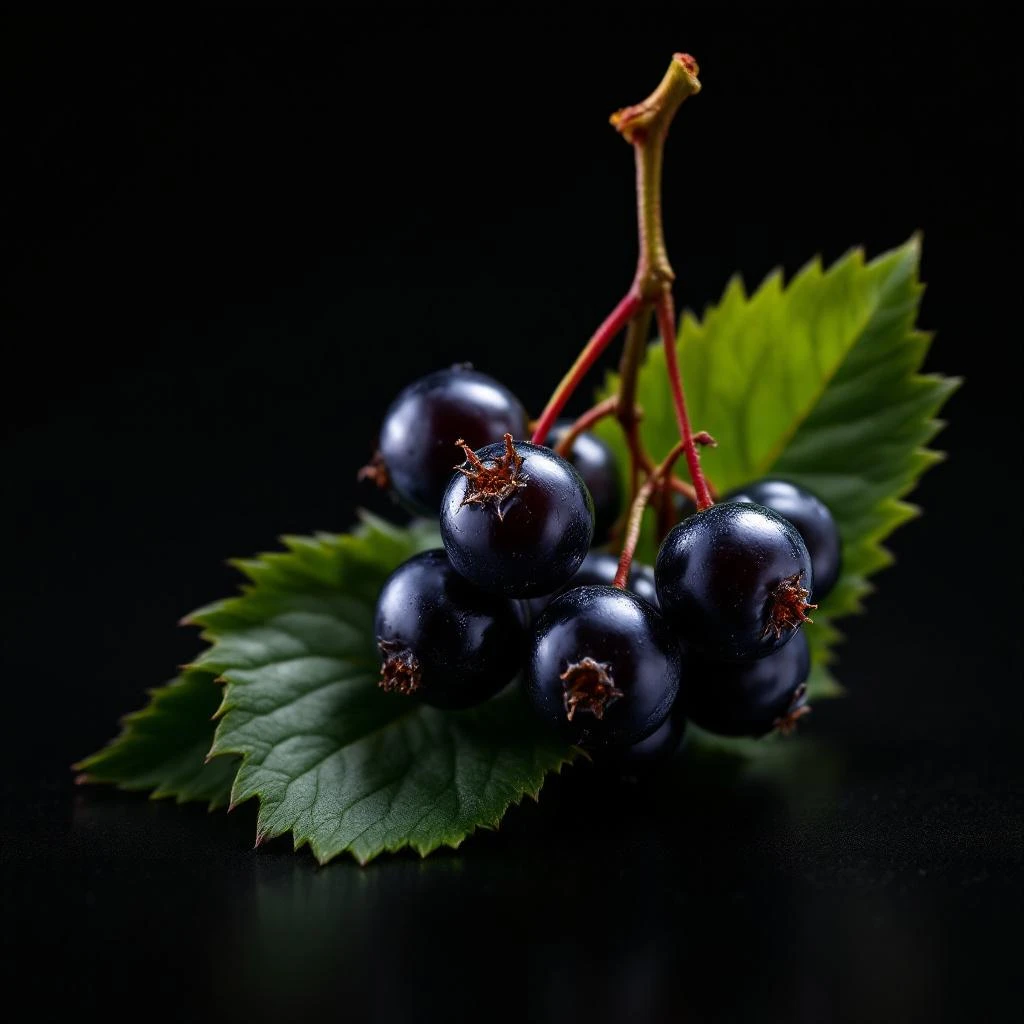
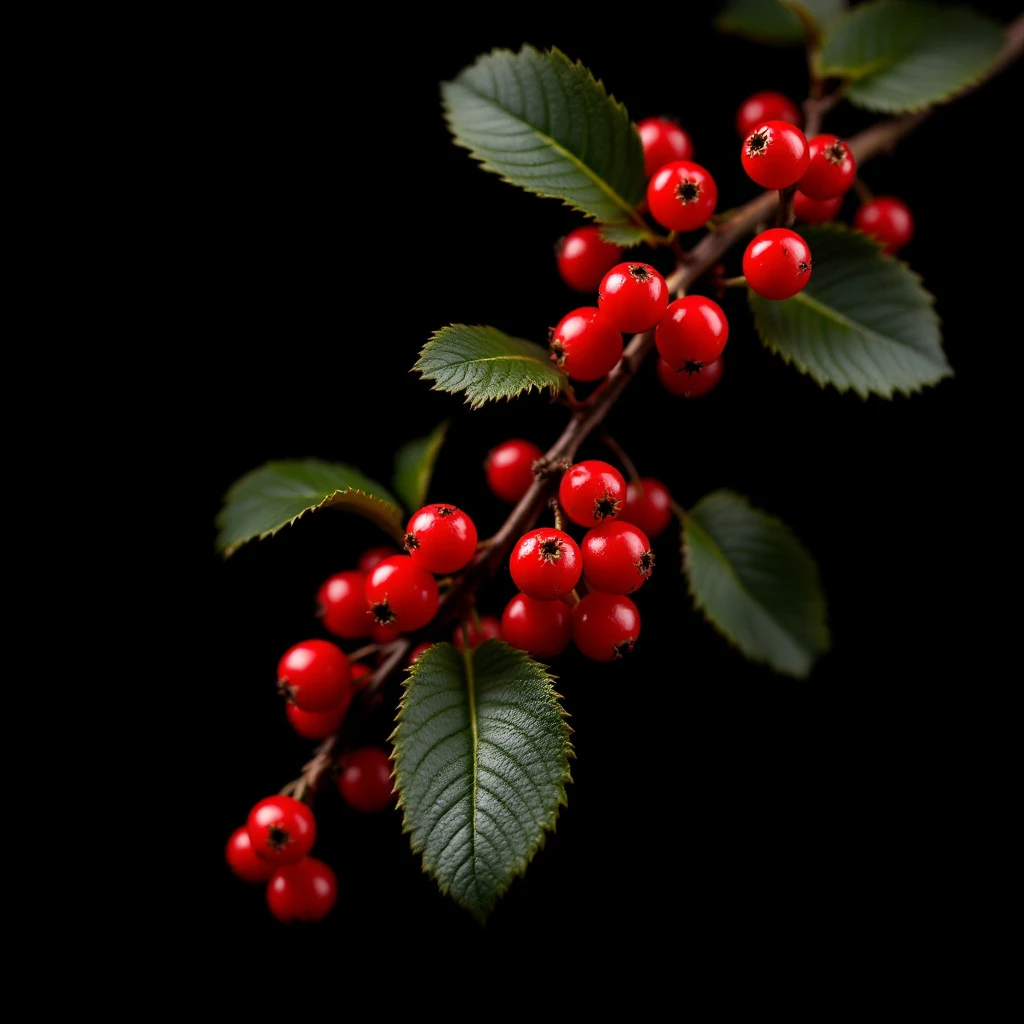
Bears actively seek out bearberry fruits in autumn, which is how the plant earned its name across multiple northern cultures.


Origin
Scandinavia
Bearberry has grown wild across circumboreal regions for thousands of years, thriving in acidic soils from Scandinavia to Alaska and Siberia. Indigenous peoples of northern North America and Scandinavia used the plant extensively in traditional medicine and ceremony long before European interest in botanical perfumery developed. In Scandinavian folk tradition, bearberry represented endurance and protection, qualities linked to its remarkable ability to flourish in extreme Arctic conditions.
By the late 19th century, as European perfumers began systematically cataloguing Nordic botanicals, bearberry gradually entered the perfumer's palette. The ingredient never became a headline material, but it earned a quiet reputation as a subtle modifier that adds forest-floor depth to chypre, fougère, and coniferous fragrance families.
Wears it best
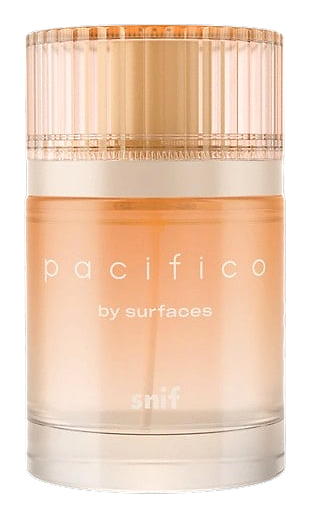
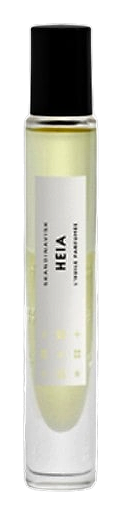
Fragrances featuring Bearberry
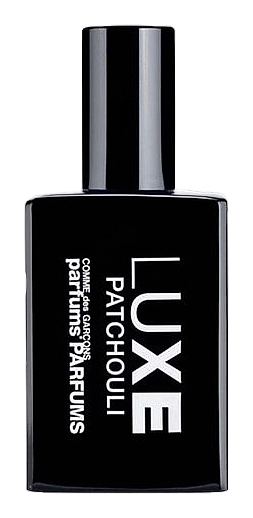
Brands
Brands known for Bearberry
Good to know
Questions, answered
The essentials on Bearberry in perfumery: how it smells, where it comes from, and how it behaves on skin.
What does bearberry smell like in perfume?
Bearberry absolute carries a green, herbaceous scent with leathery undertones and a faint bitter finish. It reads as forest-floor freshness rather than fruity sweetness.
Is bearberry a common perfume ingredient?
Bearberry functions as a supporting ingredient rather than a star note. It appears in select chypre, fougère, and coniferous fragrances at low concentrations.
Where does bearberry for perfumery originate?
Commercial perfumery material comes from Scandinavia, Canada, and parts of northern Europe, where wild plants thrive in acidic boreal soils.
When is bearberry harvested for extraction?
Leaves are collected during the summer growing season when aromatic compound concentration peaks, then dried before solvent extraction processing.
Can bearberry be replaced with synthetic alternatives?
Synthetics can approximate bearberry's green-leathery character, but natural absolute retains subtle botanical complexity that laboratory copies rarely achieve.
What fragrances pair well with bearberry?
Bearberry blends naturally with oakmoss, labdanum, juniper, pine, coumarin, and sage. It integrates well in forest, chypre, and fougère constructions.
Is bearberry safe for skin contact in perfume?
Bearberry absolute contains arbutin and related compounds. IFRA guidelines regulate its use concentration in finished fragrance products for consumer safety.
Does bearberry have cultural significance beyond perfumery?
Scandinavian and Native American cultures used bearberry in traditional medicine and rituals. Its name itself reflects its ecological role in northern food chains.