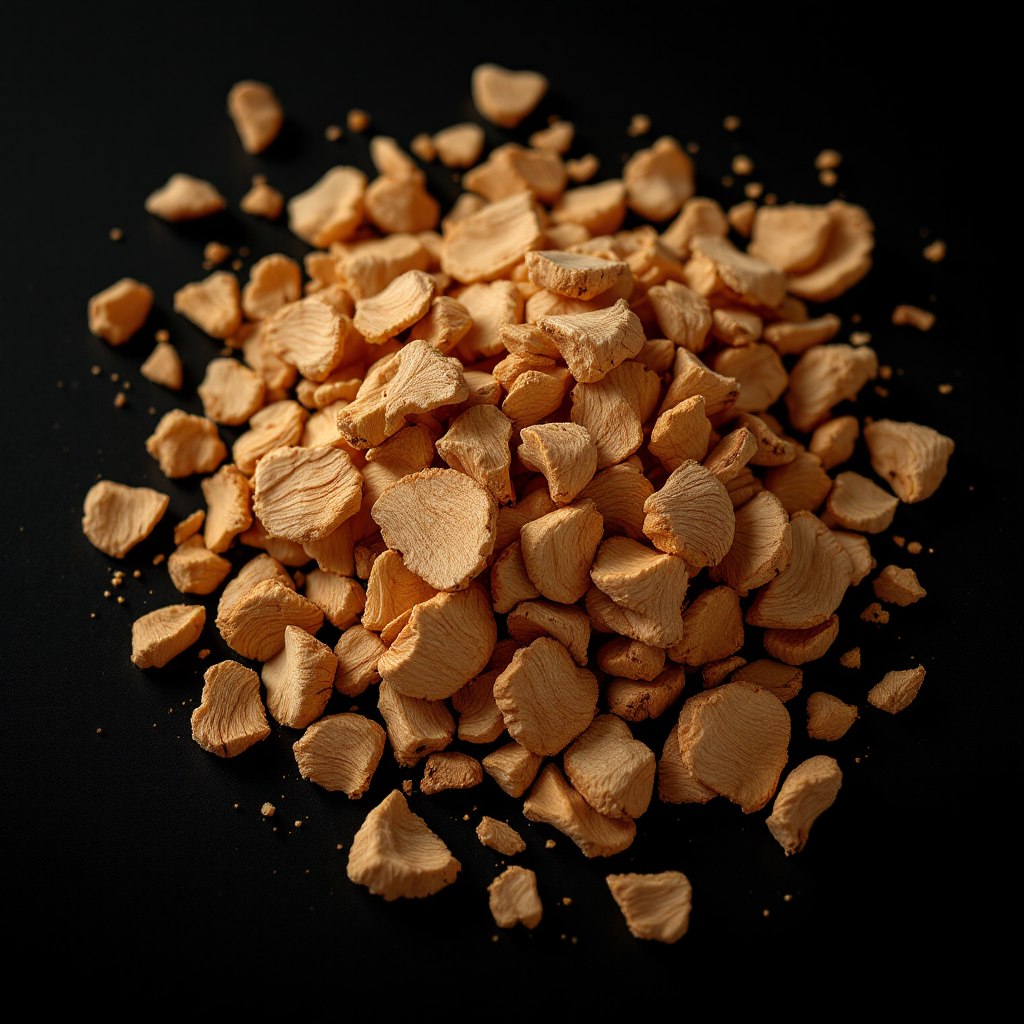
American Oak
American Oak lends perfumery its celebrated warmth—drawn from charred barrel staves, this material releases sweet vanilla, creamy coconut, and deep smoky wood that anchors orientals and elevates airy compositions.
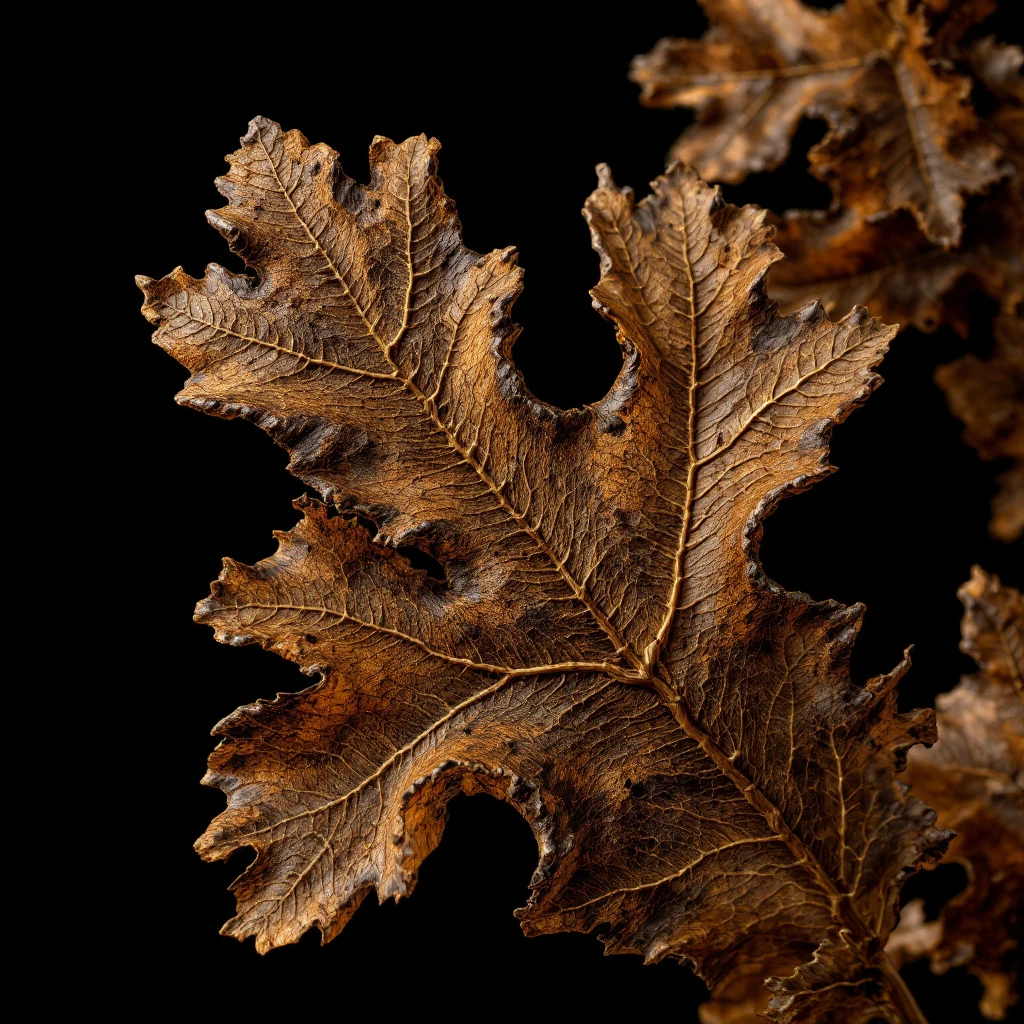
Character
How it smells
Warmth from charred barrel to bottle.
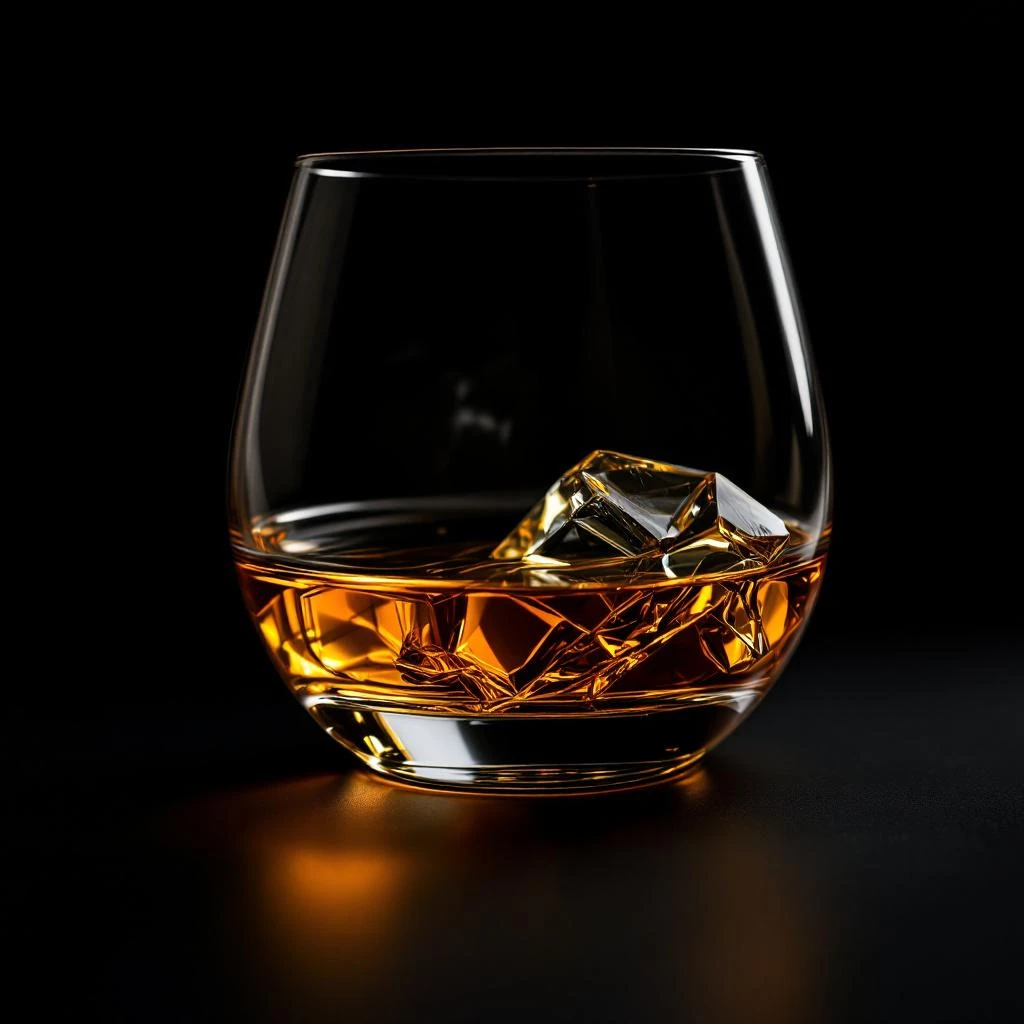
By law, American bourbon must age in new charred oak barrels, making them a primary source for perfumery's oak extracts.



Origin
United States
American Oak found its way into perfumery through the spirits industry. Cooperages in Kentucky and Tennessee have crafted charred white oak barrels for whiskey aging since the 18th century, and the toasted wood became recognized for its aromatic richness.
French perfumers visiting American distilleries in the early 20th century began noting how bourbon's scent echoed the woody warmth they sought in orientals. The connection solidified post-Prohibition when bourbon production revived and created a steady supply of spent but highly aromatic barrels.
American perfumers adopted the material more widely in the late 20th century, finding that the sweeter, more vanillic character of American Oak differed from the more tannic European oak. Today, American Oak extracts appear across fragrance families, from warm orientals to fresh aquatic interpretations, valued for their accessibility and consistent aromatic quality.
Wears it best
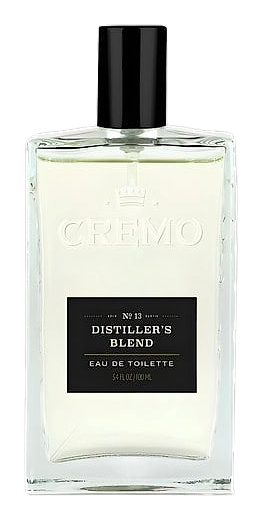
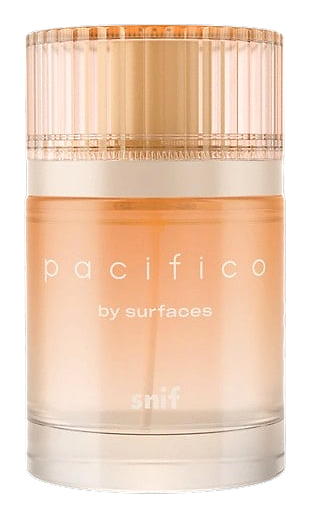
Fragrances featuring American Oak
Good to know
Questions, answered
The essentials on American Oak in perfumery: how it smells, where it comes from, and how it behaves on skin.
What does American Oak smell like in perfume?
American Oak reads as warm, sweet, and woody. It typically carries vanilla sweetness, creamy coconut-lactone notes, and a subtle smoky undertone. The profile feels more approachable and rounded than European oak, adding cozy depth without heaviness.
Where does perfumery's American Oak material come from?
Most perfumery-grade American Oak comes from bourbon barrels manufactured in Kentucky and Tennessee. After spirits aging, the barrels' aromatic compounds remain concentrated in the charred wood, which extractors then process for fragrance use.
How is American Oak used in fragrance formulation?
American Oak extract functions as a base-note modifier and fixative. Perfumers use it to deepen woody compositions, add warmth to orientals, and introduce sweet-vanilla undertones that extend fragrance longevity on skin.
What compounds give American Oak its characteristic aroma?
Vanillin provides the sweet vanilla character. Gamma-lactones contribute creamy coconut and peach notes. Guaiacol adds smoky depth. The exact ratio varies by barrel toasting level and aging history.
How does American Oak differ from French Oak in perfumery?
American Oak skews sweeter and more vanillic with prominent lactone notes. French Oak tends toward drier, more tannic, and slightly spiced characteristics. Perfumers often blend both for balanced woody depth.
Is American Oak a natural or synthetic ingredient?
American Oak is a natural material sourced from barrel wood. Extractors obtain the aromatic compounds through physical extraction methods, preserving the material's natural origin while concentrating its fragrance profile.
What fragrances feature American Oak prominently?
American Oak appears in numerous woody and oriental fragrances. It works particularly well in autumnal and winter scents, as well as fresh fougeres where a warm woody counterpoint adds complexity.
Does the bourbon aging history affect American Oak's perfumery quality?
Yes. Bourbon barrels have absorbed spirits compounds during aging, layering whiskey notes into the wood's aromatic profile. This pre-conditioning adds dimensional nuance that fresh oak lacks, making spent bourbon barrels particularly valued.