Beach Cedar
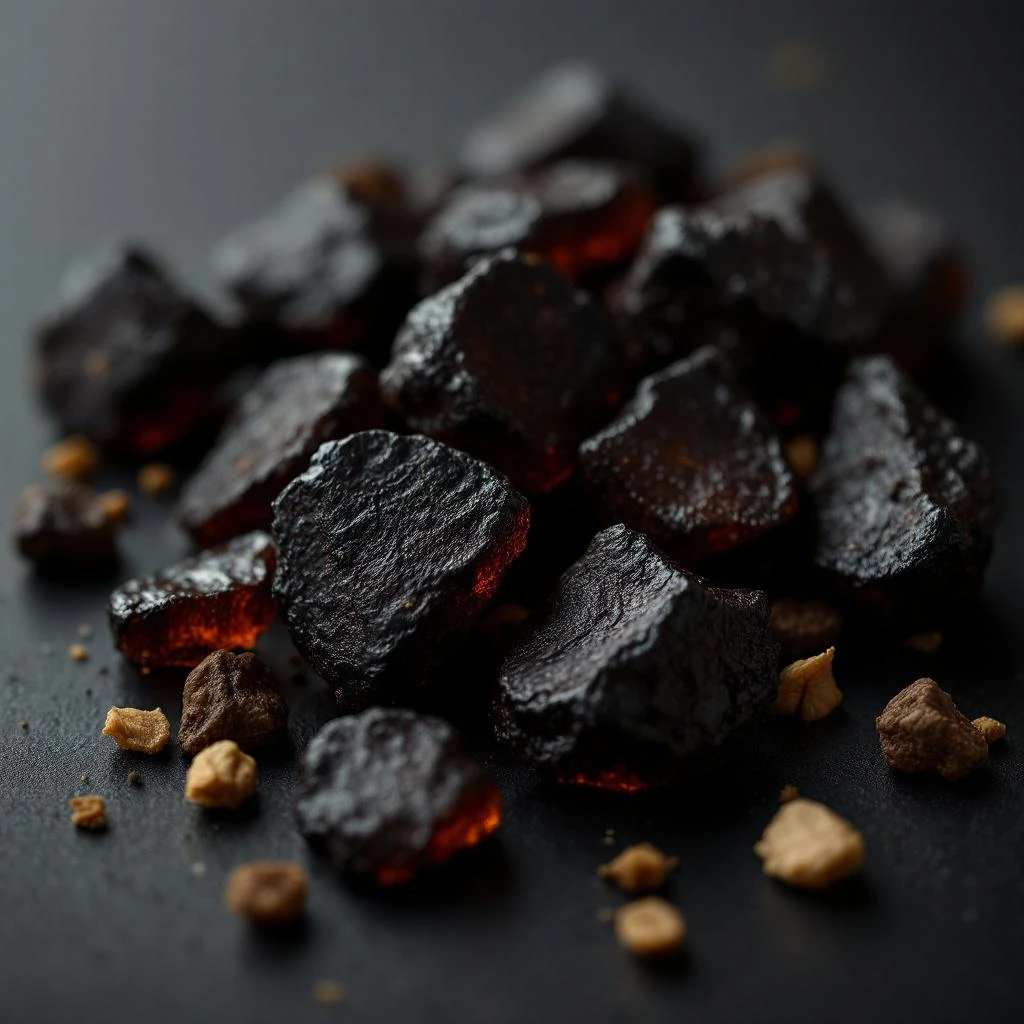
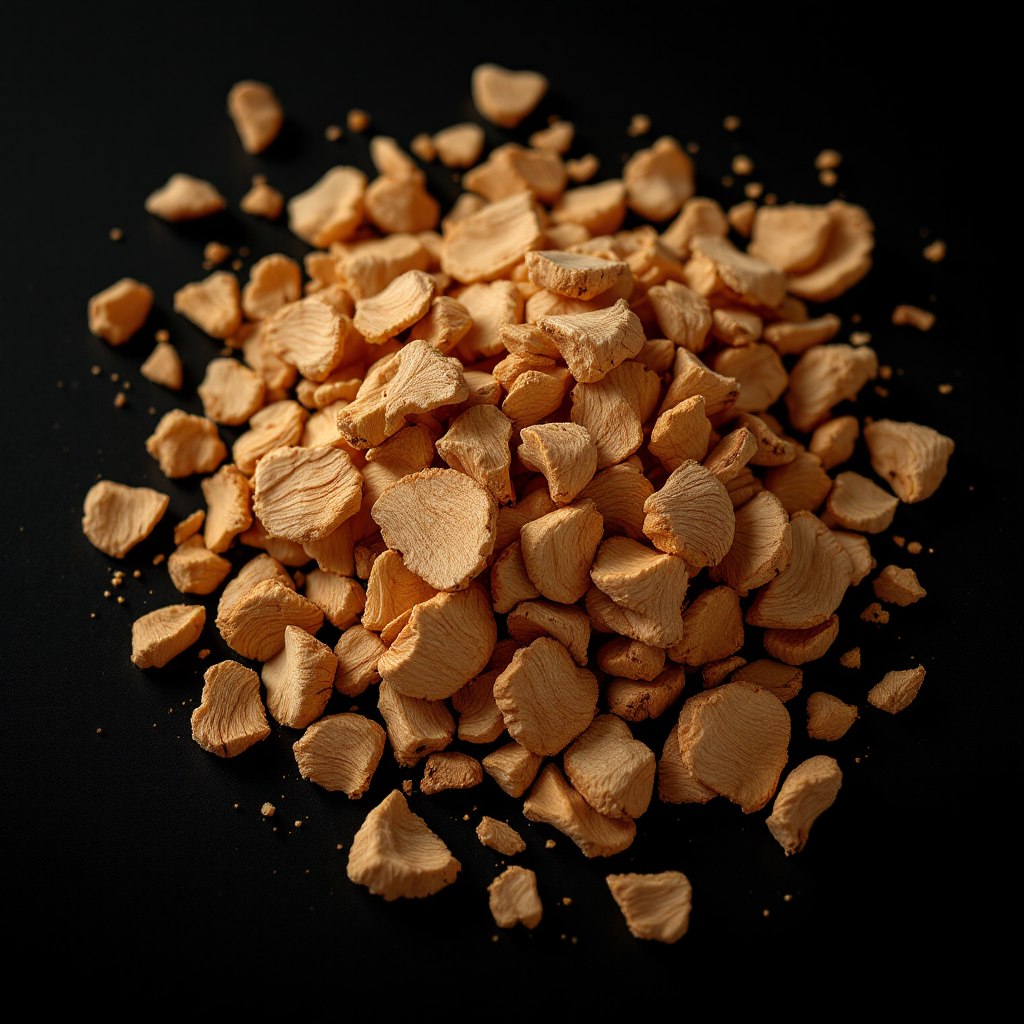
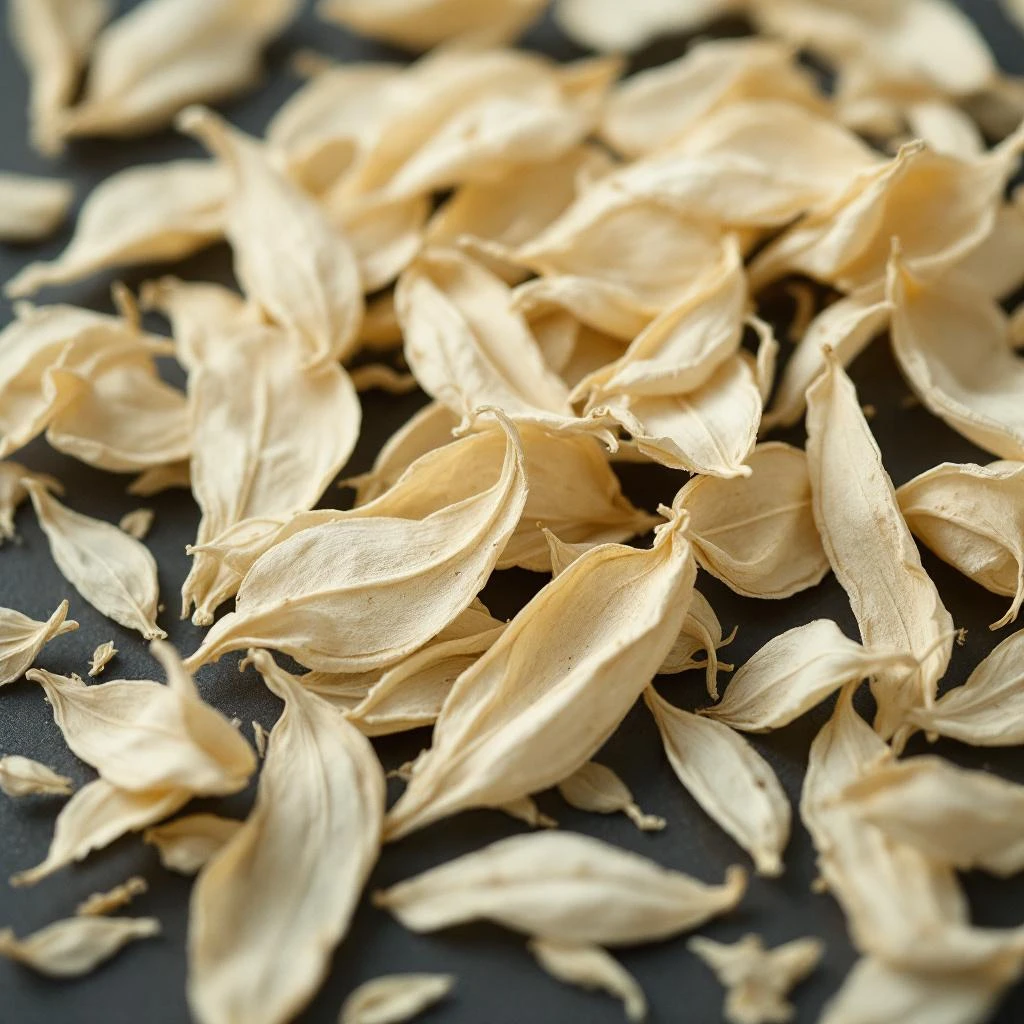
Beach Cedar captures the sun-warmed driftwood of a windswept shoreline. This coastal interpretation of classic cedar combines dry, resinous wood with subtle salt and mineral undertones, evoking sun-bleached driftwood drying on salt-crusted rocks.
Character
How it smells
Coastal warmth in every note.
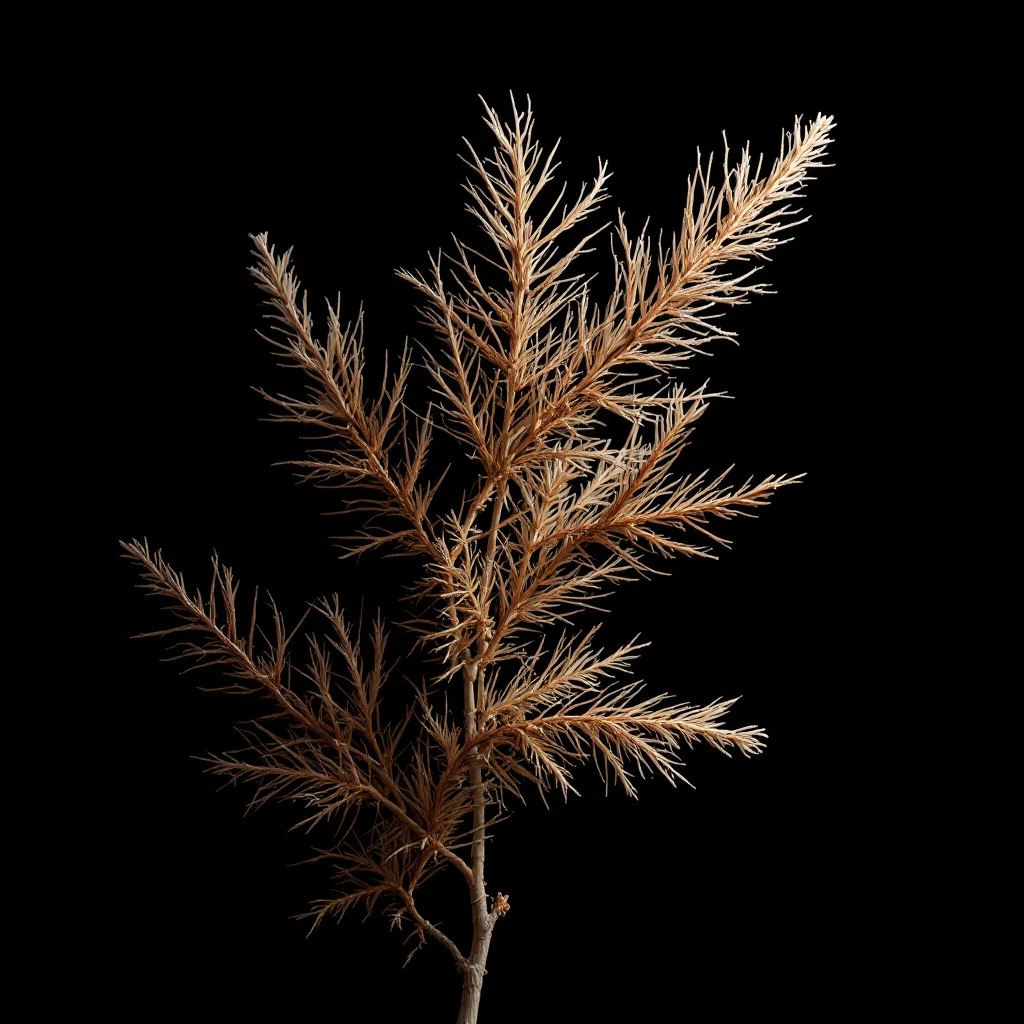
Atlantic white cedar trees can live over 500 years, with their heartwood becoming increasingly aromatic as they mature.
Pairs beautifully with



Origin
United States
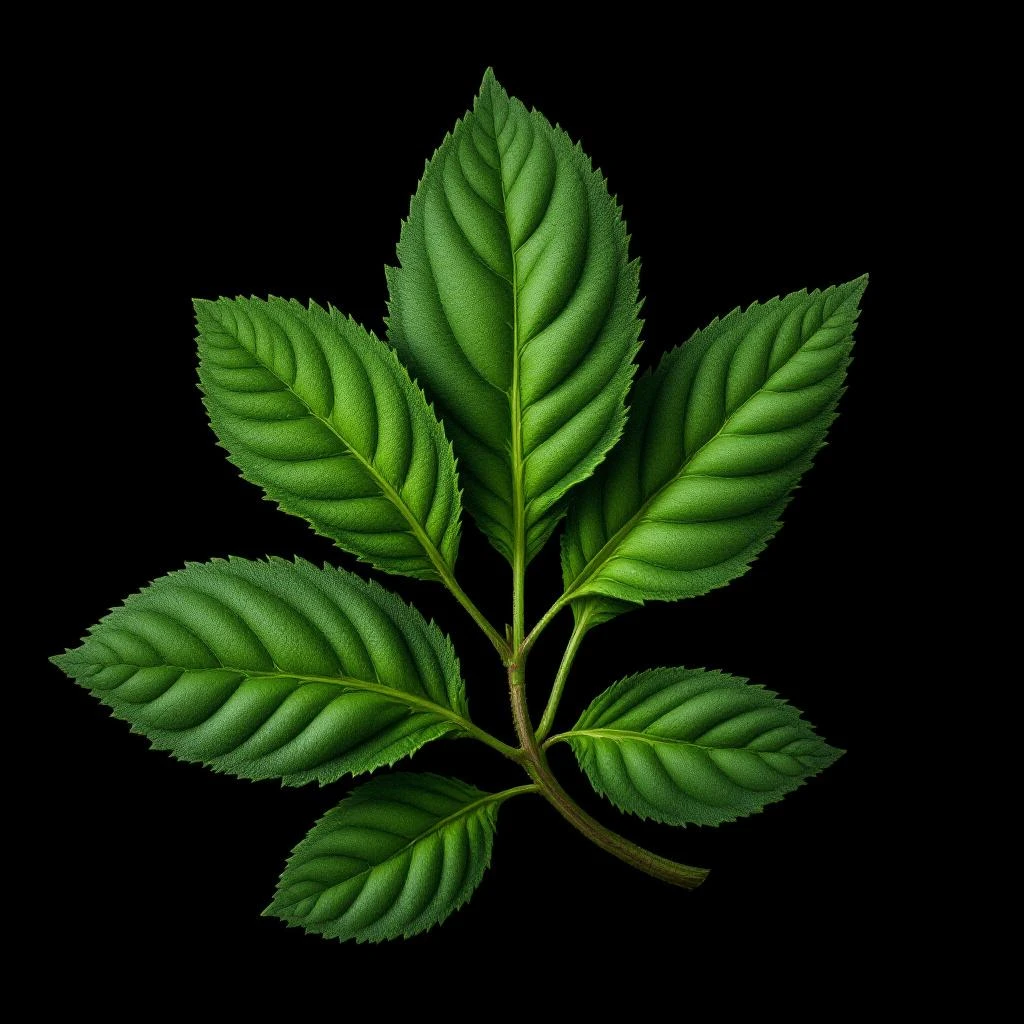
Native Americans along the Atlantic coast revered the white cedar tree long before perfumery existed. They used the aromatic heartwood for ceremonial smoke, insect repellent, and waterproofing canoes. When European settlers arrived in the 1600s, they adopted these practices, and coastal sawmills began producing cedar lumber for homes and furniture.
The distinct coastal cedar aroma became synonymous with beach towns from the Carolinas to New England. Perfumers discovered these regional cedars in the mid-20th century, drawn to their cleaner, more luminous character compared to inland varieties. The maritime climate, salt air, and sandy soil created trees with a unique aromatic signature: warm but not heavy, woody but with an unexpected freshness.
This coastal cedar tradition represents a distinctly American contribution to perfumery, one rooted in both indigenous knowledge and centuries of Atlantic coastal life.
Wears it best
Fragrances featuring Beach Cedar
Brands
Brands known for Beach Cedar
Good to know
Questions, answered
The essentials on Beach Cedar in perfumery: how it smells, where it comes from, and how it behaves on skin.
What does Beach Cedar smell like?
Beach Cedar smells like sun-dried driftwood with warm, resinous undertones. The aroma combines dry cedar wood with subtle mineral and salt-kissed qualities that evoke coastal air, making it less heavy than mountain cedar varieties.
Is Beach Cedar a natural or synthetic ingredient?
Beach Cedar is typically a natural ingredient derived from American cedar trees. Perfumers obtain it through steam distillation of aged heartwood, though the final beach accord may include trace marine elements to enhance the coastal character.
Where does Beach Cedar originate?
Beach Cedar originates from Atlantic coastal regions of the southeastern United States, primarily the Carolinas and Virginia, where maritime climate conditions produce cedar with a distinctive luminous, slightly saline aromatic profile.
What fragrance families pair well with Beach Cedar?
Beach Cedar works exceptionally well with marine and aquatic notes, where it provides warmth and structure. It also complements citrus, white florals, and light green notes, balancing their brightness with grounding woody depth.
How is Beach Cedar extracted?
Beach Cedar comes from steam distillation of dried cedar heartwood and sawdust. The wood is aged for six to eighteen months before distillation, which takes place at carefully controlled temperatures to preserve the aromatic compounds.
What concentration is Beach Cedar typically used at?
Beach Cedar functions as a heart and base note in fragrance formulations. It typically appears at concentrations between 5% and 20% in fragrance concentrates, with higher percentages reserved for parfum and extrait formulations.
Does Beach Cedar perform differently than other cedars?
Yes, Beach Cedar projects more softly than Atlas cedar but offers better longevity. It reads as cleaner and less turpentine-like than Virginian cedar, with a unique coastal freshness that other cedar types lack.
Can Beach Cedar cause skin sensitization?
Beach Cedar oil contains naturally occurring allergens including cedrol. As with most essential oils, it should be properly diluted in a fragrance formulation, and individuals with sensitive skin should patch test products containing this ingredient.