The Story
Why it exists.
The beginning
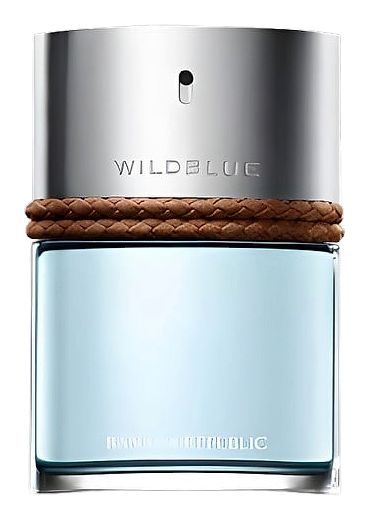
Jean-Claude Delville created Wildblue in 2012, building it around a tension that sounds simple but reads as anything but: cool herbs against warm woods. Delville, who began his perfumery career in the early 1990s, had already established a language for modern masculine scent when he approached Wildblue. The assignment, as it always is at Banana Republic, was something wearable without being forgettable, fragrance as quiet confidence, not declaration. The name itself suggests openness: not the ocean, but the space above it. Not adventure, but the readiness for it. Delville found that through sage and white tea, he could open the composition in a register that felt contemporary without reaching for the aquatic clichés of the era. Beach cedar arrived next, a specific material choice, not a generic woody note, and one that would define how the fragrance moved through its hours.
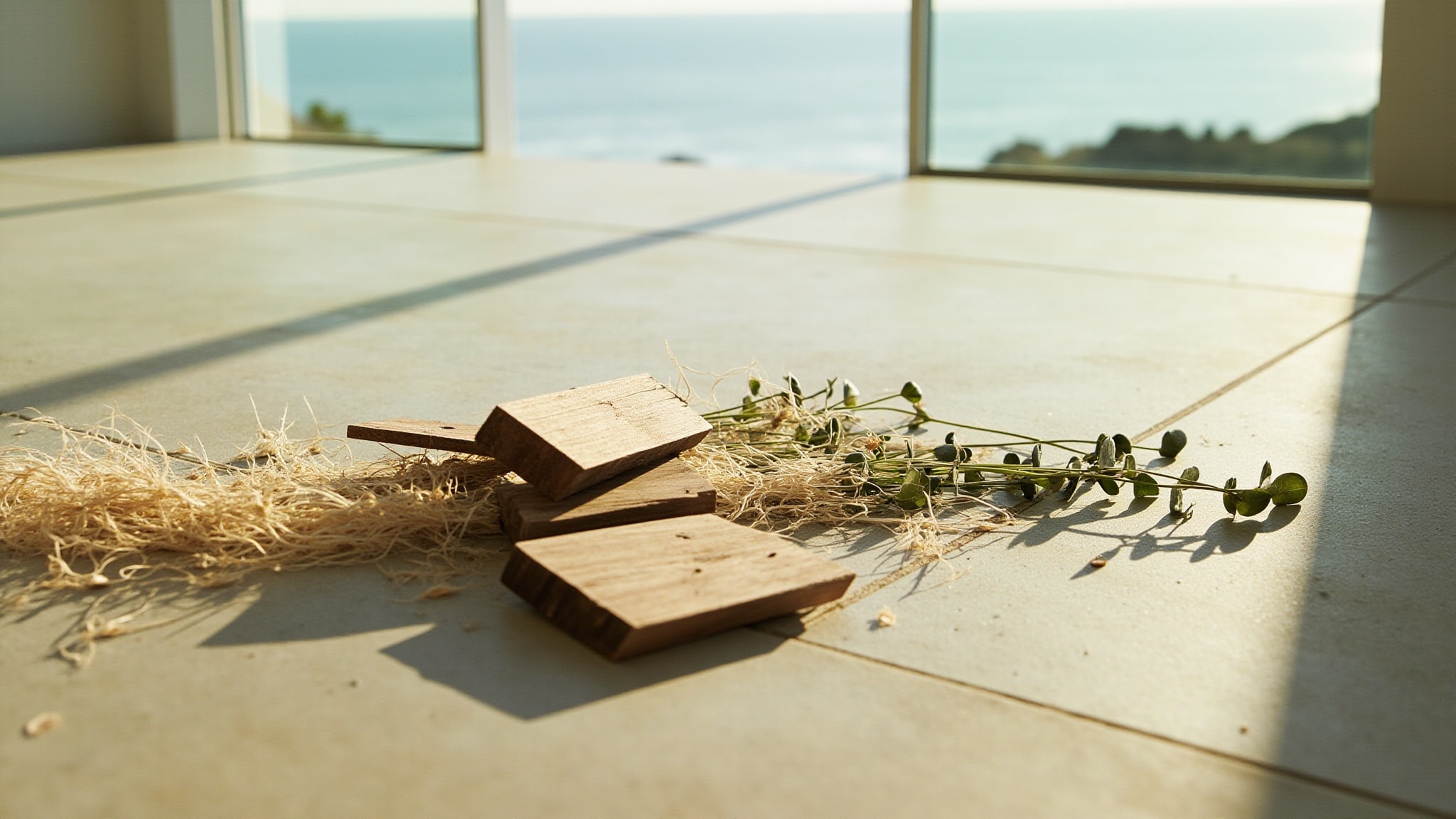
What makes Wildblue's structure unusual isn't any single material, it's the sequence. Sage opens bitter and aromatic, cutting through rather than smoothing over. White tea adds an almost watery green quality that feels fresh without reading as synthetic. Then beach cedar arrives within minutes, taking the composition in a warmer direction. The hand-off from cool herb to warm wood happens so quickly that the fragrance seems to change personality mid-stride. This is unusual: most woody aromatics let the top notes linger long enough to feel intentional. Wildblue seems impatient with its own opening, pushing toward the cedar heart before you've fully registered the sage.
The evolution
The opening is cool and quick. Sage hits first, aromatic and slightly bitter, followed immediately by white tea's watery green softness. You have maybe two minutes to register the combination before beach cedar arrives and shifts the entire trajectory. The sage doesn't disappear, it retreats, becomes a background herb beneath the cedar's dry warmth. This mid-section is where Wildblue earns its name: aromatic, sun-warmed wood, not aquatic in the traditional sense but adjacent to it, like the smell of driftwood drying in salt air. The base takes over around the two-hour mark. Vetiver and musk settle close to the skin, warm and intimate, with moderate projection that won't announce itself across a room. On fabric, the drydown outlasts the skin performance, you'll catch it in a shirt collar hours after application. The longevity is reasonable for a workaday scent: enough to get through a standard day without reapplication, not enough to linger into the evening. Wildblue doesn't evolve dramatically. It settles, and then it stays.
Cultural impact
Wildblue arrived in 2012 during a period when aquatic woody masculine fragrances dominated the market. Rather than competing directly, it carved a narrower path: sage and white tea gave it an herbal, almost garden-fresh quality that distanced it from the typical aquatic template. The accessible price point and restrained character made it a reliable option for those seeking something contemporary without venturing into challenging territory. It occupies a specific niche: office-friendly, daily-wear, unobtrusive, fragrance for people who don't want fragrance to be the point.