The Heritage
The Story of Banana Republic
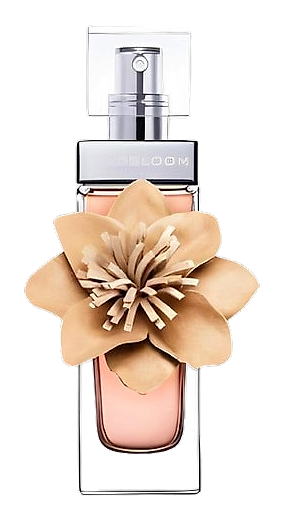
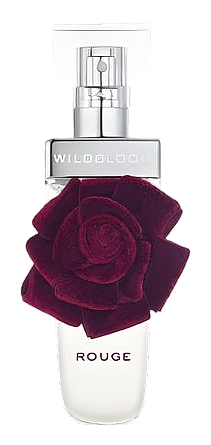
Banana Republic began as a small boutique in Marin County, California, before evolving into a global apparel retailer known for travel‑inspired clothing. In 1995 the brand extended its lifestyle narrative into fragrance, offering a line that mirrors the label’s emphasis on modern elegance and understated adventure. The collection includes scents such as Wildbloom Waterlily (2015) and Midnight Hour (2022), each designed to complement the brand’s clothing aesthetic while standing on its own as a contemporary perfume offering.
Heritage
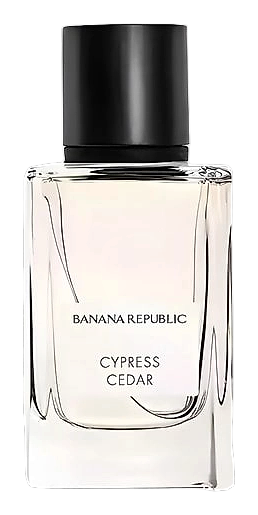
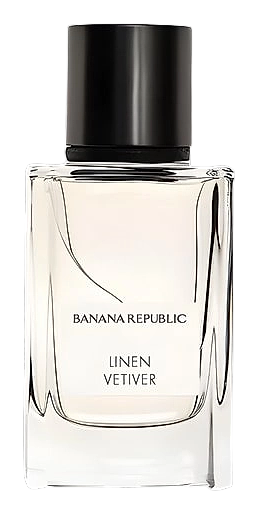
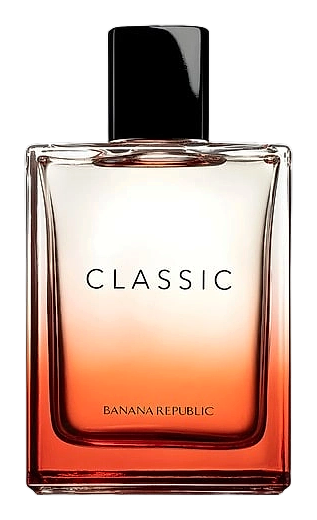
The company that would become Banana Republic was founded in 1978 by Mel and Patricia Ziegler, who opened a two‑store shop called "Banana Republic Travel & Safari Clothing Company" in the San Francisco Bay Area. Their concept blended rugged safari motifs with a polished, upscale look. In 1983 the Gap Inc. acquired the fledgling chain, providing capital and distribution that accelerated its growth across the United States. By the early 1990s the brand had shifted from a niche travel‑themed retailer to a mainstream purveyor of refined casual wear. In 1995 Banana Republic launched its first fragrance, marking a strategic move to translate its clothing narrative into scent. The early releases, such as the 1996 "Banana Republic Classic" eau de toilette, were developed in partnership with established fragrance houses and positioned as accessible yet sophisticated options for the brand’s clientele. The line expanded steadily, with notable additions like the 2008 "Classic Limited Edition" and the 2015 "Wildbloom Waterlily," each reflecting evolving trends while retaining the brand’s signature blend of modernity and adventure. A major milestone arrived in 2018 when Banana Republic introduced the Icon Collection, a curated set of scents that highlighted the company’s heritage of travel‑inspired storytelling. The collection featured fragrances such as "Cypress Cedar" and "Linen Vetiver," reinforcing the brand’s commitment to creating olfactory extensions of its apparel ethos. Recent releases, including "Midnight Hour" (2022) and "Rosewood Amor" (2021), demonstrate a continued focus on contemporary composition and seasonal relevance. Throughout its history, Banana Republic’s fragrance arm has remained closely tied to the parent company’s broader design language, using scent as another medium to convey its vision of polished, worldly style.
Craftsmanship
Banana Republic’s fragrances are developed in partnership with external fragrance houses that specialize in creating market‑ready scents. The process typically begins with a creative brief that outlines the desired mood, target audience, and narrative inspiration—often linked to a specific travel destination or seasonal theme. Perfumers then draft multiple accords, blending natural extracts such as neroli, cedarwood, and vetiver with synthetic aroma chemicals to achieve balance and stability. Ingredient sourcing follows industry standards for quality and traceability. Natural essential oils are procured from established growers in regions known for their botanical output, while synthetics are selected for consistency and environmental compliance. Each batch undergoes stability testing to ensure that the fragrance maintains its character over time and across temperature variations. Production takes place in facilities that meet Good Manufacturing Practice (GMP) guidelines, with quality control checkpoints at raw material receipt, formulation, and final bottling stages. The brand’s packaging team works closely with designers to select glass bottles that protect the perfume from light exposure, and caps that provide a secure seal. Bottles are filled using automated lines that minimize contamination risk, and each finished product is inspected for visual defects before distribution. While Banana Republic does not produce its own raw materials, it leverages the expertise of its fragrance partners to ensure that each scent aligns with the brand’s aesthetic and performance expectations. The result is a line of perfumes that offer consistent projection, moderate longevity, and a scent profile that feels both contemporary and rooted in the brand’s travel‑centric heritage.
Design Language
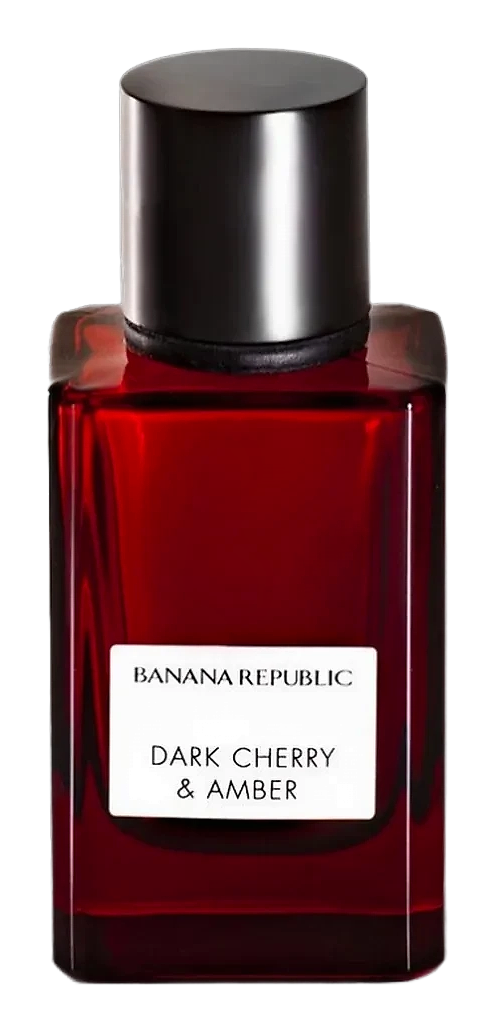
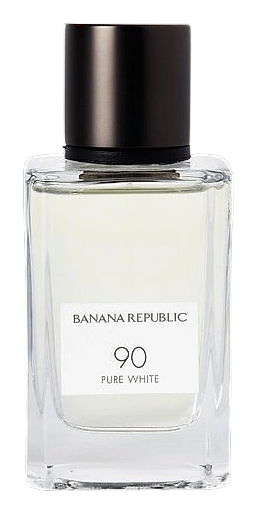
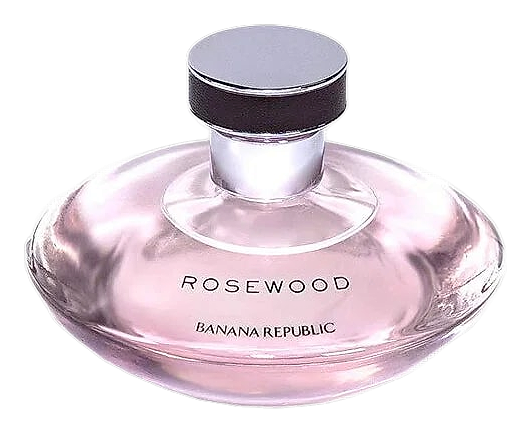
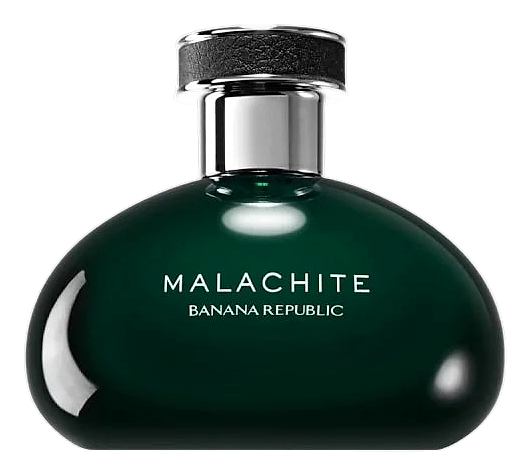
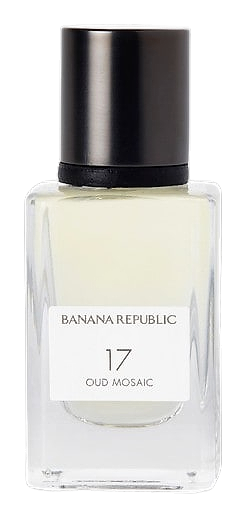
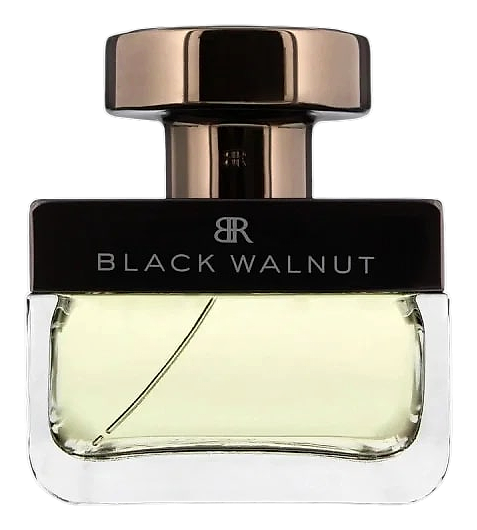
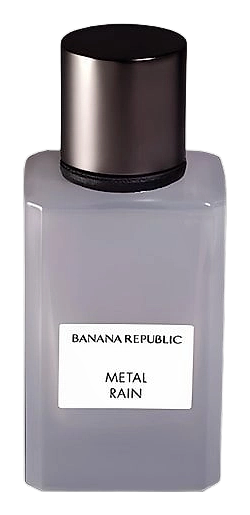
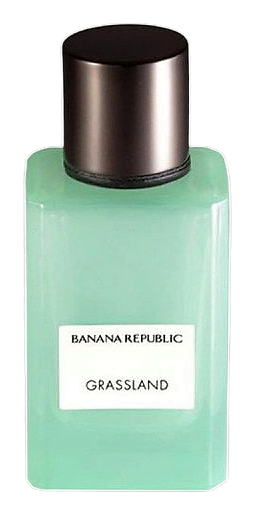
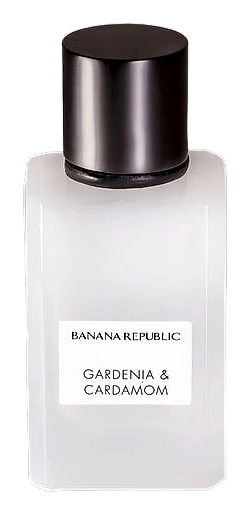
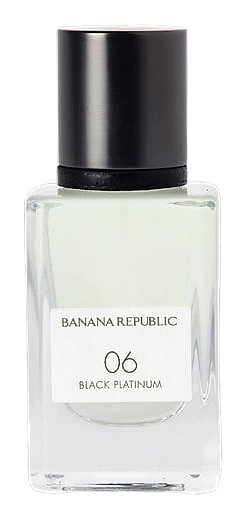
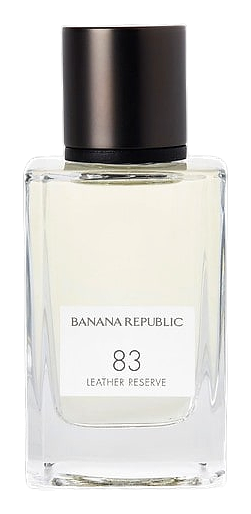
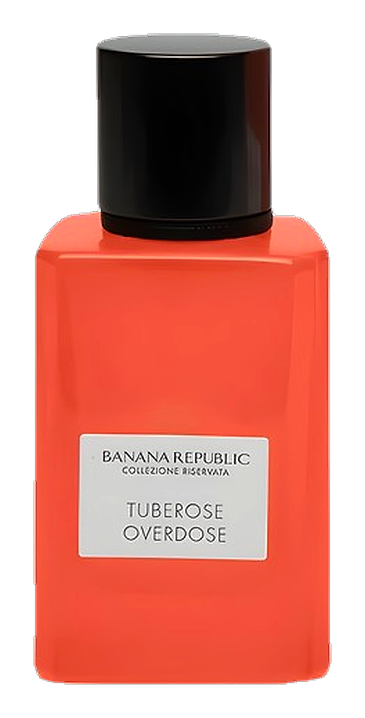
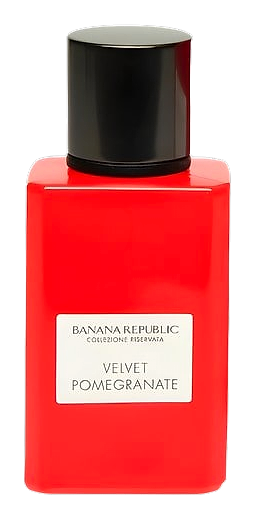
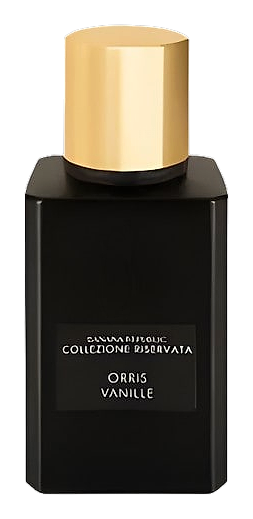
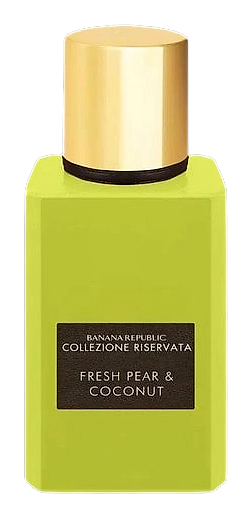
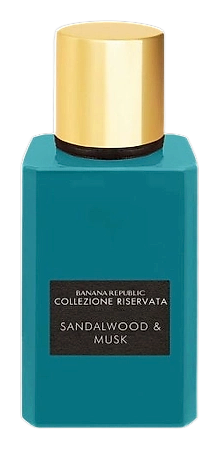
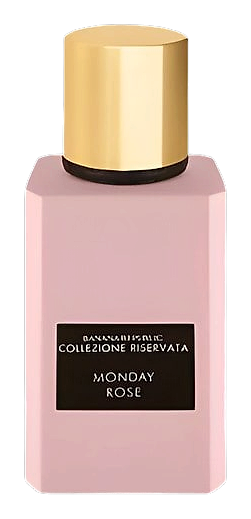
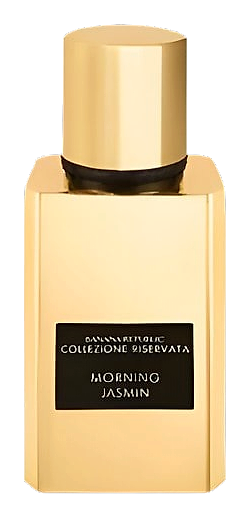
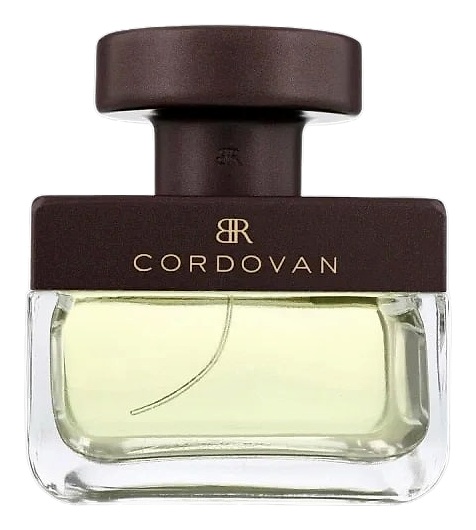
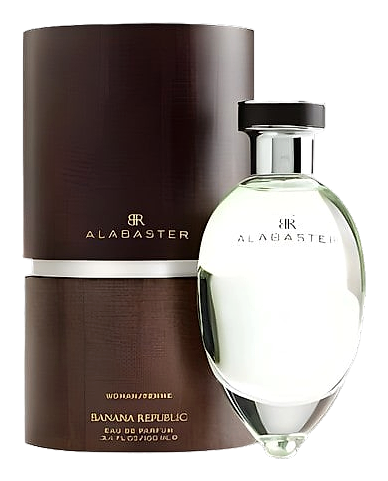
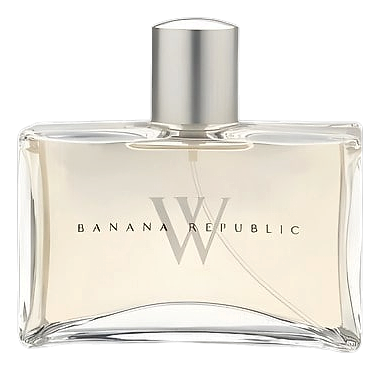
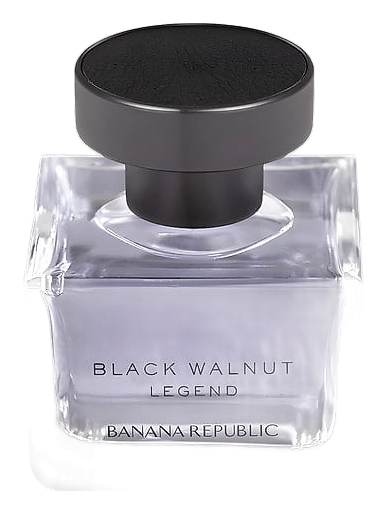
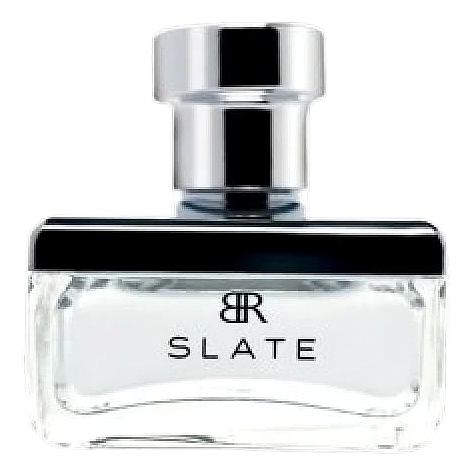
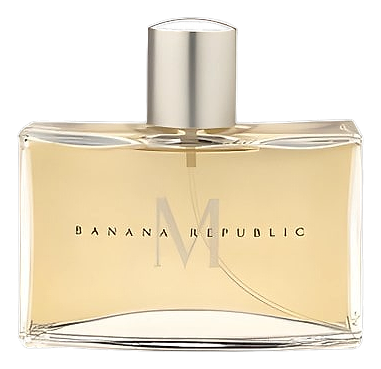
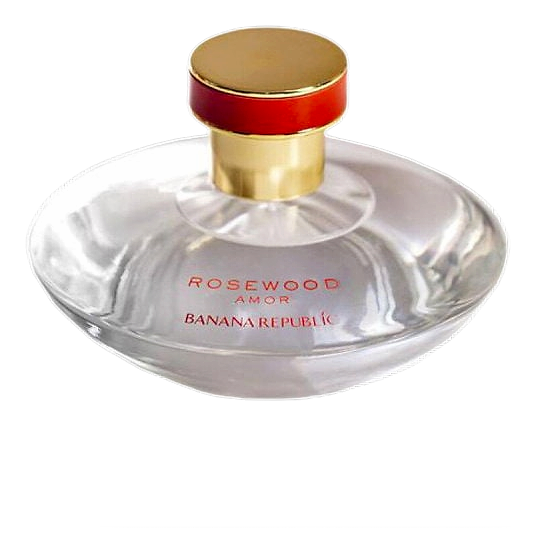
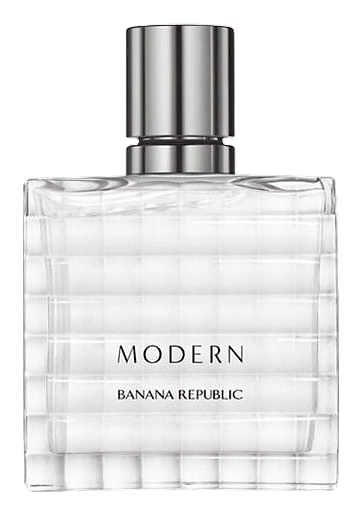
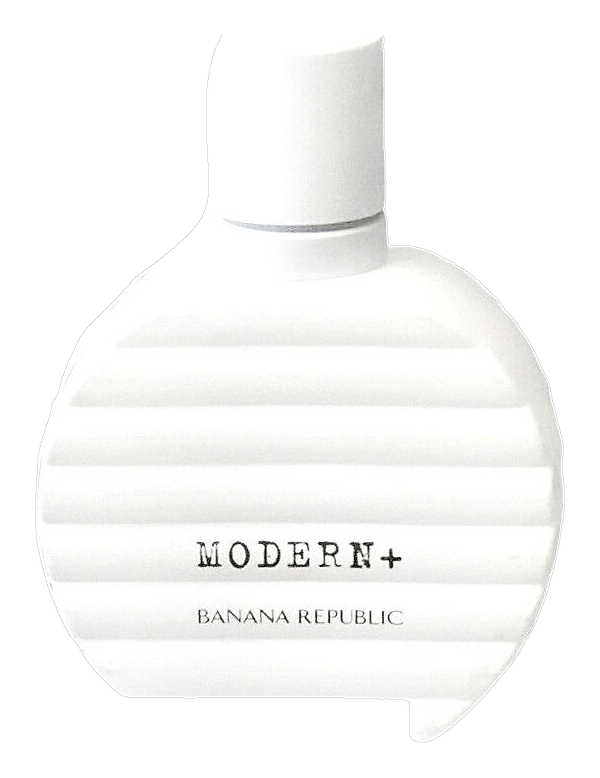
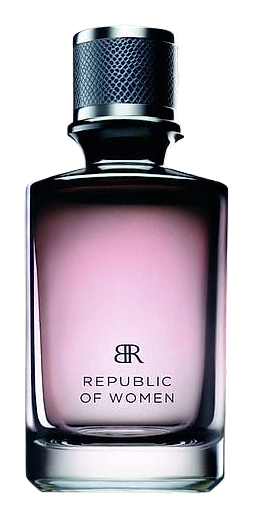
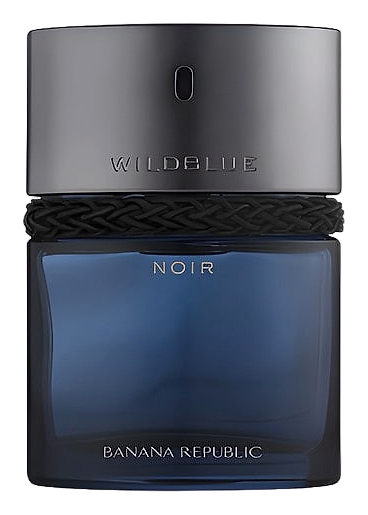
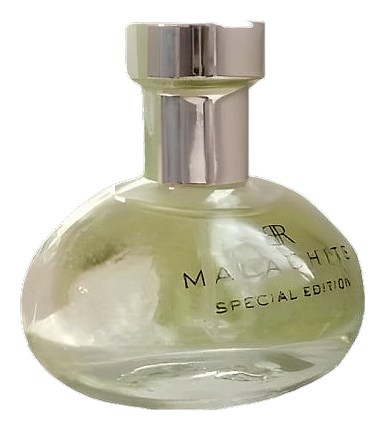
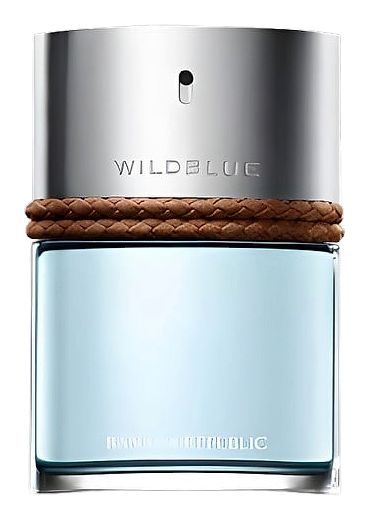
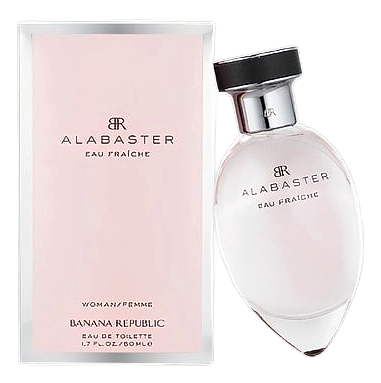
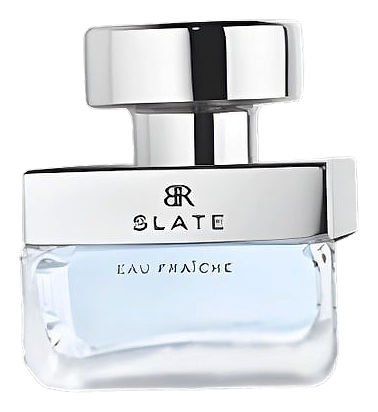
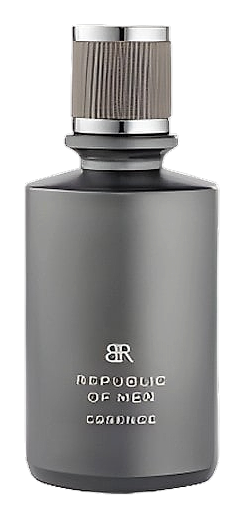
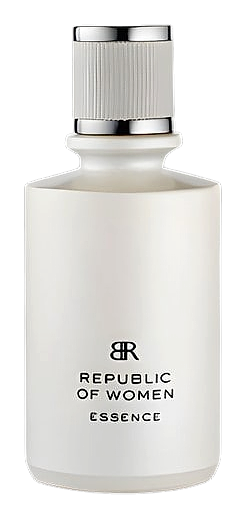
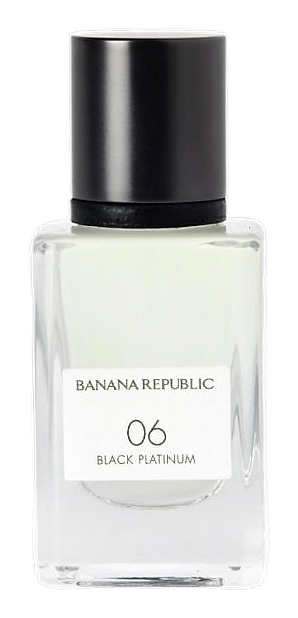
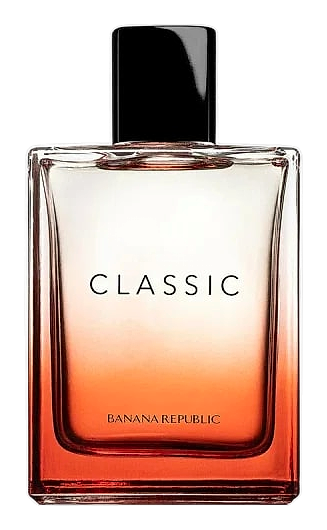
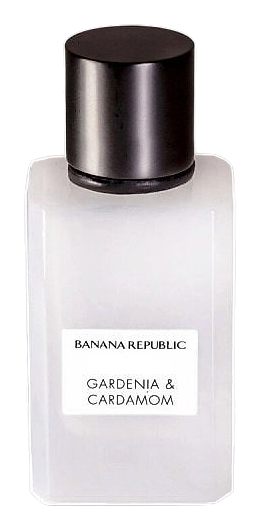
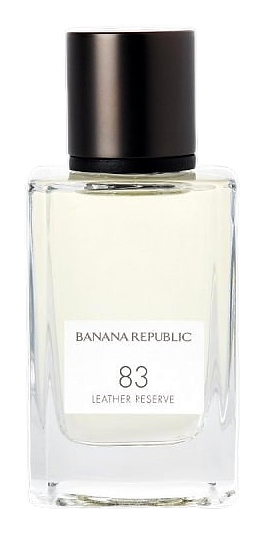
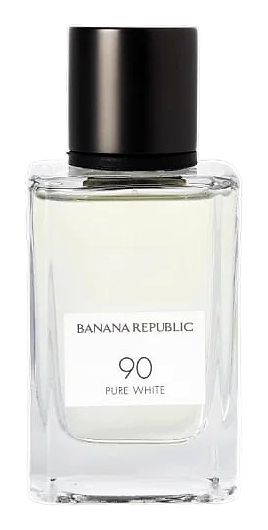
The visual language of Banana Republic’s fragrance line mirrors the clean, minimalist aesthetic of its apparel. Bottles are typically clear or lightly tinted glass, allowing the perfume’s color to hint at its character—soft amber for warm woods, pale green for fresh florals. Caps are often brushed metal or matte black, echoing the brand’s hardware finishes found on jackets and accessories. Label design employs a sans‑serif typeface paired with the iconic Banana Republic logo, positioned centrally to maintain brand recognition without overwhelming the product. Backgrounds feature subtle textures reminiscent of natural materials—linen, leather, or brushed steel—reinforcing the travel‑inspired narrative. Marketing imagery frequently showcases the fragrance alongside clothing ensembles in settings that suggest distant locales: a desert sunrise, a coastal pier, or a bustling city street. This approach ties the scent to a lifestyle rather than a single scent note, inviting consumers to imagine the fragrance as part of a broader personal journey. Limited‑edition releases, such as the 2008 Classic Limited Edition, receive special packaging treatments like embossed boxes or metallic foil accents, creating a sense of occasion while staying true to the brand’s understated elegance. Overall, the aesthetic balances sophistication with approachability, positioning the fragrances as accessories that complement, rather than dominate, a wearer’s daily routine.
Philosophy
Banana Republic approaches perfumery as an extension of its clothing design process, treating scent as a wearable accessory that completes a personal narrative. The brand emphasizes travel‑inspired storytelling, drawing on motifs such as jungle foliage, coastal breezes, and urban sophistication. Rather than chasing fleeting trends, the fragrance team seeks timeless compositions that can transition from a boardroom meeting to an evening out. Creative direction is guided by a set of core values: authenticity, quality, and accessibility. Authenticity manifests in the selection of ingredients that evoke real places—citrus from Mediterranean groves, cedar from Pacific forests, or tonka bean sourced from South America. Quality is pursued through collaborations with established fragrance houses, ensuring that each formula undergoes rigorous testing for longevity and skin compatibility. Accessibility reflects the brand’s retail philosophy: premium experiences offered at a price point that aligns with its broader product range. The brand also embraces sustainability where possible, opting for recyclable packaging and exploring responsibly sourced raw materials. While the fragrance line does not claim to be groundbreaking in a technical sense, it consistently aims to deliver a refined olfactory experience that resonates with the modern, globally minded consumer.
Key Milestones
1978
Mel and Patricia Ziegler open the first Banana Republic store in Marin County, California, focusing on safari‑themed apparel.
1983
Gap Inc. acquires Banana Republic, providing resources for national expansion.
1995
Banana Republic launches its inaugural fragrance, extending the brand’s lifestyle narrative into scent.
2008
Release of the Classic Limited Edition perfume, marking the brand’s first limited‑run fragrance.
2015
Wildbloom Waterlily debuts, showcasing a fresh, floral composition that aligns with the brand’s spring collections.
2018
The Icon Collection is introduced, consolidating the fragrance portfolio under a cohesive travel‑inspired theme.
At a Glance
Brand profile snapshot
Origin
United States
Founded
1978
Heritage
48
Years active
Collection
3
Fragrances released
Avg Rating
3.7
Community sentiment
Release Rhythm


