Batida
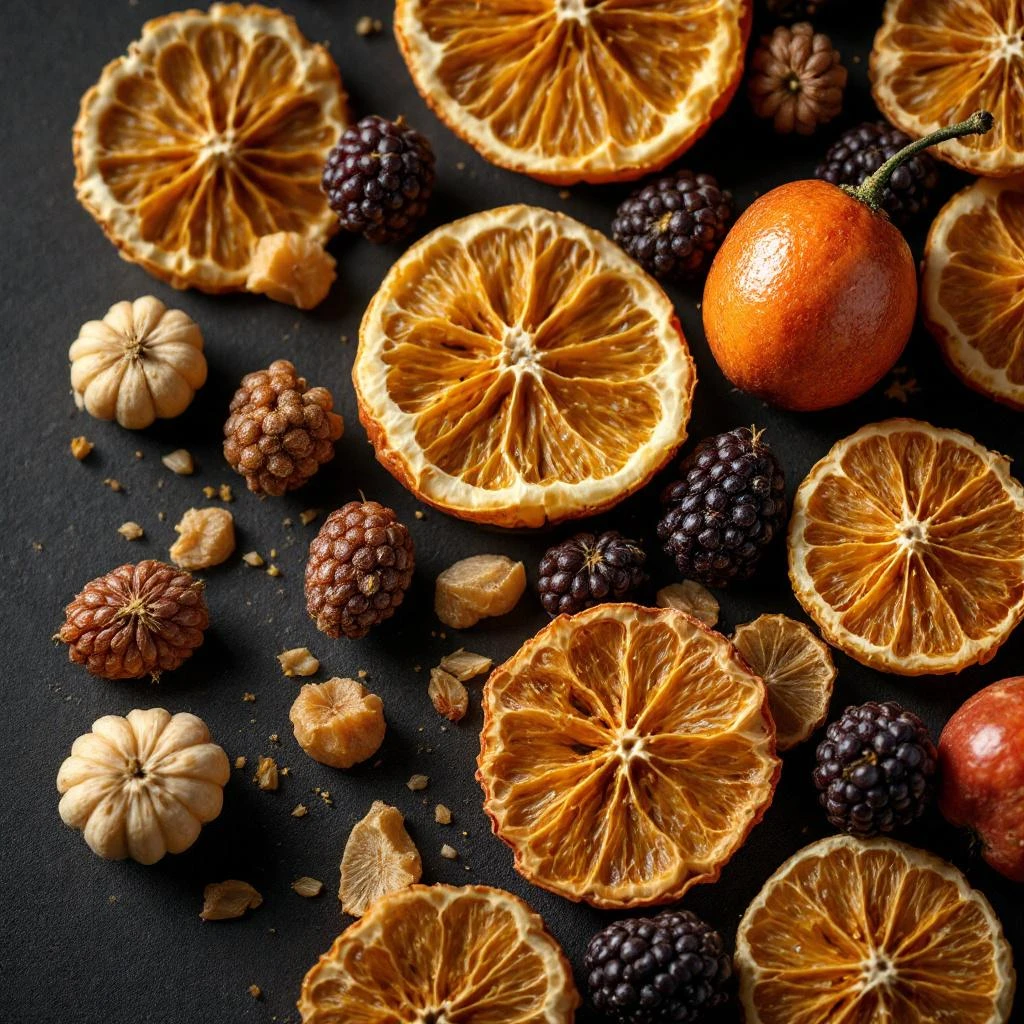
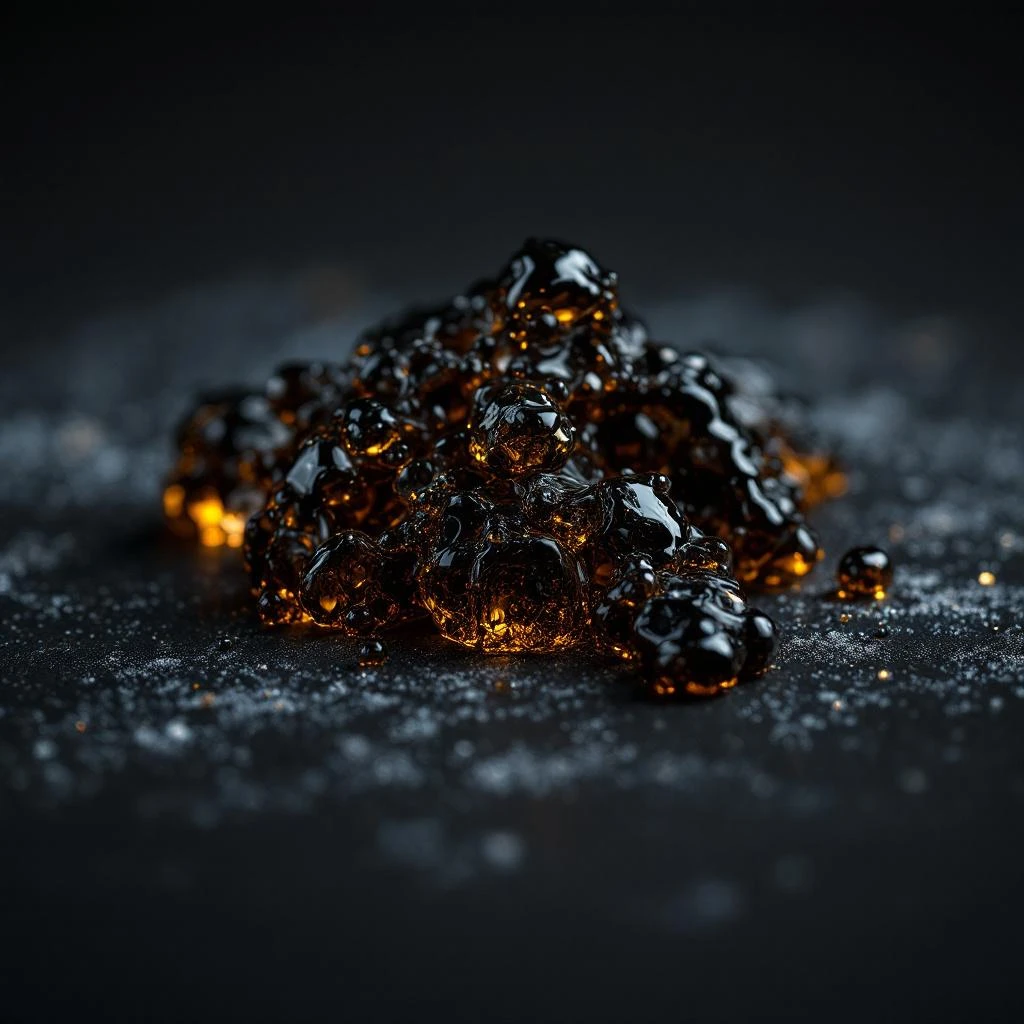
Batida is a crisp citrus note with the bitter edge of orange peel and a polished, modern presence in fine fragrance.
Character
How it smells
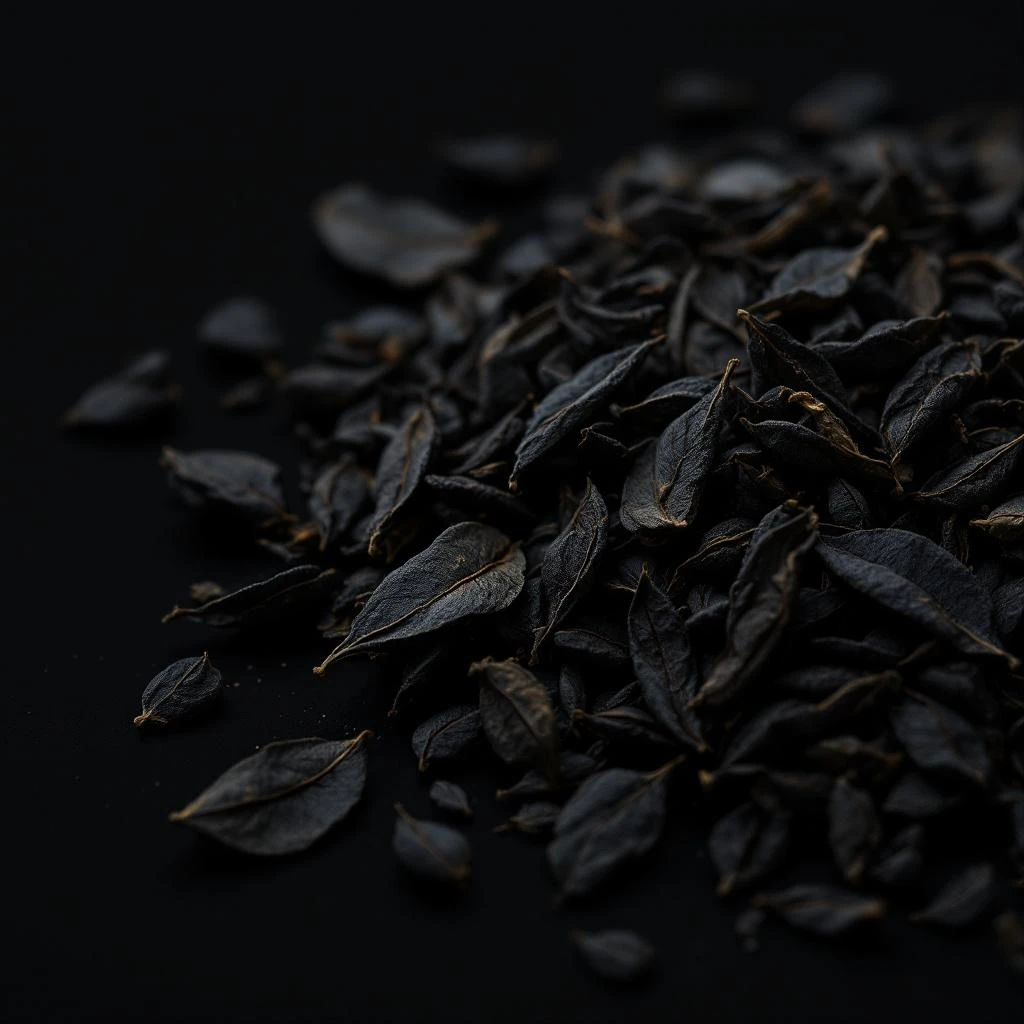
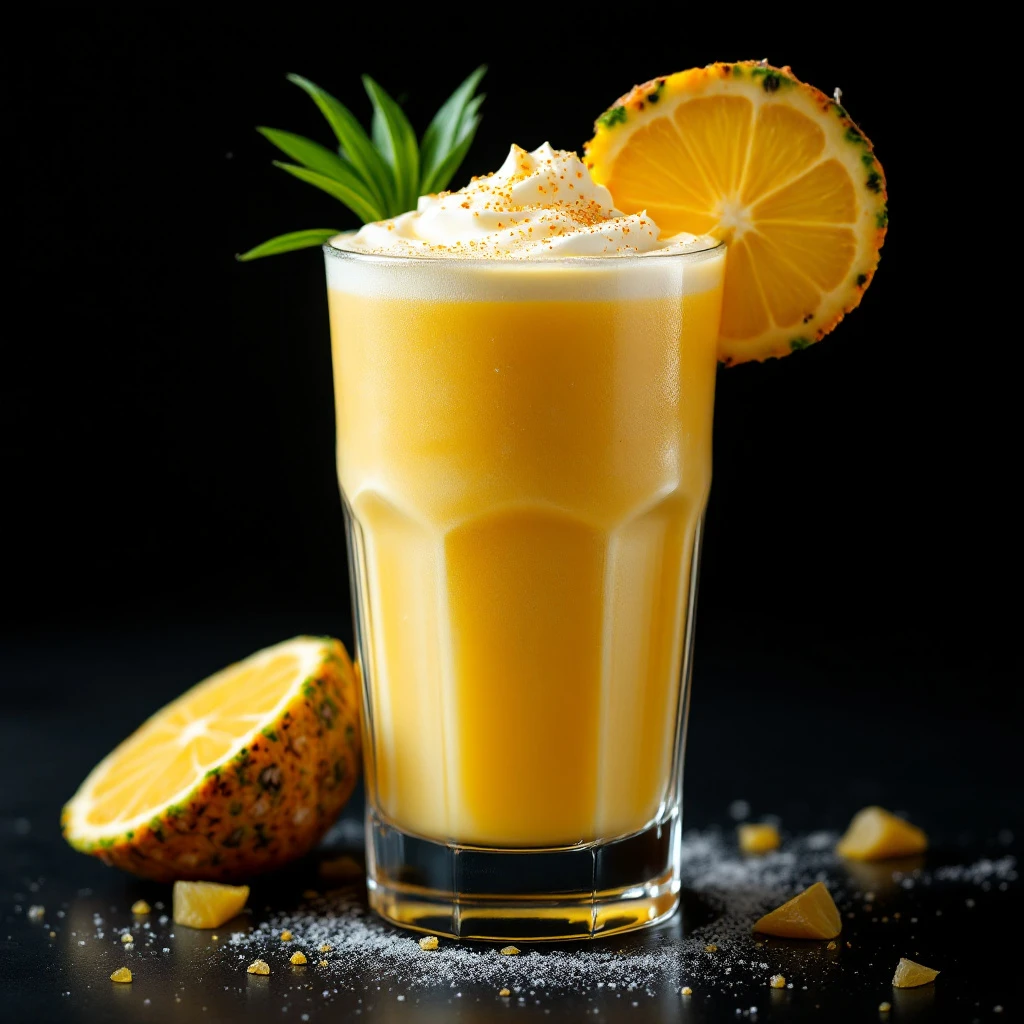
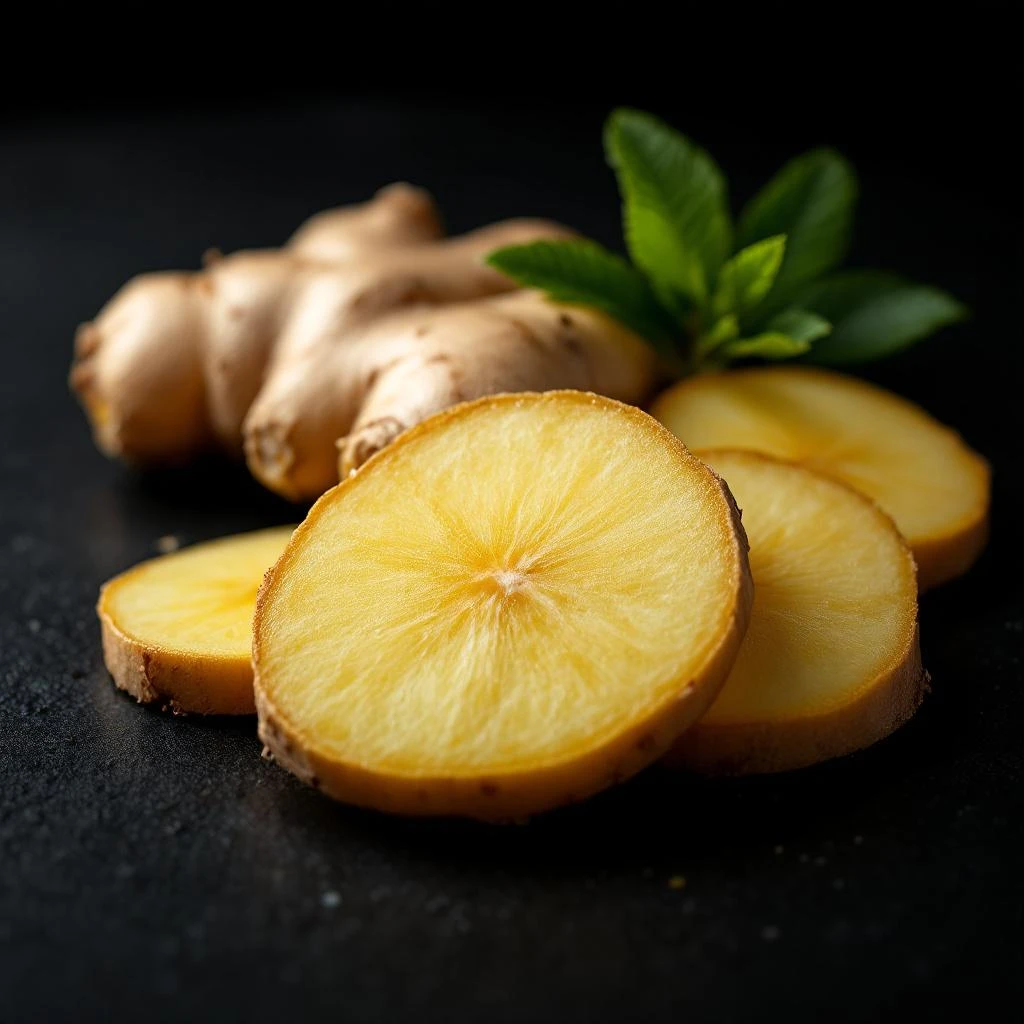
Bitter orange peel, refined into a modern citrus accent.
Batida is a perfumery term for citrus notes with a pronounced bitter character, often created with orange oil and related materials.

Origin
Spain
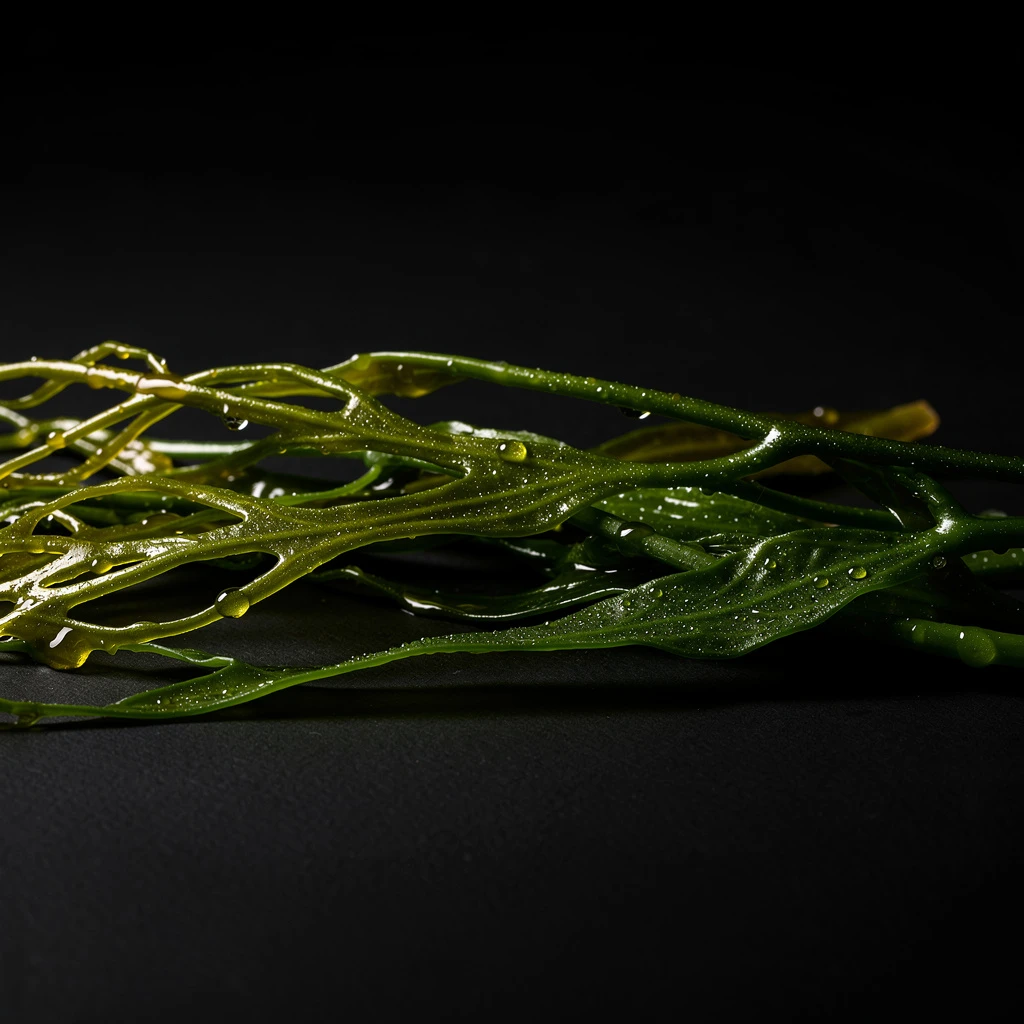
The word batida comes from the Spanish verb batir, meaning to beat or mix, and describes a fragrance built around a pronounced citrus character. Citrus materials have a long history in scented preparations: the historical record describes the cultivation of bitter orange and other citrus trees in the Middle East, where their oils and peels joined rose, jasmine, spices, and resins in the regional perfumery tradition. Citrus entered European fragrance-making through trade and extraction practices that expanded during the Islamic period and later developed through distillation.
By the nineteenth century, modern industrial perfume chemistry had transformed the material palette. Coumarin, synthesized in 1868, entered fine perfumery in 1882 and helped establish the fougère family, while new companies formed in the following decades to produce both natural extracts and synthetic ingredients. Batida reflects this meeting of tradition and chemistry.
Its familiar orange bitterness comes from nature, while contemporary versions can be adjusted through carefully selected synthetic citrus accords.
Wears it best
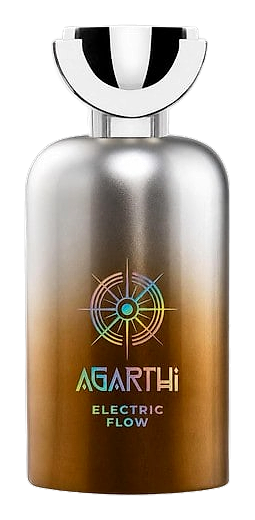
Fragrances featuring Batida
Brands
Brands known for Batida
Good to know
Questions, answered
The essentials on Batida in perfumery: how it smells, where it comes from, and how it behaves on skin.
What does batida smell like in perfume?
Batida smells like crisp citrus with a distinct bitter edge, often resembling orange peel. It usually provides a sharper and more structured accent than sweet mandarin or lemon notes.
Is batida a natural ingredient or a fragrance family?
Batida is primarily a perfumery note rather than one chemically uniform ingredient. It can be created with natural bitter orange oil, blends of several citrus materials, or synthetic molecules that reproduce the same bitter citrus effect.
Which plant material is most closely associated with batida?
Bitter orange peel is the classic source because its essential oil has a bright citrus profile and noticeable bitterness. Citrus leaves and other peel-derived oils may also contribute to a batida effect.
How is natural batida oil produced?
It is commonly produced by cold-pressing the outer peel of bitter oranges. The oil is then separated from the expressed juice and stored carefully, since heat, light, and oxygen can reduce its fresh citrus quality.
Does batida mean a mixture in perfumery?
The word derives from the Spanish verb batir, meaning to beat or mix. In fragrance use, it describes a mixed citrus accord, especially one defined by orange peel and a bitter character.
Is orange essential oil the only way to create a batida note?
No. Perfumers may combine orange oil with mandarin, lemon, petitgrain, and other citrus materials, or use synthetic citrus accords. The choice depends on the desired strength, stability, and natural character.
When did citrus ingredients become important to perfume history?
Citrus has long served as a fragrance material, and historical sources identify bitter orange as an established Middle Eastern cultivation. Industrial extraction and later synthetic chemistry expanded its role within modern perfumery.
What fragrance notes balance a batida accord?
Floral notes such as jasmine or rose soften its bitter edge, while woods, resins, and ambrette add depth. Green and aromatic materials can also sharpen the citrus character without making it sweeter.