Basil Sorbet
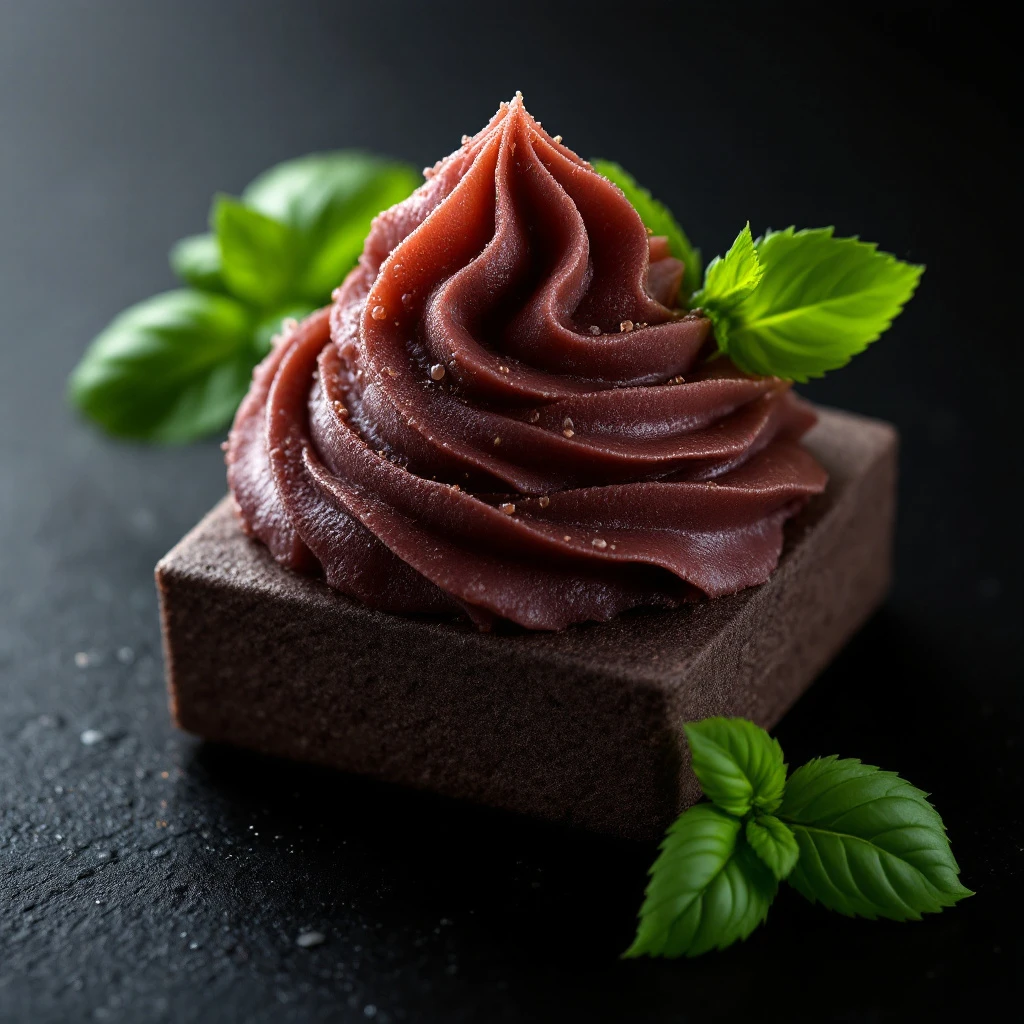
Basil Sorbet captures the bright, frosty snap of crushed basil leaves chilled into something almost edible. This modern accord balances the herb's peppery greenness with a cool, crystalline sweetness that feels both culinary and aquatic.
Character
How it smells
Basil meets ice: crisp, green, almost edible.
Basil's name comes from the Greek 'basilikon phuton,' meaning 'royal herb,' a nod to its status in ancient Mediterranean courts where it was grown for kings, not kitchens.


Origin
India
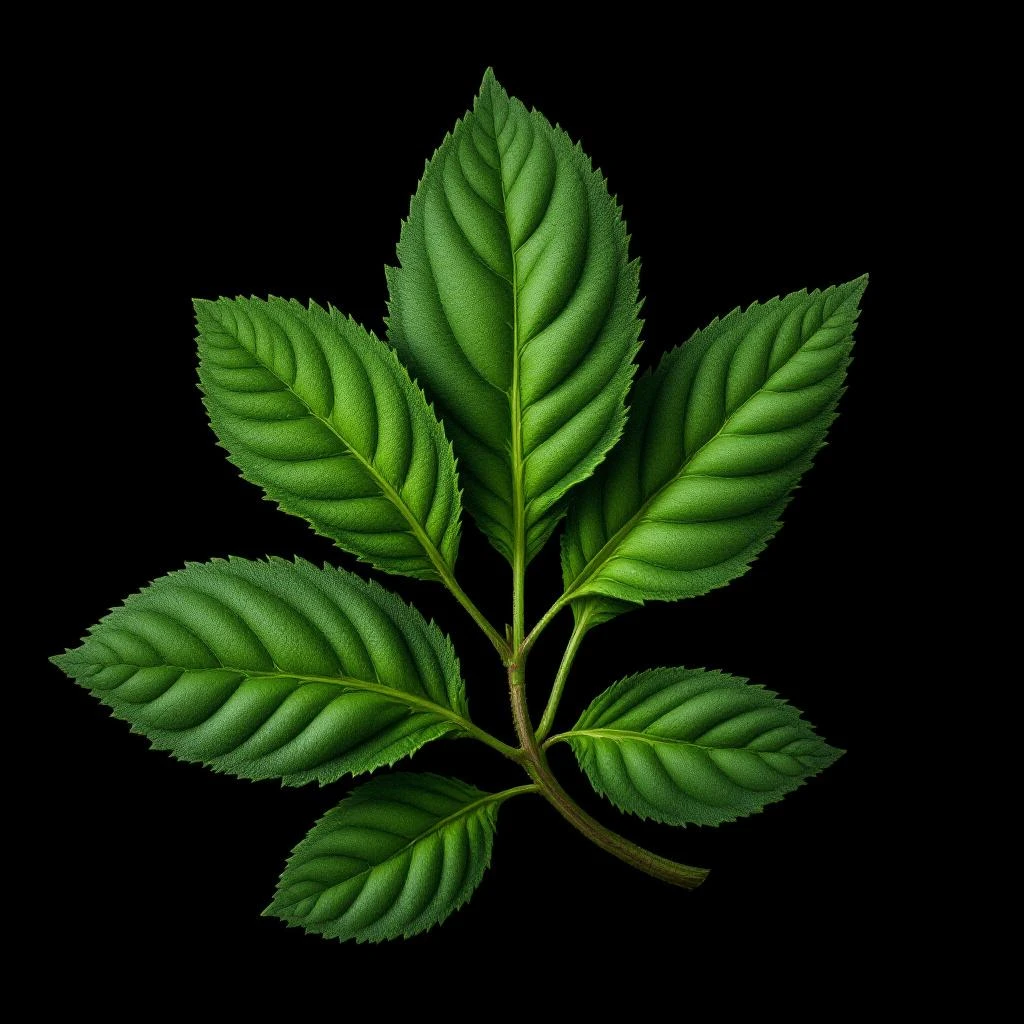
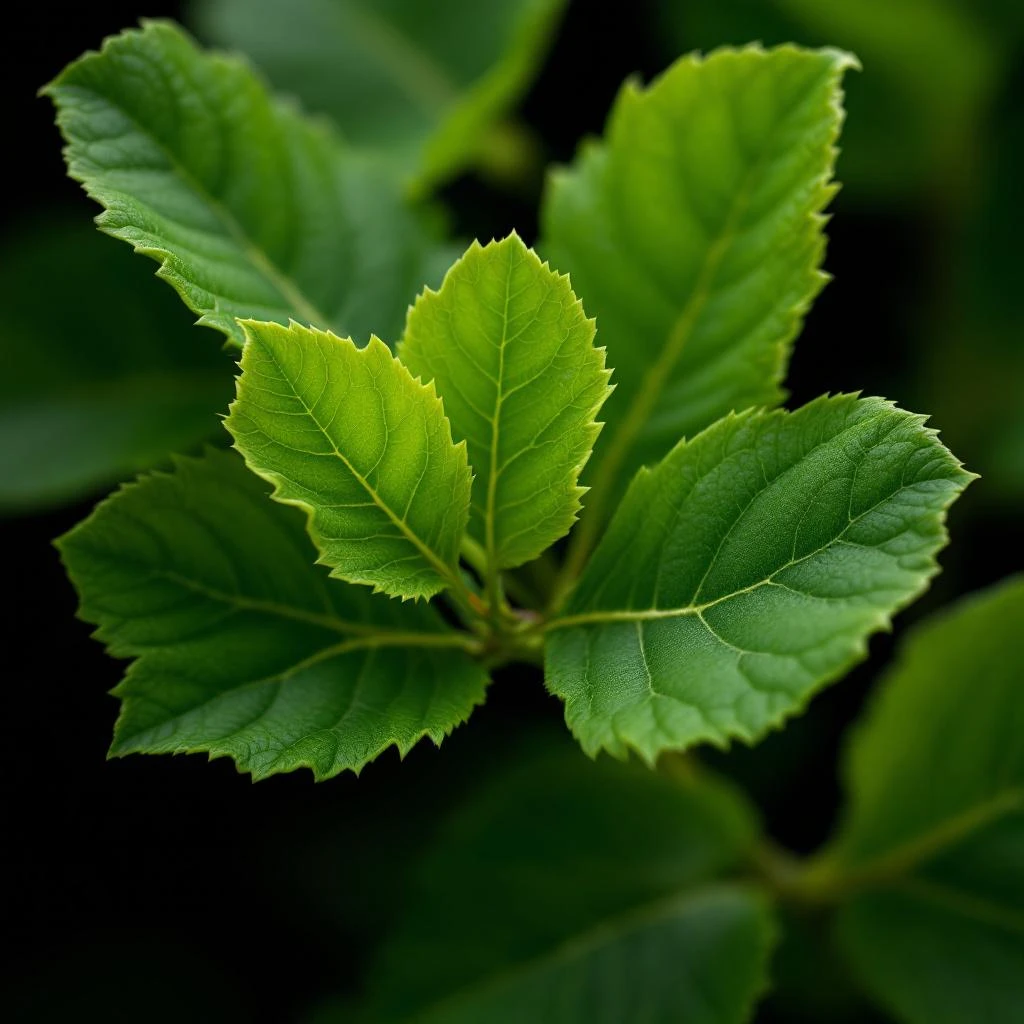
Basil has been cultivated for over 5,000 years, originating in India and Southwest Asia before spreading through ancient trade routes into Egypt, Greece, and Rome. The Greek word 'basilikon phuton' translates to 'royal herb,' reflecting its elite cultivation in palace gardens.
Egyptians used basil in embalming and religious ceremonies, while Mediterranean cultures planted it as a symbol of love and hospitality. By the 19th century, the advent of organic synthesis gave perfumers access to basil's key molecules, linalool and methyl chavicol, independently of the plant.
This allowed fragrance houses to sculpt basil's scent with unusual precision, eventually leading to gourmand-style interpretations like Basil Sorbet. Modern perfumery began reshaping traditional herbal notes in the late 1800s with commercial aroma compounds, and basil's transition from kitchen herb to artistic accord represents that broader shift toward creative abstraction.
Wears it best
Fragrances featuring Basil Sorbet
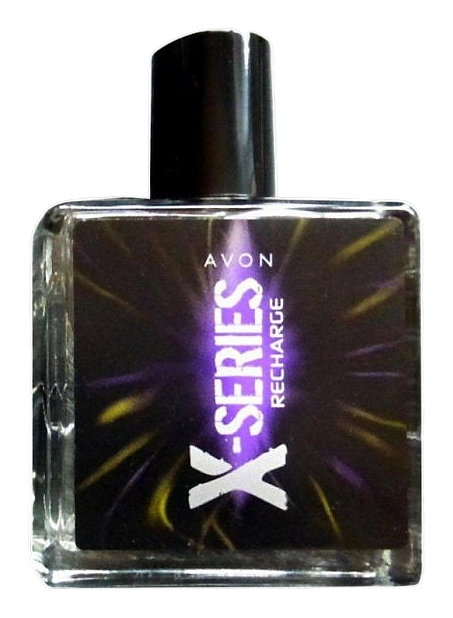
Brands
Brands known for Basil Sorbet
Good to know
Questions, answered
The essentials on Basil Sorbet in perfumery: how it smells, where it comes from, and how it behaves on skin.
What does Basil Sorbet smell like?
Basil Sorbet smells like crushed basil leaves with a cool, sweet edge, blending green peppery freshness with a frosty, almost dessert-like quality. It is brighter and crisper than culinary basil, leaning into aromatic compounds like linalool and estragole.
Is Basil Sorbet a natural ingredient?
Basil Sorbet is typically a modern accord built partly from synthetic aroma chemicals. Natural basil oil is steam-distilled from Ocimum basilicum leaves, but the 'sorbet' cooling facet often comes from additional compounds layered into the blend.
Where does basil originally come from?
Basil originates from India and Southwest Asia, where it has been cultivated for over 5,000 years. Its name derives from the Greek 'basilikon phuton,' meaning 'royal herb,' reflecting its prestige in ancient Mediterranean cultures.
How is basil essential oil extracted?
Basil essential oil is obtained through steam distillation of the plant's leaves and flowering tops. The resulting pale yellow liquid contains key aromatic molecules including linalool, methyl chavicol, and eugenol.
Why is basil called the 'royal herb'?
The name comes from the Greek 'basilikon phuton,' literally 'royal plant.' Ancient Mediterranean elites cultivated basil in palace gardens, and Greeks and Romans considered it a symbol of nobility, love, and hospitality.
What perfumes commonly use basil?
Basil appears widely in fresh and aromatic fragrances, often paired with bergamot, mint, or citrus. Modern interpretations like Basil Sorbet lend a green, cooling lift to both masculine and unisex compositions.
Is Basil Sorbet sweet or herbal?
Basil Sorbet leans herbal but carries a subtle crystalline sweetness, thanks to its cooling synthetic facets. It reads as savory-green on first impression, then reveals a soft, almost frozen-fruit undertone.
How is basil used in perfumery today?
Modern perfumers use basil both as a natural essential oil and as a reconstructed accord, isolating its key molecules like linalool for precise blending. This flexibility allows creative twists such as Basil Sorbet, which extends the herb into gourmand territory.