Baobab
Baobab contributes a subtle, creamy warmth to fragrance compositions. Its seed oil, cold-pressed from the ancient African tree, provides a soft, slightly sweet backbone that blends well with woody and resinous materials. In perfumery, it acts as a grounding element in base note formulations.
Character
How it smells
Ancient African tree oil lending creamy warmth and subtle sweetness to perfumes.
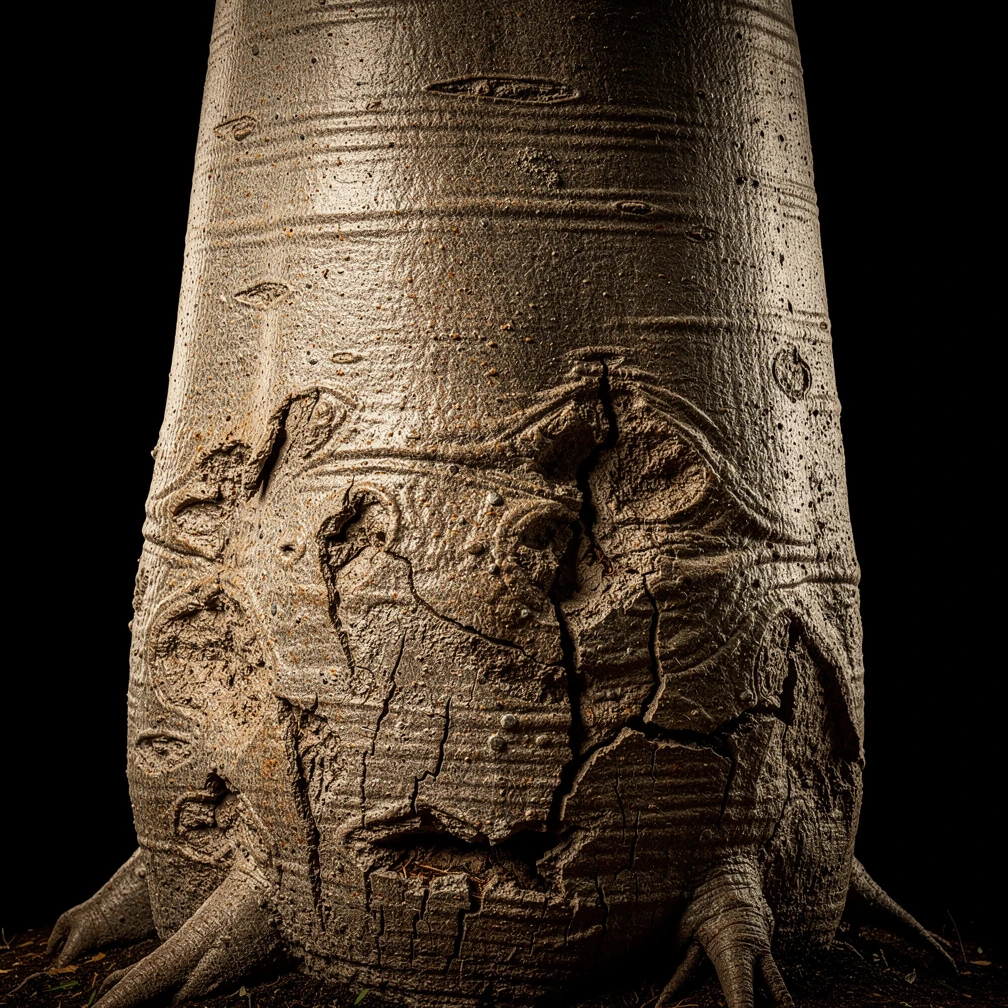
The baobab tree can live for over 2,000 years and store up to 32,000 gallons of water in its massive trunk, earning it the nickname 'tree of life' in African folklore.







Origin
Senegal
The baobab tree has stood as a sacred presence across sub-Saharan Africa for millennia, deeply woven into the cultural and practical life of communities from Senegal to South Africa. Known as the 'tree of life,' this remarkable species can survive in harsh arid environments where few other trees endure, drawing sustenance from deep underground water reserves. Its fruit, bark, and leaves have historically served as food, medicine, and building materials.
In ancient African perfumery traditions, baobab oil was among the natural ingredients utilized for its protective and aromatic qualities. Historical records indicate that scented oils combining baobab, shea, and aloe were applied as sun protection barriers on skin. The baobab's significance extended beyond utility into spiritual realms; its distinctive silhouette, with branches resembling roots reaching upward, has inspired countless creation myths and oral traditions across the continent.
While baobab remained relatively obscure in European fine perfumery until the late 20th century, African artisan brands have increasingly incorporated this indigenous ingredient. Baobab Collection, established in Tanzania in 2002, pioneered the use of local botanical materials including baobab in luxury fragrance compositions. This shift reflects a broader industry movement toward celebrating regional botanical heritage and supporting sustainable sourcing practices across the African continent.
Wears it best
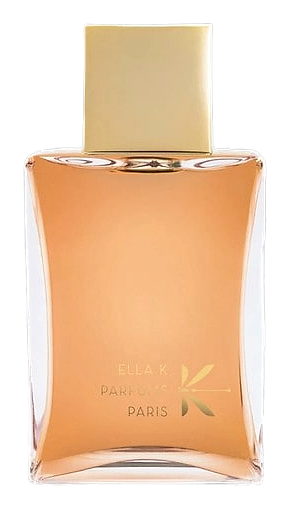
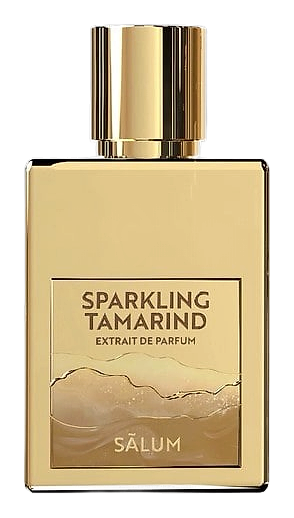
Fragrances featuring Baobab

Brands
Brands known for Baobab
Good to know
Questions, answered
The essentials on Baobab in perfumery: how it smells, where it comes from, and how it behaves on skin.
What does Baobab smell like in perfume?
Baobab seed oil has a mild, creamy scent with subtle nutty and slightly sweet undertones. It functions as a supporting note rather than a dominant aromatic, contributing warmth and smoothness to a fragrance's base without asserting itself prominently. The scent profile is often described as clean, soft, and faintly reminiscent of almonds.
Why is Baobab used in perfumery?
Baobab oil is valued as a fixative agent, helping volatile aromatic compounds remain detectable on skin for longer periods. Its fatty acid composition (roughly 40% oleic acid) allows it to slow evaporation of lighter notes. Additionally, the ingredient carries cultural cachet and supports sustainable sourcing narratives that appeal to consumers seeking authentic botanical stories.
Is Baobab in perfume natural or synthetic?
Baobab used in perfumery is naturally derived, cold-pressed from the seeds of the Adansonia digitata tree. No synthetic equivalent exists as a direct replacement, though synthetic fixed oils can approximate its functional properties. Authentic baobab oil is sourced from wild-harvested or cultivated trees across sub-Saharan Africa, primarily Senegal, Mali, and Tanzania.
What famous perfumes contain Baobab?
Baobab Collection fragrances (White, Gold, Black) prominently feature baobab as a signature ingredient, developed by Carine Roitfeld and launched in 2002 from Tanzania. These luxury candles and perfumes explicitly market baobab as their centerpiece botanical, with White Collection containing baobab seed extract alongside bergamot and peony.
Is Baobab a top note, heart note, or base note?
Baobab functions as a base note material in perfumery. Its fixed oil properties mean it lingers on the skin for extended periods, providing an enduring creamy foundation. Perfumers typically incorporate it in the final stages of composition building to anchor lighter heart and top notes that evaporate more quickly.
What notes pair well with Baobab in perfume?
Baobab harmonizes with woody materials such as cedar and sandalwood, resinous elements like benzoin and frankincense, and warm spices including cardamom and vanilla. These pairings enhance baobab's creamy warmth while creating depth. It also complements floral components, providing a grounding backdrop that prevents lighter notes from dissipating too rapidly.
How is Baobab extracted?
Baobab fragrance material is produced through cold pressing of the seeds, a solvent-free mechanical extraction method that maintains the oil's natural aromatic profile. Seeds are harvested from mature fruit pods, cleaned of pulp, and pressed at temperatures below 49 degrees Celsius. This process preserves essential fatty acids and delicate aromatic compounds that would be degraded by heat-based extraction methods.
Is Baobab used in men's or women's fragrances?
Baobab appears across gender categories in perfumery. Its neutral, creamy character makes it versatile for both masculine and feminine compositions. Baobab Collection's offerings include gender-neutral luxury fragrances, while independent natural perfumers frequently use it in unisex formulations. The ingredient carries no inherent gender association, functioning instead as a bridging element between different olfactory families.