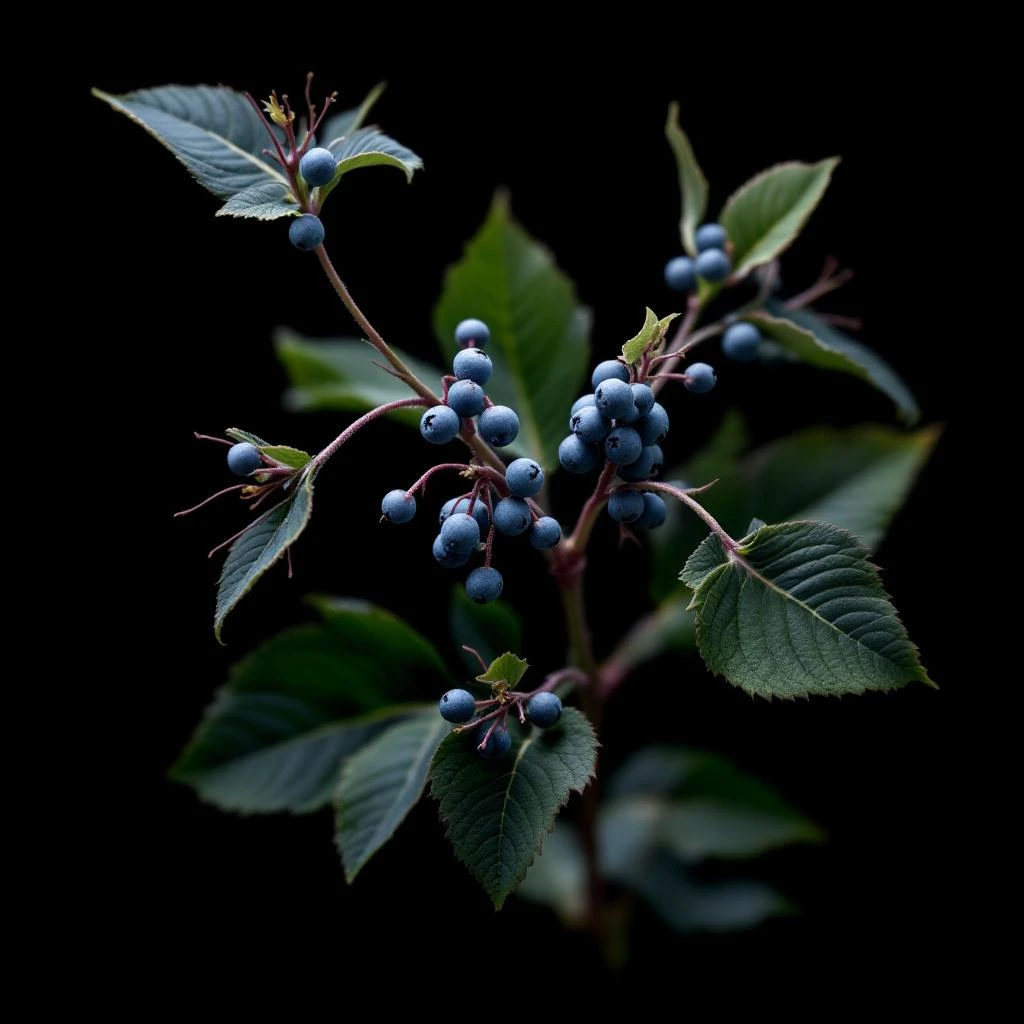
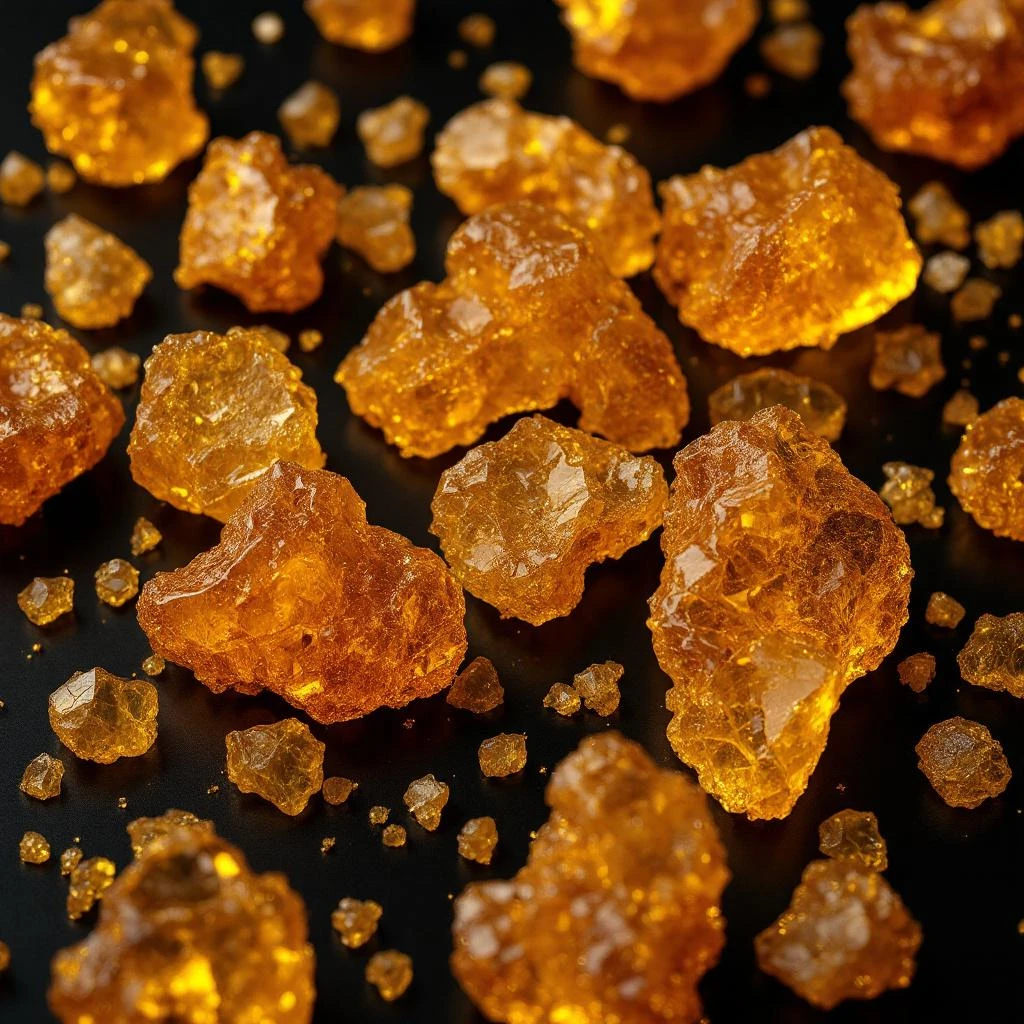
Balsams
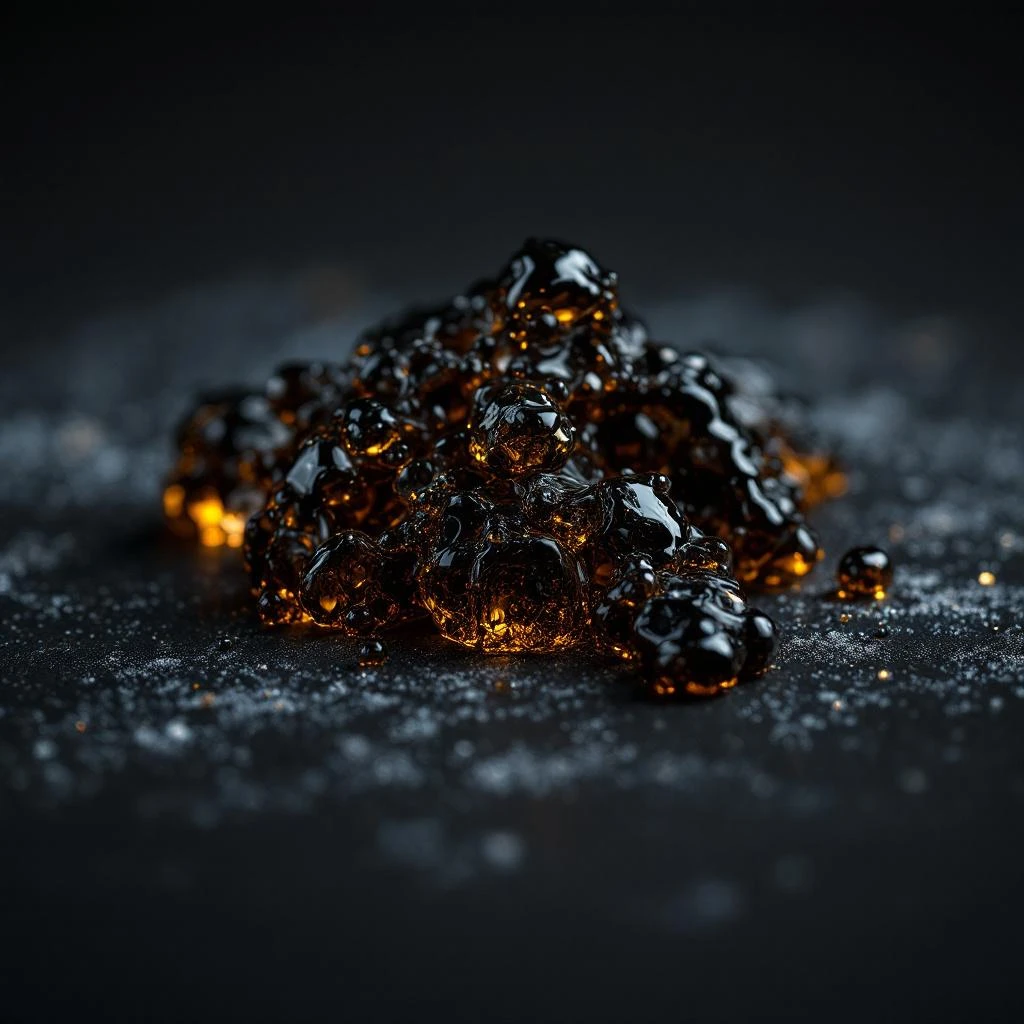
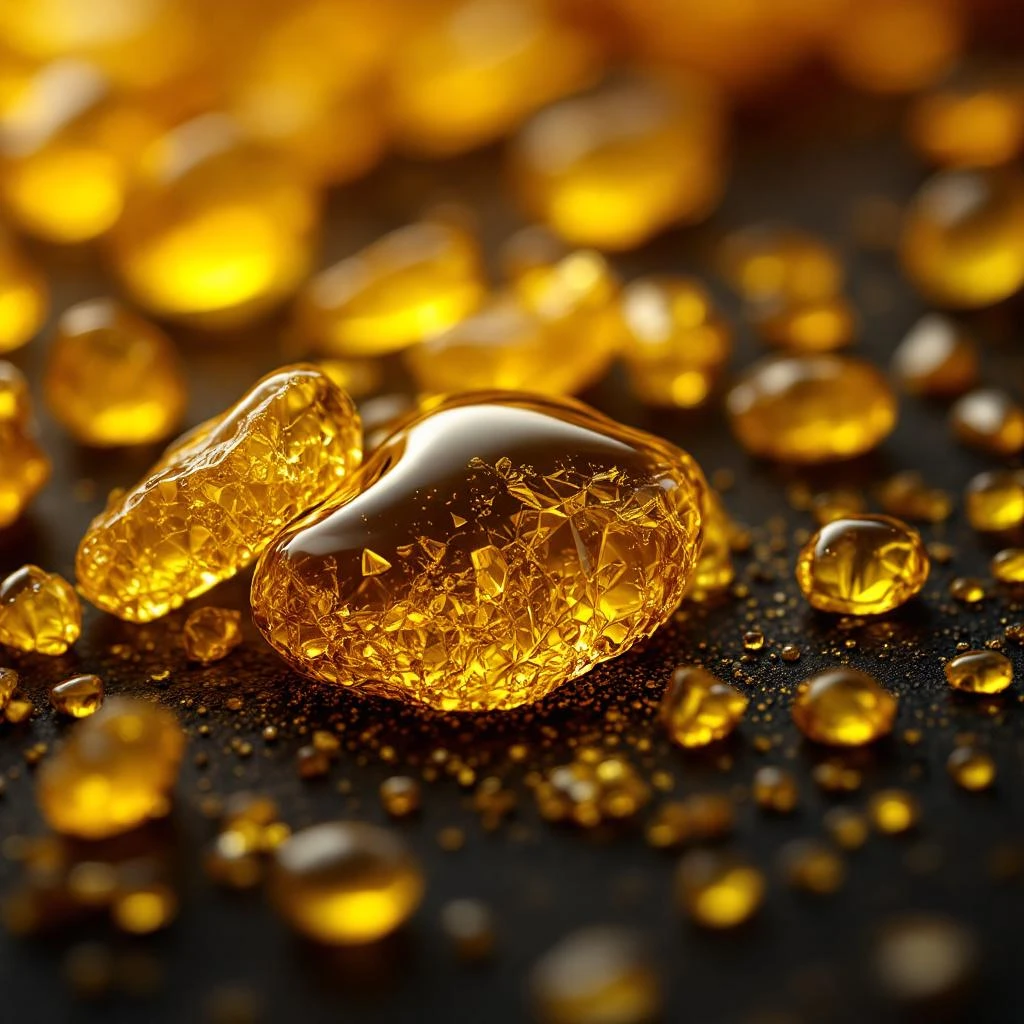
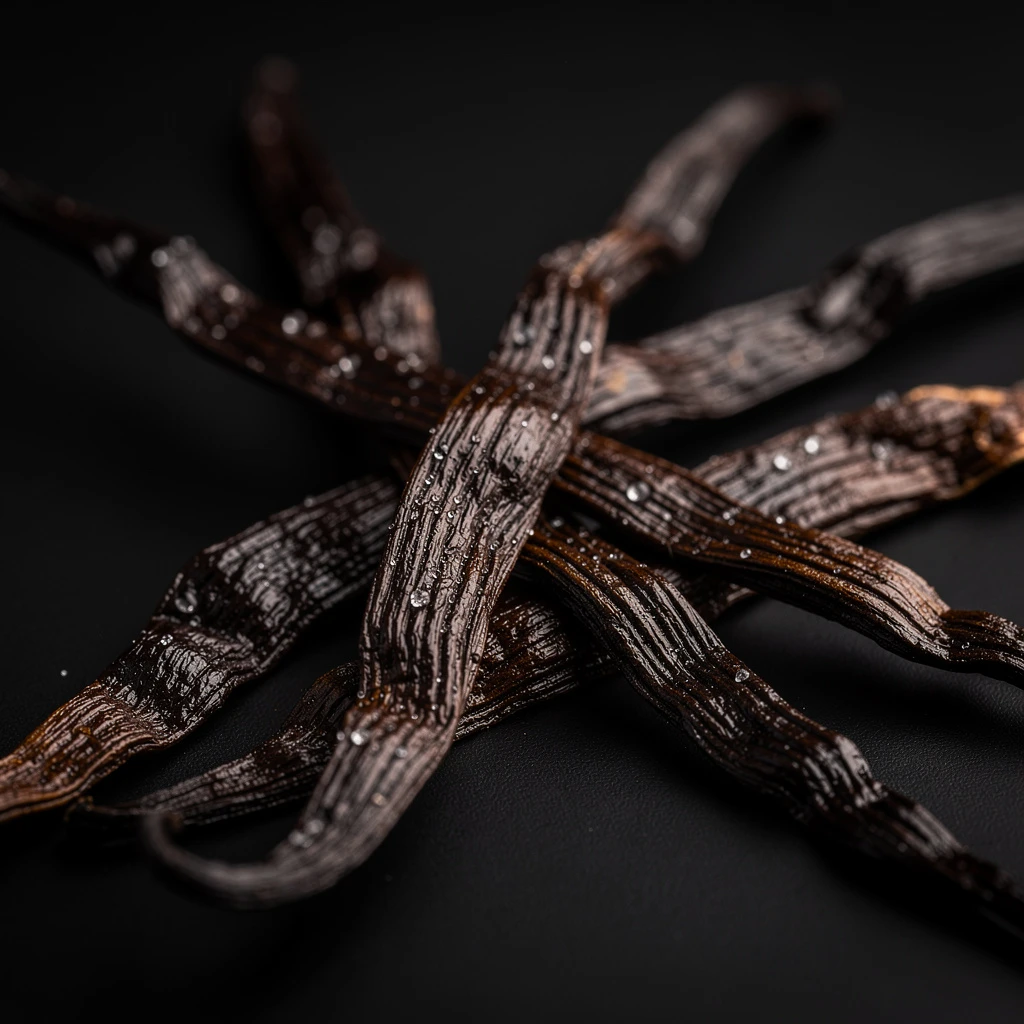
Balsams bring resinous depth to fragrance, with sweet, balsamic warmth shaped by aromatic woods, vanilla-like tones, and subtle spice.
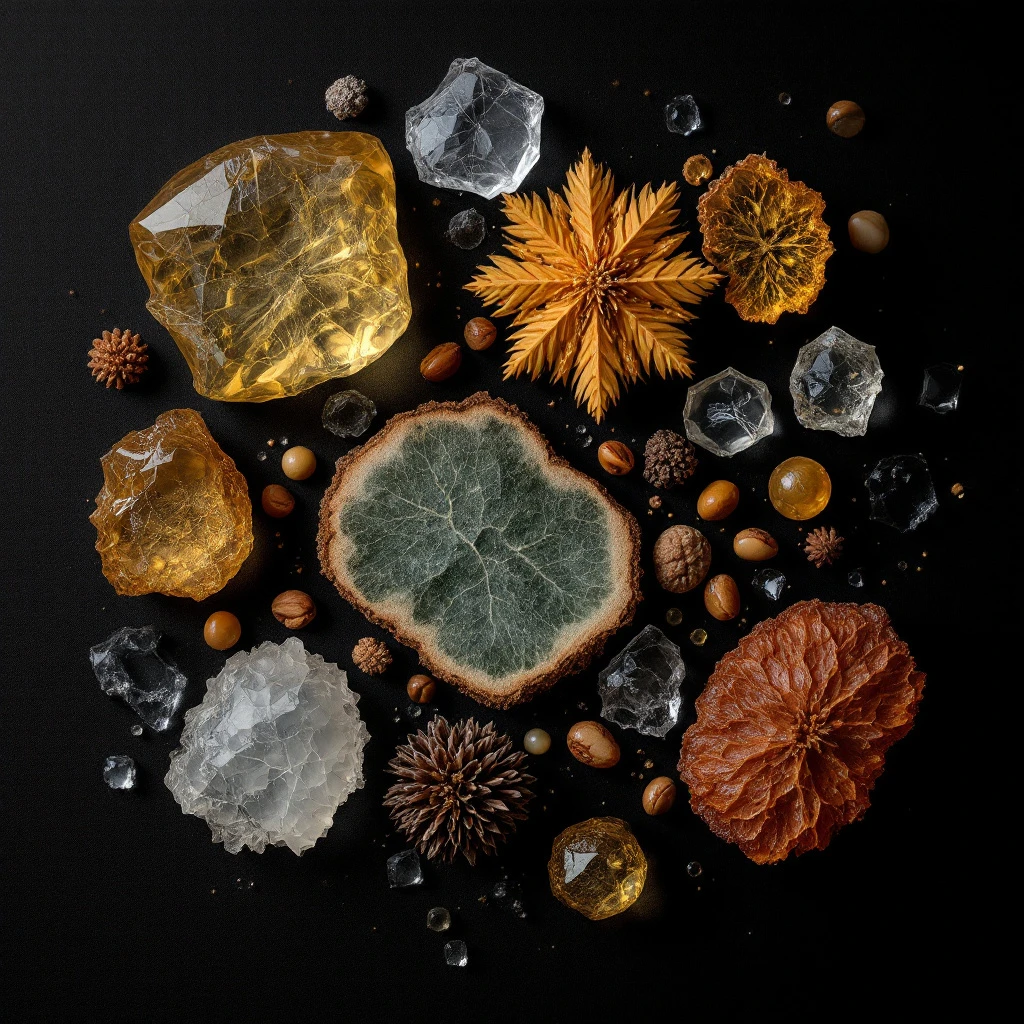
Character
How it smells
Resinous warmth with a sweet, spiced depth
Peru balsam takes its name from a historical trade route through Peru, although the tree is native to El Salvador.
Pairs beautifully with
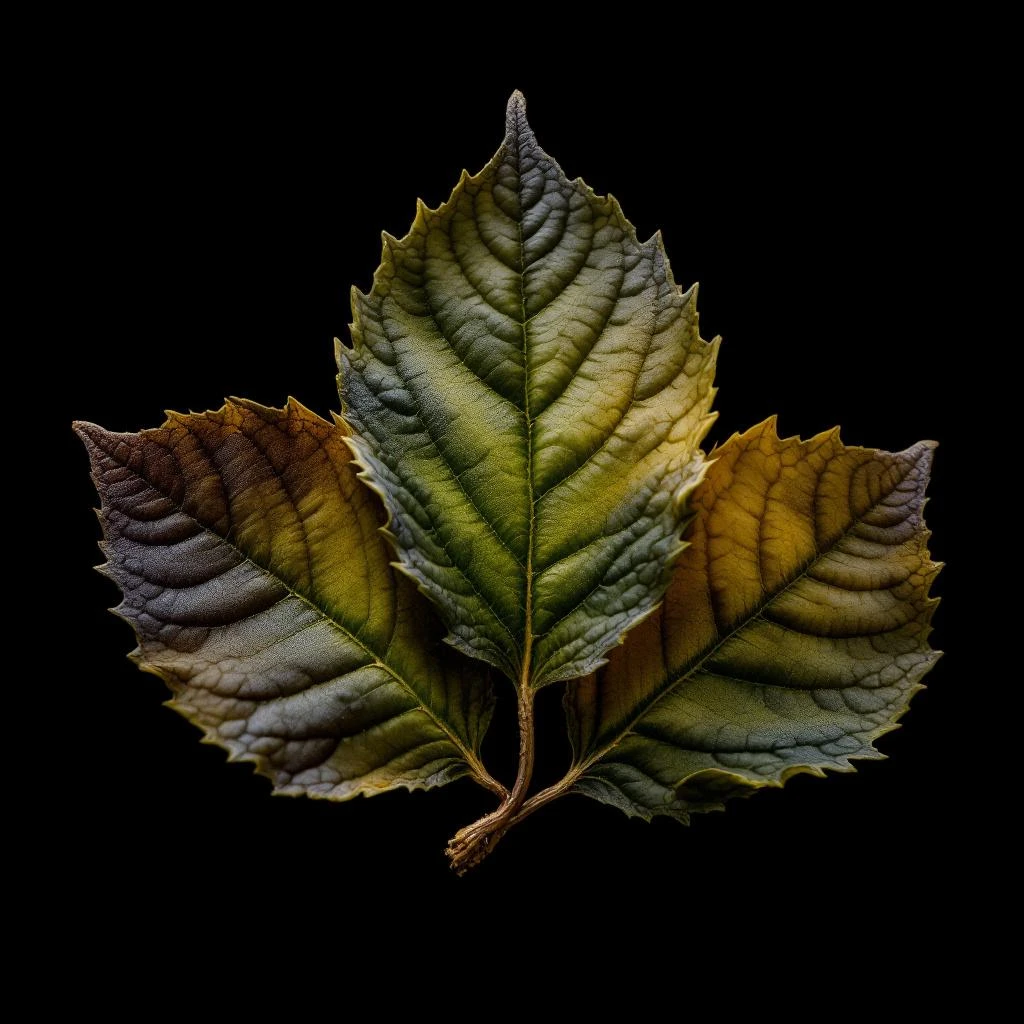
Origin
El Salvador
Balsams have a long history in both medicine and fragrance. Indigenous peoples of Central America used Peru balsam as part of local healing traditions, while resins such as benzoin, myrrh, and incense were valued in ancient ceremonial and aromatic practices.
European naturalists later documented these materials as perfume ingredients, recognizing their ability to soften sharper notes and add lasting depth. Peru balsam became especially important in nineteenth-century perfumery and was widely used in balms, soaps, and tobacco fragrance.
Its name reflects its commercial history along the Peru trade route, not its origin in Peru; the tree is native to El Salvador and neighboring areas of Central America. Today, balsams remain important modifiers in natural-style and classical fragrance compositions.
Wears it best
Fragrances featuring Balsams
Brands
Brands known for Balsams
Good to know
Questions, answered
The essentials on Balsams in perfumery: how it smells, where it comes from, and how it behaves on skin.
What are balsams in perfumery?
Balsams are aromatic plant exudates used as fragrance ingredients. They commonly add resinous sweetness, warmth, and depth, often serving as base notes in woody and amber compositions.
Does Peru balsam come from Peru?
No. Peru balsam comes from the Myroxylon balsamum tree, native to El Salvador and nearby Central America; its name reflects historical trade through Peru.
How is Peru balsam harvested?
Harvesters make shallow cuts in the tree bark, then collect the exuded oleoresam on cloth over several weeks. The material is later processed by hot-water or solvent extraction.
Are balsams essential oils?
Not always. Balsams are resinous plant exudates or extracts, whereas essential oils are volatile oils obtained from plant material. In perfumery, balsams are commonly used as tinctures or absolutes.
What scent does balsam have?
Balsam usually presents a sweet, resinous, slightly balsamic character, balanced by woody, vanilla-like, or spicy facets. The exact profile varies by plant and extraction method.
Where is balsam fir native?
Balsam fir is native to much of eastern and central North America. Its aromatic material is associated especially with the tree’s cones, needles, and twigs.
Why are balsams used in perfume?
Balsams help fragrance compositions develop body and persistence because of their dense, resinous character. They can soften sharper notes and support woody, amber, spice, and gourmand themes.
Are natural balsams replaced by synthetics?
Modern perfumery uses both natural balsam extracts and synthetic aroma chemicals. Synthetics can reproduce specific balsamic effects, while natural materials remain valued for their complex character.