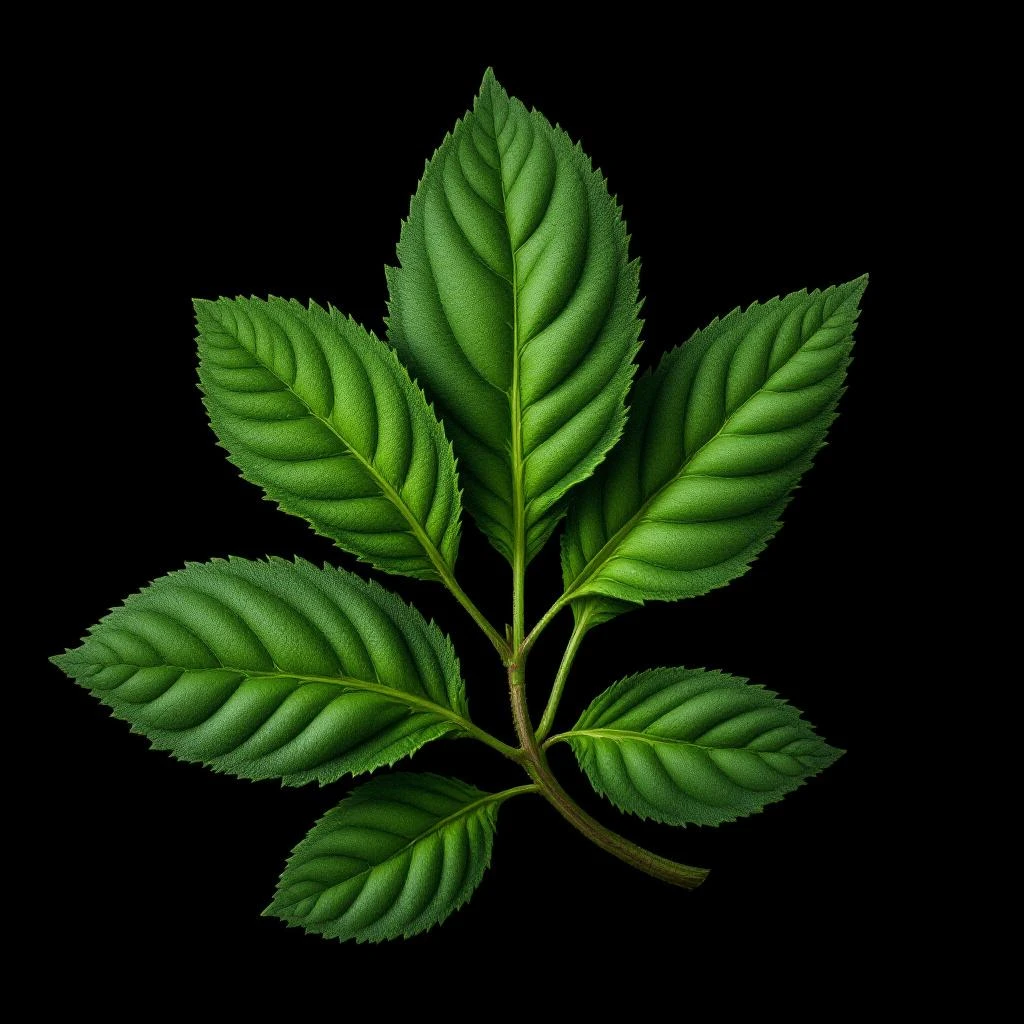
Balsam Tree
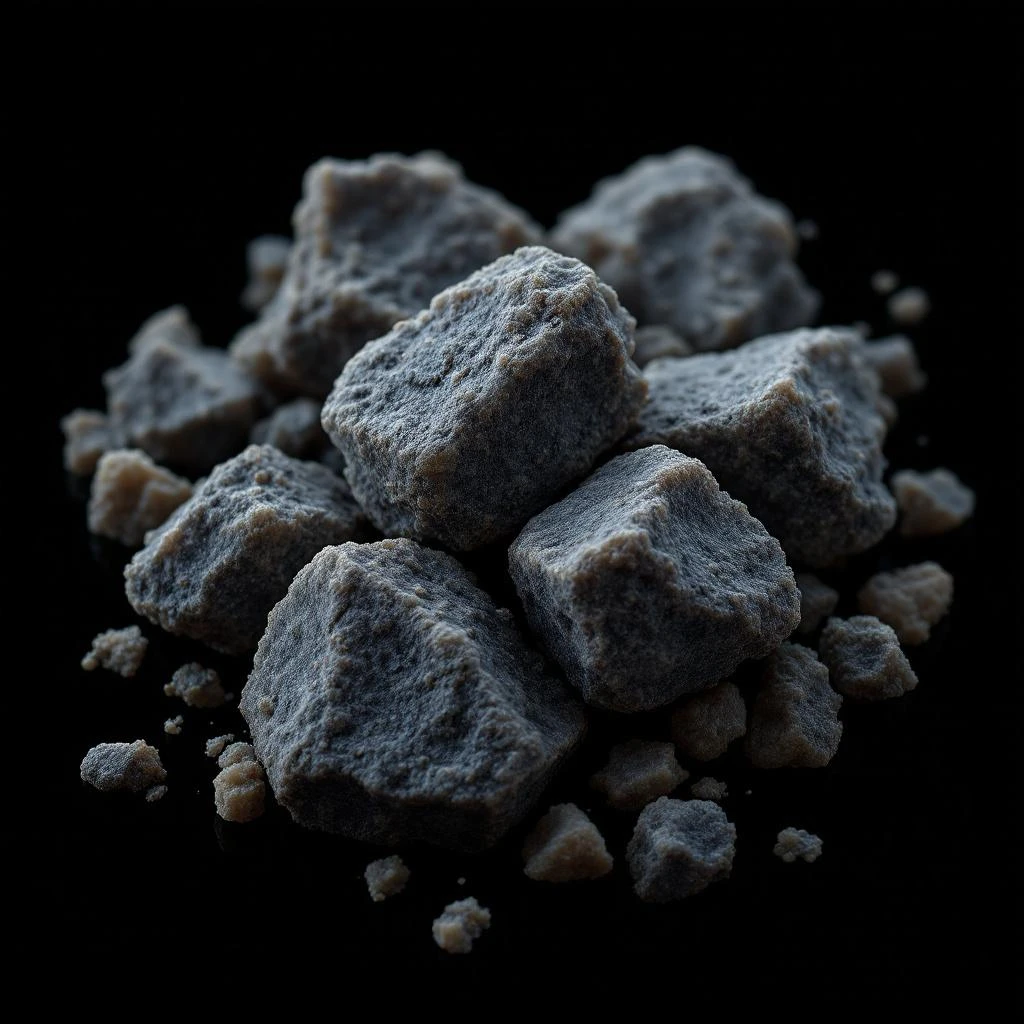
A warm, resinous treasure from Central American forests, Balsam Peru has enchanted perfumers for centuries with its sweet, balsamic depth and vanilla-like warmth.
Character
How it smells
Sweet resin, warm depth
Despite its name, Balsam Peru actually originates from El Salvador—the misnomer stuck after Spanish colonial trade routes mislabeled shipments.



Origin
El Salvador
Long before European traders arrived, indigenous peoples of Central America incorporated Balsam Peru into their natural medicine traditions. The resin served as a healing agent, a protective balm, and an ceremonial incense.
When Spanish colonists began exporting the commodity through the port of Callao in Peru, the geographical misnomer became permanent in international trade records. By the colonial era, Balsam Peru had become a valued export commodity, prized across Europe for its therapeutic and aromatic properties.
Today, El Salvador remains the primary source, with the tree now growing almost exclusively in its native forests. The ingredient has evolved from medicinal panacea to a cornerstone of perfumery, lending warmth and longevity to countless fragrance compositions.
Wears it best
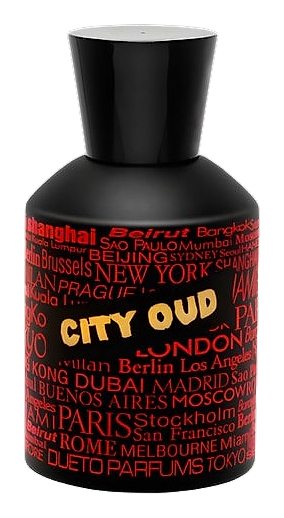
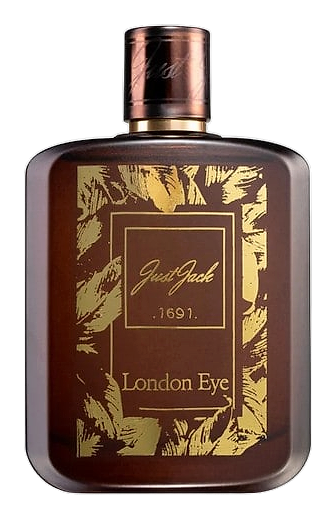
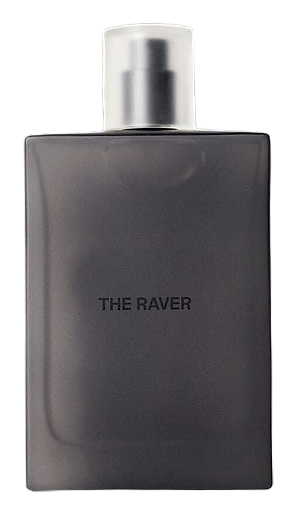
Fragrances featuring Balsam Tree
Brands
Brands known for Balsam Tree
Good to know
Questions, answered
The essentials on Balsam Tree in perfumery: how it smells, where it comes from, and how it behaves on skin.
What does Balsam Peru smell like?
Balsam Peru delivers a warm, sweet, and resinous aroma with vanilla undertones, subtle cinnamon warmth, and honeyed depth. Its rich, almost oriental character makes it exceptional for adding body and longevity to fragrance compositions.
Where does Balsam Peru actually come from?
Balsam Peru originates from El Salvador, not Peru. Spanish colonial trade routes shipped the resin through the Port of Callao in Peru, causing the persistent geographical misnomer that survives today.
How is Balsam Peru harvested from trees?
Harvesters wound the Myroxylon tree trunk, then wrap the exposed areas with cloth. After approximately six weeks, workers collect the resin-soaked cloth and boil it in water to extract the oleoresin.
What is the traditional collection method for Balsam Peru?
The traditional method involves wounding the tree bark, wrapping with cloth to absorb the weeping resin, and leaving the material in place for about six weeks before extraction through boiling.
Why do perfumers use Balsam Peru in fragrances?
Perfumery isolates of Balsam Peru deliver long-lasting balsamic, sweet, and rich notes with an oriental character. It functions as a natural fixative, extending the wear of lighter top notes.
Is Balsam Peru related to Balsam Fir?
No. Balsam Peru comes from Myroxylon pereirae, native to Central America. Balsam Fir (Abies balsamea) grows in North American forests and produces different aromatic compounds through needle extraction.
What part of the tree yields Balsam Peru?
The resin oozes from wounds made in the tree trunk. Unlike many materials harvested from bark or wood, Balsam Peru is specifically a wound-induced oleoresin that the tree produces as a protective response.
How long has Balsam Peru been used in perfumery?
European traders documented Balsam Peru as a valued commodity by the colonial era, though indigenous peoples of Central America used it for centuries before. Its perfumery applications expanded significantly after 19th-century solvent extraction techniques emerged.