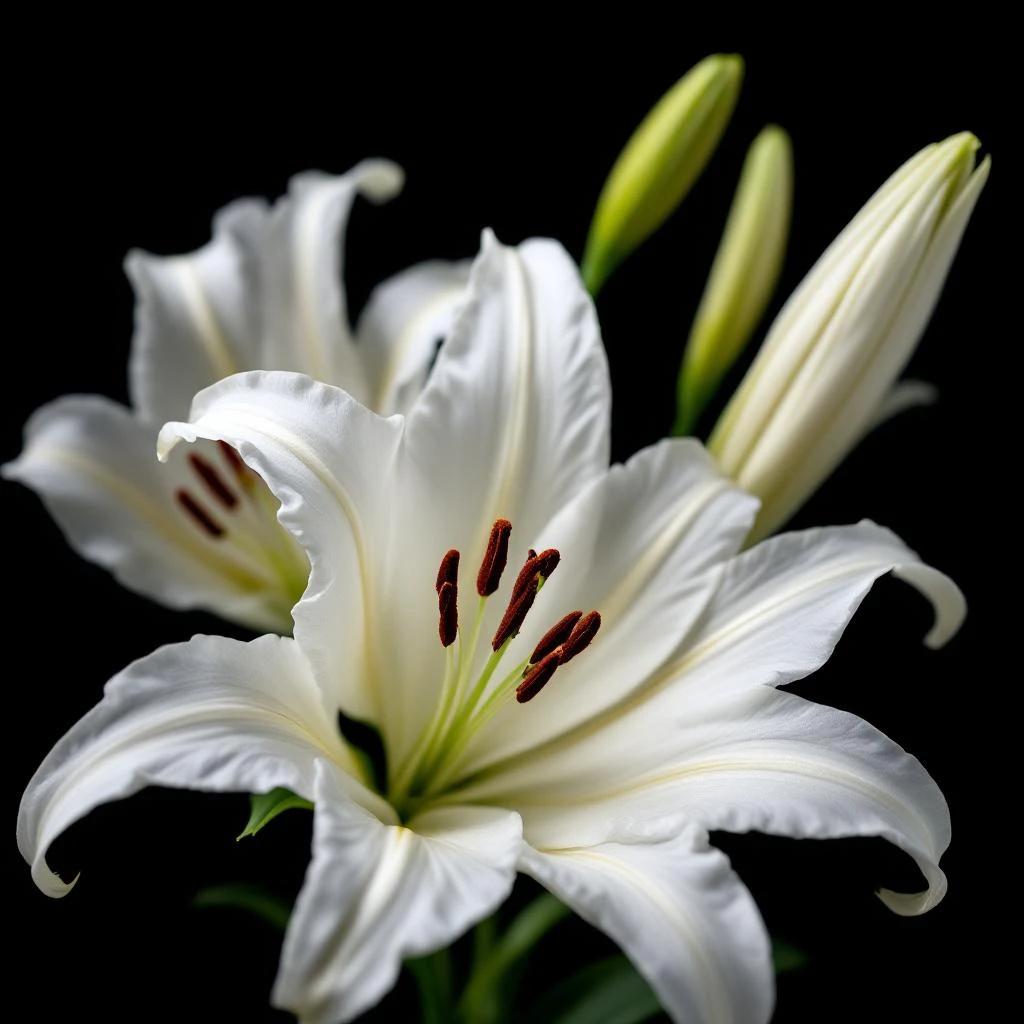
Azteca Lily
Azteca Lily captures the essence of Mexico's native lilies through advanced fragrance chemistry, translating sacred botanical heritage into a contemporary perfumery note with bright, green-floral character.
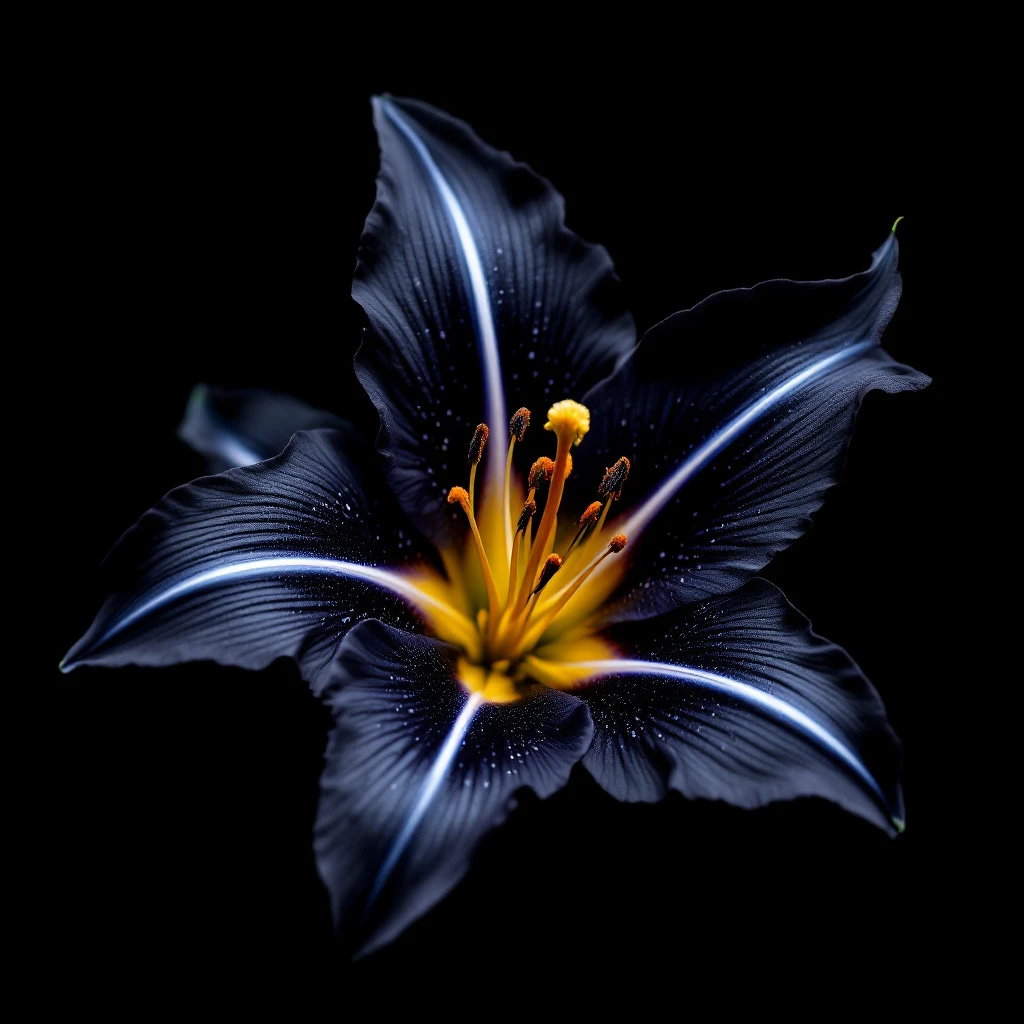
Character
How it smells
Sacred floral heritage from Mexican soil, reimagined.
The Aztecs associated lilies with purity and spiritual protection, incorporating them into ceremonial offerings and temple decorations.


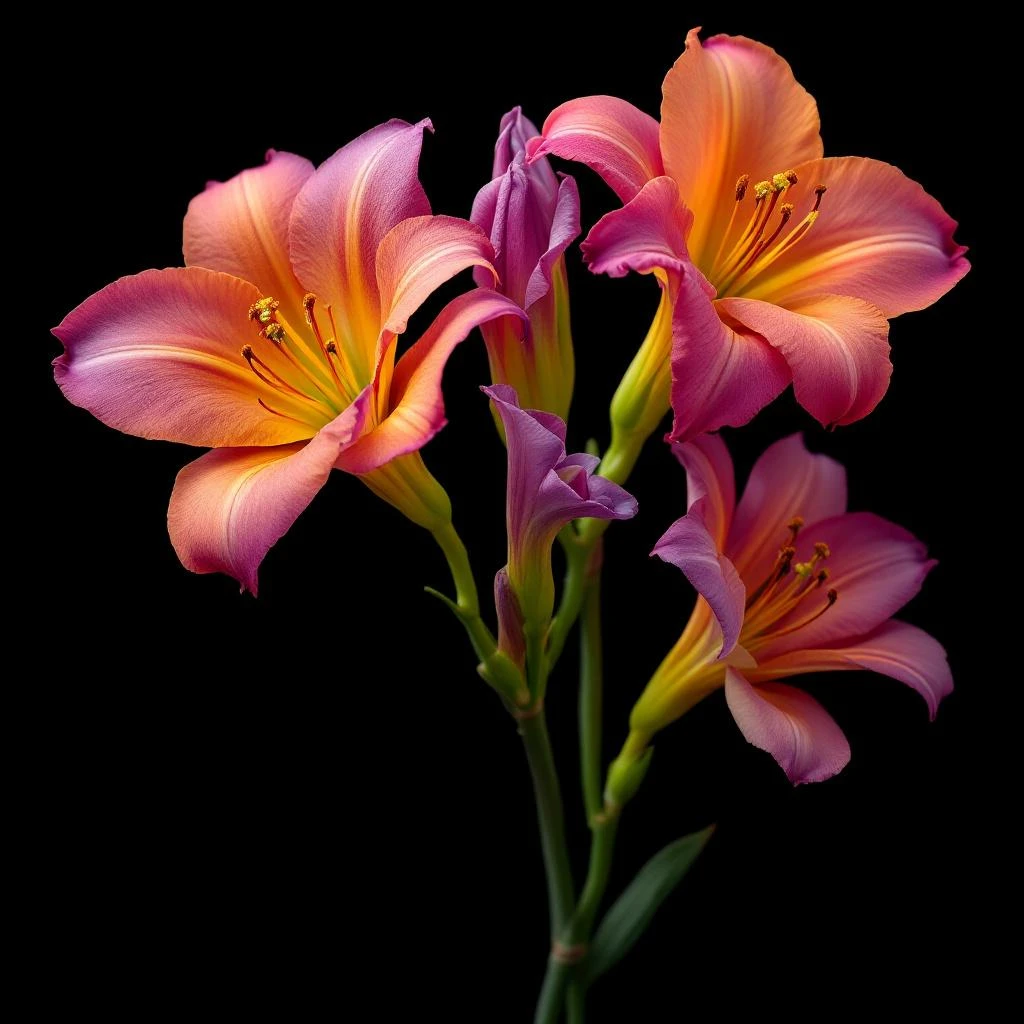






Origin
Mexico
While specific documentation of Azteca Lily as a named fragrance ingredient is limited, the cultural significance of lilies within pre-Columbian Mexican civilization provides context for its inspiration. The Aztecs cultivated lilies in temple gardens and used flower extracts in ceremonial incense, associating these blooms with divine purity and protection. Contemporary perfumers developed the Azteca Lily concept to honor this botanical heritage, creating a modern olfactive interpretation grounded in historical reverence.
The ingredient emerged as part of a broader movement in fine fragrance that seeks to honor regional botanical traditions through the lens of modern chemistry. Rather than attempting to extract scent from delicate lily petals, perfumers constructed the profile synthetically to ensure both sustainability and faithful representation of the intended character.
Wears it best
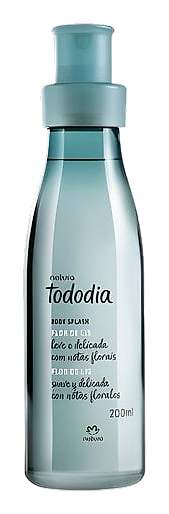
Fragrances featuring Azteca Lily

Brands
Brands known for Azteca Lily
Good to know
Questions, answered
The essentials on Azteca Lily in perfumery: how it smells, where it comes from, and how it behaves on skin.
Is Azteca Lily a natural or synthetic ingredient?
Azteca Lily is a synthetic fragrance compound. Like lily of the valley, true lilies cannot be extracted commercially, so perfumers create the note through fragrance chemistry to ensure consistency and sustainability.
What does Azteca Lily smell like?
Azteca Lily presents a bright, green-floral character with delicate sweet undertones and fresh, slightly dewy nuances reminiscent of morning-blooming flowers native to Mexican highlands.
Why do perfumers use synthetic lily notes?
Most lilies produce scent compounds too volatile or in quantities too small for commercial extraction. Synthetics like Azteca Lily provide a reliable, sustainable alternative that captures the intended olfactory profile.
What is the origin of the Azteca Lily name?
The name references Mexico's pre-Columbian heritage, where lilies held sacred significance. The Aztecs cultivated lilies in temple gardens and used flower extracts in ceremonial practices.
Is Azteca Lily used in fine fragrance?
Azteca Lily appears as a supporting or heart note in fragrances that aim for fresh, floral profiles with cultural depth, particularly those with Latin-inspired or garden-themed concepts.
Can Azteca Lily be combined with other florals?
Azteca Lily blends well with jasmine, ylang-ylang, and green notes. Its clean profile also pairs nicely with citrus and light woody accords for fresh daytime compositions.
Does Azteca Lily have any safety considerations?
As a synthetic fragrance ingredient, Azteca Lily undergoes IFRA compliance testing. Manufacturers provide usage guidelines that perfumers follow to ensure safe concentrations in final products.
How does Azteca Lily differ from natural lily absolute?
Natural lily absolute essentially does not exist commercially. Azteca Lily provides a reproducible scent profile derived from fragrance chemistry, eliminating the batch variability inherent in any attempted natural extraction.