Ayahuasca
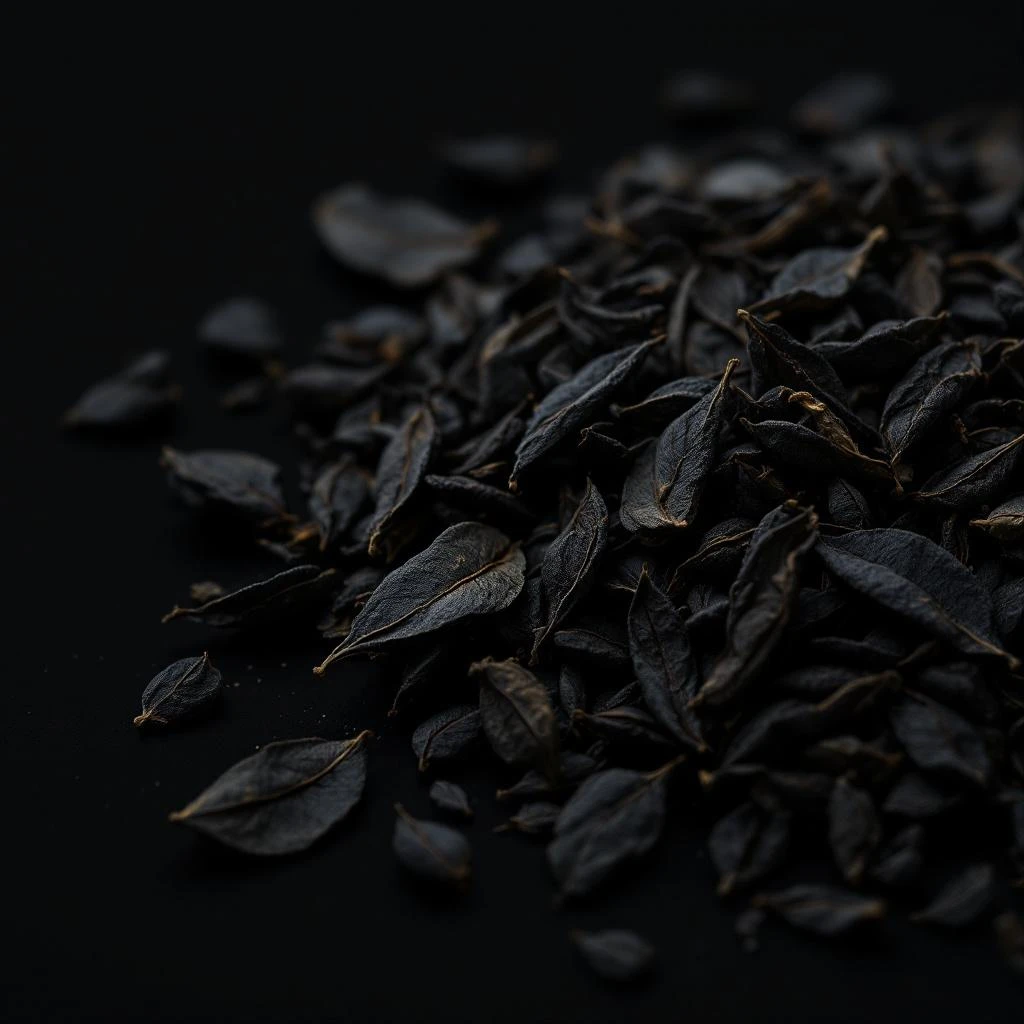
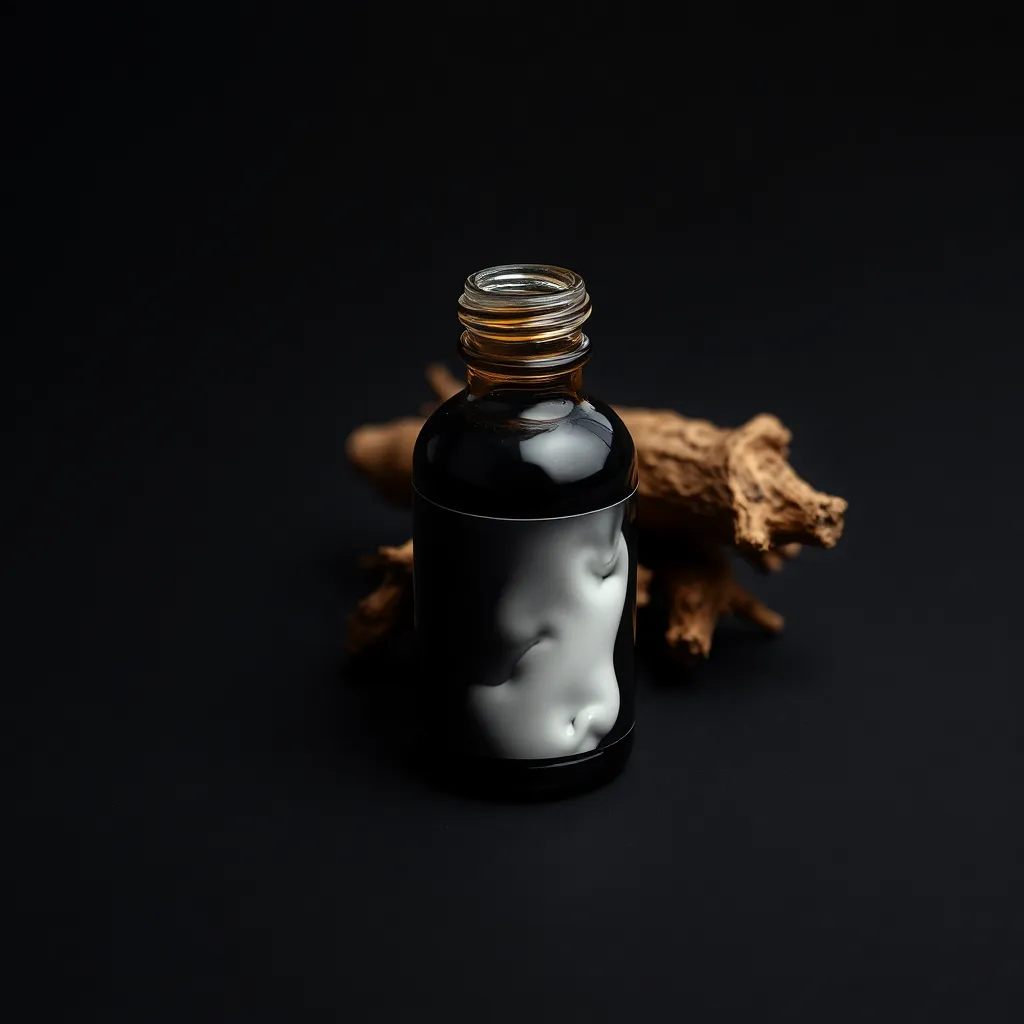
A rare and controversial perfumery ingredient derived from sacred Amazonian botanicals. Ayahuasca brings deep, earthen complexity with smoky, woody resonance and resinous undertones that anchor compositions with primal depth.
Character
How it smells
Sacred earth, primordial smoke, living depth.
Ayahuasca translates to "vine of the soul" in Quechua, reflecting its traditional role as a spiritual conduit in Amazonian ceremonies.





Origin
Peru
Ayahuasca's documented history spans roughly 150 years in the Amazon basin, though its exact origins remain debated among scholars. The decoction combines Banisteriopsis caapi, sometimes called the "vine of the dead," with various DMT-containing plants to create a ceremonial beverage used by Indigenous communities across Peru, Colombia, Brazil, and Bolivia. Anthropologists and ethnobotanists have documented its use among the Shipibo, Asháninka, and other groups for healing rituals, spiritual divination, and community ceremonies.
The brew gained wider attention in the mid-20th century when Western researchers began studying its pharmacological properties and cultural context. In perfumery, ayahuasca emerged as a niche natural material in the early 2000s, valued for its uncompromisingly raw and terrestrial scent profile that differs sharply from sanitized, synthetic interpretations of nature.
Wears it best
Fragrances featuring Ayahuasca
Brands
Brands known for Ayahuasca
Good to know
Questions, answered
The essentials on Ayahuasca in perfumery: how it smells, where it comes from, and how it behaves on skin.
Is ayahuasca actually used in commercial perfumes?
Yes, specialized perfumers use ayahuasca-derived absolutes as rare base notes. The material provides an uncompromisingly raw, earthy depth that appeals to fragrance creators seeking authentic natural materials with cultural significance.
What does ayahuasca smell like in a fragrance?
Ayahuasca delivers deep earthen notes with smoky undertones and a bitter, woody foundation. The scent evokes damp forest floor, charred bark, and resinous warmth that lingers in the dry-down.
Is ayahuasca safe for use in skin contact products?
When properly processed and diluted by professional extractors, ayahuasca absolutes meet IFRA safety standards for cosmetic use. As with any potent natural material, appropriate dilution in the final formulation is essential.
Why would a perfumer choose ayahuasca over synthetic alternatives?
Synthetic versions cannot replicate the complex terroir of the living plant. Authentic ayahuasca extract captures specific molecular interactions between compounds that create a multidimensional, irreplaceable scent signature.
How does ayahuasca interact with other fragrance ingredients?
Ayahuasca anchors compositions with primal depth, blending seamlessly with other resins, woods, and earth notes. It adds authenticity to oud, patchouli, and vetiver combinations while providing unexpected contrast to bright citruses.
What are the ethical concerns around ayahuasca in perfumery?
Responsible perfumers source ayahuasca through direct relationships with Indigenous communities and cooperatives. This ensures fair compensation and respects the cultural origins of the material rather than exploiting sacred botanicals.
Does ayahuasca contain psychoactive compounds?
The raw botanical contains DMT, but the extraction process used for perfumery materials removes or drastically reduces psychoactive compounds. Fragrance materials undergo processing that makes them suitable for cosmetic use without psychological effects.
How should I experience an ayahuasca fragrance?
Apply to pulse points and allow the fragrance to develop over several hours. The top notes emerge within minutes, but the true ayahuasca character reveals itself in the dry-down as the earthy, smoky base note surfaces.