Asian Lotus
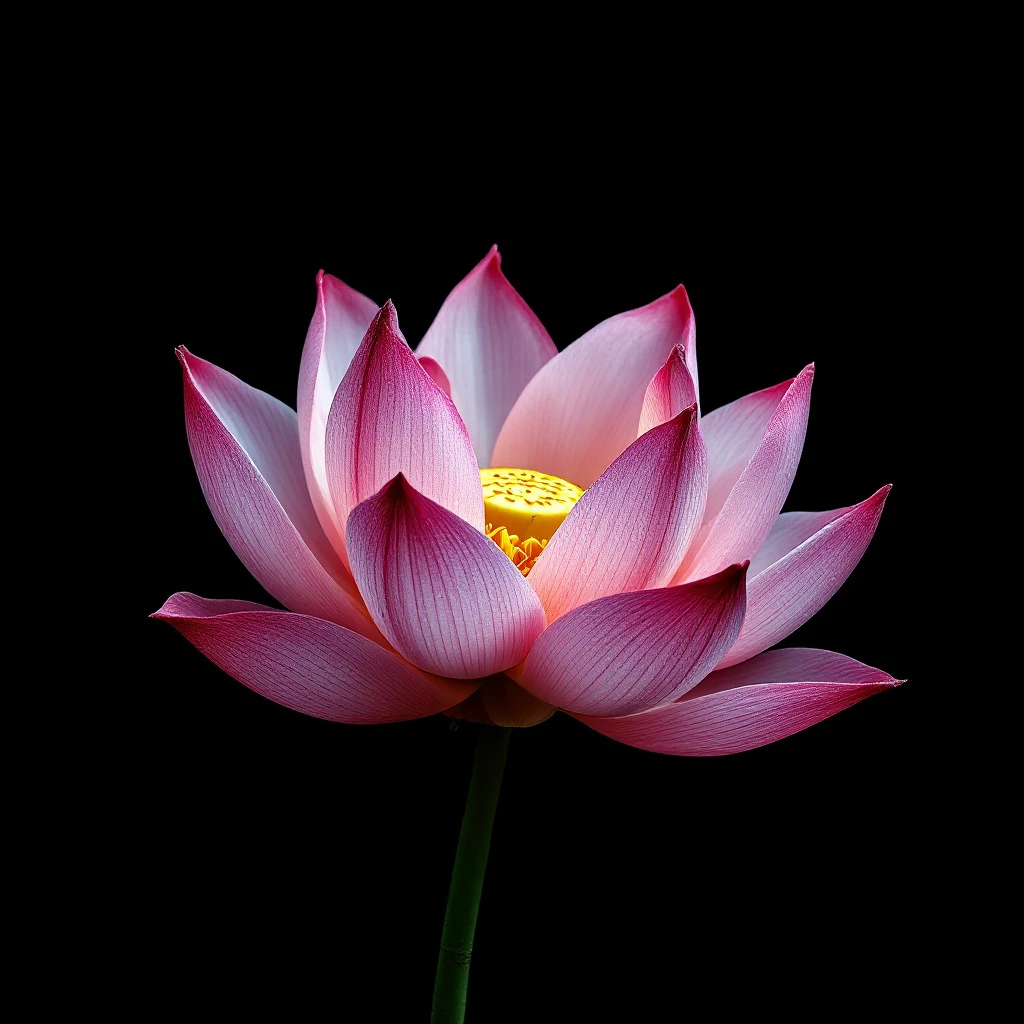
Asian Lotus brings a serene, aquatic floralcy to fragrance. Native to Tropical Asia and Australia, this sacred bloom carries centuries of spiritual symbolism. Its delicate scent cannot be extracted from nature, so perfumers reconstruct it molecule by molecule.
Character
How it smells
A sacred bloom reborn through molecular artistry
Ancient Egyptians and Indians both revered the lotus as a symbol of rebirth and divine purity.


Origin
India
The lotus holds deep symbolic weight across Asian civilizations. In India, Nelumbo nucifera represents purity and divine birth, rising untouched from muddy waters. Ancient Egyptians associated the blue lotus with the sun and rebirth, placing it in tombs and temple offerings.
These traditions made lotus a sacred material long before perfumery existed as a craft. Greeks, Romans, Persians, and Arabs later refined fragrance production techniques, creating the infrastructure that would eventually let perfumers attempt to bottle this spiritual bloom's essence.
Wears it best
Fragrances featuring Asian Lotus
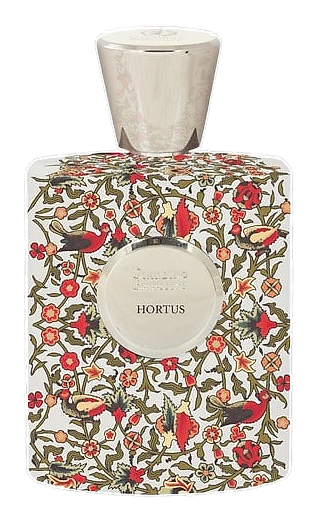
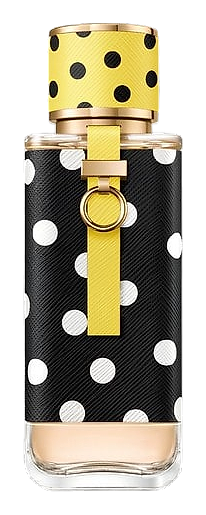
Brands
Brands known for Asian Lotus
Good to know
Questions, answered
The essentials on Asian Lotus in perfumery: how it smells, where it comes from, and how it behaves on skin.
Is Asian Lotus a natural or synthetic ingredient?
Asian Lotus is synthetic. Its aromatic compounds cannot survive extraction, so perfumers recreate the scent profile using aroma chemicals that mirror the fresh, aquatic character of Nelumbo nucifera or water lily species.
What does Asian Lotus smell like?
Asian Lotus offers a fresh, aquatic floral scent with green and slightly sweet facets. It reads as serene and ethereal, bringing a watery quality that works well in modern, minimalist fragrances.
Why do perfumers use synthetic lotus instead of natural extracts?
Natural lotus does not yield extractable aromatic material. Perfumers studied the scent profile of fresh lotus flowers and created synthetic alternatives that achieve the same olfactory effect reliably.
What cultures associated lotus with rebirth and divinity?
Indian and Ancient Egyptian cultures both revered lotus as a symbol of purity and rebirth. Nelumbo nucifera holds sacred status in Hindu and Buddhist traditions, while Nymphaea species appeared in Egyptian funerary art.
Can lotus scent be found in any natural perfume ingredient?
No. Lotus does not produce extractable aromatic compounds in quantities sufficient for perfumery. Any perfume listing lotus as a note relies on synthetic recreation.
Which fragrance families commonly use Asian Lotus?
Asian Lotus appears frequently in fresh, aquatic, and green fragrance families. It suits modern minimalist perfumes and works alongside marine notes, white florals, and lightweight musks.
What extraction method works for lotus flowers?
Traditional methods like steam distillation and solvent extraction fail with lotus because the scent compounds are too volatile. The industry addresses this through synthetic molecular reconstruction.
Where does the lotus used in perfumery originate?
The botanical sources are native to Tropical Asia and Queensland, Australia. Nelumbo nucifera grows across India, China, and Southeast Asia, though perfumers work from scent analysis rather than actual extraction.



