Asian Frangipani
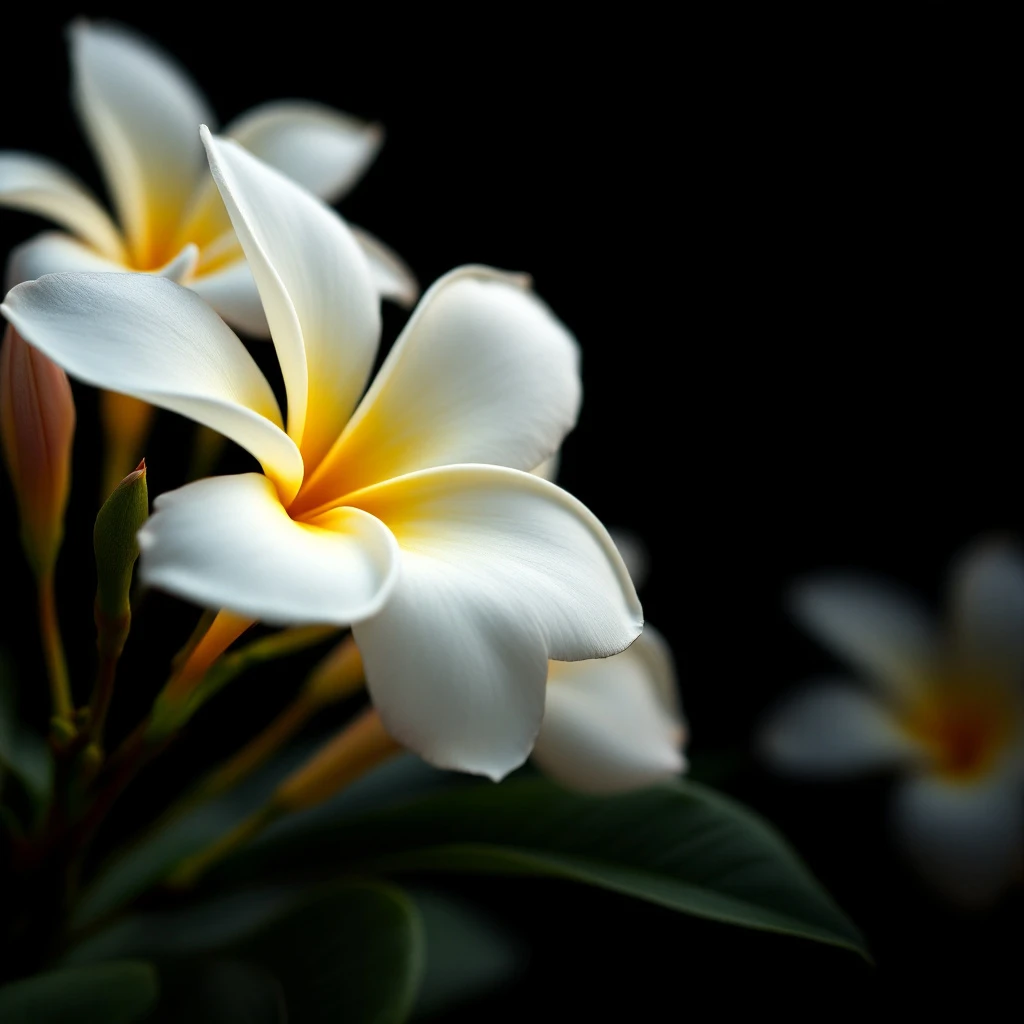
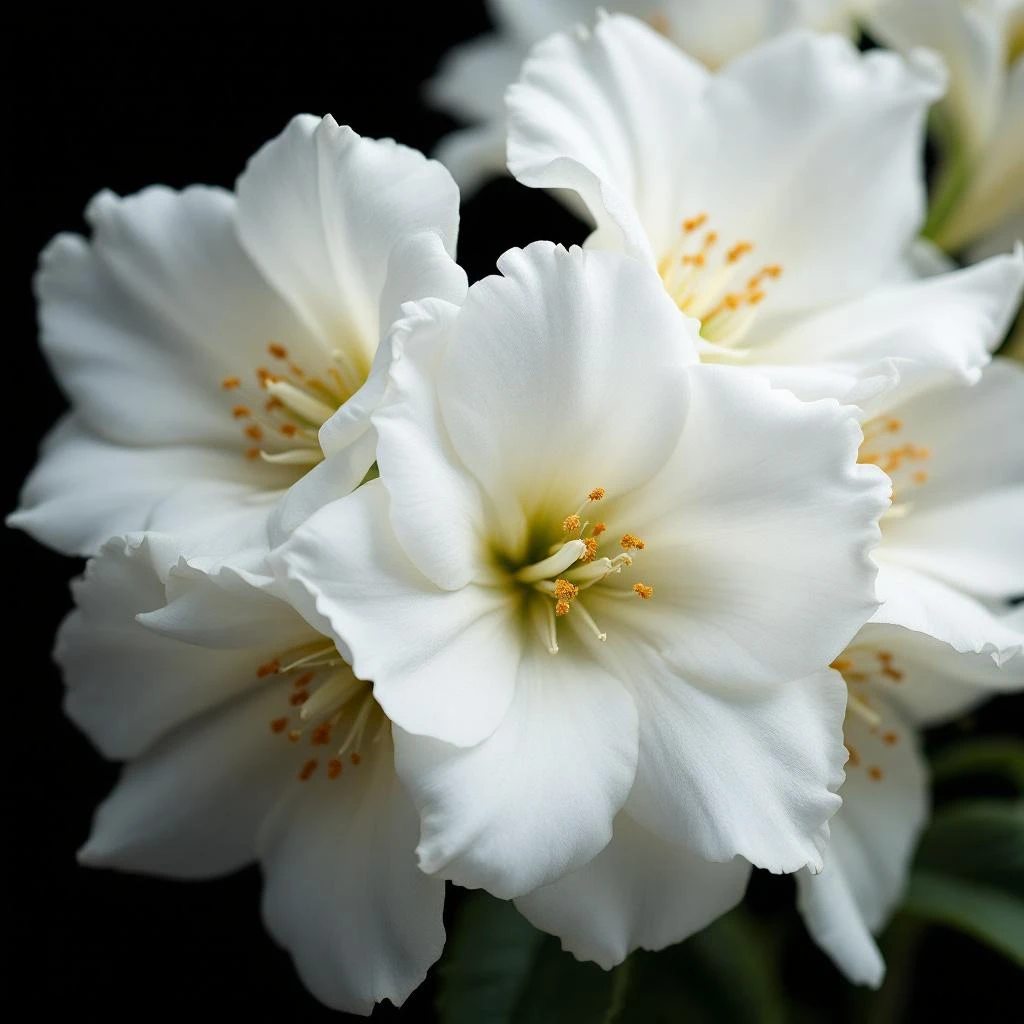
Few flowers elude capture as gracefully as frangipani. Its fleeting apricot and gardenia character cannot survive distillation, yet perfumers have learned to reconstruct its tropical warmth from memory and molecule.
Character
How it smells
The paradise flower no distiller can catch.
The name frangipani comes not from a flower, but from an almond perfume worn by 16th-century Italian nobility.




Origin
Thailand
The name frangipani predates the flower itself in European history. In 16th-century France, a marquis named Frangipani created a beloved almond-based perfume worn by nobility. French botanists later encountered the tropical Plumeria and named it frangipanier, struck by the similarity between its scent and the popular frangipane perfume though no actual plumeria existed in that original recipe. The flower itself had not yet reached Europe.
Native to Mexico and Central America, plumeria spread through Polynesian migration and Spanish colonial routes, becoming deeply woven into Hawaiian lei culture and Southeast Asian temple gardens. In tropical Asia, frangipani became associated with devotion and immortality, planted near shrines across Thailand, India, and Indonesia. Today China dominates the Asia-Pacific frangipani extract market, driven by rising demand in wellness and beauty sectors. The global frangipani extract market is projected to reach approximately 1.
2 billion USD, growing at a CAGR of 5. 5%.
Wears it best
Fragrances featuring Asian Frangipani

Brands
Brands known for Asian Frangipani
Good to know
Questions, answered
The essentials on Asian Frangipani in perfumery: how it smells, where it comes from, and how it behaves on skin.
Can frangipani be extracted from the flower itself?
No. Frangipani does not survive conventional extraction. Its fragile aromatic compounds shatter under steam heat and dissolve poorly in solvents. Perfumery therefore reconstructs the scent by blending aromatic molecules that collectively reproduce its apricot warmth and creamy floral depth.
Is frangipani synthetic?
Not entirely. Perfumery uses reconstruction, which combines natural aromatic isolates with nature-identical synthetics. This approach captures the sun-warmed apricot character and creamy gardenia facets without claiming to be a pure natural extract, since no natural extract exists.
What fragrance families use frangipani?
Frangipani appears primarily in tropical and white floral compositions. It anchors solar fragrances, joins椰子 and gardenia in beach-inspired scents, and adds a warm apricot sweetness to modern fruity-floral constructions across niche and designer lines.
Where does frangipani grow originally?
Plumeria originated in Mexico and Central America before spreading worldwide through Spanish colonial routes. It now grows throughout tropical Asia, with Thailand, India, and Indonesia hosting significant cultivation. China leads the Asia-Pacific market for frangipani extract.
What does frangipani smell like?
Frangipani smells like sun-warmed apricot crossed with gardenia and a touch of coconut cream. It has a milky, almost vanilla-like depth on the drydown, with a faintly green freshness that keeps it from becoming heavy on warm skin.
Why is it called frangipani?
The name comes from the Italian Frangipani family. A marquis of that name created an almond perfume popular in 16th-century France. When botanists later encountered Plumeria, they named it frangipanier because its scent resembled that original almond fragrance.
What is the market for frangipani extract?
The global frangipani extract market was valued at approximately 1.2 billion USD in 2024, with a projected CAGR of 5.5%. China holds the largest share of the Asia-Pacific market, driven by wellness and beauty sector growth.
Does frangipani work as a solar note?
Yes. Frangipani behaves like a solar note, intensifying on warm skin rather than fading quickly. Its creamy apricot warmth expands with body heat, making it a preferred choice for fragrances designed to bloom throughout the day.




