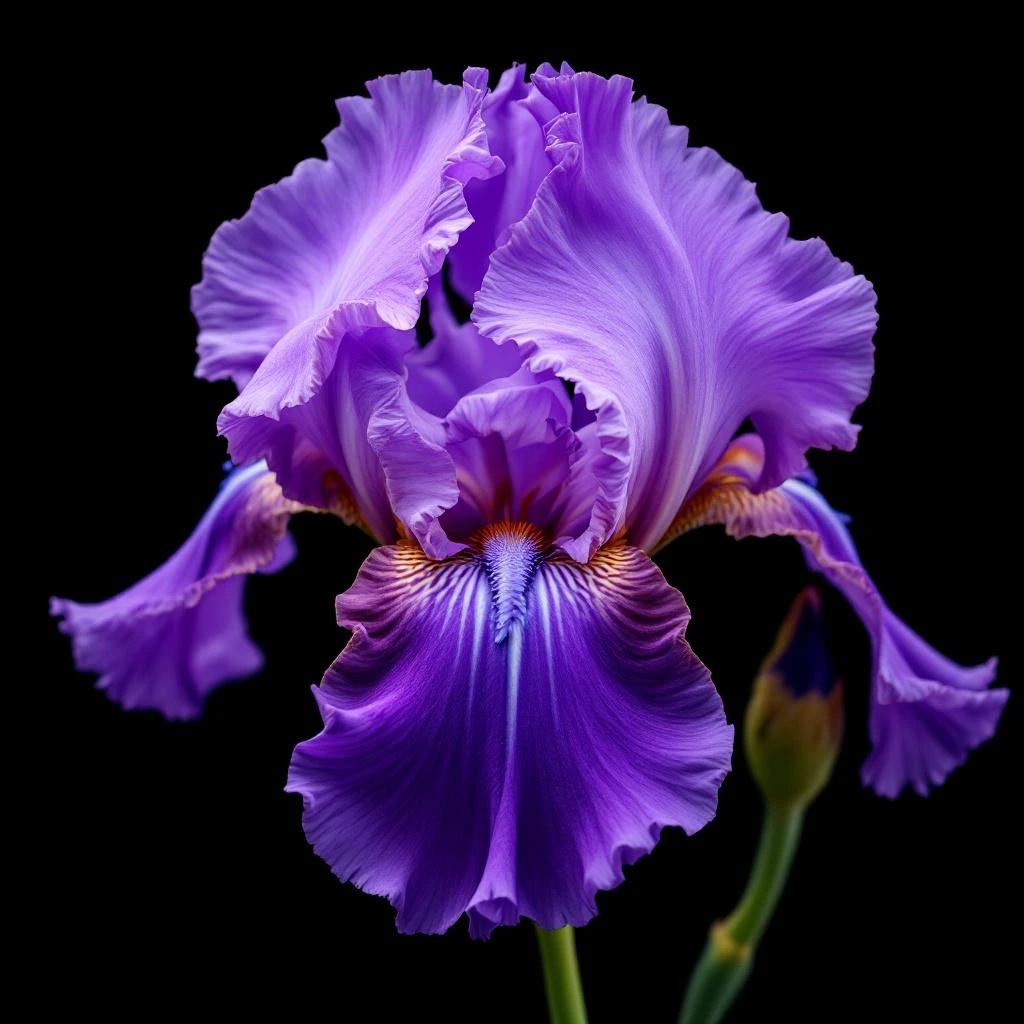
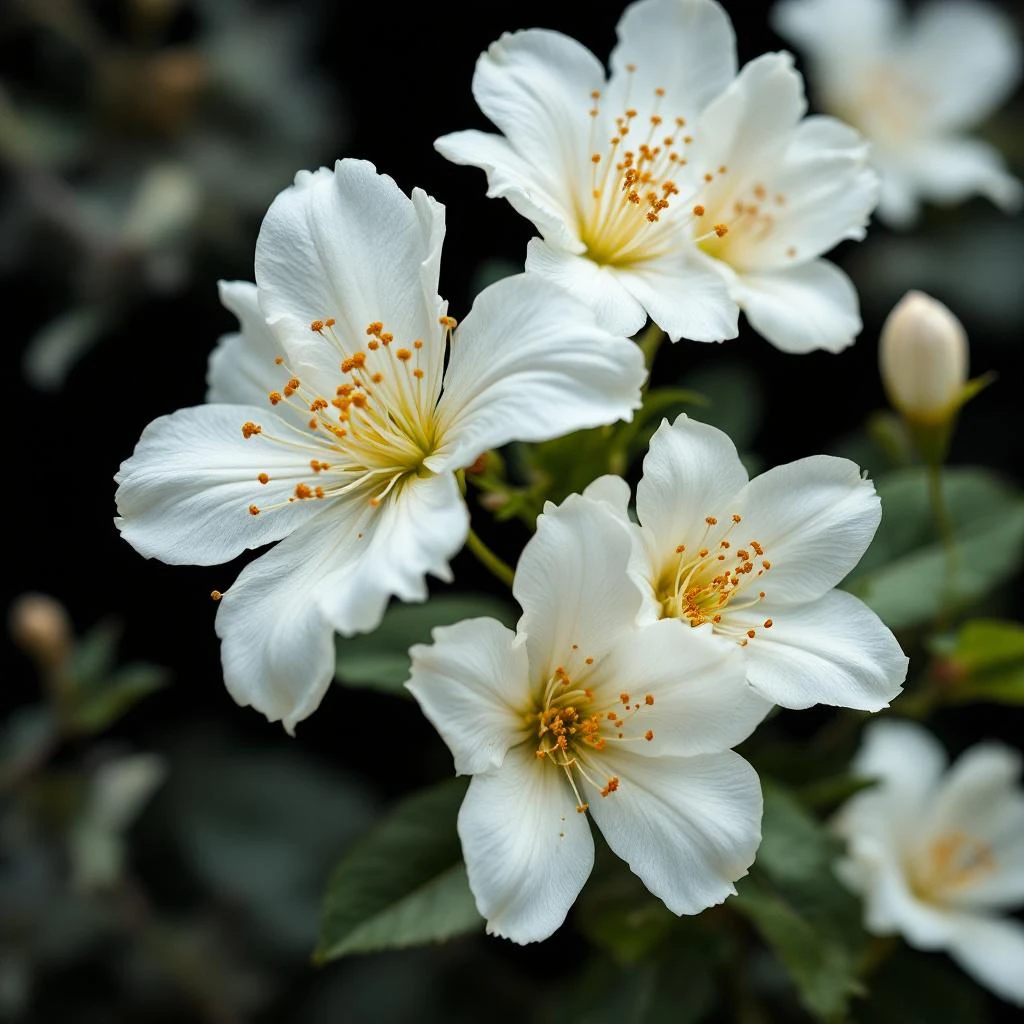
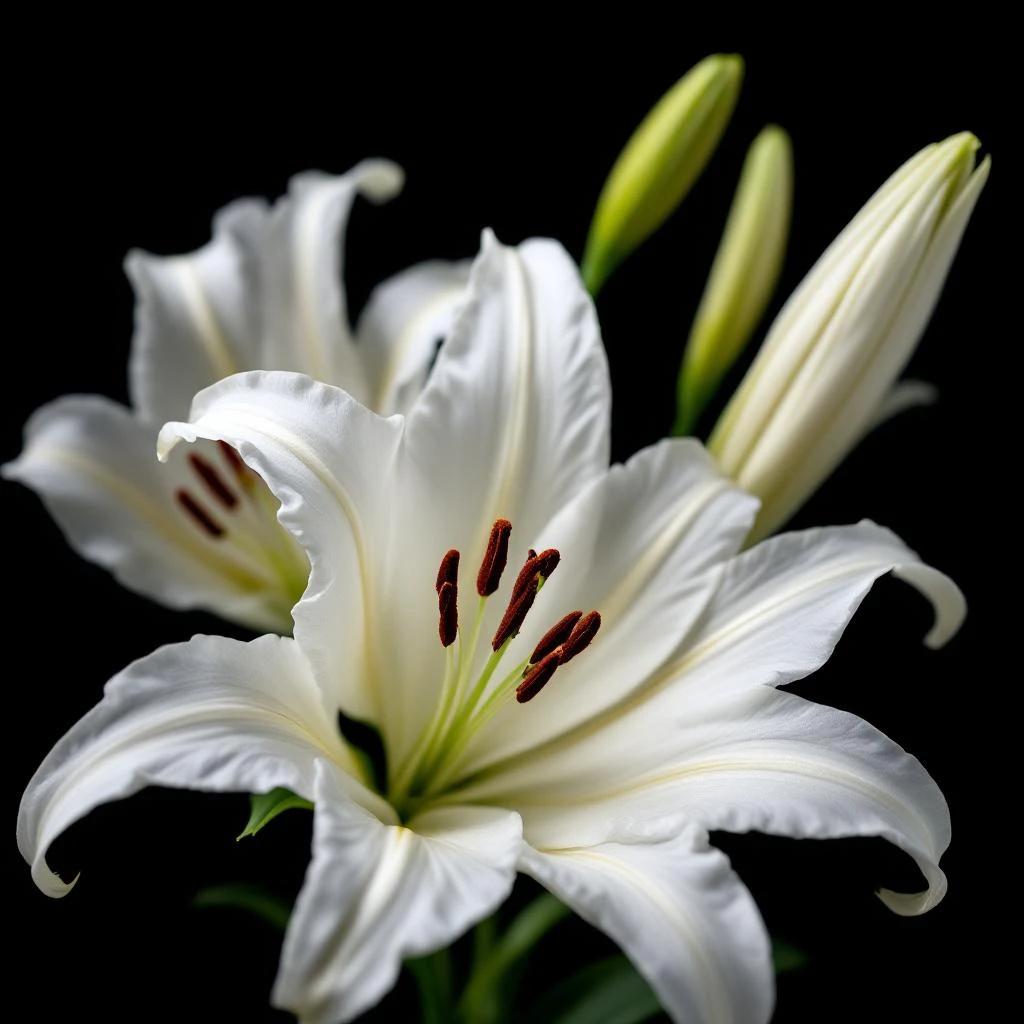
Ashoka Flower
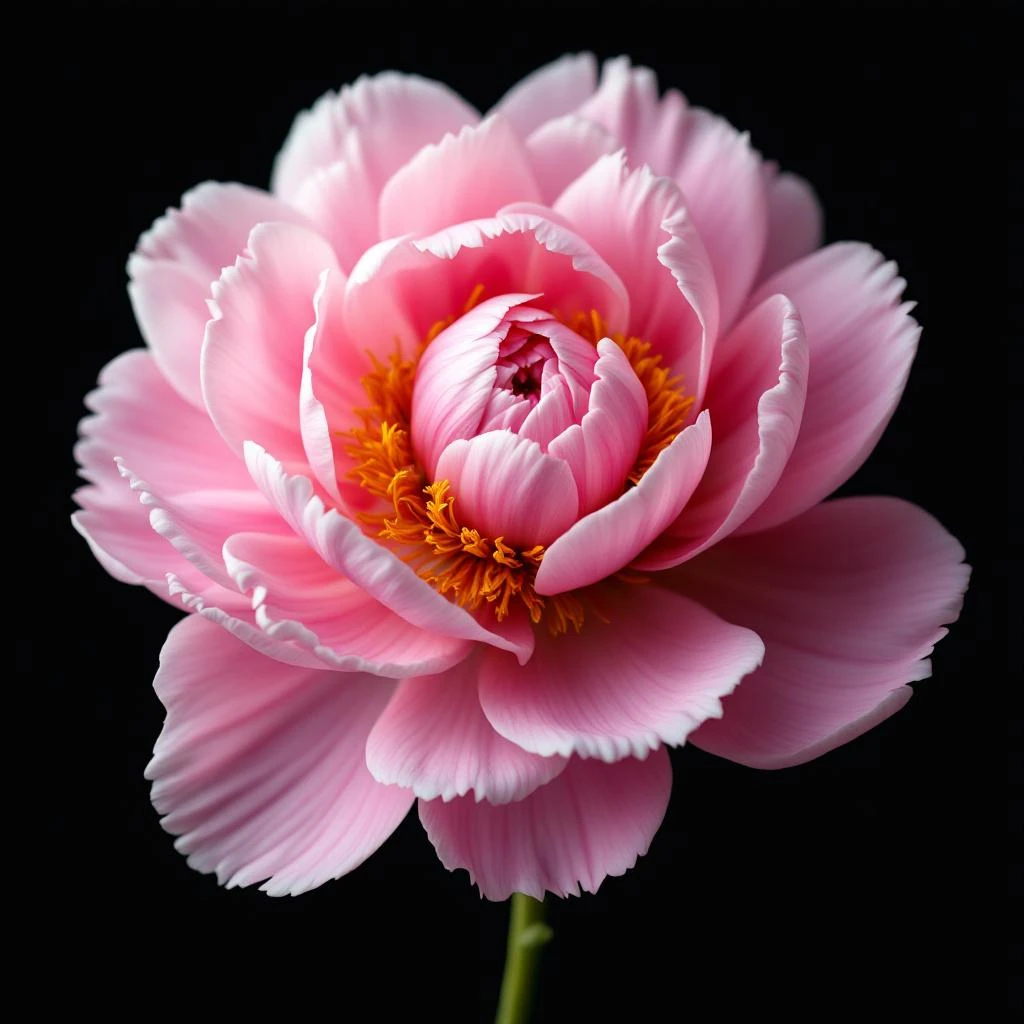
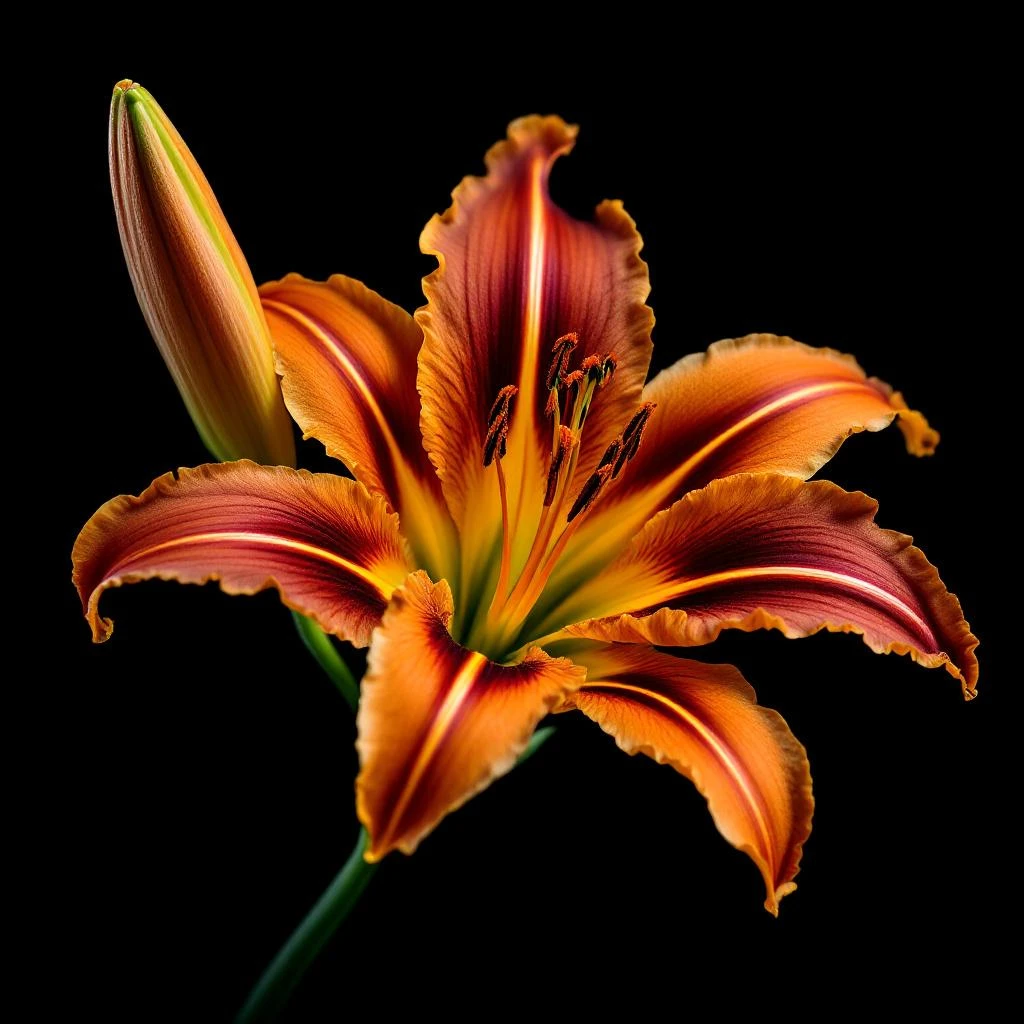
The Ashoka Flower, derived from the Saraca asoca tree, carries centuries of sacred significance and a scent profile rarely found in modern perfumery. Its warm, floral fragrance bridges ancient Indian traditions with contemporary olfactory artistry.
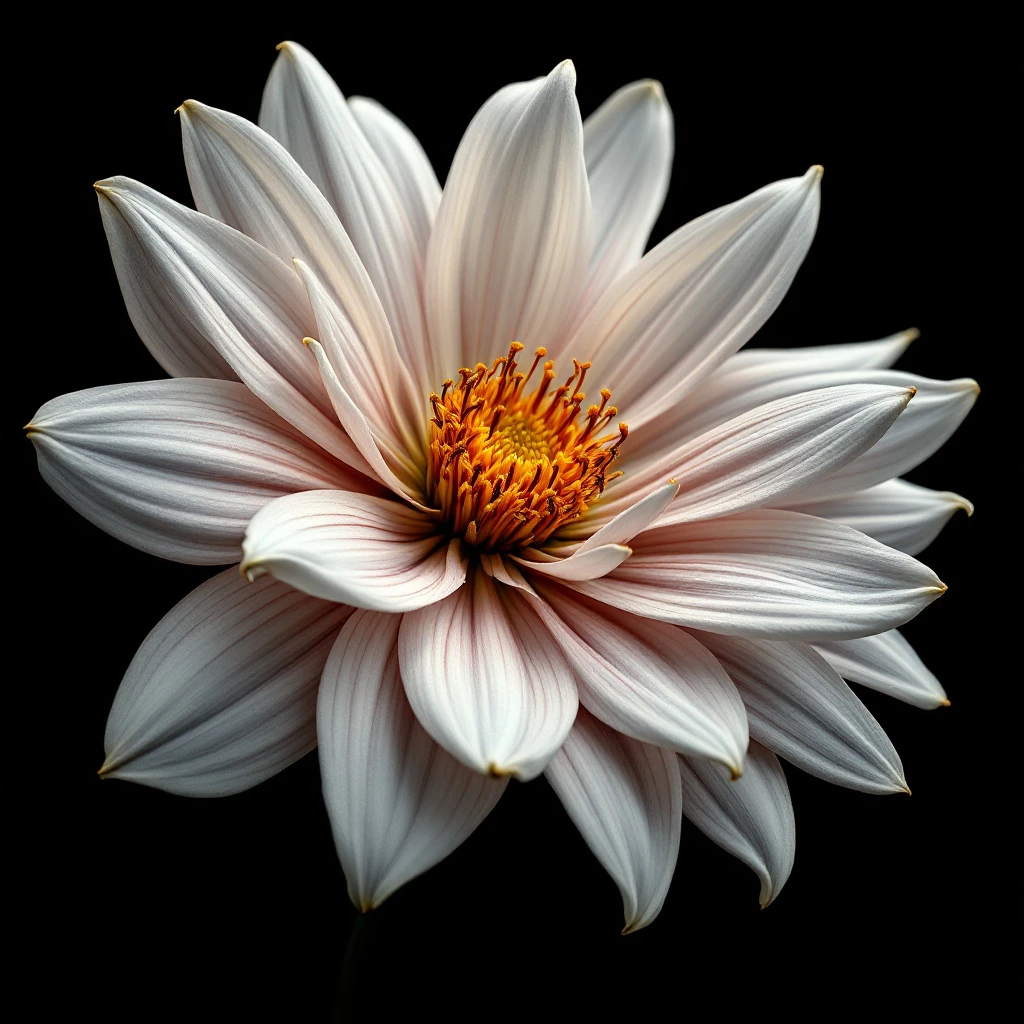
Character
How it smells
A sacred bloom from the forests of India, rarely captured and deeply cherished.
Emperor Ashoka, one of history's most powerful rulers, adopted Buddhism after a devastating war and planted Ashoka trees across India as living monuments to peace.



Origin
India
The Saraca asoca tree holds deep significance across South and Southeast Asia, appearing prominently in ancient Sanskrit texts and Buddhist scriptures. Its name derives from the Sanskrit word 'ashoka,' meaning 'without sorrow,' reflecting its mythological status as a source of joy and healing. Buddhist tradition holds that Queen Maya gave birth to Siddhartha Gautama while grasping an Ashoka branch, cementing the tree's sacred role in the faith.
In classical Indian literature, poets used the Ashoka flower to symbolize love, springtime, and feminine beauty. The tree became associated with royalty and divine presence, often planted near temples and palace grounds. Its fragrant flowers have been prized in attar-making traditions for centuries, though their use has remained relatively limited due to scarcity.
The Ashoka tree remains the state flower of Jharkhand in India and holds protected status across several Indian states. As perfumers seek to revive historical materials and connect contemporary fragrance with cultural heritage, the Ashoka Flower is experiencing renewed attention among niche houses committed to reviving lost aromatic traditions.
Wears it best
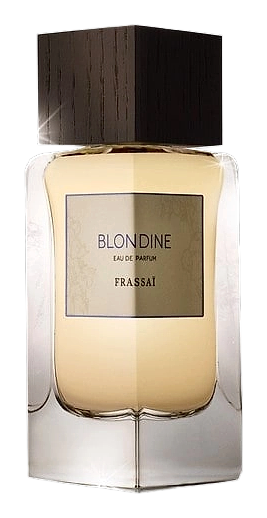
Fragrances featuring Ashoka Flower


Brands
Brands known for Ashoka Flower
Good to know
Questions, answered
The essentials on Ashoka Flower in perfumery: how it smells, where it comes from, and how it behaves on skin.
What does Ashoka Flower smell like?
Ashoka Flower absolute carries a warm, sweet-floral character with honeyed and slightly powdery qualities. Its scent profile includes subtle green undertones and a romantic, lingering warmth that works well in oriental and woody fragrance compositions.
Why is Ashoka Flower considered rare in perfumery?
The tree is not widely cultivated commercially, limiting the supply of raw material. The delicate flowers must be harvested by hand at peak freshness, and extraction yields are modest, making the absolute considerably scarcer than more common florals.
Where does Ashoka Flower originate?
The Saraca asoca tree is native to the Indian subcontinent, including India, Sri Lanka, Myanmar, and Malaysia. It thrives in moist forest regions, with traditional perfumery use concentrated in North India's perfumery capital of Kannauj.
What cultural significance does Ashoka Flower hold?
The tree's name derives from the Sanskrit 'ashoka,' meaning 'without sorrow,' and it features in Buddhist scriptures as a symbol of divine presence. Ancient Indian literature used the flower to represent love and beauty, and it remains the state flower of Jharkhand.
How is Ashoka Flower used in modern perfumery?
Perfumers employ Ashoka Flower absolute as both a fragrance material and fixative due to its tenacity. It appears primarily in niche and artisanal fragrances focused on heritage ingredients, typically as a heart or base note component in oriental and woody compositions.
Can Ashoka Flower be blended with other ingredients?
Ashoka absolute blends well with other florals such as jasmine and rose, as well as woody materials like sandalwood and vetiver. Its warm, fixative qualities make it particularly compatible with resinous and oriental base notes in complex fragrance structures.
Is Ashoka Flower used for purposes other than perfumery?
The Ashoka tree has a documented role in traditional Ayurvedic medicine. The bark and flowers have been used in preparations intended to support feminine health and reduce inflammation, though these applications remain separate from perfumery.
Is synthetic Ashoka Flower available?
Natural Ashoka Flower absolute remains rare and expensive due to limited supply chains. Aromatic molecules found in the flower can be synthesized to create more accessible versions, though these lack the complexity of natural extracts. Niche perfumers increasingly seek authentic natural material.