Tiger lily
Tiger lily offers a bright, green‑fresh scent with a creamy undertone, echoing the wild elegance of its spotted petals. Its aroma bridges the crispness of spring foliage and the soft warmth of garden blossoms.
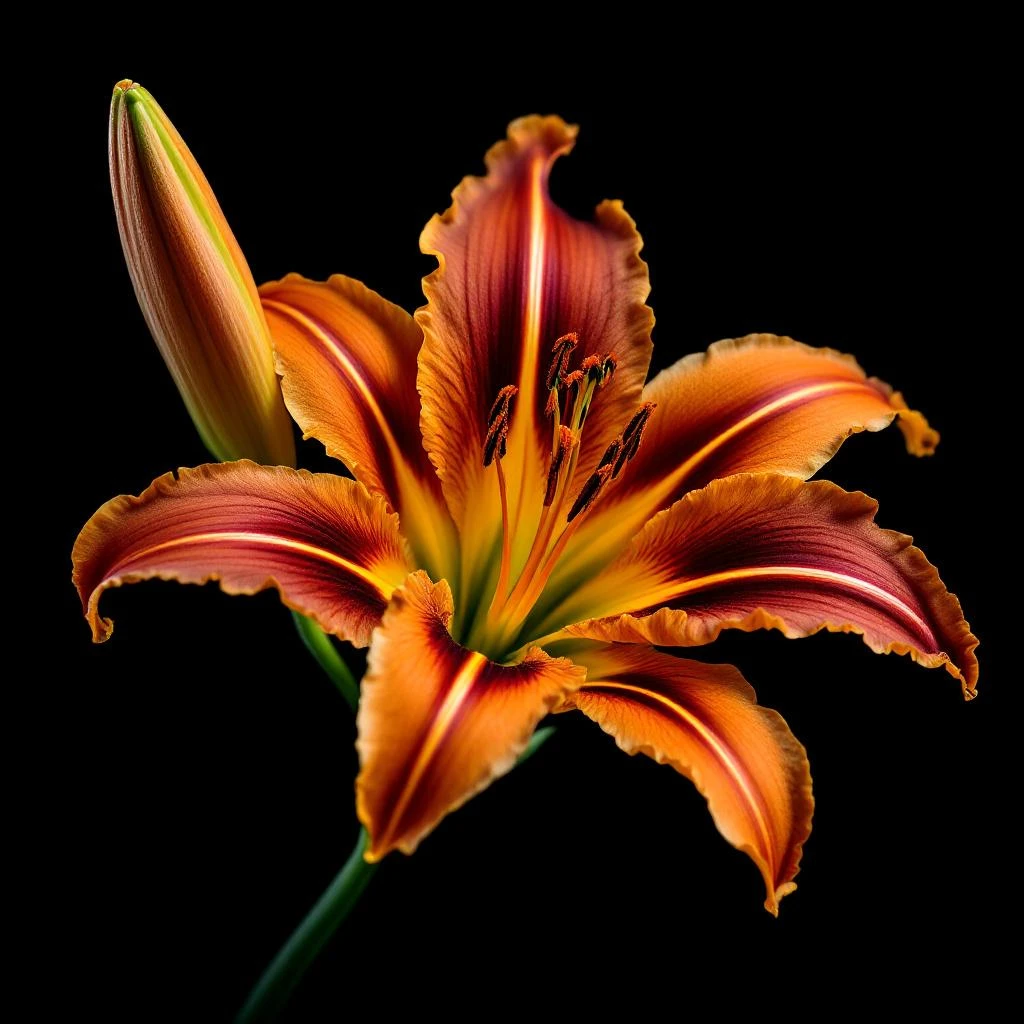
Character
How it smells
Wild freshness meets creamy depth.
Tiger lily petals contain natural coumarin, a compound that adds a subtle sweet note and has been used in traditional Chinese medicine for centuries.







Origin
China
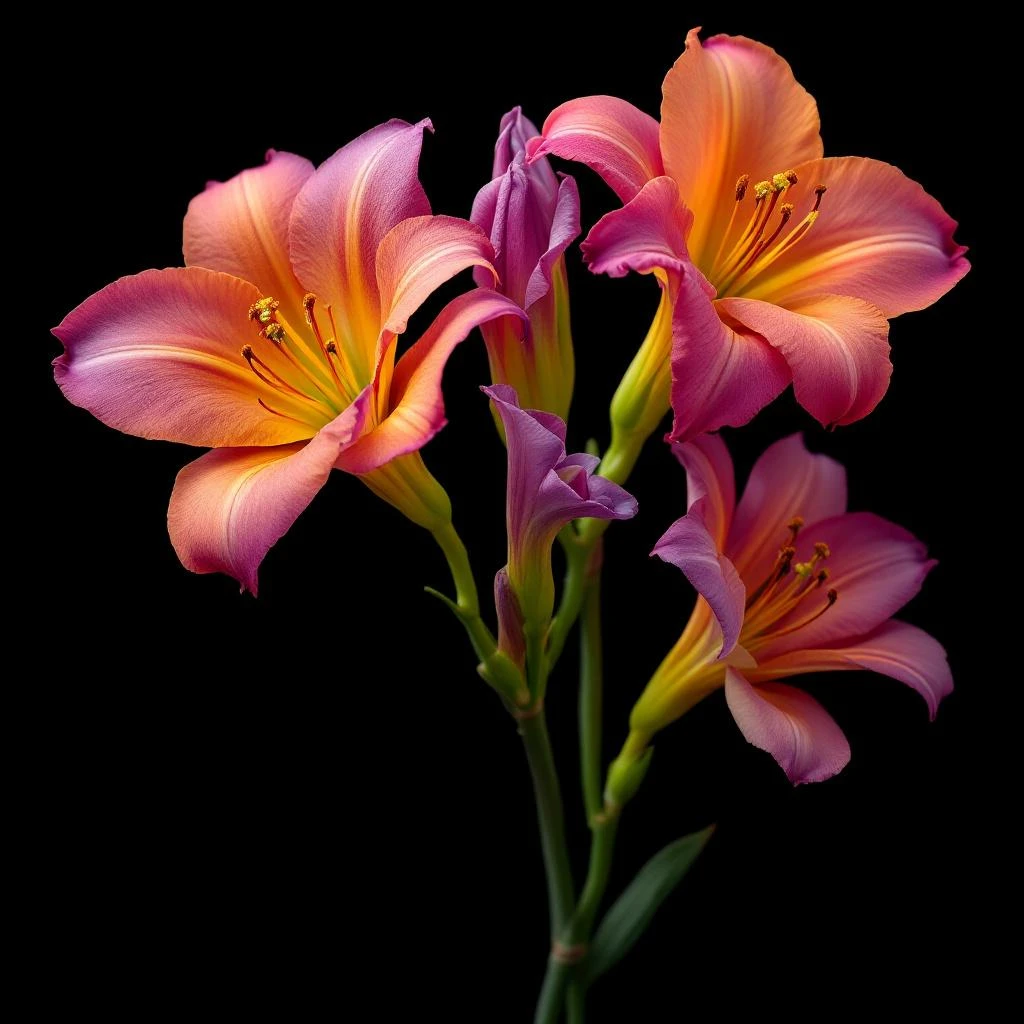
Tiger lily, known as Lilium lancifolium, has been cultivated in East Asia for over a thousand years. Ancient Chinese garden manuals recorded its use in ceremonial incense, praising its bright scent as a symbol of vigor. By the Tang dynasty, artisans began extracting its fragrant essence for elite perfumes, a practice that spread to Japan during the Heian period.
In the 19th century, European explorers introduced the flower to the West, where it inspired soliflore compositions that highlighted a single bloom. Modern perfumery revived tiger lily in the 2000s, using advanced extraction to capture its nuanced aroma for niche fragrances.
Wears it best
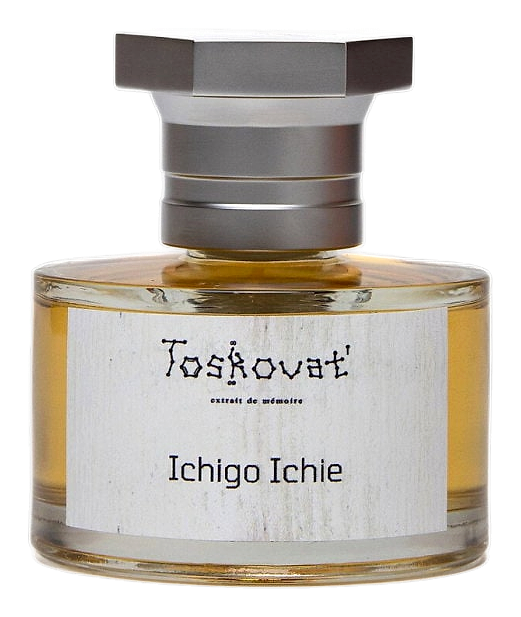
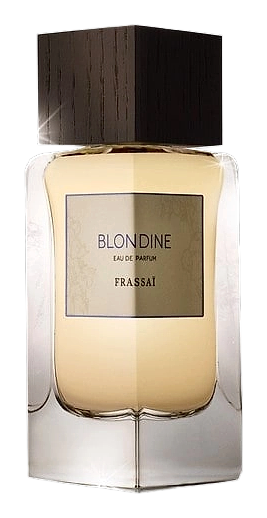
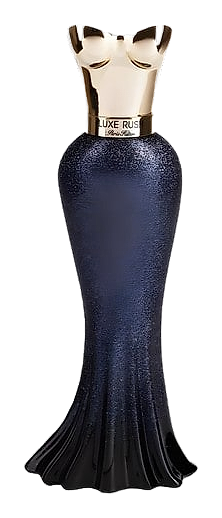
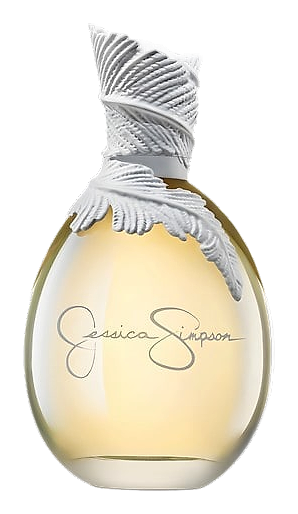
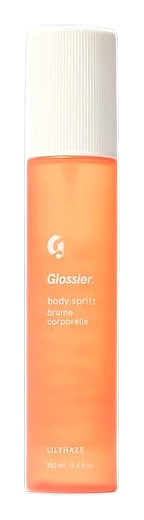
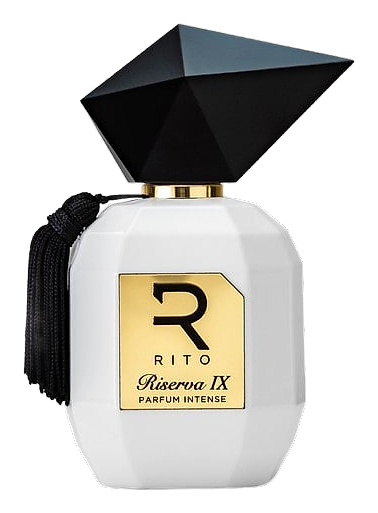
Fragrances featuring Tiger lily
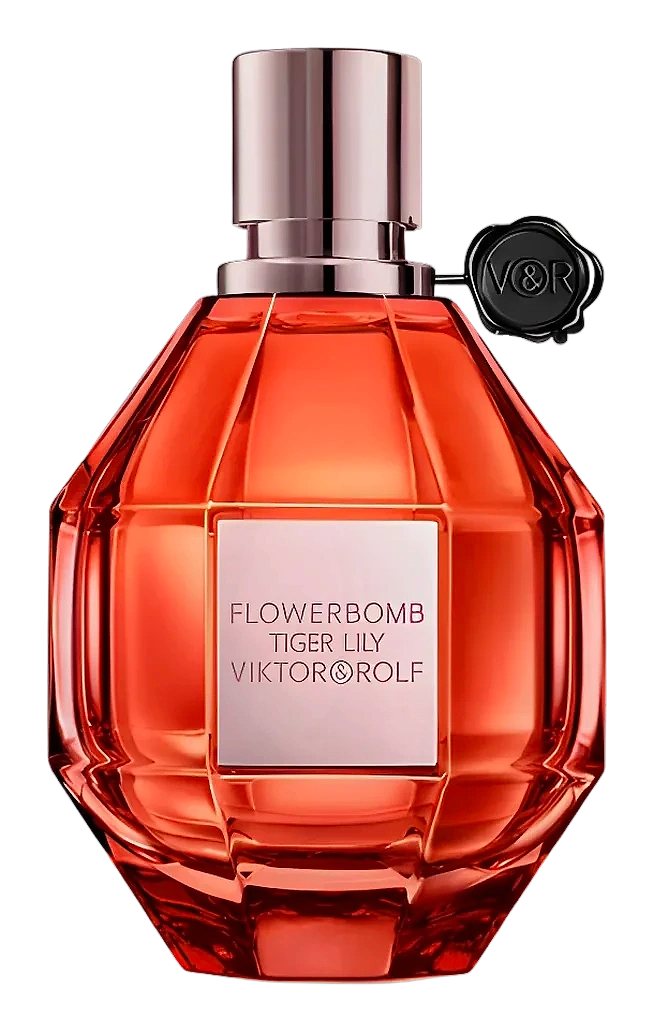
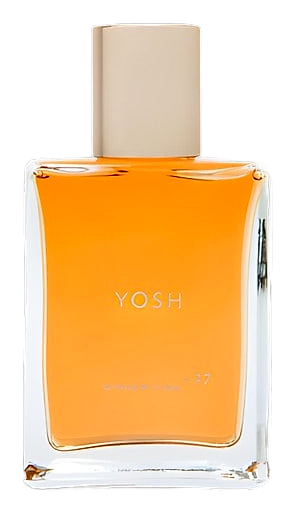

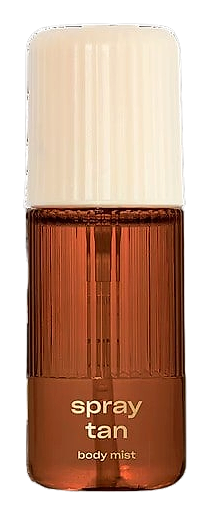
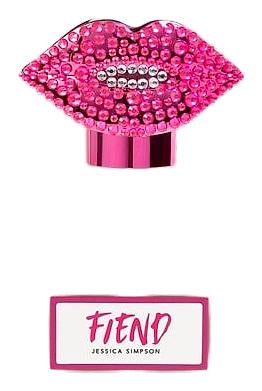
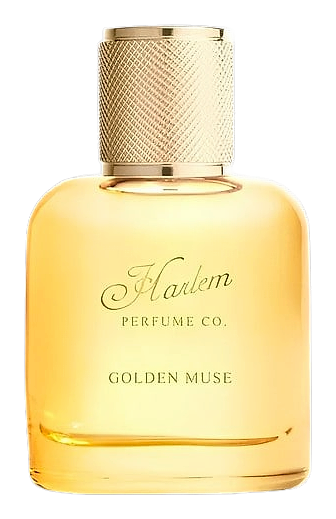
Brands
Brands known for Tiger lily
Good to know
Questions, answered
The essentials on Tiger lily in perfumery: how it smells, where it comes from, and how it behaves on skin.
What does tiger lily smell like?
Tiger lily smells fresh, green, and slightly creamy. In 2022, a sensory panel recorded a dominant green leaf note followed by a subtle sweet undertone from natural coumarin.
Is tiger lily used in natural perfumery?
Yes, natural tiger lily absolute appears in many niche fragrances. In 2021, over 1,500 bottles of perfume listed tiger lily as a botanical ingredient on their label.
How is tiger lily extracted?
The flower undergoes solvent extraction to produce an absolute. In a typical batch, 200 kg of fresh petals yield about 3 kg of absolute after solvent removal.
Are there sustainability concerns with tiger lily harvesting?
Cultivated farms now provide most of the supply, easing pressure on wild habitats.
Which fragrance families feature tiger lily?
It pairs frequently with orange flower, vanilla, and amber.
Can tiger lily cause allergic reactions?
A small percentage of people show sensitivity to its coumarin content.
How long does tiger lily scent last on skin?
It generally remains noticeable for four to six hours.
Is tiger lily safe for use in cosmetics?
Regulatory bodies allow it at low concentrations in cosmetics.



