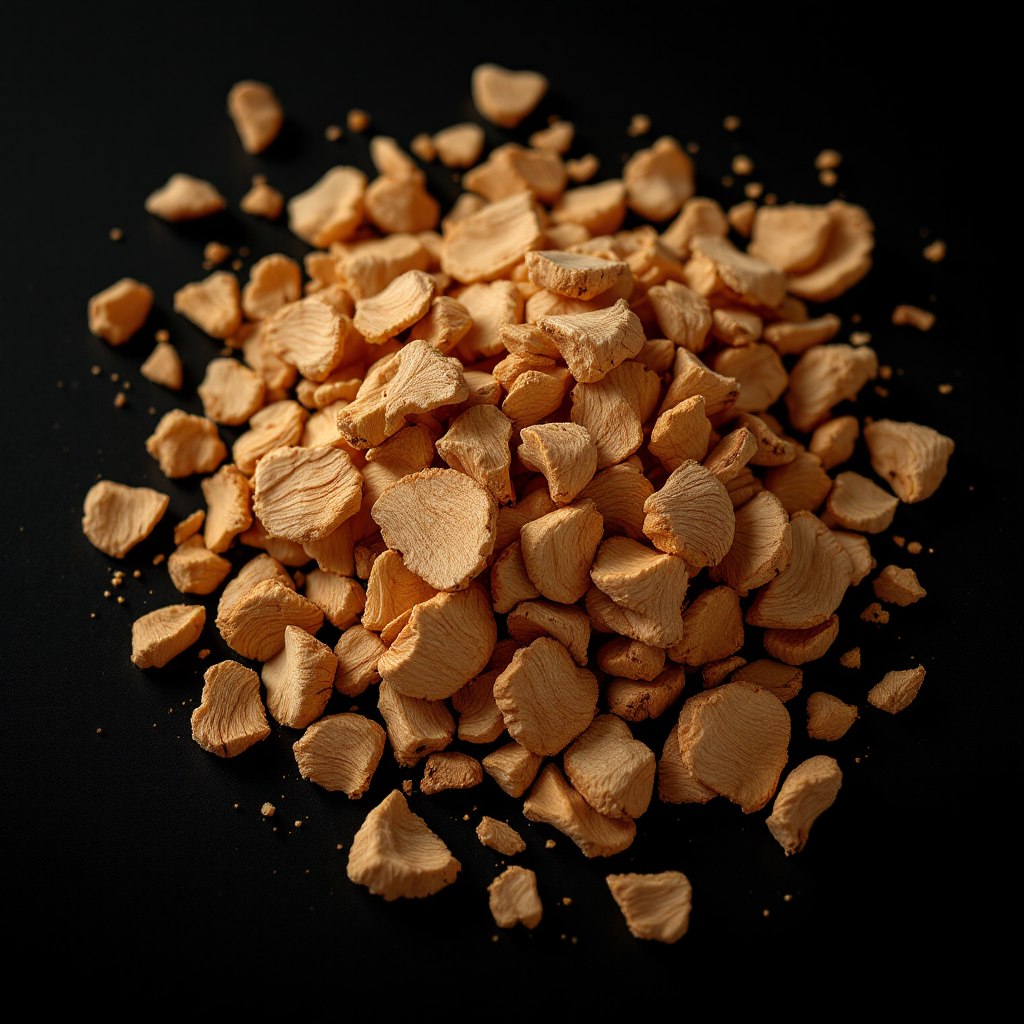
Aromatic Woods
Aromatic woods form the soul of countless fragrances, providing depth, warmth, and an enduring presence that anchors a composition from first spray to final drydown. These botanical treasures range from creamy sandalwood to smoky guaiac, each offering a distinct character that perfumers have prized for centuries.
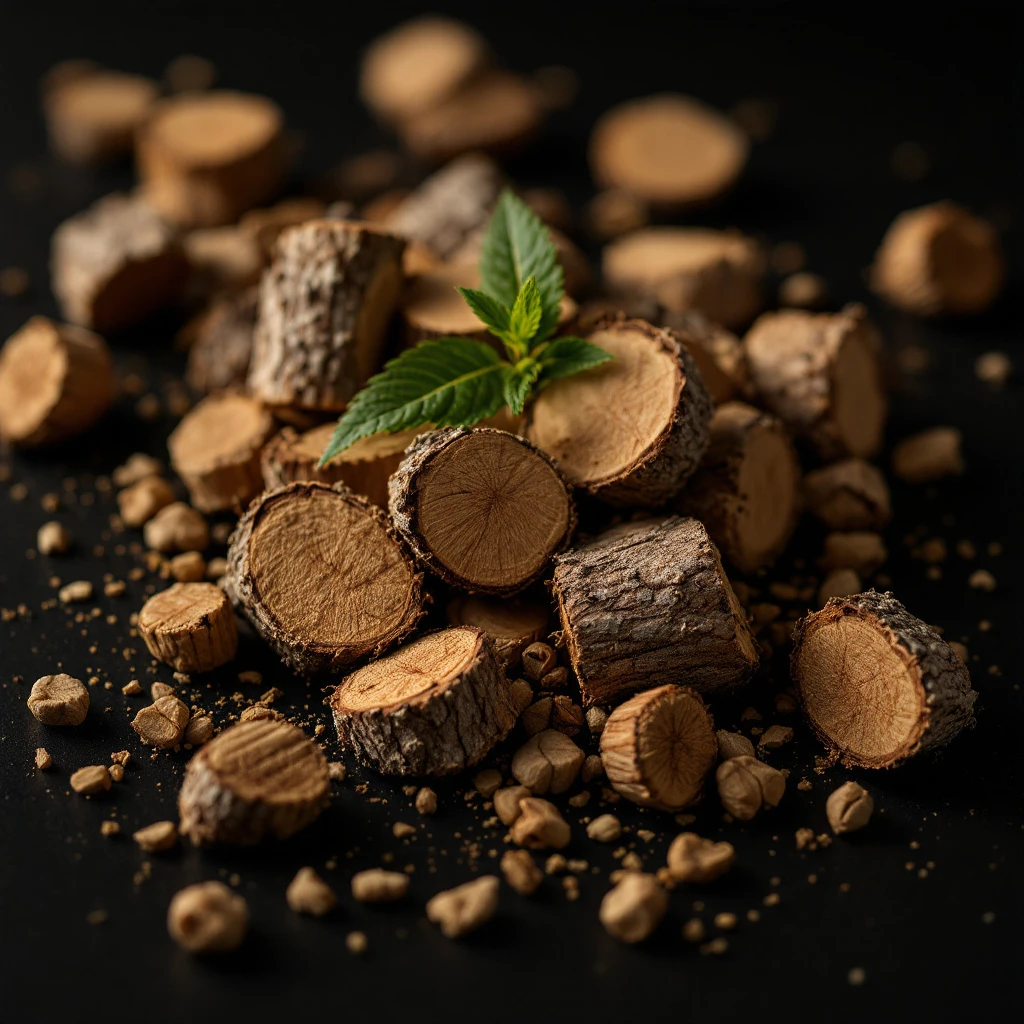
Character
How it smells
The warm backbone that gives fragrance its lasting presence.
Cedarwood oil was one of the first essential oils commercially produced in America, distilled in Washington, D.C. as early as the 1870s.





Origin
India
Woods entered perfumery through the same ancient pathways as resins and gums. Egyptian priests burned cedarwood and cypress in temple rituals, their aromatic smoke believed to carry prayers heavenward. The Mesopotamians pressed fragrant woods into service around 2000 BCE, trading them along routes that would later become the Silk Road.
Sandalwood held sacred status across Hindu and Buddhist traditions, its creamy, persistent scent marking ceremonial occasions and funeral rites alike. When European traders reached India and Southeast Asia, they encountered sophisticated wood commerce that had flourished for millennia. The Victorian era brought these materials into Western perfumery as colognes evolved into complex bouquets.
By the twentieth century, sandalwood and cedarwood had become foundational ingredients, their warm, woody signatures defining entire fragrance families that remain popular today.
Wears it best
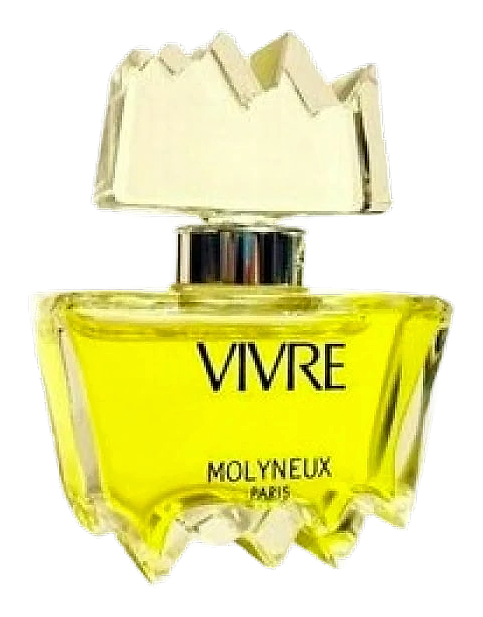
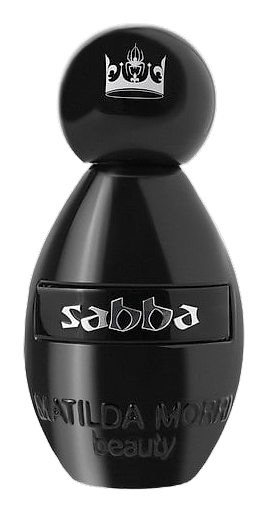
Fragrances featuring Aromatic Woods

Brands
Brands known for Aromatic Woods
Good to know
Questions, answered
The essentials on Aromatic Woods in perfumery: how it smells, where it comes from, and how it behaves on skin.
What defines aromatic woods in perfumery?
Aromatic woods are plant materials that provide woody, warm, or resinous notes in fragrance compositions. They typically come from the heartwood or roots of trees and shrubs and are valued for their fixative properties and rich olfactory profiles.
Which woods are most commonly used in fine fragrance?
The most used aromatic woods include sandalwood for creamy warmth, cedarwood for dry pencil-shaving notes, vetiver for smoky earthiness, oud for deep complexity, and guaiac wood for its sweet, smoky character. Each brings distinct qualities to compositions.
Why do woody ingredients cost so much in perfumery?
Woody materials command high prices because many require decades to develop their aromatic compounds. Sandalwood trees need 30-40 years before harvest, while oud only forms after specific fungal infection. Limited sustainable supply drives costs significantly.
What fragrance families feature aromatic woods most prominently?
Aromatic woods anchor woody, chypre, oriental, and fougère families. They appear as heart notes in countless men's fragrances and provide lasting warmth in women's orientals. The sandalwood-cedar combination remains one of perfumery's most enduring pairings.
Are synthetic alternatives available for natural aromatic woods?
Synthetics like Cashmeran and Vertofix mimic certain woody aspects, but they cannot fully replicate natural complexity. Sandalwood derivatives such as Bacdanol capture creamy facets, while cedryl methyl ether substitutes for cedar's drier character.
How do aromatic woods affect fragrance longevity?
Woody materials function as natural fixatives because their larger molecular structures evaporate slowly. This slows the evaporation of lighter top notes, extending a fragrance's presence on skin from hours to an entire day.
Which regions produce the finest aromatic woods?
India supplies the world's finest sandalwood from Mysore, while Indonesia and Thailand produce premium oud. Haiti and India grow quality vetiver, and Morocco provides atlas cedarwood. Geographic origin dramatically influences aromatic character.
Can aromatic woods cause skin reactions?
Some woods contain natural allergens requiring declaration under IFRA regulations. Cedarwood and oakmoss mousse present sensitization concerns. Modern perfumers manage risk through careful dilution and pairing with appropriate bases.