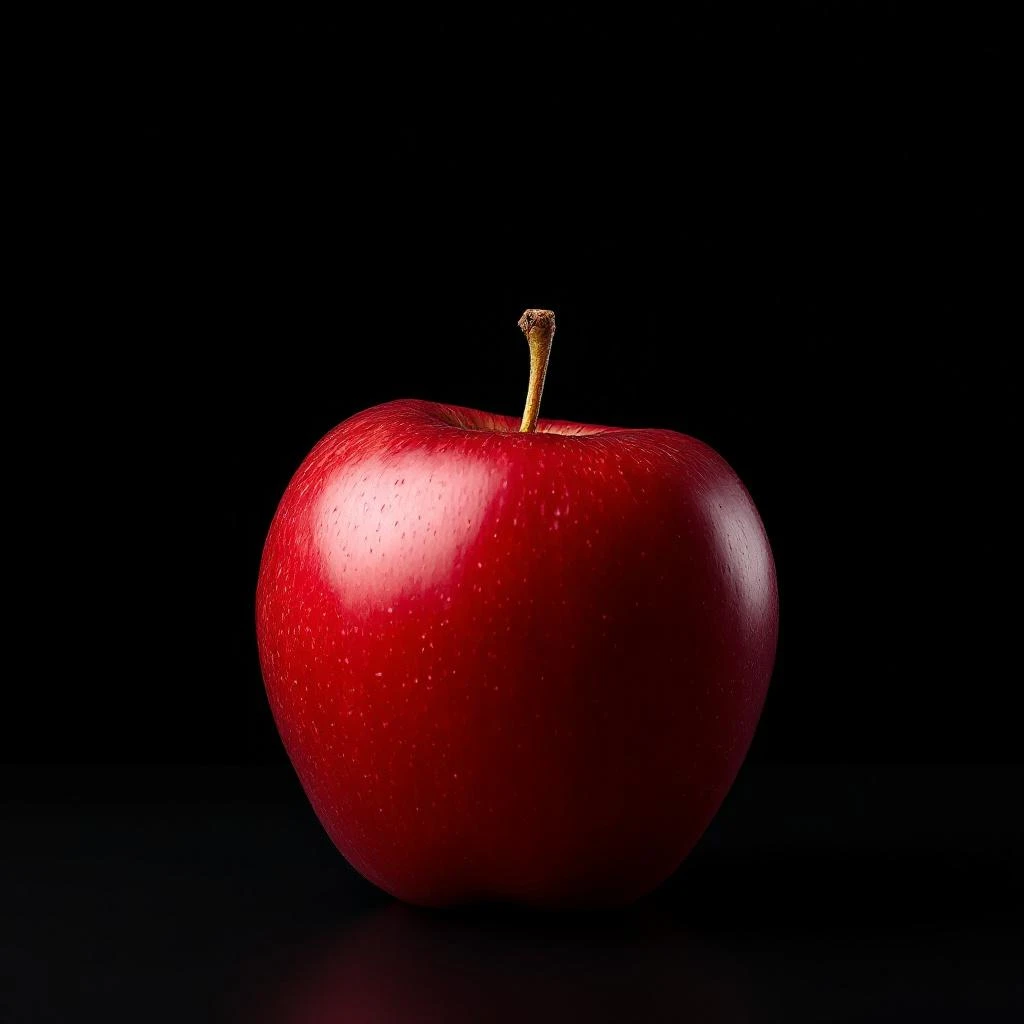
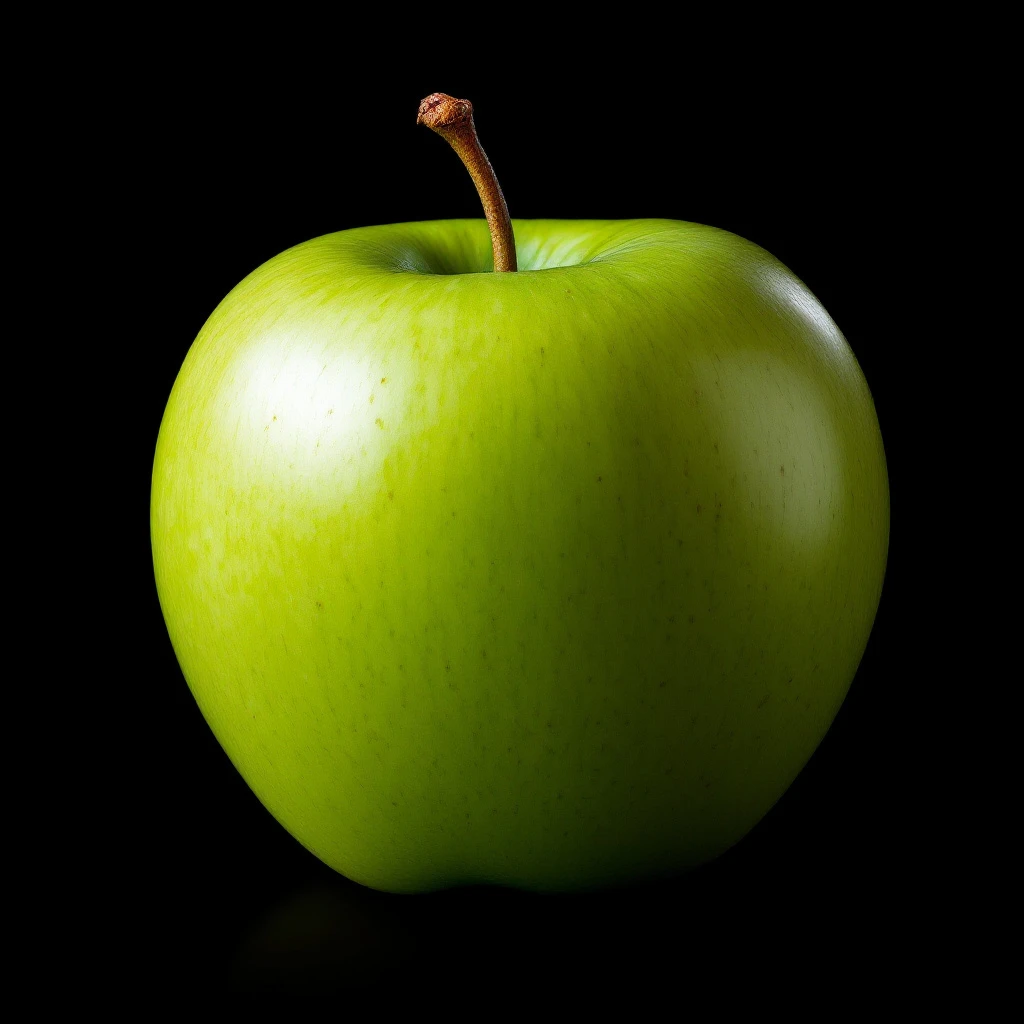
Argentinian Green Apple
The crisp bite of just-picked green apple, recreated through precision chemistry. This lab-crafted note delivers the fresh, slightly tart fragrance of orchard mornings without a trace of natural extraction.
Character
How it smells
Lab-crafted crispness capturing Argentine orchard mornings
The exact aroma of a bitten green apple has never been captured naturally. Every green apple note in every perfume is pure molecular craftsmanship.


Origin
Argentina
Apples have grown wild across Central Asia for millennia, but perfumery never developed a method to capture their fragrance naturally. Unlike rose or jasmine, apple fruit contains volatile compounds too delicate and sparse for traditional extraction. Before 19th-century organic synthesis, perfumers attempting apple notes relied on other botanicals or simply went without.
The synthetic revolution changed everything. French chemist Albert Bauchy created the first apple ester in 1888, opening possibilities that expanded through the 20th century. While Argentina's Mendoza region became renowned for apple cultivation, the fragrance industry took a different path.
Synthetics manufacturers worldwide now produce the precise molecules that recreate green apple character, allowing perfumers to evoke crisp orchard freshness regardless of harvest seasons or agricultural conditions. This democratized apple as a top-note staple across mass and niche perfumery.
Wears it best
Fragrances featuring Argentinian Green Apple
Brands
Brands known for Argentinian Green Apple
Good to know
Questions, answered
The essentials on Argentinian Green Apple in perfumery: how it smells, where it comes from, and how it behaves on skin.
Is Argentinian Green Apple a natural or synthetic ingredient?
Synthetic. No natural extraction yields apple essential oil or absolute. The characteristic green apple fragrance comes entirely from lab-synthesized aroma chemicals like ethyl-2-methylbutyrate and hexyl acetate.
What chemicals create the green apple smell?
Ethyl-2-methylbutyrate provides core apple character, hexyl acetate adds juicy fruitiness, and damascone contributes depth. These esters and ketones are blended to match fresh apple skin.
How does green apple compare to other apple varieties in perfumery?
Green apple delivers crisp, tart, waxy character like Granny Smith. Red apple leans sweeter and riper. Both use the same core chemicals at different ratios, with damascone emphasizing red fruit tones.
Where does Argentina fit into green apple fragrance production?
Argentina grows substantial commercial apple crops in Mendoza, but the fragrance note is synthesized globally. The name references the fresh, crisp character of premium Andean orchard fruit.
What perfume families use green apple most frequently?
Citrus, chypre, and floral families frequently incorporate green apple. It appears most often in top notes for menswear fragrances and fresh feminine florals, providing immediate brightness.
Is green apple safe for cosmetic and skincare formulations?
The individual components including ethyl-2-methylbutyrate and hexyl acetate have established safety profiles when used within IFRA concentration guidelines for skin applications.
Can natural alternatives replicate green apple fragrance?
No viable natural alternative exists. Galbanum resin and certain cucumber extracts provide green notes, but none reproduce the specific crisp apple character that synthetics deliver.
Does green apple have any cultural significance in perfumery?
Green apple represents a milestone in modern perfumery: proof that chemistry could recreate any natural scent, regardless of whether extraction was possible. It became one of the first purely synthetic fragrance icons.