Pecan
Pecan brings a warm, gourmand depth to fragrance compositions. This North American nut yields rich, roasted notes that evoke autumn harvests and cozy indulgence when captured through modern extraction techniques.
Character
How it smells
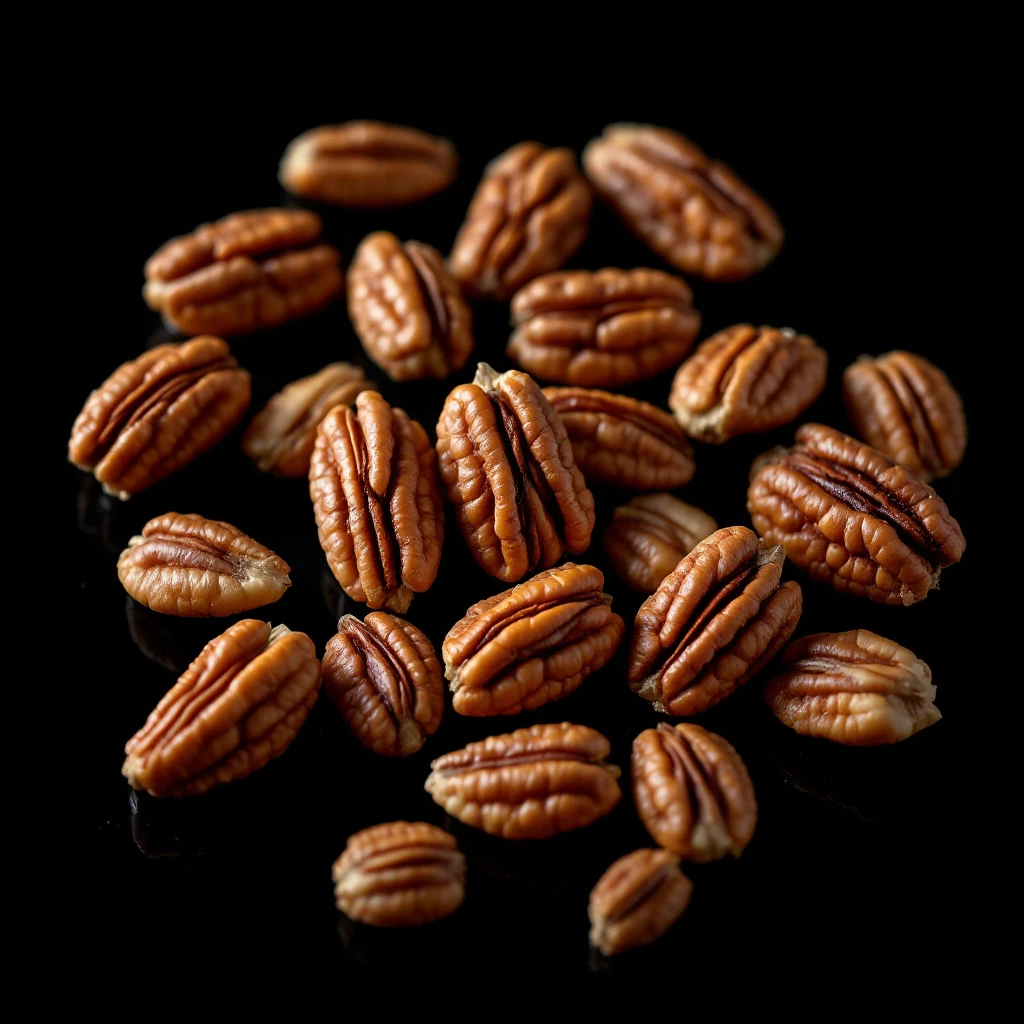
Warm, nutty, and undeniably cozy.
A single mature pecan tree can produce up to 200 pounds of nuts per year, offering perfumers a generous annual harvest for extraction.


Origin
United States
The pecan holds deep roots in North American history, cultivated for millennia by Indigenous peoples of what is now Mexico and the southern United States. Archaeological evidence shows Native Americans selecting and propagating the largest, most flavorful nuts as early as 8,000 years ago.
The name itself derives from the Algonquin word "pacane," reflecting the nut's significance to indigenous communities. Spanish explorers encountered the pecan in the 1500s, though the nut remained relatively unknown in Europe until later centuries.
Commercial cultivation began in the late 1800s, with American growers establishing extensive orchards. Perfumers adopted pecan extracts more recently, embracing the ingredient's ability to evoke warmth and natural indulgence in modern fragrance compositions.
Wears it best
Fragrances featuring Pecan
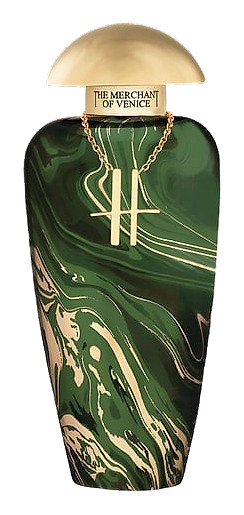
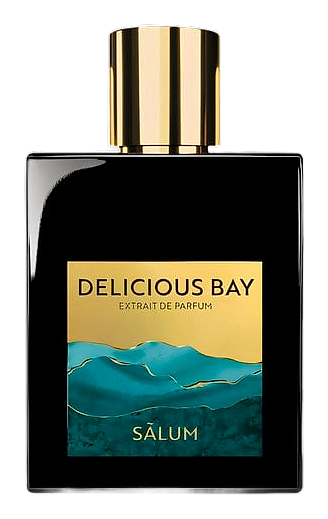
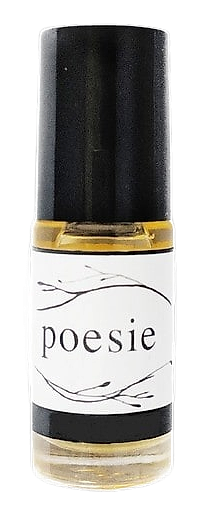
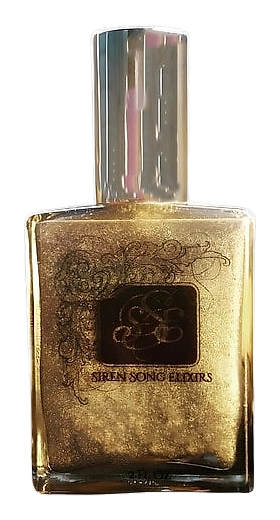
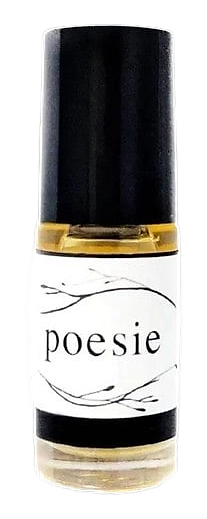
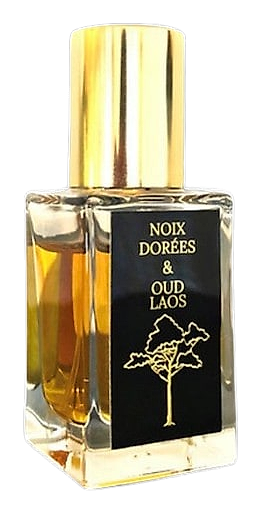
Brands
Brands known for Pecan
Good to know
Questions, answered
The essentials on Pecan in perfumery: how it smells, where it comes from, and how it behaves on skin.
What does pecan smell like in perfume?
Pecan delivers a warm, roasted nuttiness with buttery, slightly sweet undertones. It adds gourmand depth and a natural, autumnal quality to fragrance compositions.
Is pecan a natural or synthetic fragrance ingredient?
Pecan used in fine fragrance is a natural extract. Supercritical CO2 extraction captures the aromatic compounds directly from roasted pecan nuts.
What fragrance families use pecan?
Pecan appears most often in oriental, gourmand, and woody fragrances. It pairs naturally with vanilla, amber, sandalwood, and other warm, edible notes.
How is pecan extract produced for perfumery?
Producers roast pecan nuts to develop their aroma, then use supercritical CO2 as a solvent to extract the aromatic compounds. This method preserves the nut's warm, buttery character.
Does pecan appear in mainstream or niche fragrances?
Pecan remains primarily a niche ingredient. Its subtle complexity suits artisanal and luxury perfumery rather than mass-market formulations.
What part of the pecan plant is used in perfumery?
Perfumers use the nut meat itself, typically after light roasting. The shells are sometimes processed separately for different aromatic profiles.
How long has pecan been used in perfumery?
Pecan arrived in perfumery relatively recently, gaining popularity in the 2000s as demand for natural and gourmand ingredients grew.
Can pecan be combined with other food-inspired notes?
Absolutely. Pecan harmonizes well with complementary ingredients like bourbon,/maple, tonka bean, praline, and hazelnut for rich edible fragrance effects.