Arctical
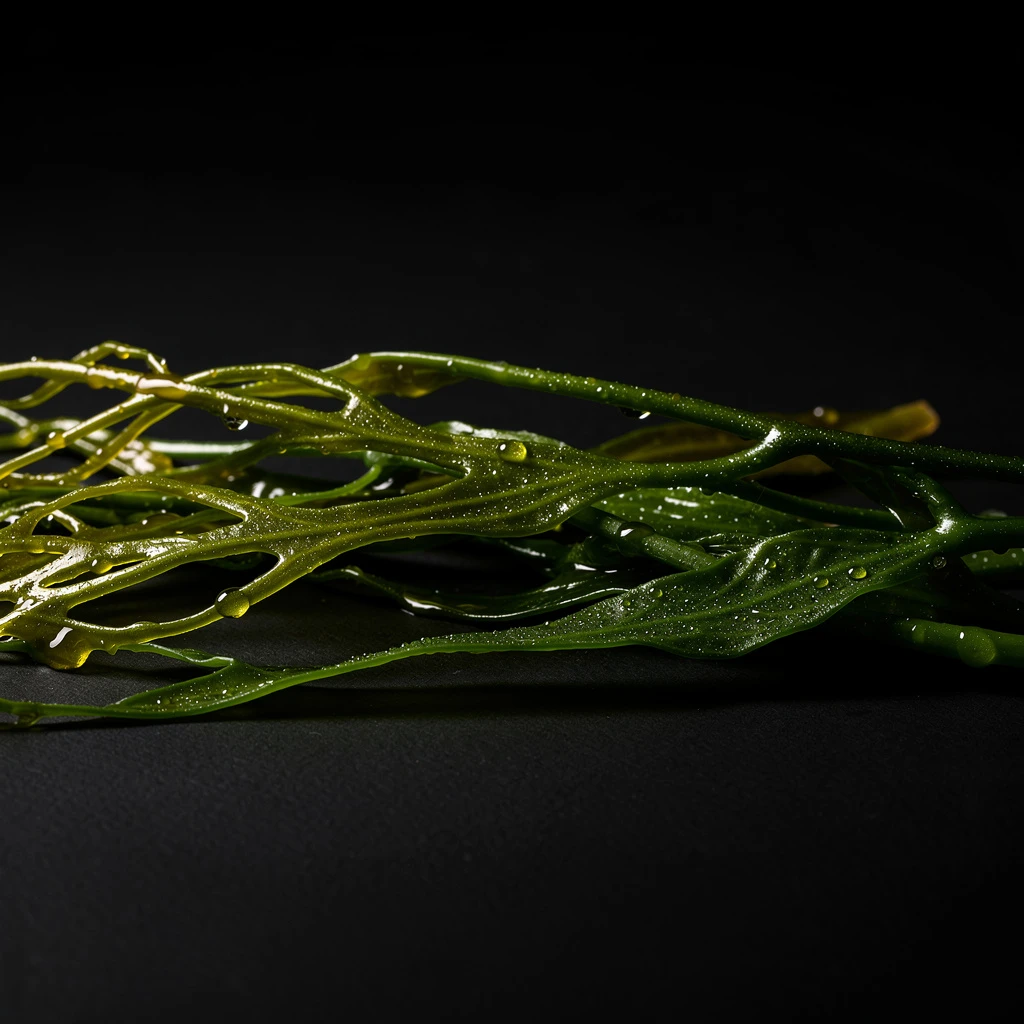
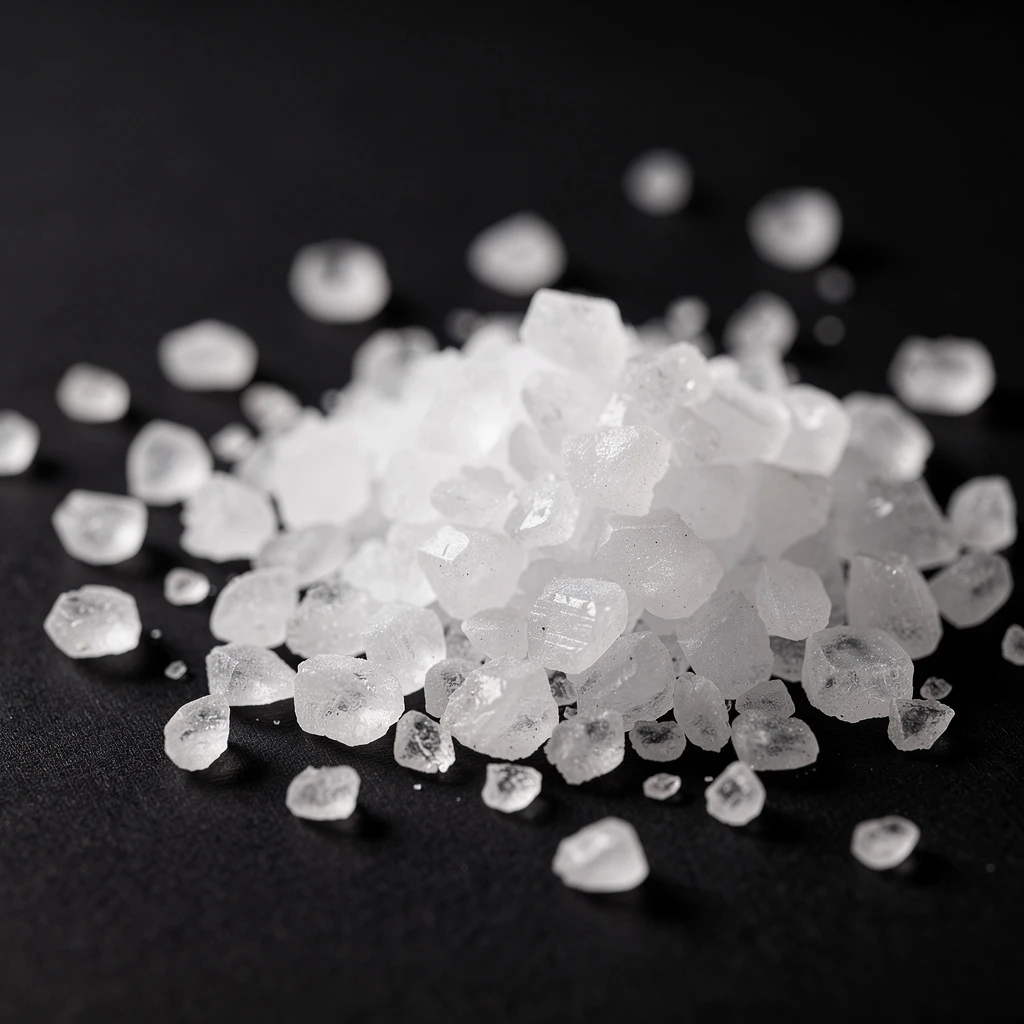
Arctical delivers the crisp, bracing sensation of polar air through advanced synthetic chemistry. This innovative aroma captures the mineral clarity of glacier water and the electric freshness of arctic wind, adding luminous, metallic-cool depth to contemporary fragrances.

Character
How it smells
Synthetic arctic freshness captured in crystal form.
The cooling effect of synthetic compounds like Arctical tricks the skin's thermoreceptors, creating a physical sensation of cold without any temperature change.







Origin
Switzerland
The story of synthetic cooling agents like Arctical begins with the broader revolution in fragrance chemistry that accelerated after the late nineteenth century. When commercial synthesis of aroma compounds became possible around 1890, perfumers gained tools their predecessors never imagined. Yet it would take until the latter twentieth century for the industry to develop truly effective synthetic cooling molecules.
The breakthrough came from understanding how human perception of cold works at a molecular level. Scientists identified specific receptors that trigger cold sensations, then engineered compounds to activate them selectively. This approach, grounded in sensory biology, produced ingredients that create genuine physical responses rather than merely describing frozen landscapes.
Today, such materials represent the cutting edge where neuroscience meets artisan perfumery, opening creative possibilities undreamt of by earlier generations of fragrance makers.
Wears it best
Fragrances featuring Arctical
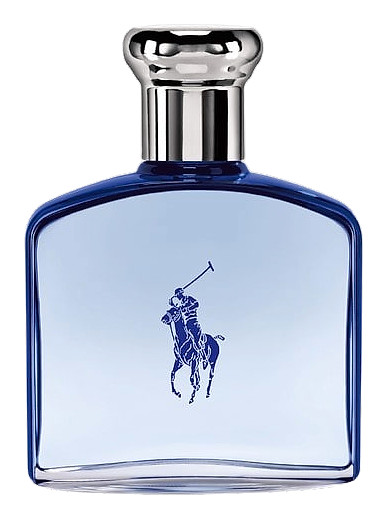
Brands
Brands known for Arctical
Good to know
Questions, answered
The essentials on Arctical in perfumery: how it smells, where it comes from, and how it behaves on skin.
What exactly is Arctical in perfumery?
Arctical is a synthetic aroma chemical that produces a cold, fresh, metallic sensation. It activates the skin's cold receptors, creating a physical feeling of arctic air without any actual temperature change.
How does Arctical differ from natural cool ingredients like mint?
Natural cooling agents like menthol activate multiple sensory pathways, producing distinct minty or herbal notes. Arctical isolates pure cold sensation with minimal accompanying aroma, offering cleaner, more transparent freshness.
Is Arctical safe for skin application?
Yes, when properly diluted for fragrance use. Regulatory bodies including IFRA have established usage limits based on extensive toxicological review, ensuring consumer safety at established concentrations.
What fragrances typically use Arctical?
Modern aquatic, fougere, and fresh fragrance families commonly feature this ingredient. It appears in both men's and women's perfumes designed to evoke clean, crisp, or outdoor freshness.
Can Arctical be combined with natural essential oils?
Absolutely. Arctical blends well with citrus oils, marine accords, and green materials. It amplifies their perceived freshness without overpowering their natural character.
Is Arctical environmentally sustainable?
Synthetic production avoids the land use, water consumption, and ecological disruption associated with growing or harvesting natural aromatic materials. Laboratory synthesis offers a controlled, reproducible alternative.
How much Arctical appears in typical fragrance formulations?
As a powerful aroma chemical, Arctical is used at low concentrations, typically below 5% of the fragrance concentrate. A little goes a significant distance in achieving its characteristic cooling effect.
Does Arctical have any olfactory character beyond cold sensation?
The compound registers primarily as cold and slightly metallic with faint mineral and ozonic qualities. Its value lies in creating sensory impact rather than standing alone as a recognizable note.