Aquatic Plants
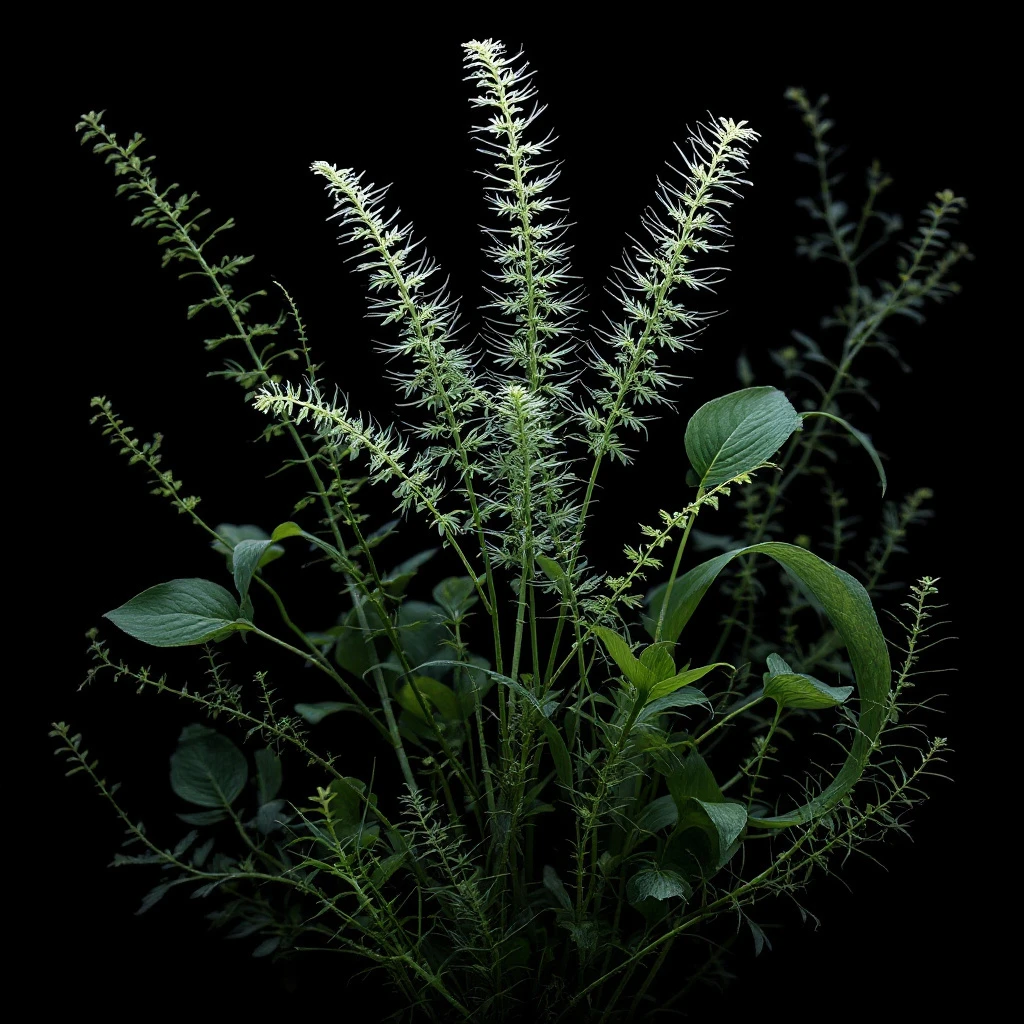
Freshwater and marine botanicals that capture the scent of water itself. Aquatic plants bring a crisp, dewy freshness to fragrances that evokes rain-soaked shores and sunlit ponds.
Character
How it smells
The Living Essence of Water
The sacred lotus releases its fragrance most intensely at dawn, when morning dew settles on its petals and the air is perfectly still.





Origin
France
Aquatic plants have appeared in perfumery since ancient Egypt, where lotus flowers held sacred significance in temple rituals and burial practices. Chinese and Japanese traditions incorporated water iris into ceremonial incense, recognizing the plant's exceptional ability to capture and hold aromatic molecules. European perfumers began working with freshwater botanicals during the Renaissance, though aquatic notes remained relatively rare until the twentieth century.
The modern era of aquatic fragrances began in 1966 when Pfizer chemist J. B. Hall discovered calone ( watermelon ketone ), a synthetic compound that mimicked the fresh, watery character of aquatic plants with unprecedented accuracy.
This breakthrough enabled perfumers like Pierre Bourdon to create groundbreaking aquatic fragrances in the 1980s, fundamentally changing the industry.
Wears it best
Fragrances featuring Aquatic Plants
Brands
Brands known for Aquatic Plants
Good to know
Questions, answered
The essentials on Aquatic Plants in perfumery: how it smells, where it comes from, and how it behaves on skin.
What gives aquatic plants their fresh, water-like scent?
Natural aquatic plants contain volatile compounds like aldehydes, ketones, and green-note molecules that mimic the smell of fresh water. Modern perfumery often pairs these natural extracts with synthetic materials like calone for a more consistent aquatic effect.
How long have aquatic plants been used in perfumery?
Aquatic plants have appeared in perfumery since ancient Egypt, where lotus flowers held sacred significance in temple rituals and burial practices. Modern aquatic fragrances emerged in the 1980s after synthetic calone became available.
Are aquatic plants difficult to source for fragrance production?
Some aquatic plants grow abundantly in wetlands and freshwater environments worldwide, making them relatively accessible. Others require sustainable harvesting practices to avoid disrupting delicate aquatic ecosystems.
Where do the best aquatic plant materials for perfumery come from?
The Grasse region of France, with its proximity to Mediterranean wetlands, has historically produced exceptional aquatic plant extracts. Japan and parts of Southeast Asia also cultivate specialized aquatic botanicals for fragrance use.
What parts of aquatic plants do perfumers use?
Different extraction methods target different plant parts. Roots and rhizomes work well with steam distillation, while flowers and delicate stems require solvent extraction or supercritical CO2 to capture their aromatic compounds.
Do aquatic plants work better as top notes or base notes?
Aquatic plant extracts typically function as top notes, providing an immediate fresh, watery impression that fades within 15 minutes to an hour. They rarely serve as base notes in fragrance composition.
Can you distinguish natural aquatic plant extracts from synthetic aquatic compounds?
Natural aquatic plant extracts offer complex, multi-layered scent profiles that are difficult to replicate synthetically. However, synthetic aquatic compounds can effectively capture the fresh, clean character of water and often provide greater consistency.
What extraction methods work best for aquatic plants?
Steam distillation suits roots and rhizomes like calamus, while solvent extraction works better for delicate flowers and stems. Supercritical CO2 extraction has proven particularly valuable for capturing the fresh, dewy character of aquatic materials without thermal degradation.