Apricot Milk
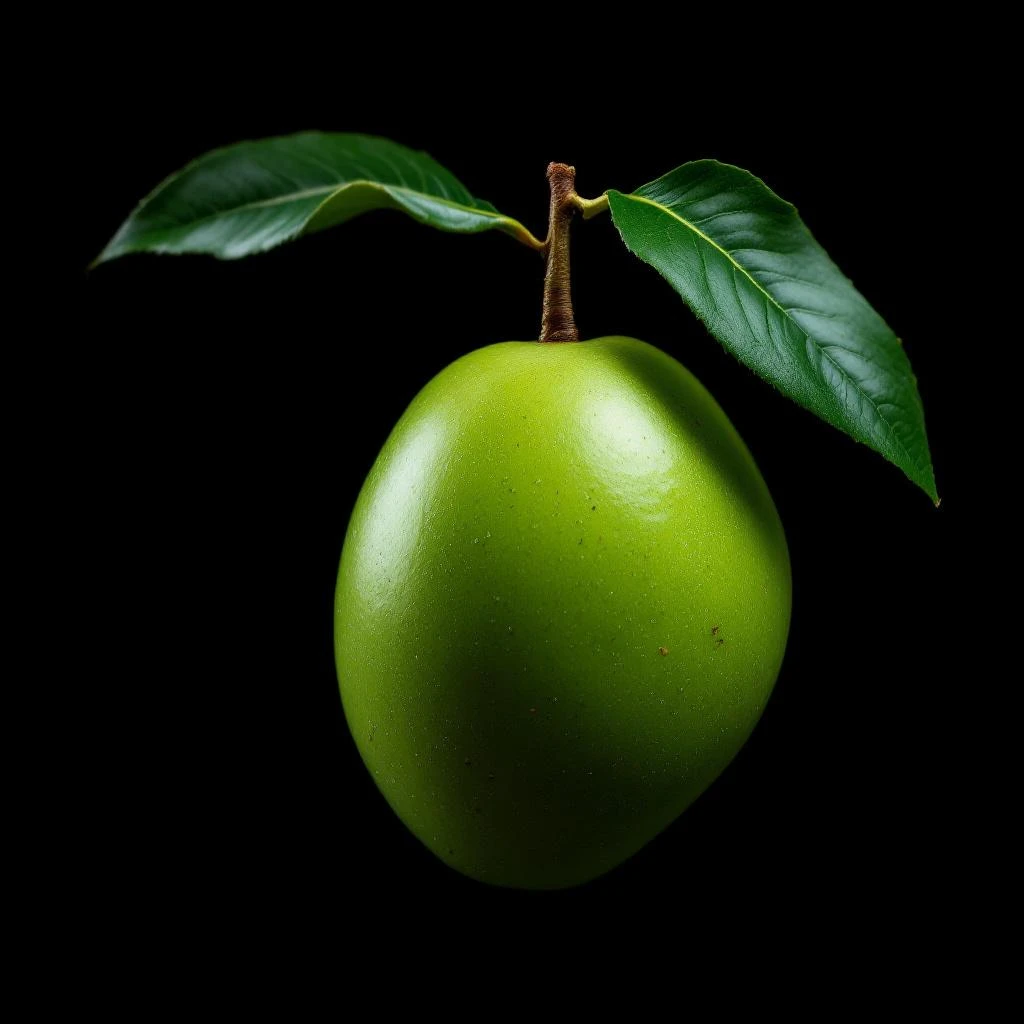
Apricot Milk captures the soft, creamy sweetness of ripe apricot blended with smooth, velvety lactonic undertones. This gourmand-inspired note adds a luscious, skin-like warmth to fragrances, evoking sun-warmed stone fruit at peak ripeness.
Character
How it smells
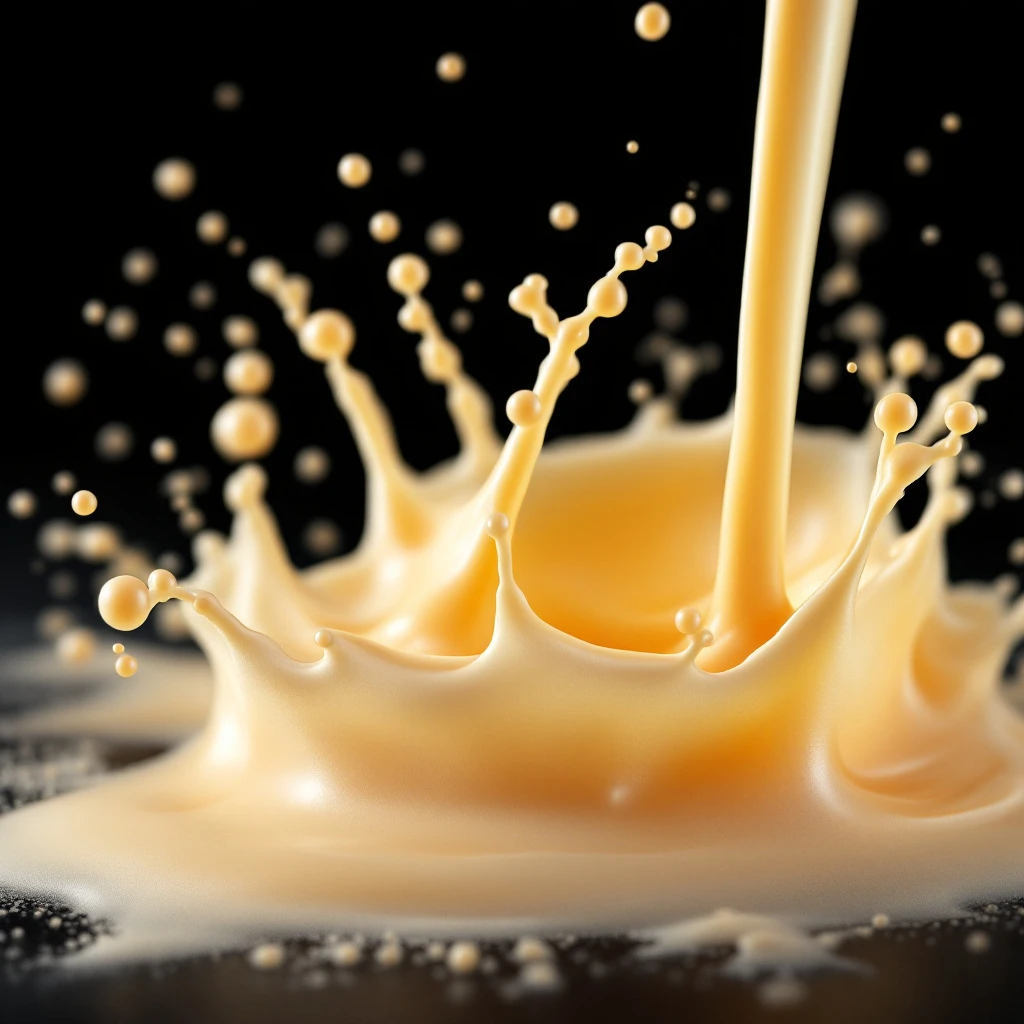
Velvety stone fruit with a creamy, sun-warmed glow
Apricot Milk is almost always a laboratory construction rather than a direct fruit extract, layering fruit esters with dairy-style lactones to mimic the scent of fruit dipped in cream.

Origin
Not location-specific (synthetic accord)
Apricots entered perfumery well before the modern fruity accord existed. The fruit traveled the Silk Road from its native China, reaching Persia and the Mediterranean by antiquity, where it appeared in unguents and body oils recorded by Greek and Roman writers.
By the 20th century, synthetic aroma chemistry opened the door for apricot-inspired notes, with lactones and fruit esters allowing perfumers to capture fruit character without perishable extracts. The creamy 'milk' variant emerged alongside the gourmand trend of the late 20th century, when perfumers began layering fruit notes with dairy-like lactones and vanilla derivatives to evoke edible, comforting scents.
Thierry Mugler's Angel in 1992 helped cement this confectionery aesthetic, and apricot-style accords became staples in fruity florals and orientals. Today, Apricot Milk appears in compositions from indie ateliers to major houses, valued for its ability to soften sharper florals and add a gourmand halo to compositions.
Wears it best
Fragrances featuring Apricot Milk
Brands
Brands known for Apricot Milk
Good to know
Questions, answered
The essentials on Apricot Milk in perfumery: how it smells, where it comes from, and how it behaves on skin.
What does Apricot Milk smell like in perfume?
Apricot Milk combines fruity sweetness with creamy, lactonic softness, smelling like ripe apricot blended with warm vanilla and a smooth dairy undertone. It typically reads as sun-warmed stone fruit with a velvety, skin-like finish rather than sharp or tart fruit.
Is Apricot Milk a natural or synthetic fragrance note?
Almost always synthetic or partially synthetic. Perfumers build Apricot Milk using nature-identical aroma chemicals like gamma-decalactone and fruit esters, since natural apricot extract alone cannot capture the creamy quality the note implies.
What fragrance types most often use Apricot Milk?
Apricot Milk appears most frequently in gourmands, fruity florals, and soft orientals. It works as a supporting note that smooths sharper florals or adds an edible warmth to vanilla-heavy compositions.
Does Apricot Milk smell similar to peach in perfume?
Yes, they share genetic neighbors. Apricot (Prunus armeniaca) and peach (Prunus persica) both produce similar lactone-driven aromas, and perfumers often use overlapping materials to create both. Apricot tends to read slightly sweeter and more milky, while peach leans more velvety and fleshy.
When was Apricot Milk first used in mainstream perfumery?
The creamy milk-style apricot accord rose to prominence in the 1990s alongside the gourmand trend. Thierry Mugler's Angel (1992) popularized edible, lactone-rich compositions, and apricot accords became recurring features in fruity and gourmand launches through the 2000s.
What aroma chemicals create the Apricot Milk effect?
Gamma-decalactone provides peachy fruitiness, gamma-nonalactone adds creamy coconut-like softness, and esters such as ethyl 2-methylbutyrate contribute the bright, juicy top note. Together, these compounds recreate ripe apricot with a milky finish.
Is Apricot Milk safe for people with nut allergies?
Generally yes. The accord itself is built from synthetic aroma chemicals, and most formulas avoid true apricot kernel extract. However, anyone with severe sensitivity should review the full ingredient list with the brand, since some fragrances include genuine Prunus armeniaca kernel oil.
Where does the apricot fruit originally come from?
Apricots originated in northwestern China, where archaeological evidence places their cultivation as early as 6000 BCE. From there they traveled westward along the Silk Road into Persia, Armenia, and eventually the Mediterranean basin.