Apricot Cake
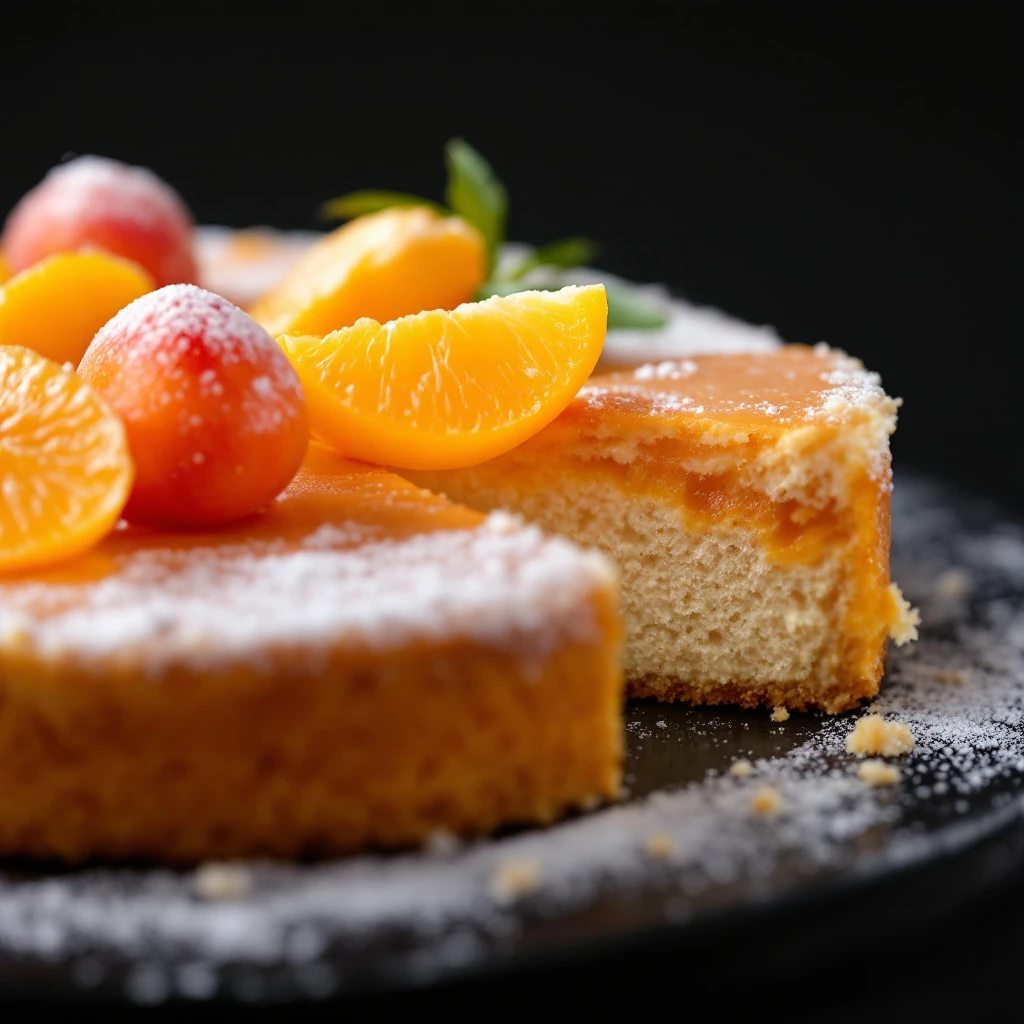
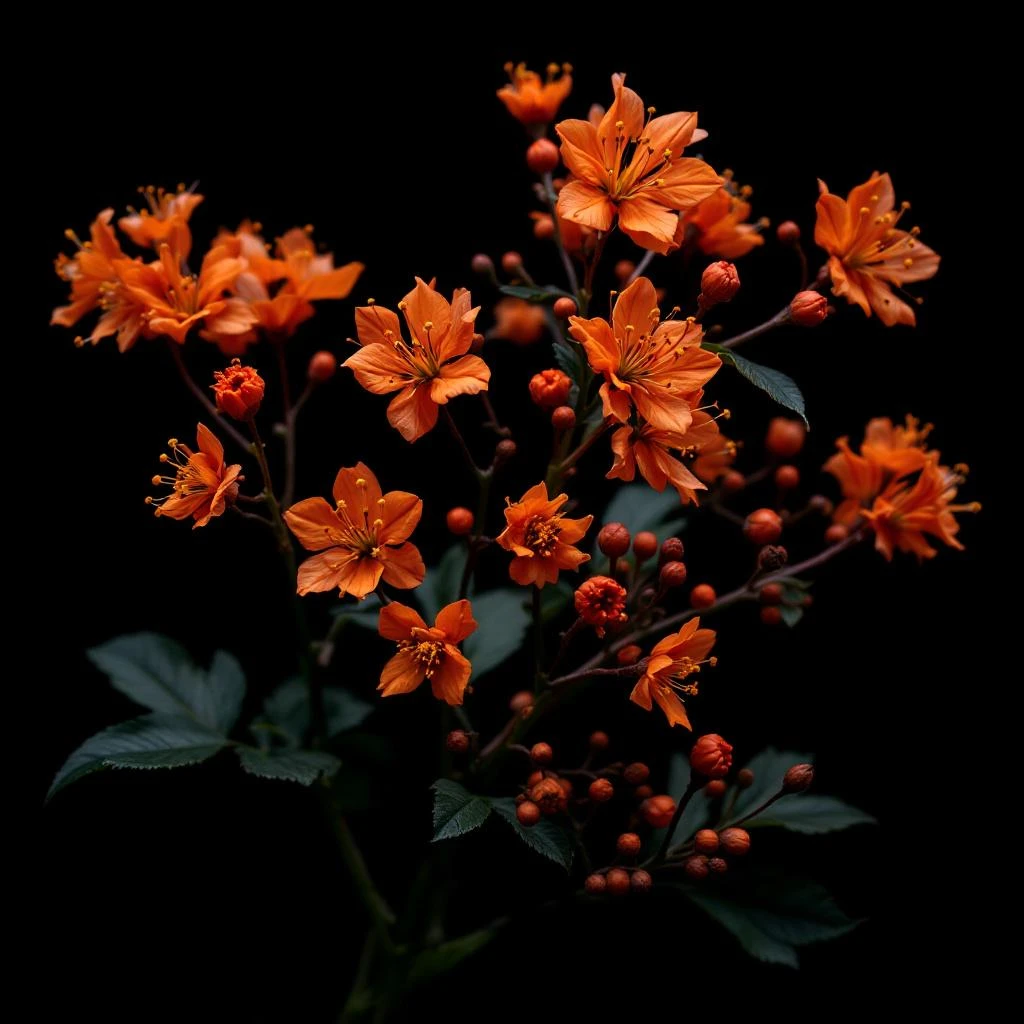
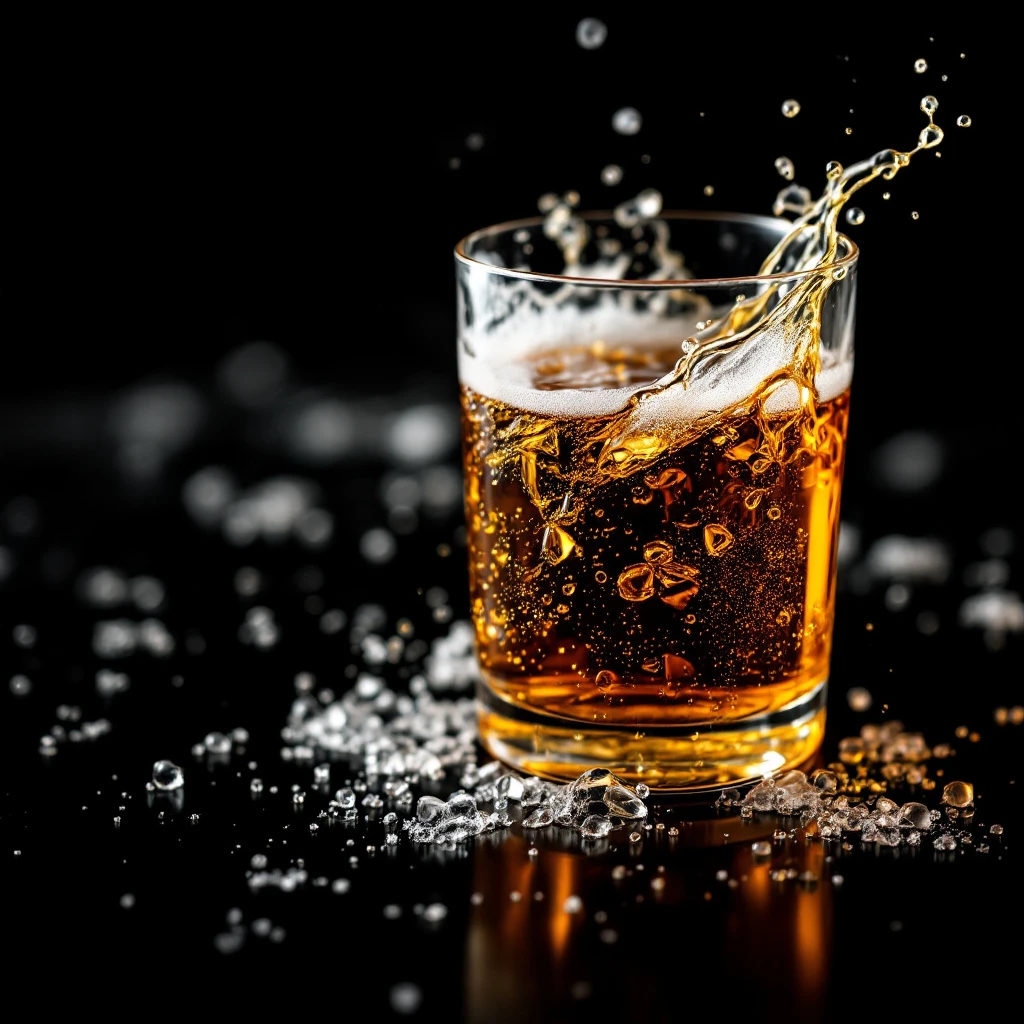
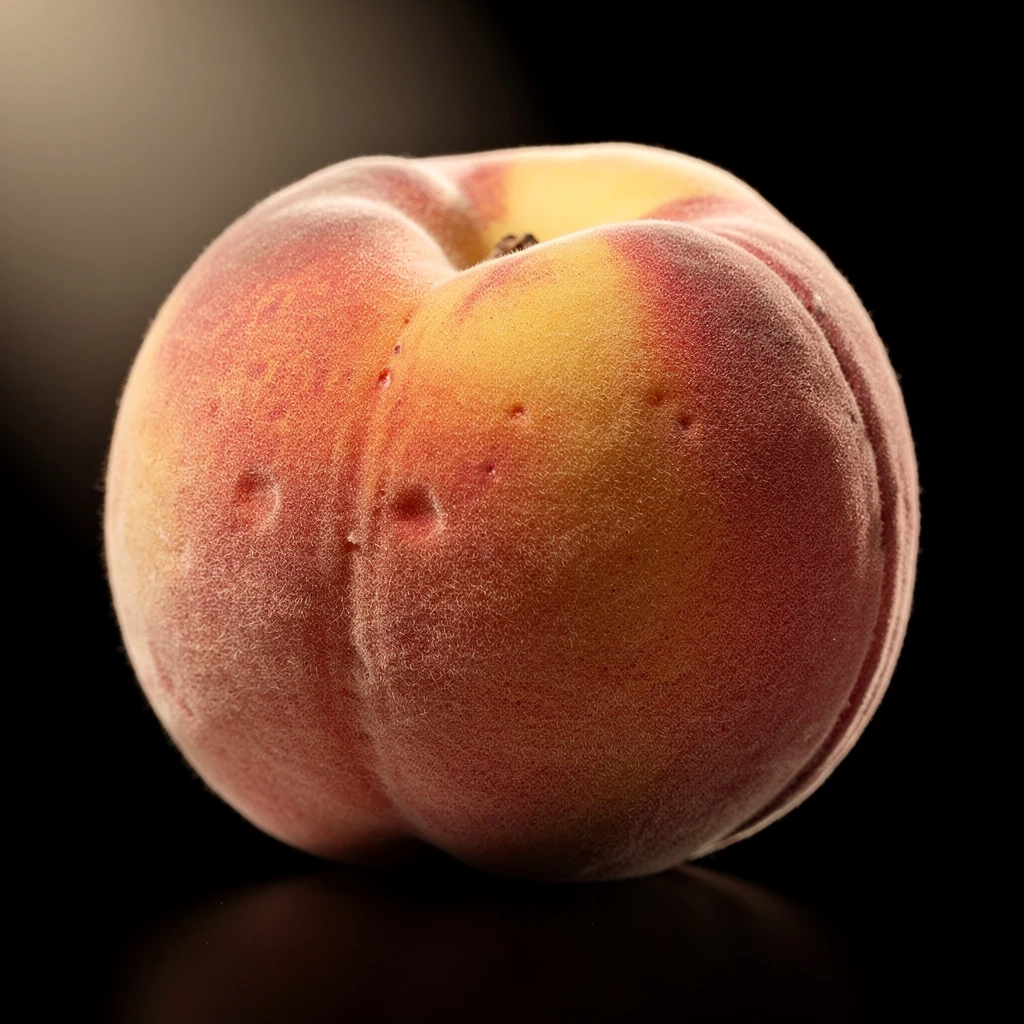
Warm, golden, and nostalgic. Apricot Cake captures the scent of sun-ripened stone fruit folded into buttery batter, sugar-glazed, and pulled fresh from the oven. A gourmand note that smells edible without sweetness overwhelming.
Character
How it smells
Bakery warmth in a bottle
Apricot nectar appeared in a 1966 Pillsbury campaign promoting the iconic Apricot Nectar Cake, which later inspired countless variations on Southern tables.


Origin
United States
Applesauce cake predates it, but the apricot cake as Americans know it traces to Lafayette, Louisiana, where cooks in the mid-twentieth century folded canned apricot nectar into yellow batter. Pillsbury promoted the recipe in a 1966 advertising campaign, and it spread from Louisiana kitchens into bake sales nationwide.
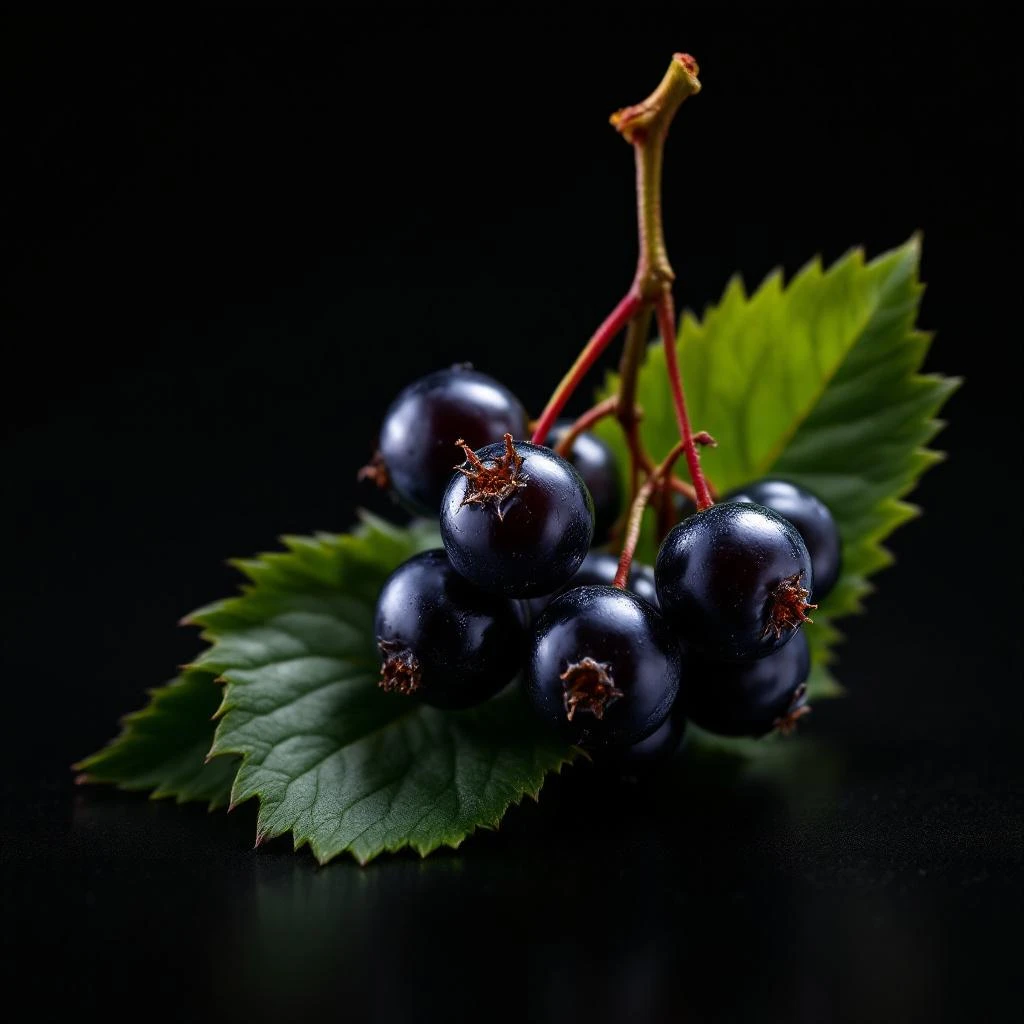
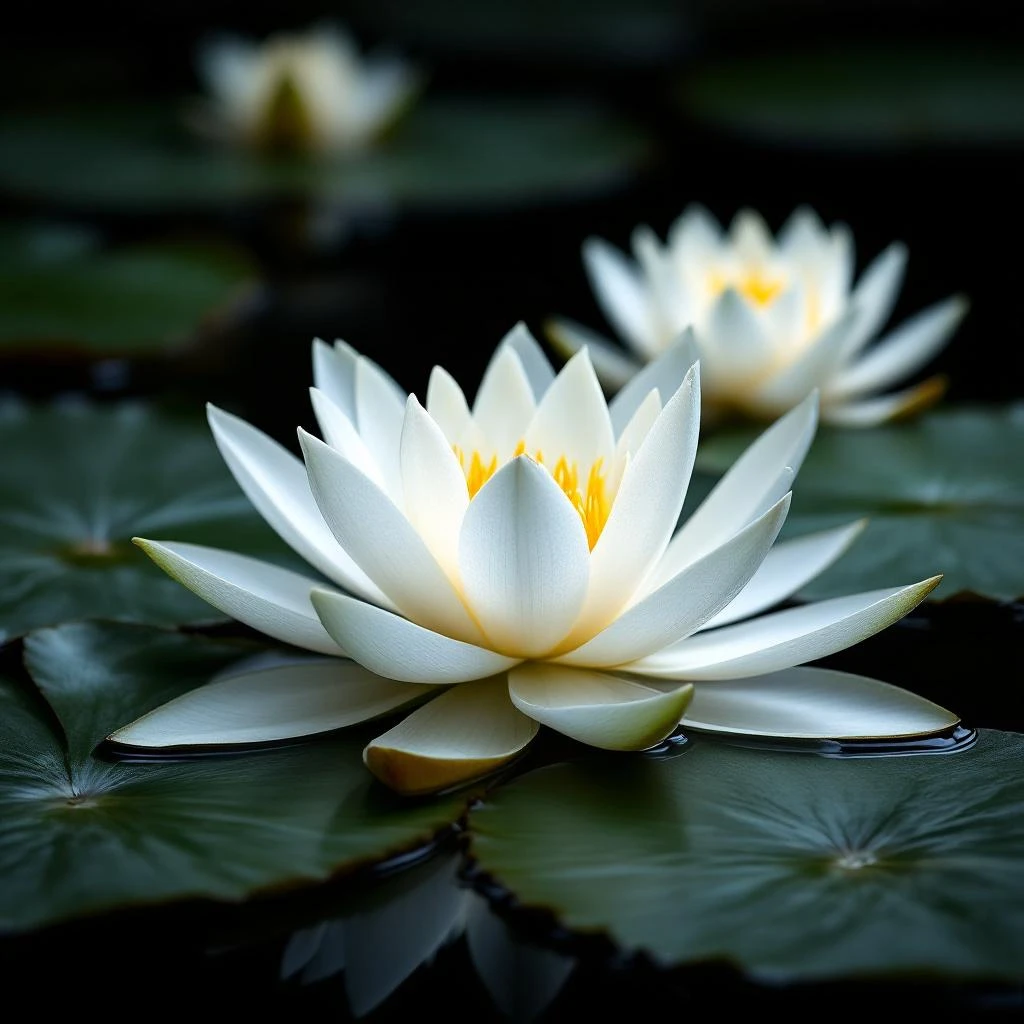
In perfumery, fruit-based gourmand notes remained rare until the 1990s, when synthetic lactones and aldehydes grew affordable enough to mimic stone fruit on skin. Before that, a true apricot accent required blending osmanthus flower absolute, sourced from China, with peach aldehyde and Davana oil from India.
The leap from a jar of jam to a wearable scent category owes much to advances in edible-smelling aroma chemistry, which made combinations like Apricot Cake both stable and reproducible. Today the note signals comfort, nostalgia, and a kind of edible warmth that older floral constructions rarely achieved.
Wears it best
Fragrances featuring Apricot Cake
Brands
Brands known for Apricot Cake
Good to know
Questions, answered
The essentials on Apricot Cake in perfumery: how it smells, where it comes from, and how it behaves on skin.
What does Apricot Cake smell like in perfume?
Apricot Cake smells like warm stone fruit baked in butter, with sugar-glaze sweetness and a soft vanillic finish. It reads as edible, golden, and slightly toasted rather than syrupy or jammy.
Is Apricot Cake a natural or synthetic fragrance note?
Apricot Cake is a constructed synthetic accord. It combines lab-created lactones that mimic real apricot with vanillin, maltol, and diacetyl to supply the bakery impression no single natural extract provides.
Where did apricot cake originate as a recipe?
The apricot nectar cake recipe as Americans know it traces to Lafayette, Louisiana, in the mid-twentieth century. Pillsbury popularized it through a 1966 advertising campaign that swept through Southern bake sales.
What fragrance family does Apricot Cake belong to?
Apricot Cake sits in the gourmand family, which features edible, dessert-like aromas. It shares territory with notes such as vanilla, honey, and almond, contributing fruit rather than dairy or chocolate sweetness.
What other notes pair well with Apricot Cake?
Apricot Cake blends well with vanilla, sandalwood, tonka bean, and soft florals like orange blossom. Warm spices such as cinnamon and cardamom add depth without pushing the composition toward potpourri territory.
How long does Apricot Cake typically last on skin?
Apricot Cake usually registers for three to six hours, depending on concentration and supporting base notes. Lighter concentrations fade faster, while EDP formulations with sandalwood or benzoin extend the warm accord longer.
Can Apricot Cake smell realistic?
Skilled perfumers achieve surprising realism by layering gamma-decalactone, maltol, and trace amounts of natural osmanthus absolute. The warm-skin drydown often reads closer to real pastry than a candy-sweet impression.
Is Apricot Cake a seasonal fragrance note?
Apricot Cake works year-round, though it shines in autumn and winter when bakery and spice compositions dominate. Spring and summer formulations pair it with brighter florals to keep the fruit feeling sunny and lift the accord.





