Angular Solomon's Seal Root
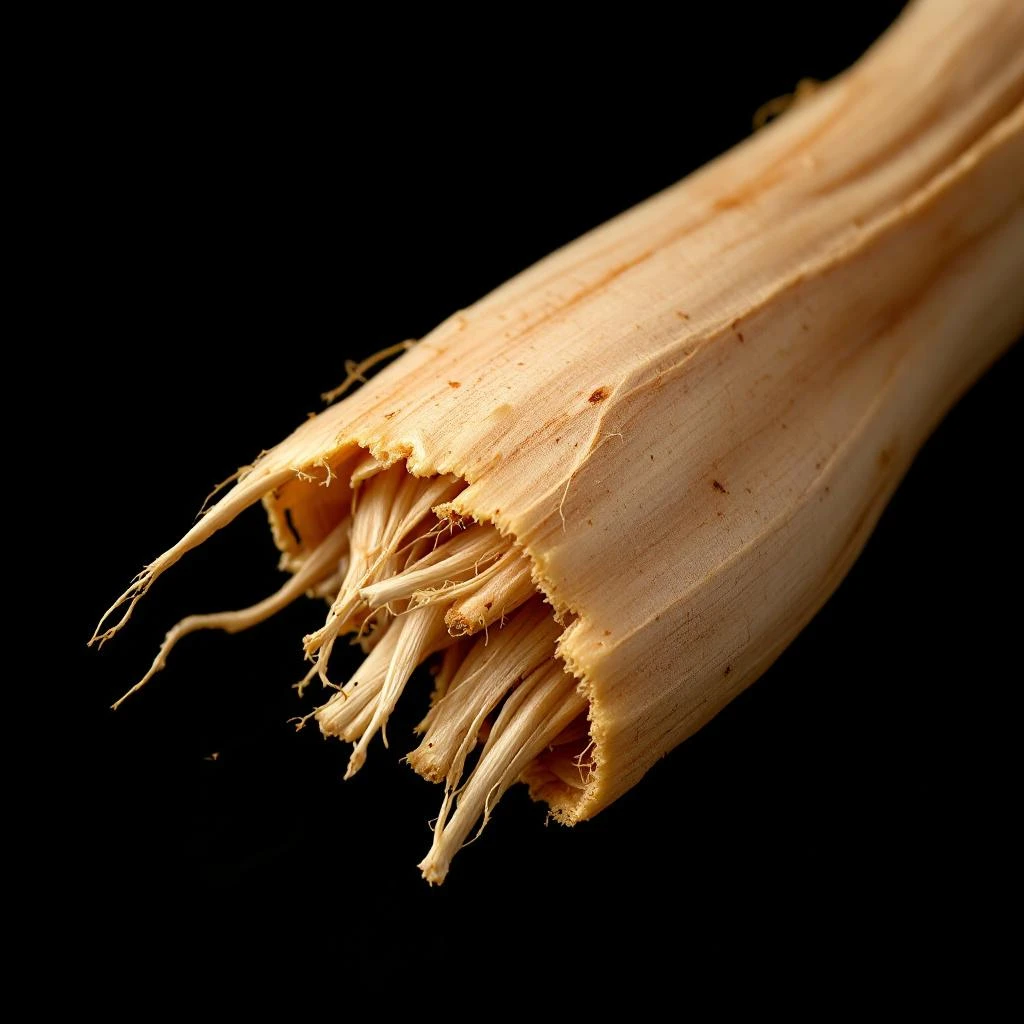
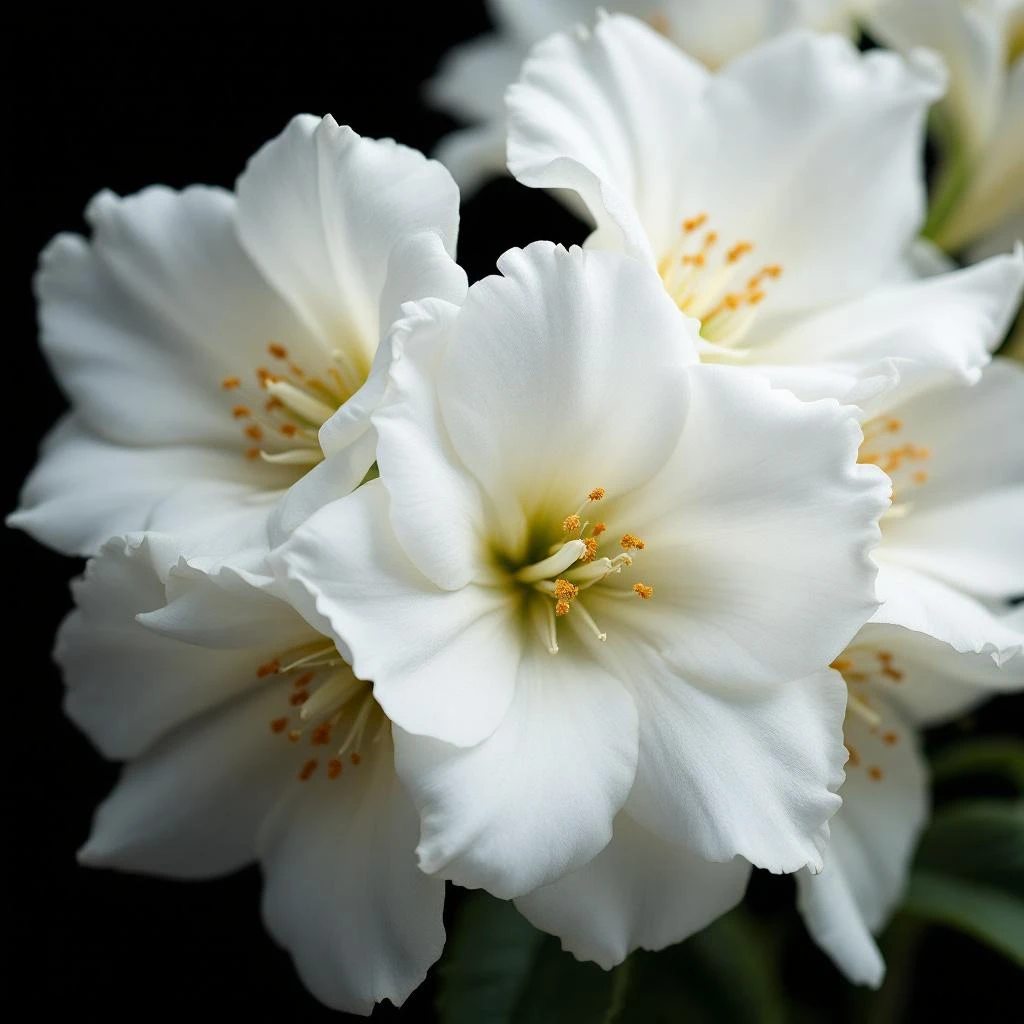
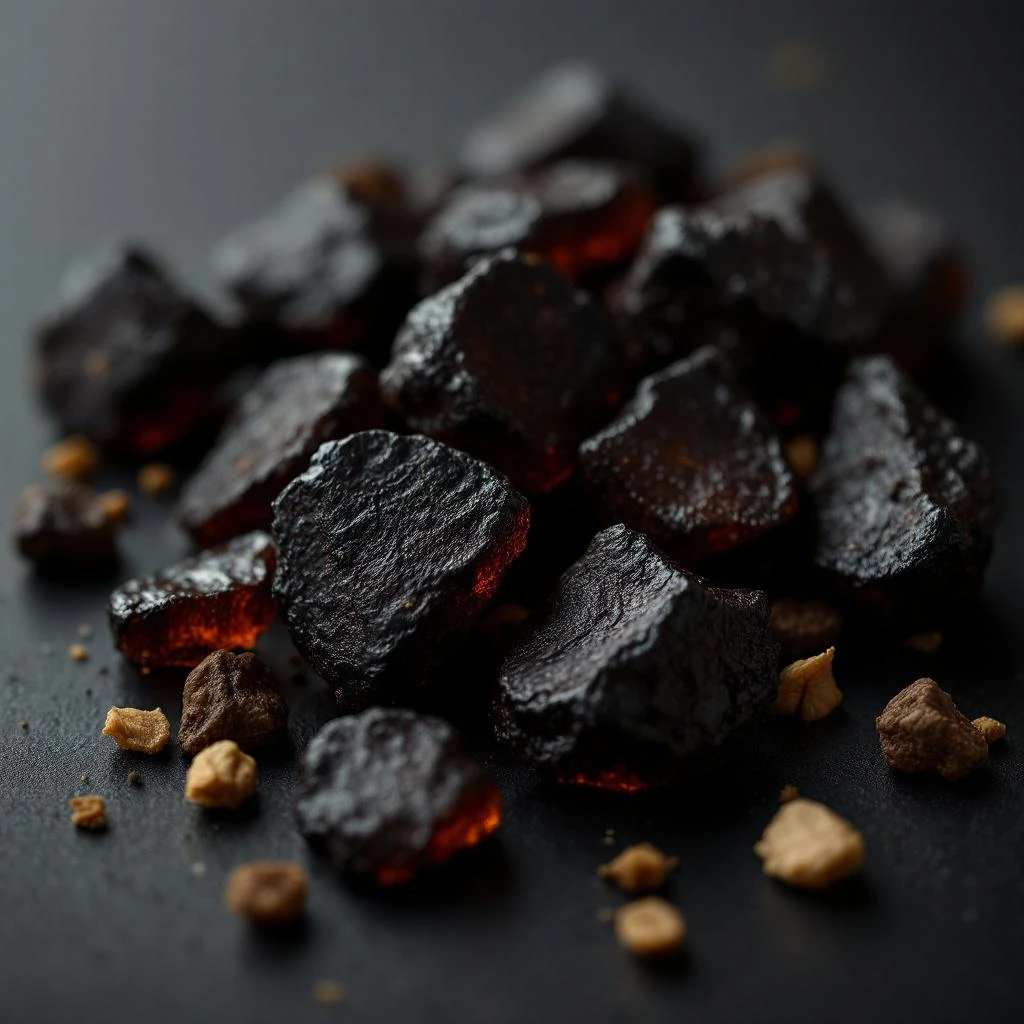
Angular Solomon's Seal Root offers a subtle, green-earthy sweetness drawn from the rhizomes of Polygonatum odoratum. Its scent sits between lily and vanillic orchid, lending quiet depth to natural perfumery.
Character
How it smells
Quiet sweetness from an ancient woodland root
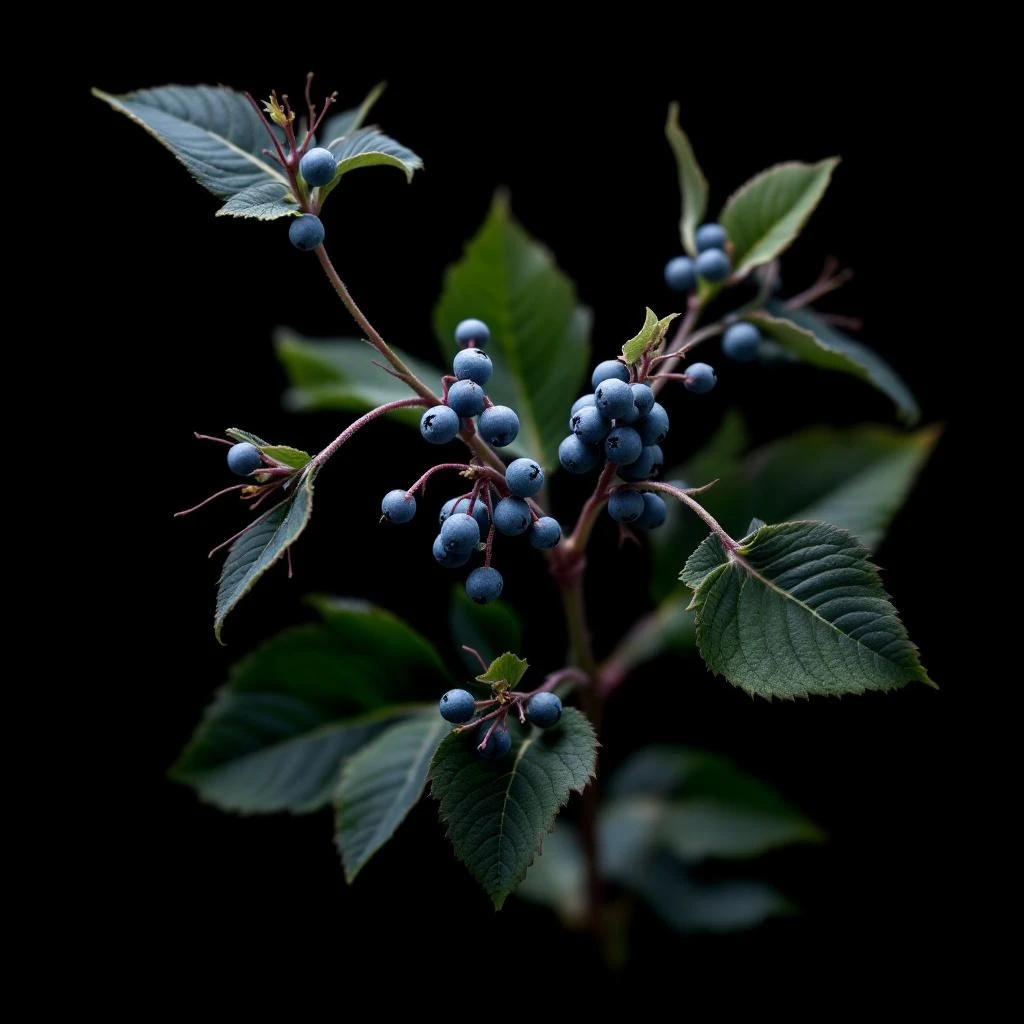
The name Polygonatum means 'many knees' in Greek, a nod to the jointed rhizomes that early herbalists saw as the seal of King Solomon himself.


Origin
Eurasia (cultivated primarily in China and Korea)
The genus Polygonatum has a documented history stretching back over two millennia. In 1597, English herbalist John Gerard catalogued Polygonatum odoratum in his famous Herball, noting its sweet scent and jointed roots. The plant earned its common name from a medieval legend: the circular scars on the rhizomes resembled the seal ring of King Solomon, a symbol of wisdom in ancient Hebrew tradition.
Across Eurasia, where the species grows wild from Europe through Siberia to Korea and Japan, the root has served as both food and medicine. In Traditional Chinese Medicine, it falls under the category of tonic herbs used to moisten connective tissue and support lung function. North American Indigenous tribes brewed a tea from related Polygonatum species to ease internal discomfort.
Its entry into modern perfumery reflects a growing interest in underused botanical materials with genuine historical pedigree.
Wears it best
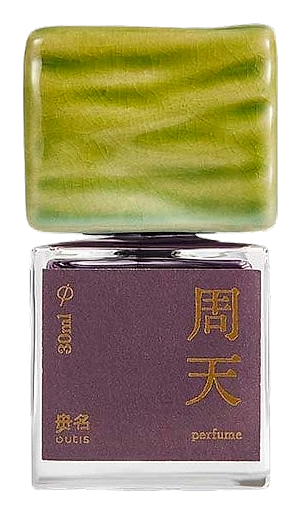
Fragrances featuring Angular Solomon's Seal Root
Brands
Brands known for Angular Solomon's Seal Root
Good to know
Questions, answered
The essentials on Angular Solomon's Seal Root in perfumery: how it smells, where it comes from, and how it behaves on skin.
What does Angular Solomon's Seal Root smell like?
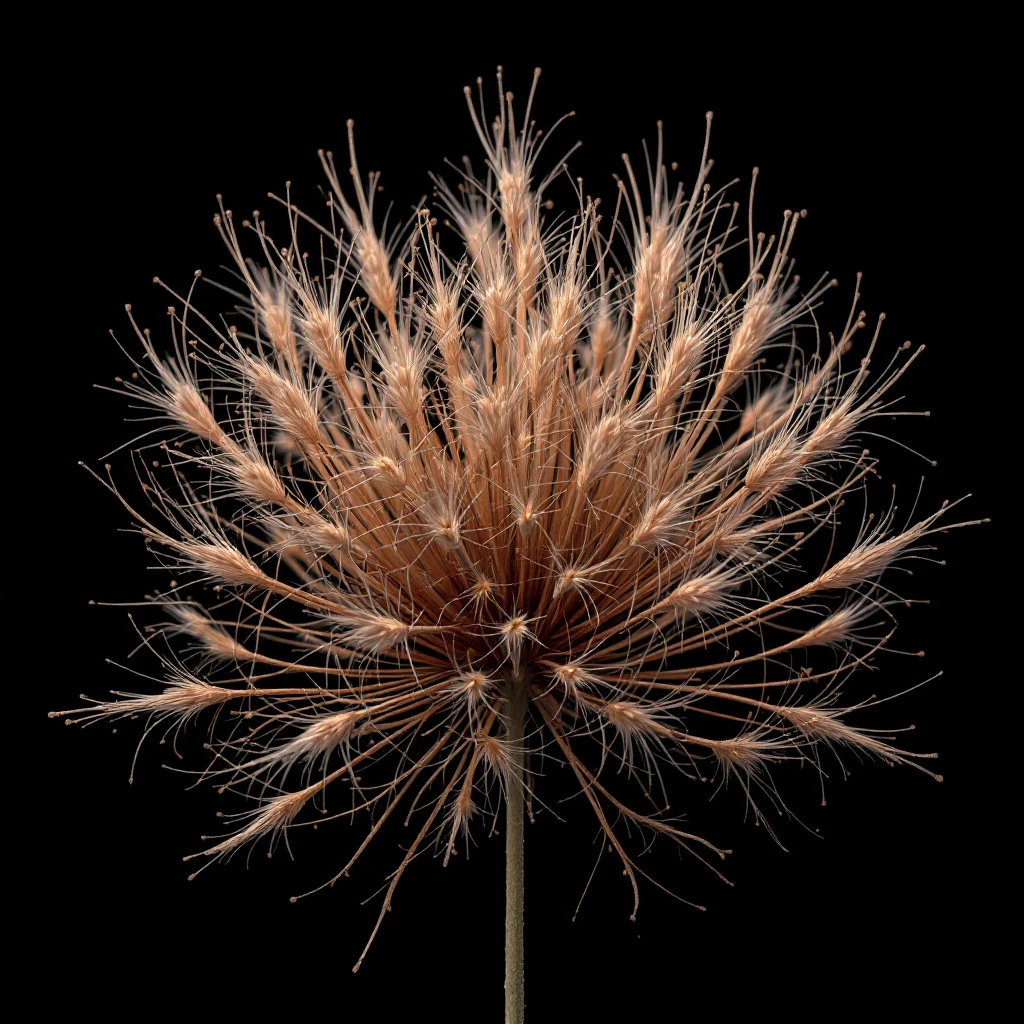
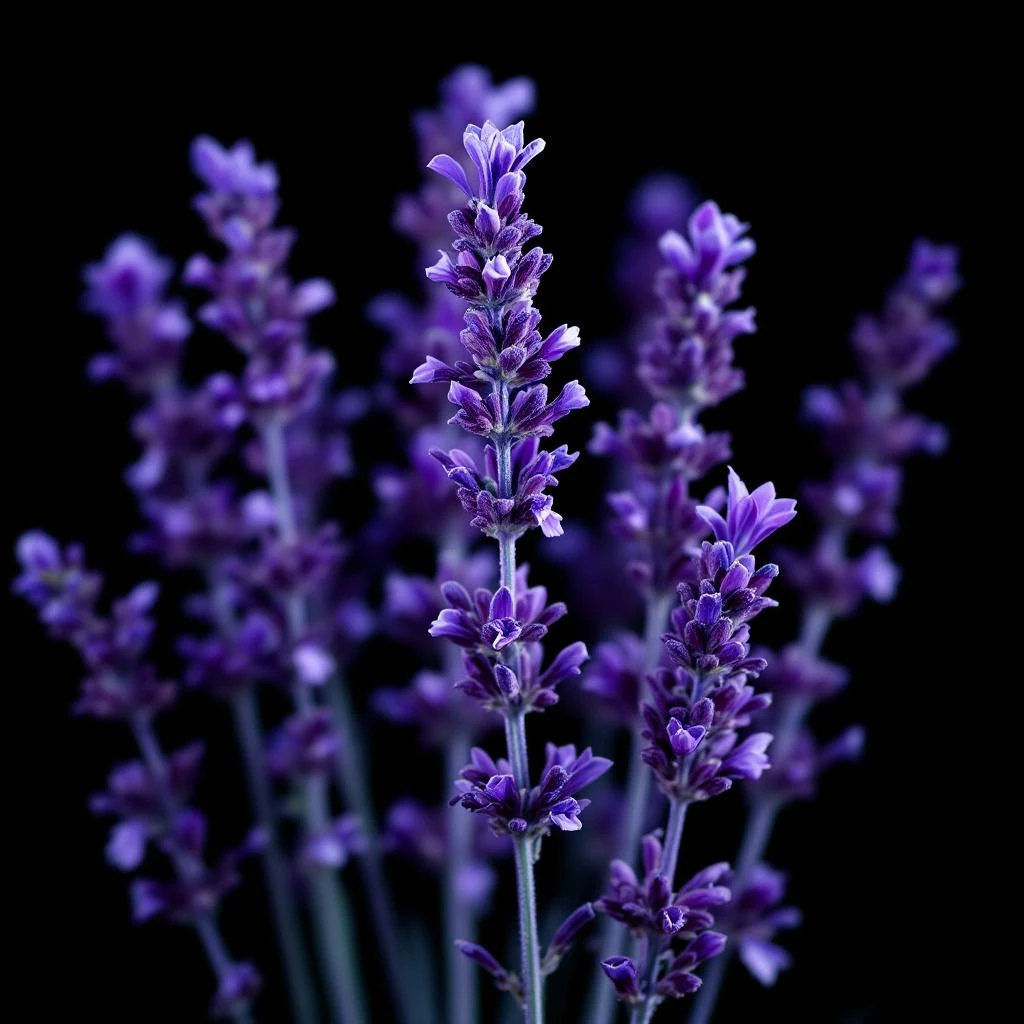
It carries a soft, green sweetness often compared to lily, cyclamen, and vanillic orchid. The scent is subtle and slightly earthy rather than bold, making it a quiet accent in natural compositions. Garden growers note the flowers themselves share this delicate profile.
Is Angular Solomon's Seal the same as regular Solomon's Seal?
Polygonatum odoratum, called angular or scented Solomon's seal, is distinct from North American species like P. biflorum. The 'odoratum' name signals its noticeably sweet scent, a trait that earned it inclusion in John Gerard's 1597 Herball. Both share jointed rhizomes that inspired the Solomon's seal legend.
Why is it called Solomon's Seal?
The name comes from the circular scars left on the rhizome where previous stalks detached. Medieval Europeans believed these marks resembled King Solomon's magical seal ring, a symbol of wisdom. The genus name Polygonatum reinforces this, meaning 'many knees' in Greek for the jointed root.
How is the fragrance extracted from the root?
Producers typically dry the harvested rhizome, then apply solvent extraction or alcohol tincturing to capture its aromatic compounds. Steam distillation yields limited results because the delicate lactones degrade under high heat. The modest extraction output explains its rarity in commercial perfumery.
Where does Angular Solomon's Seal grow naturally?
Polygonatum odoratum is native to a wide Eurasian range spanning Europe, the Caucasus, Siberia, Mongolia, Korea, Nepal, and Japan. It thrives in shaded woodland habitats with moist soil. Most commercial material now comes from cultivated sources in East Asia.
Does Angular Solomon's Seal have medicinal uses?
Yes. In Traditional Chinese Medicine, the root is classified as a tonic herb used to moisten connective tissue and support respiratory health. North American Indigenous groups brewed related Polygonatum rootstock as a remedy for internal pains. Modern research on these traditional applications remains ongoing.
Is this ingredient used in mainstream perfumery?
It remains a niche material found mostly in artisan and natural perfumery rather than mass-market fragrances. Its subtle scent and limited extraction yields keep it from wider commercial use. Independent perfumers value it for adding historical depth and a vanillic-green softness.
What scents pair well with Angular Solomon's Seal Root?
It blends naturally with other woodland materials like oakmoss, violet leaf, and orris, which share its earthy-cool character. Floral partners such as lily of the valley and tuberose amplify its vanillic orchid quality. Light citrus accents can lift its quiet sweetness in airy compositions.