American Orange
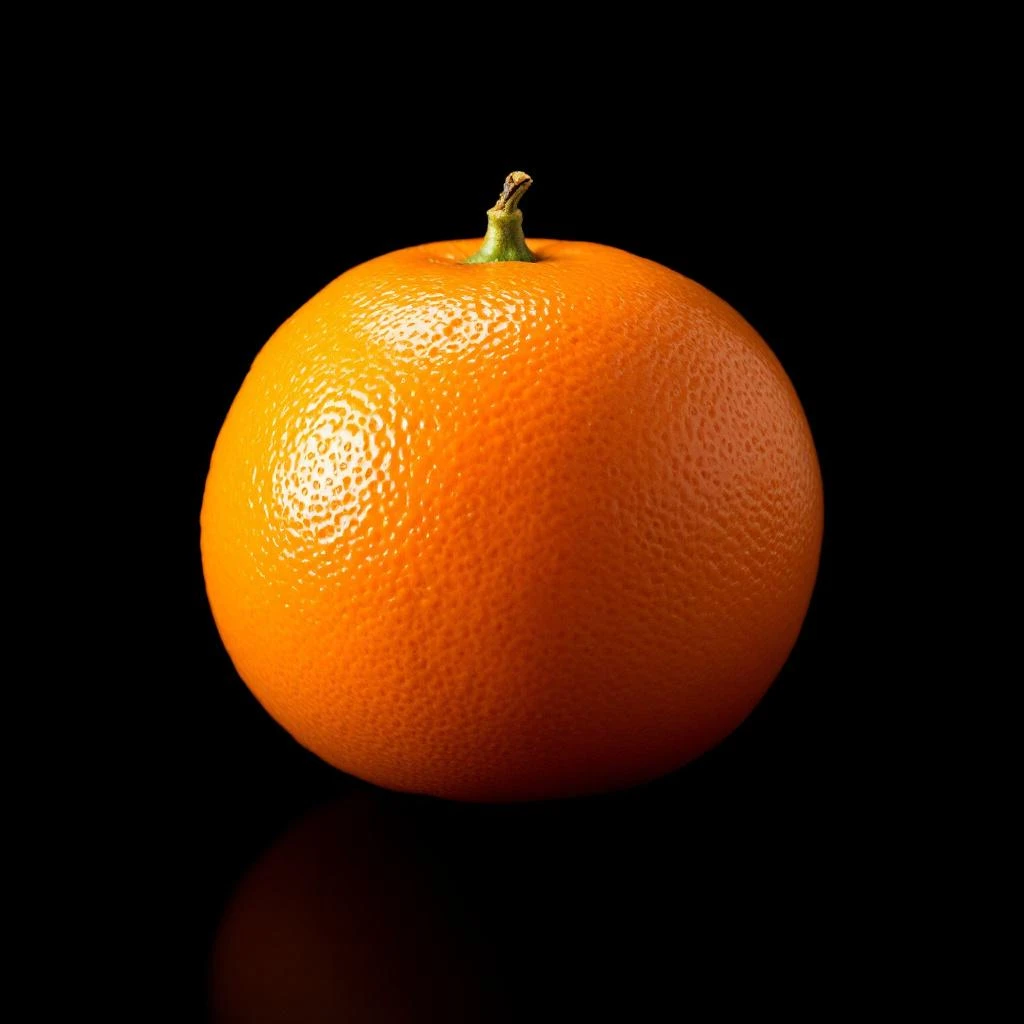
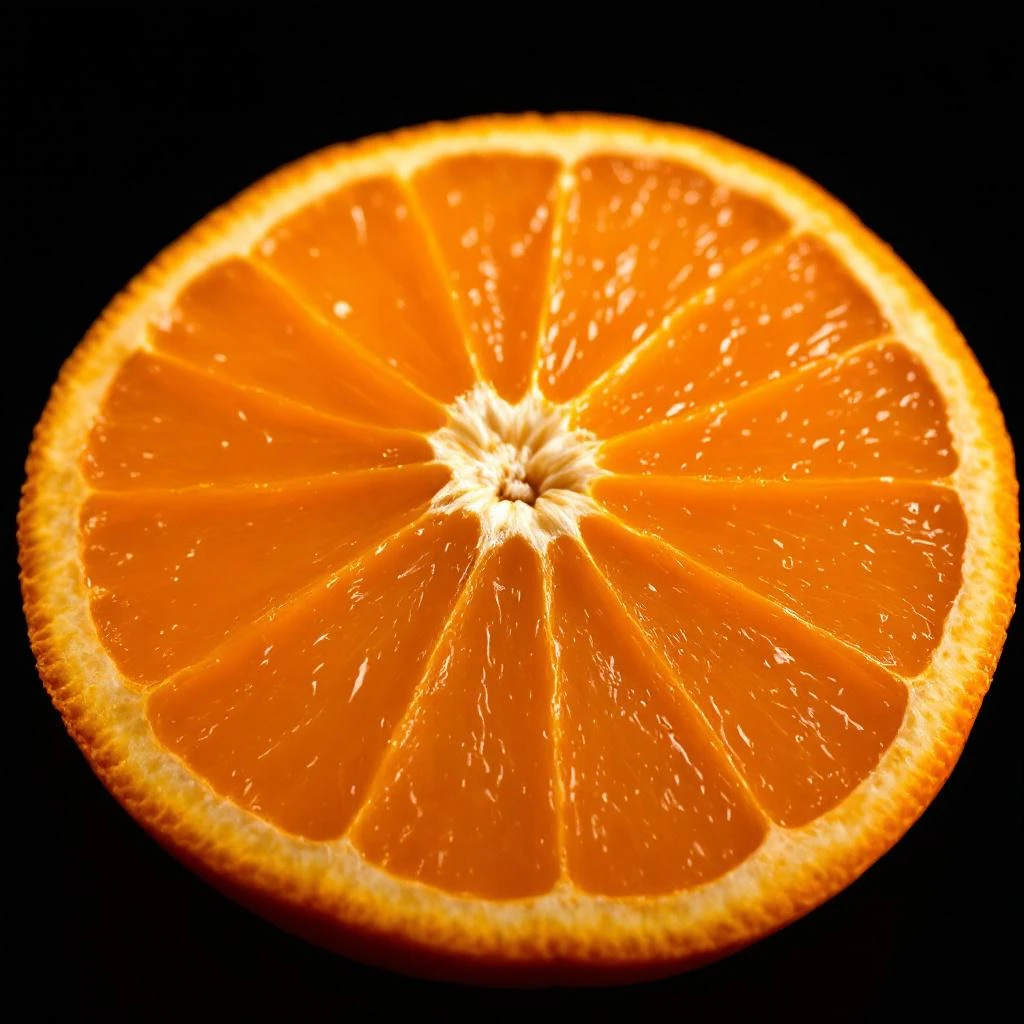
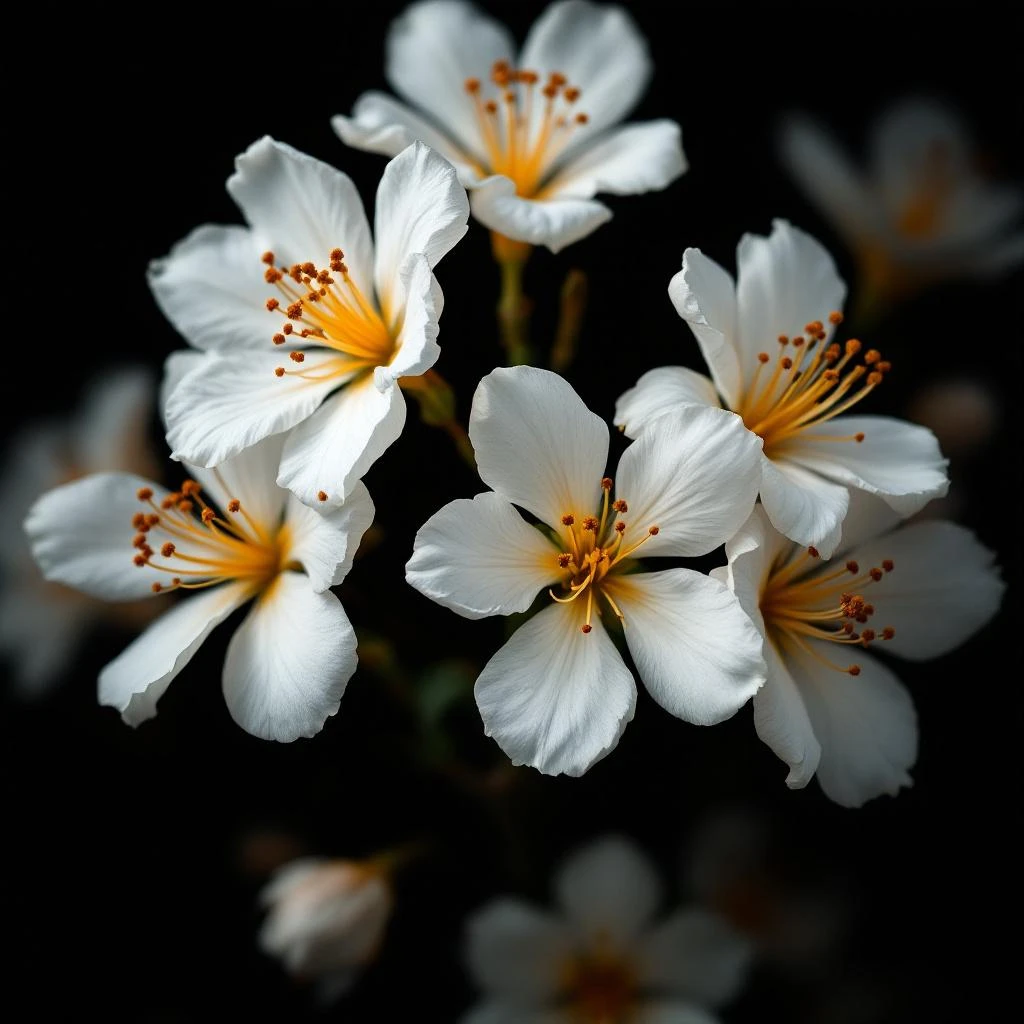
American Orange brings bright, sun-drenched citrus energy to perfumery, capturing the vibrant character of U.S.-grown sweet oranges in every golden drop of essential oil.
Character
How it smells
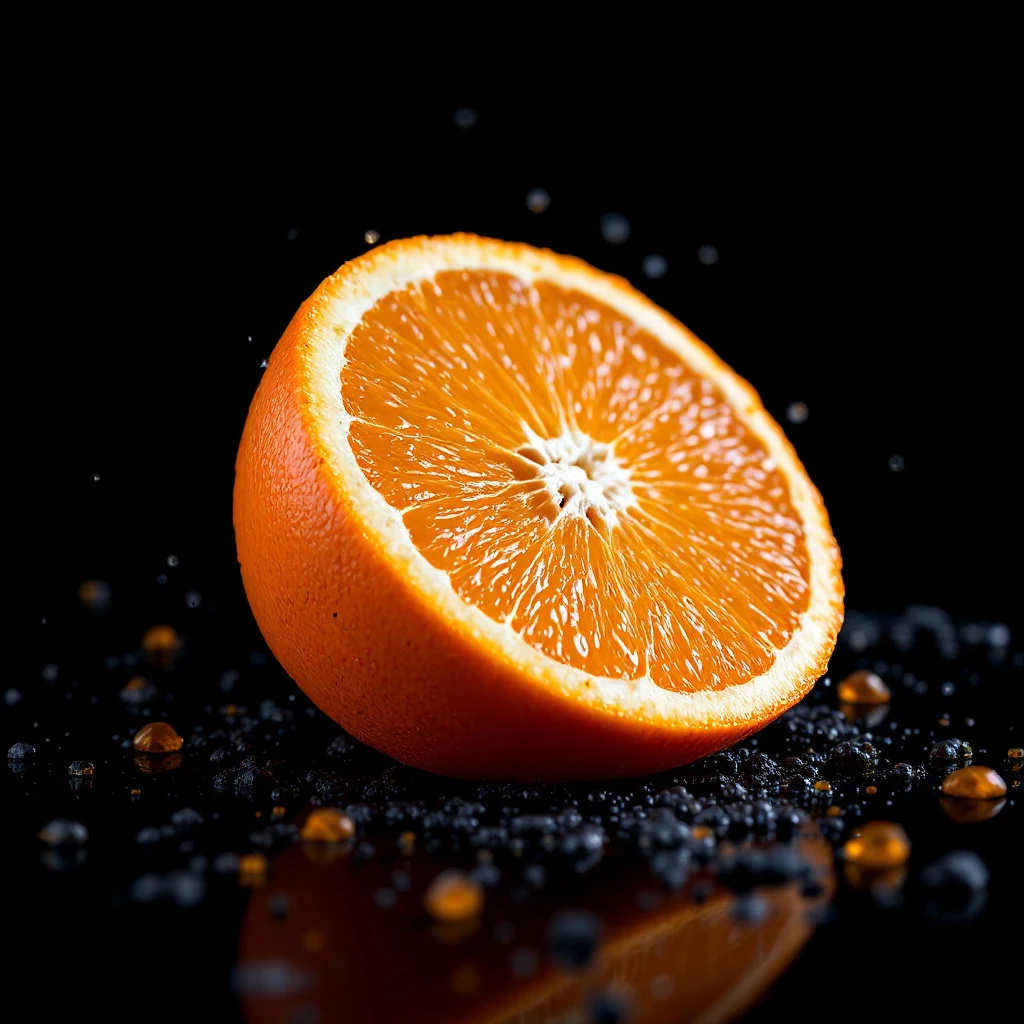
Bright citrus sunshine in liquid form.
It takes about 150 Florida oranges to produce just one fluid ounce of cold-pressed orange oil.








Origin
United States
The sweet orange arrived in the Americas with Spanish explorers in the early 1500s, arriving in Florida by the mid-1500s. Spanish missionaries established the first Florida orange groves along the St. Johns River in the 1560s. By the 1800s, Florida had become a major citrus producer, with groves expanding across the state.
The 1894 freeze devastated the industry, pushing cultivation southward. California emerged as a major competitor in the 1870s, with groves planted across Los Angeles and Orange County. The Florida citrus industry rebounded, becoming central to the state's identity. By the early 20th century, both regions were producing quality orange oil for export to European perfume houses.
American orange oil earned recognition for its fresh, clean character, distinct from Mediterranean varieties. Today, Florida and California continue supplying domestic perfumers with fresh citrus oils, though Brazil and Italy remain the largest global producers for international fragrance markets.
Wears it best
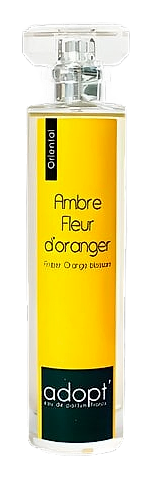
Fragrances featuring American Orange
Brands
Brands known for American Orange
Good to know
Questions, answered
The essentials on American Orange in perfumery: how it smells, where it comes from, and how it behaves on skin.
What does American Orange smell like?
American Orange smells bright, fresh, and zesty with sweet undertones. It combines the clean citrus punch of lemon with deeper honeyed sweetness unique to sweet oranges. The aroma reads as sunny, uplifting, and cleanly fruity.
Is American Orange a natural or synthetic ingredient?
American Orange is a natural ingredient extracted from citrus fruit peel. The cold-pressed oil captures authentic orange aroma, though some formulations use nature-identical d-limonene for consistency and cost efficiency.
Which regions produce the best American orange oil for perfumery?
Florida and California produce the finest American orange oil for perfumery. Florida's Indian River district and California's Ventura County are particularly noted for their high-quality citrus crops suited to oil extraction.
How long does orange oil stay fresh in a perfume?
Orange oil remains potent for 2-4 years when properly stored. Its main component, d-limonene, oxidizes over time, which is why perfumers often use antioxidant-stabilized versions in long-lasting fragrances.
What fragrance families use American Orange most often?
American Orange appears most in citrus, fresh, and aromatic fragrance families. It works as a top note in Eau de Cologne styles, brightener in chypres, and adds natural lift to green and fruity compositions.
Can American Orange cause skin sensitivity?
Orange oil can cause photosensitivity and skin irritation in some individuals. IFRA guidelines restrict its concentration in leave-on skin products due to d-limonene oxidation products that may sensitize skin.
How much orange oil comes from one orange?
An average orange yields approximately 2-3 drops of essential oil. It requires roughly 150 oranges to produce a single fluid ounce of cold-pressed orange oil, making it a relatively labor-intensive extraction.
What synthetic alternatives exist for orange oil?
Nature-identical d-limonene serves as the primary synthetic alternative, often supplemented with synthetic aldehydes to replicate orange's complex top-note character. These synthetics offer consistency without oxidation concerns.