American Freesia
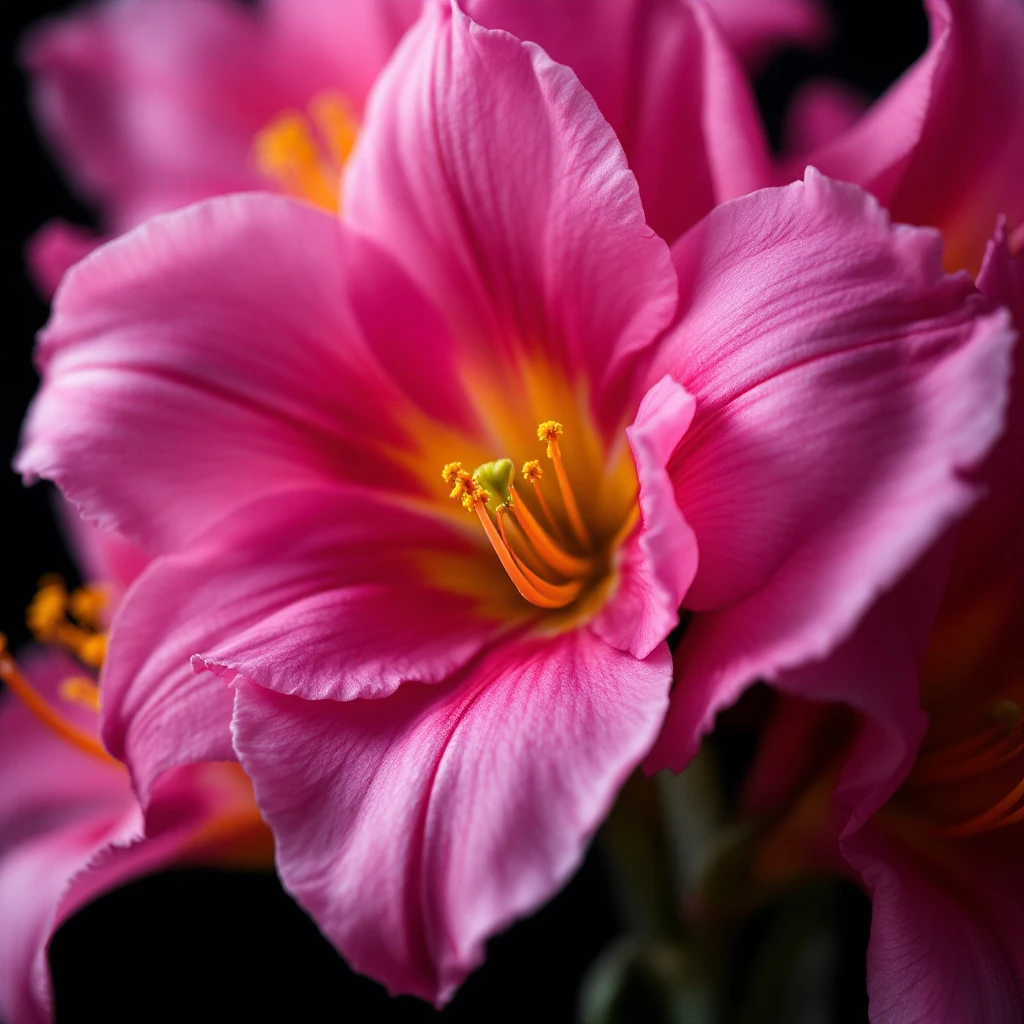
American Freesia is a modern synthetic reconstruction of the beloved South African flower. Capturing its signature blend of green freshness and ripe fruit sweetness, this lab-created note delivers the impossible: a freesia note that performs in every formula, every time.
Character
How it smells
The perfumer's workaround that became an icon.
No natural freesia oil exists. Every drop in your perfume is a laboratory recreation of the flower.

Origin
United States
The story of freesia in perfumery mirrors the broader evolution of modern scent-making. Before the 19th century, perfumers relied entirely on natural materials: pressed absolutes, distilled essential oils, and alcohol tinctures. The emergence of aroma chemistry changed everything. Vanillin, coumarin, and synthetic musks were among the first commercially successful lab-created materials, appearing in products by the late 1800s.
Freesia presented a unique challenge. Native to South Africa's Cape region, the flower produces no extractable oil, making it impossible to use in perfumery for decades. As chemistry advanced, researchers identified the aromatic compounds responsible for freesia's scent: linalool, geraniol, ionones, and characteristic fruity notes. American fragrance houses pioneered this reconstruction work, leveraging their expertise in aroma chemical manufacturing.
The term 'American Freesia' reflects both the regional innovation and the distinctive character of the American interpretation. Where European perfumers favored rich, heavy florals, American consumers preferred lighter, fresher scents. This preference shaped how American manufacturers developed the freesia accord, emphasizing its clean, dewy, and transparent qualities. Today, American Freesia remains a staple in modern perfumery, found in mass-market fragrances and niche creations alike.
Wears it best
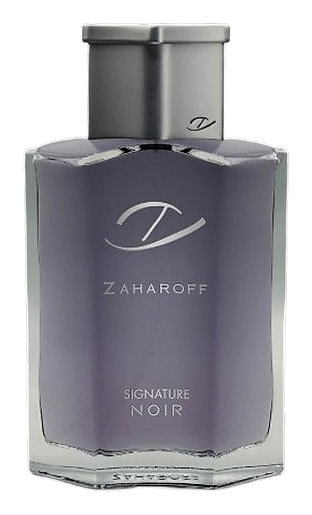
Fragrances featuring American Freesia
Brands
Brands known for American Freesia
Good to know
Questions, answered
The essentials on American Freesia in perfumery: how it smells, where it comes from, and how it behaves on skin.
What does American Freesia smell like?
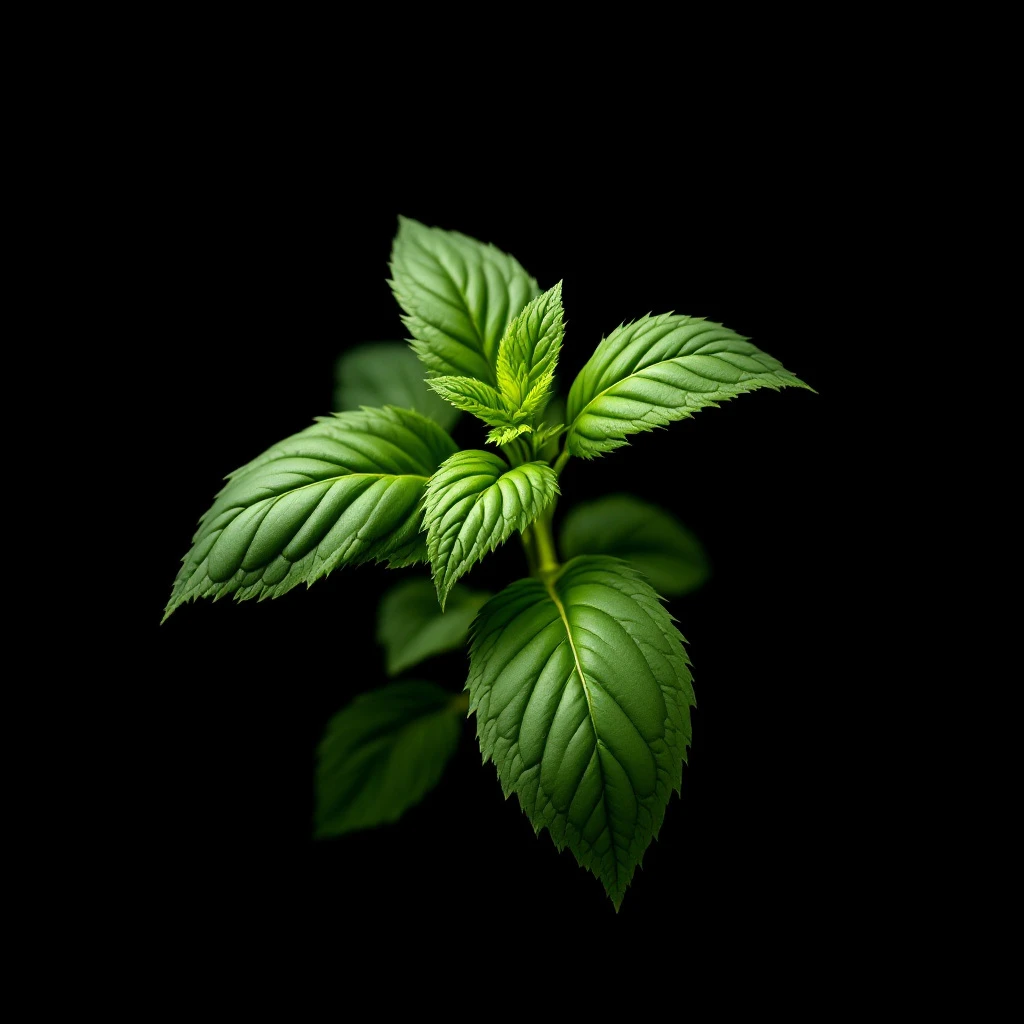
American Freesia smells like the fresh, dewy sweetness of freesia blossoms with green and fruity undertones. It combines a crisp, slightly minty green character with ripe fruit notes resembling strawberry and grape. Modern versions often add watery, ozonic qualities for a rain-kissed effect.
Is American Freesia extracted from real freesia flowers?
No, freesia cannot be extracted commercially. The flower produces no usable fragrance oil and resists all standard extraction methods. American Freesia is a synthetic reconstruction created by combining aroma chemicals that replicate the flower’s scent profile.
When did freesia become available as a fragrance ingredient?
Freesia accord only became viable in the mid-20th century once aroma chemistry advanced enough to identify and recreate its key scent molecules. Before that, perfumers could only approximate freesia using combinations of other florals.
How is American Freesia different from regular freesia note?
American Freesia tends toward a cleaner, more transparent expression than European versions, reflecting American preferences for lighter, airier scents. The distinction lies in the specific aroma chemicals used and how they are blended to achieve the desired character.
What fragrances use American Freesia?
Freesia appears in countless modern fragrances across all market segments. It features prominently in fresh florals, aquatic scents, and clean fragrance lines. The note works particularly well in spring and summer fragrances and in products targeting consumers who prefer light, unintrusive scents.
Can freesia be found growing naturally in the United States?
Freesia is native to South Africa but naturalized in parts of North America, particularly California. The flowers grow wild in some regions and are cultivated commercially for the cut flower trade. However, these plants are not used for fragrance production.
What other ingredients pair well with American Freesia?
American Freesia pairs naturally with muguet, lily of the valley, and other fresh florals. It combines exceptionally well with aquatic and ozonic notes, fruity companions like pear and apple, and bright citrus top notes. In warmer compositions, it bridges nicely toward white musk and light woods.
Why do perfumers prefer synthetic freesia over natural alternatives?
Synthetic freesia offers consistency, stability, and versatility that natural materials cannot match. Perfumers can adjust the green, fruity, or dewy character to suit specific formulas. The material performs reliably across different applications and climates, making it a dependable building block for modern fragrance creation.





