Ambretone
Ambretone is a synthetic aromatic molecule that captures the coveted warmth and softness of natural ambergris without animal sourcing. Perfumers value it for its musky, enveloping character that brings depth and staying power to compositions.
Character
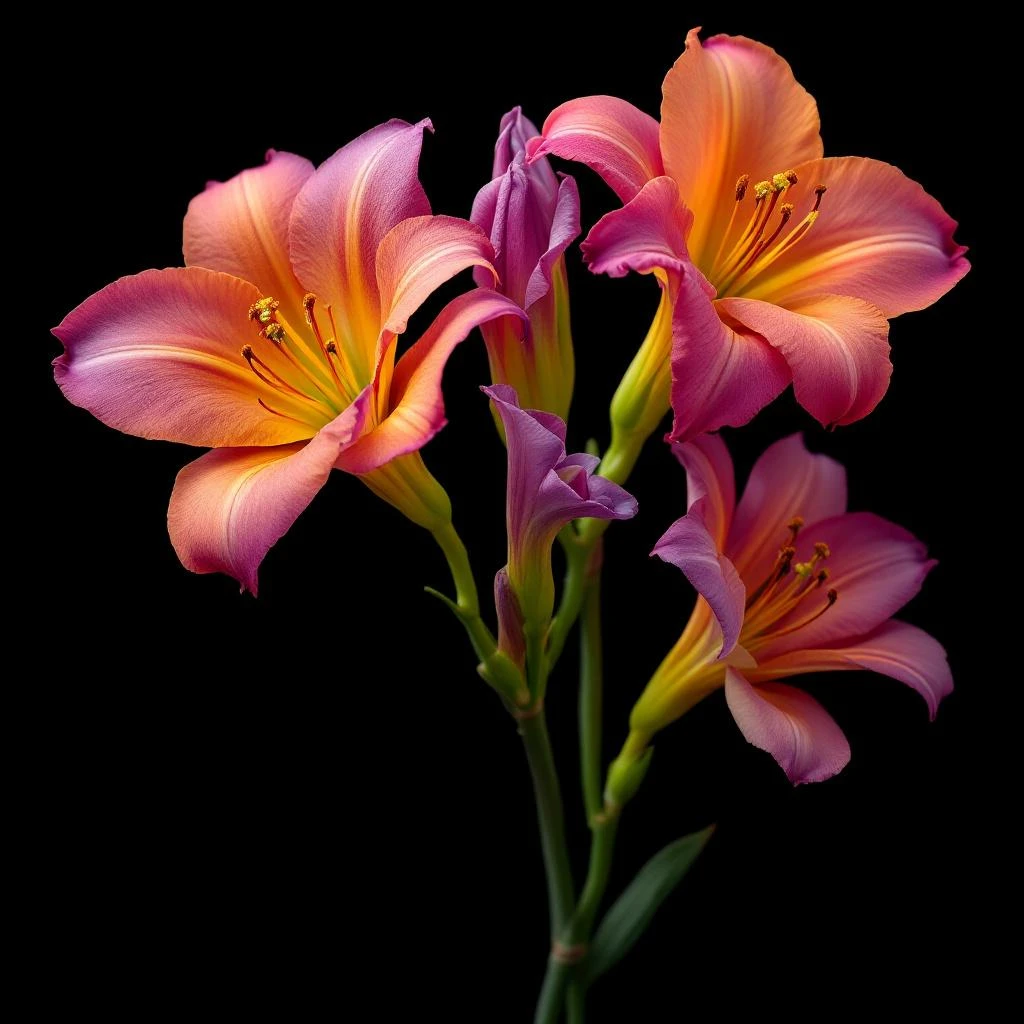
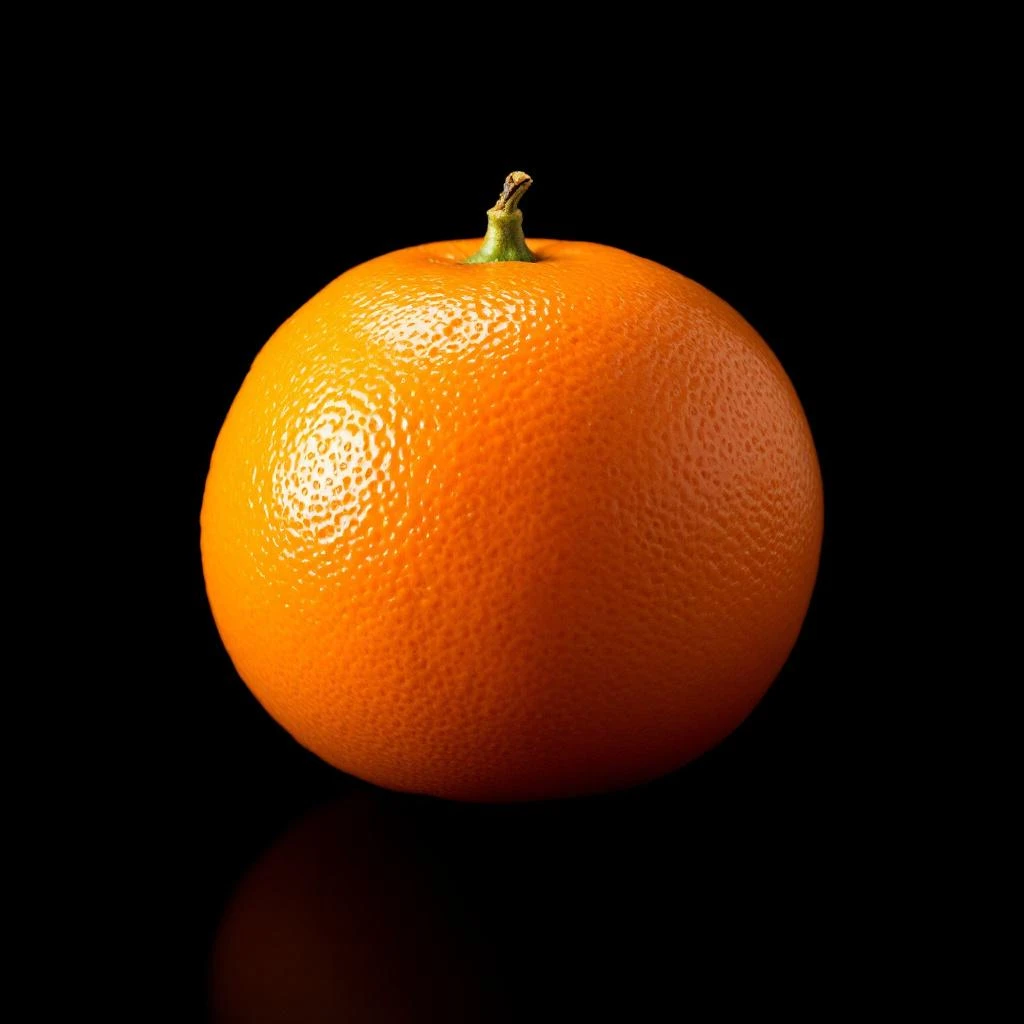
How it smells
Synthetic ambergris with a warm, musky soul
Ambretone recreates the scent profile of sperm whale ambergris at a fraction of the cost and with zero animal involvement.







Origin
Switzerland
The rise of Ambretone reflects perfumery's broader shift toward synthetic chemistry that began in the late 19th century. Before synthetic alternatives existed, perfumers relied on rare, expensive natural ambergris stranded from sperm whales. As wildlife conservation concerns grew and supply dwindled, the fragrance industry invested heavily in laboratory alternatives.
Ambretone emerged as one of several successful synthetic replacements that preserve ambergris's coveted warm, musky character. This innovation democratized access to ambergris-type accords while supporting ethical sourcing.
Wears it best
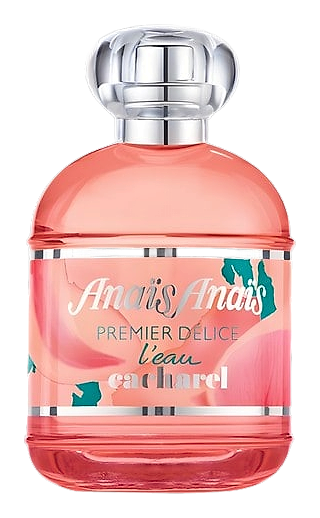
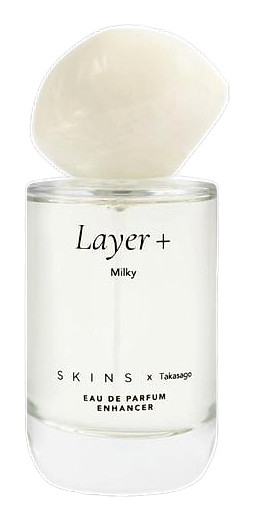
Fragrances featuring Ambretone

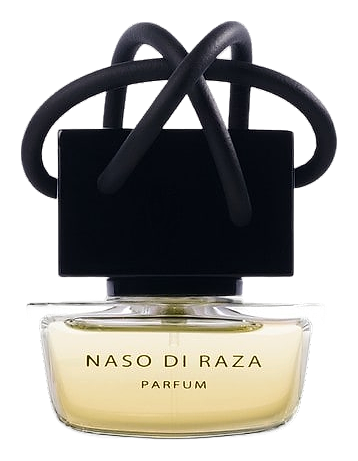
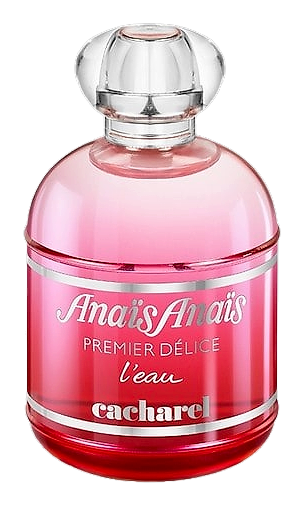
Brands
Brands known for Ambretone
Good to know
Questions, answered
The essentials on Ambretone in perfumery: how it smells, where it comes from, and how it behaves on skin.
What does Ambretone smell like?
Ambretone smells warm, musky, and slightly sweet with soft, enveloping undertones. It mimics natural ambergris's characteristic creamy, oceanic warmth that adds depth and longevity to fragrance compositions.
Is Ambretone vegan-friendly?
Yes. Ambretone is a fully synthetic compound produced through laboratory chemical synthesis, making it completely vegan and cruelty-free unlike natural ambergris.
When was Ambretone developed?
Ambretone and similar synthetic ambergris materials emerged primarily during the mid-20th century as part of perfumery's synthetic chemistry revolution that began in the 1880s.
What fragrances use Ambretone?
Ambretone appears in numerous men's and unisex fragrances as a fixative and base note. It works particularly well in woody, aromatic, and oriental fragrance families.
How does Ambretone compare to natural ambergris?
Ambretone offers consistent quality and availability that natural ambergris cannot. While natural ambergris varies by batch and costs thousands per kilogram, synthetic alternatives provide reproducible results.
Is Ambretone safe for skin use?
Fragrance industry standards classify Ambretone as safe for topical use when properly diluted. Regulatory bodies like IFRA approve its use in consumer cosmetics at specified concentration limits.
What molecular family does Ambretone belong to?
Ambretone belongs to the polycyclic musk family, specifically the fragrance compound class that includes materials like Galaxolide and tonalide.
Why do perfumers choose synthetic ambergris alternatives?
Supply stability, ethical sourcing, and cost consistency drive adoption. Natural ambergris remains rare and expensive while synthetics deliver predictable olfactory results every time.