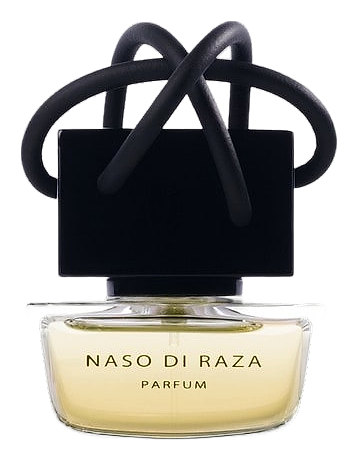

The Story
Why it exists.
The beginning
Giuseppe is a proper name, common across Italy, attached to a particular kind of person, someone reliable, present, quietly essential. Naso di Raza gave it to a perfumer without caveats. Just the perfumer and a name that carried its own weight. The press release that followed was explicit about intent: dedicated to those who make dreams happen through tenacity and loyalty. That's a strange brief for a fragrance, more moral than olfactory. But it shaped the result. Giuseppe doesn't perform confidence. It simply has it, the way someone walks into a room without checking first whether they belong there.
What makes Giuseppe distinctive isn't any single material. It's the decision to work the whole orange tree, blossom, fruit, leaf, and wood, rather than pull one note from it and call it done. Bergamot and bitter orange open with the fruit's brightness. Moroccan neroli and orange blossom absolute introduce the floral complexity that gives the heart its depth. Jasmine sambac adds a slightly animal warmth that keeps the florals from reading as innocent. This kind of full-spectrum citrus-floral construction is uncommon.
The evolution
Giuseppe opens quickly. Citrus oils evaporate fast, and the first thirty minutes are bright, lemon, bergamot, a brief flash of tangerine, before the florals take over. By the hour mark, you're in neroli and orange blossom territory, and the character has already shifted from sharp to soft. The jasmine sambac arrives around the second hour, adding body without sweetness. This is the phase reviewers consistently mention: the whole orange tree, not just its fruit. It's floral in the way real orange blossom is floral, slightly indolic, warm, the smell of something alive rather than something bottled. The drydown is where Giuseppe earns its hours. Ambery musks and ambroxan settle into the skin and stay there, skin-close but persistent, for many hours depending on the wearer. Not projecting. Not announcing.
Cultural impact
Giuseppe exists in the comfortable middle ground of citrus-floral compositions, not avant-garde, not generic. What separates it from the category's many competent entries is the decision to work the whole orange tree rather than extract one facet. That fullness, combined with the use of ambroxan and muscenone to extend wear without projecting, makes it a fragrance that wears well over time rather than announcing itself and fading. The jasmine sambac adds warmth without sweetness, keeping the composition from reading as purely classical.
The House
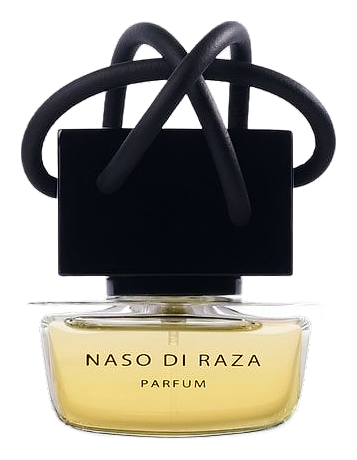
Naso Di RazaNaso di Raza is an Italian niche fragrance house that emerged from a collective of fragrance enthusiasts united by their belief in the persuasive power of scent. The house operates as a platform for author perfumery, entrusting creative freedom to a rotating roster of independent noses rather than maintaining a house signature. Each fragrance tells its own story, drawing from ideas, memories, images, or lifestyles interpreted through the lens of individual perfumers. The brand positions itself at the intersection of Italian artistic temperament and French perfumery technique, producing scents that prioritize emotional resonance over commercial trends. With releases spanning from 2015 through 2025, the collection has grown to include over a dozen distinct fragrances, each numbered among limited editions rather than mass-market runs. The house works with perfumers including Michelle Moellhausen and Luca Maffei, among others, whose identities vary by composition. This collaborative model distinguishes Naso di Raza from houses built around a single in-house nose.
The Creator
Luca MaffeiMaffei's signature weaves elegant iris accords with unexpected structural choices. He's known for introducing cold metallic character through ambroxan, creating fragrances that feel simultaneously refined and contemporary.