Althaea
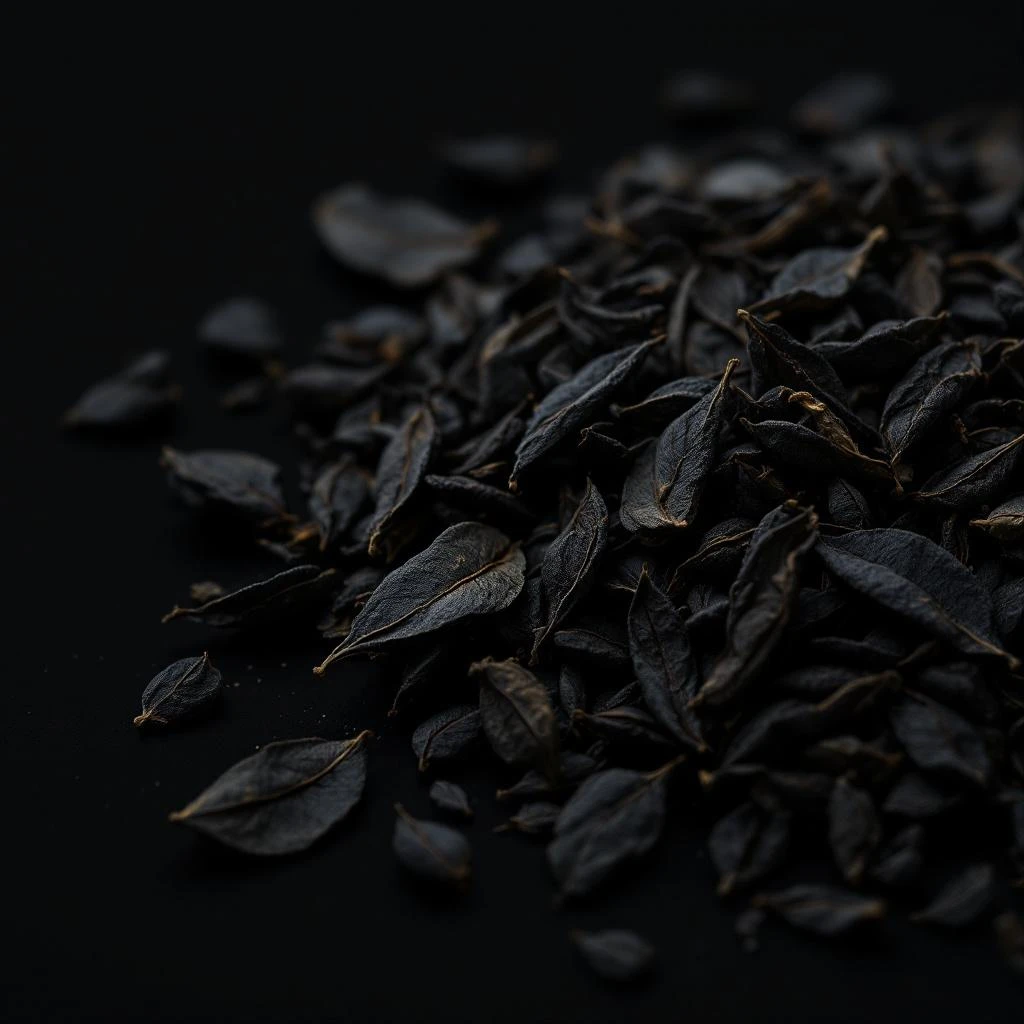
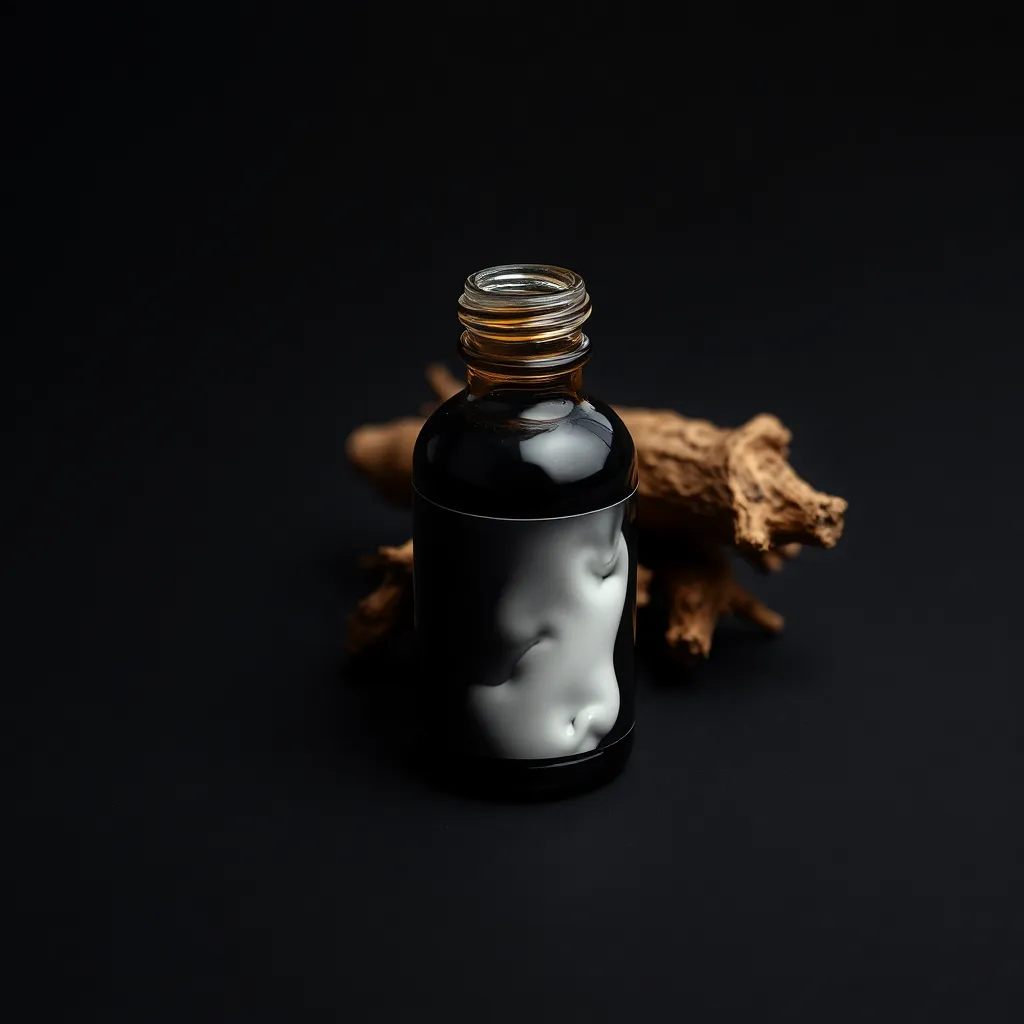
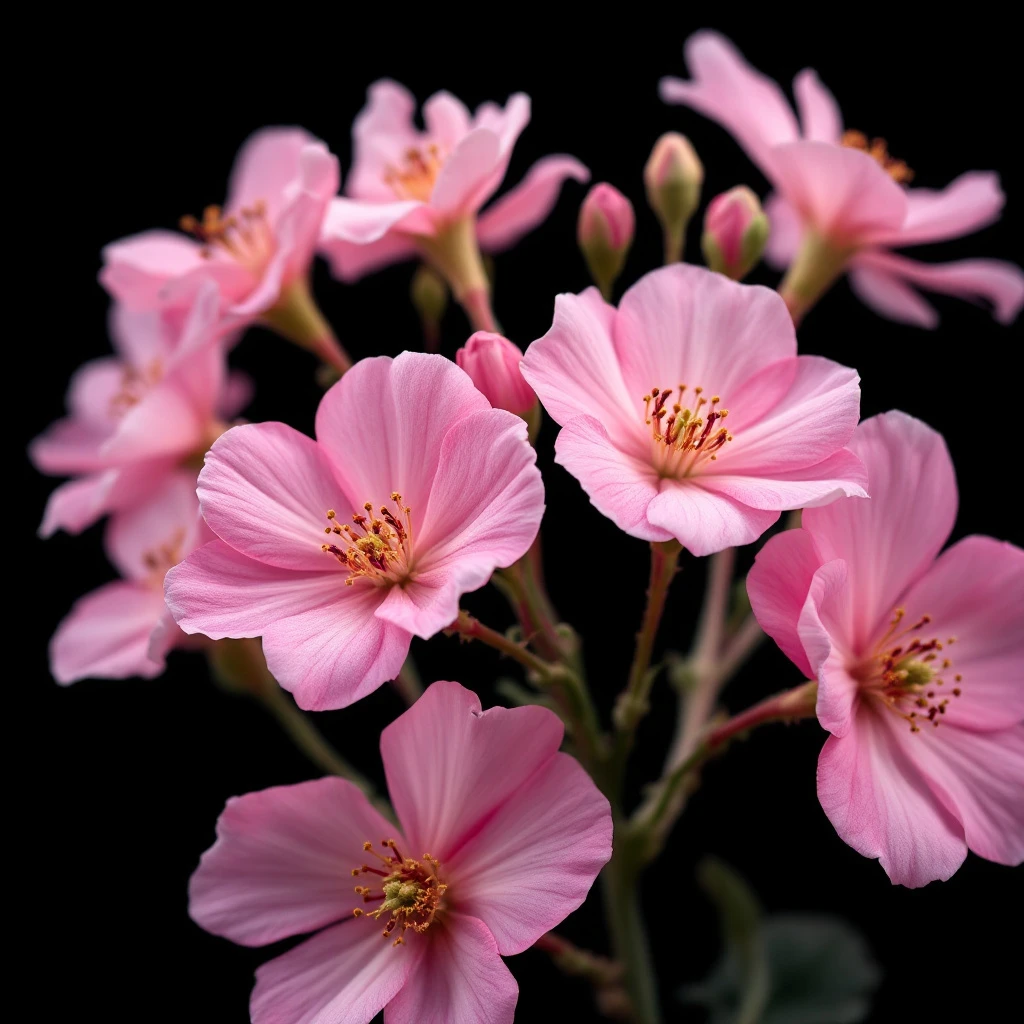
Althaea root extract brings a soft, powdery sweetness with honeyed undertones to perfumery. Its velvety warmth lingers gracefully on skin, creating an ethereal softness that bridges florals and musks.
Character
How it smells
The healing root that lends perfumery its softest embrace.
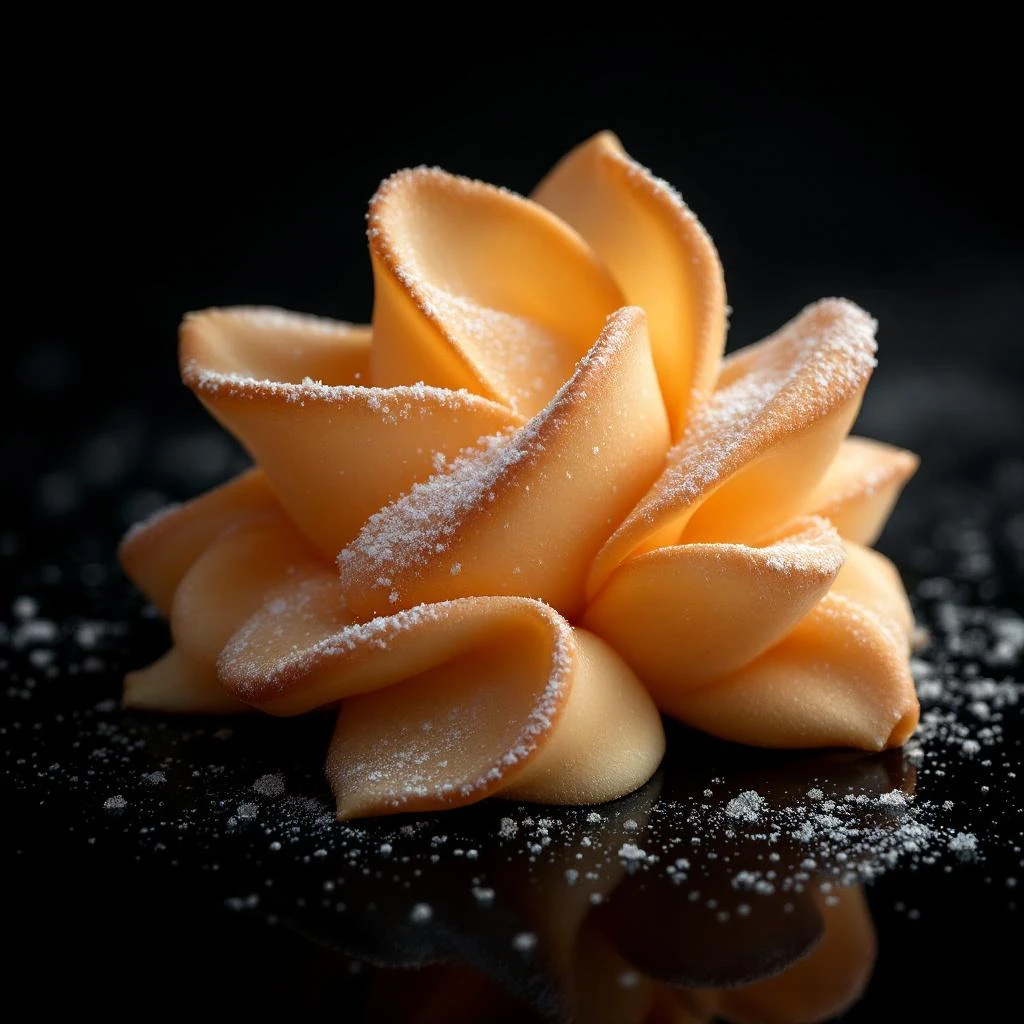
The mucilage in althaea root inspired the original marshmallow confection before modern sugar replaced the plant entirely.





Origin
Egypt
Althaeaofficinalis earned its name from the Greek word althainein, meaning to heal, reflecting centuries of medicinal use across the Mediterranean. Ancient Egyptians documented the plant along the Nile delta, where healers prized its mucilage-rich roots for poultices and digestive remedies. The Greeks adopted althaea widely, using it for wounds, throat irritations, and respiratory conditions.
By medieval times, monastery gardens across Europe cultivated the plant as standard pharmacy stock. Traditional preparations included syrups for coughs and poultices for skin inflammation. The plant's sweet root eventually inspired the marshmallow confection, which relied on its mucilage for texture before gelatin replaced the herb in modern recipes.
Today, perfumers return to althaea for its gentle sweetness and fixative qualities, treating it as a precious material in natural perfumery.
Wears it best
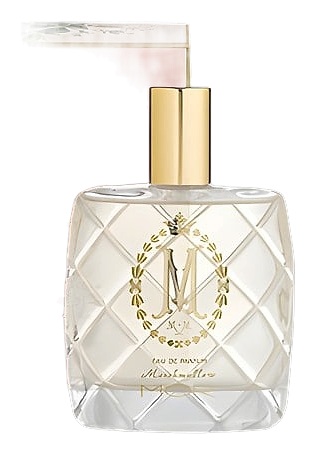
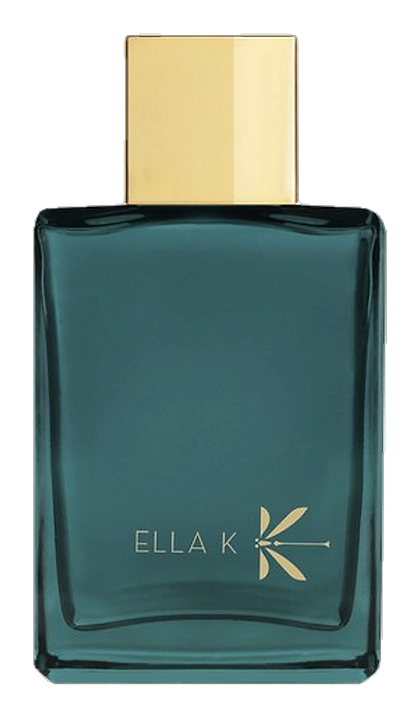
Fragrances featuring Althaea
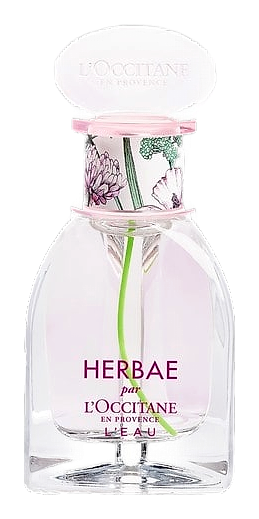
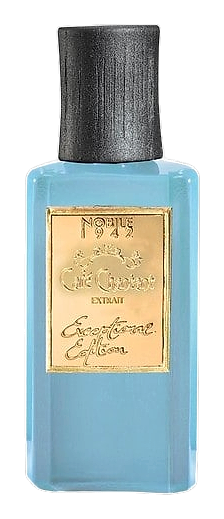
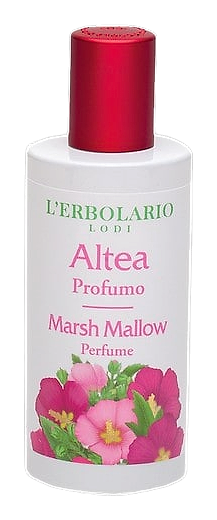
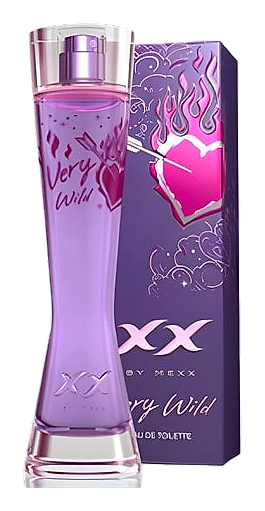

Brands
Brands known for Althaea
Good to know
Questions, answered
The essentials on Althaea in perfumery: how it smells, where it comes from, and how it behaves on skin.
What does althaea contribute to fragrance compositions?
Althaea adds a soft, powdery sweetness with honeyed and floral undertones. It acts as a natural fixative, extending the wear of lighter top notes and adding a velvety smoothness that blends disparate elements in a fragrance structure.
Why is the root the primary part used in perfumery?
The root contains the highest concentration of mucilaginous compounds that create althaea's signature sweet, powdery scent. These polysaccharides and aromatic compounds concentrate in the root system rather than the leaves or flowers, making root extraction the most effective method.
How did althaea become associated with marshmallows?
Pre-19th century confectioners boiled althaea root mucilage with sugar and egg whites to create the original marshmallow treats. The plant's gummy texture made it ideal for candy-making until gelatin replaced it as the primary setting agent.
What extraction technique captures althaea's scent compounds most effectively?
Solvent extraction using food-grade ethanol or hexane dissolves the aromatic compounds from dried, ground althaea roots. This method preserves the delicate mucilage-derived notes that steam distillation would likely destroy due to heat sensitivity.
What role does althaea play beyond fragrance in cosmetic formulations?
Beyond its aromatic value, althaea root extract functions as a fixative to prolong scent retention, a textural agent adding smoothness to formulations, and a skin-conditioning component due to its naturally emollient mucilage content.
Where did althaea originate as a perfumery ingredient?
Althaea grew wild along the Nile delta in ancient Egypt, where healers first gathered it for medicinal preparations. Its use spread through Greek and Roman medicine before eventually entering perfumery as practitioners recognized its sweet, lasting qualities.
Is althaea root absolute safe for use in skin products?
Althaea root absolute carries IFRA certification and appears on the safe ingredients list when properly diluted. Standard concentrations in fine fragrance present minimal risk, though individuals with plant allergies should patch-test first.
How does althaea perform differently on various skin types?
Althaea's mucilage compounds interact with individual skin chemistry, producing slightly different impressions. On dry skin, it may project as softer and more powdery, while oilier skin can emphasize its honeyed undertones for a warmer, more rounded effect.