
The Story
Why it exists.
The beginning
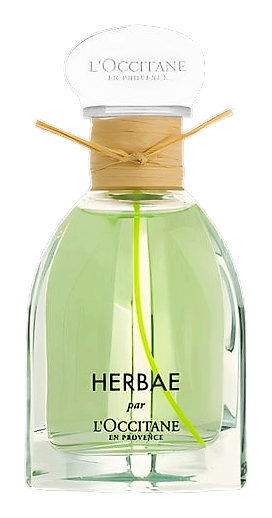
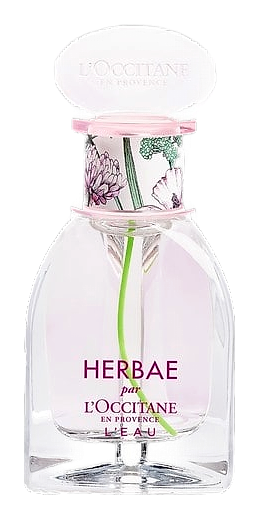
Herbae L'Eau arrived in 2020 as part of L'Occitane's Herbae collection, built around the untamed freedom of wild Provençal grasses. The collection translates the brand's botanical heritage into something modern and airy, a composition that captures the abundance of wild herbs and meadow botanicals without heaviness or ceremony. Perfumer Nadège Le Garlantezec worked with white clover and jasmine absolute to create a floral heart that feels natural rather than constructed, then grounded it in sweet grass and musk so the fragrance settles close to skin like something that was already there. The idea wasn't to bottle Provence, it was to bottle the feeling of walking through it without a plan.
What makes Herbae L'Eau work is the clover. White clover doesn't show up in many mainstream fragrances, it's a quiet botanical, more associated with fields and honey than with perfume bottles. Here it's the bridge between the citrus opening and the woody drydown, adding a sweetness that never becomes cloying because the jasmine absolute keeps it grounded. Sweet grass absolute is equally unusual in this context, it adds a green, slightly hay-like warmth to the base that differentiates the drydown from typical musk-and-wood combinations. The result is a fragrance that smells like the skin of someone who spends time outdoors, not someone who found the right note pyramid.
The evolution
The opening is all sharp clarity. Bergamot and lemon hit first, then angelica arrives with its green, slightly medicinal bite, the kind of freshness that reads as outdoor air rather than citrus accord. Within ten minutes, the clover takes over. It's sweet, powdery, almost honey-like, and it softens the citrus into something gentler. The jasmine appears around the 20-minute mark, adding warmth without weight. This is where the fragrance settles into itself, no dramatic transitions, just a quiet handoff from green-citrus to sweet floral. The drydown is where it earns its name. Sweet grass and musk blend into something that smells like skin but better, a natural, intimate close that lingers for 4-6 hours depending on the wearer. The sillage stays moderate throughout. Never filling a room, always filling a hug.
Cultural impact
Herbae L'Eau sits quietly in the L'Occitane collection, not a hero product, not a limited edition, just a consistent presence since 2020. The fragrance has earned a small but loyal following among wearers who prefer intimate, close-to-skin scents over projecting ones. The white clover and sweet grass combination is genuinely unusual in mainstream perfumery, which makes it worth a discovery trip for anyone tired of the same floral structures. It's the kind of fragrance that works year-round, the citrus opening handles warm weather, the sweet grass drydown works in cooler months. The 2020 launch date means it's had time to find its audience without the hype cycle of newer releases.
The House
L'Occitane en ProvenceL'Occitane en Provence is a French fragrance house rooted in the botanical traditions of southern France. Founded in 1976, the brand translates the scents of wild rosemary, lavender and almond into perfumes, body mists and skincare that feel like a walk through a Provençal market. Today the company ships its scented creations to more than 90 countries, yet each bottle still carries the imprint of the hills, stone houses and sun‑baked fields where the first essential oils were distilled. The line balances classic floral and warm amber notes with a modern sensibility for natural ingredients, offering a quiet alternative to the louder, synthetically driven offerings that dominate many shelves.
The Creator
Nadège Le GarlantezecNadège gravitates toward warm, enveloping materials—benzoin, vanilla, ylang-ylang—that offer comfort without heaviness. She pairs these anchor notes with modern florals and crisp, clean structures that keep her compositions feeling contemporary.