Alpine Blossoms
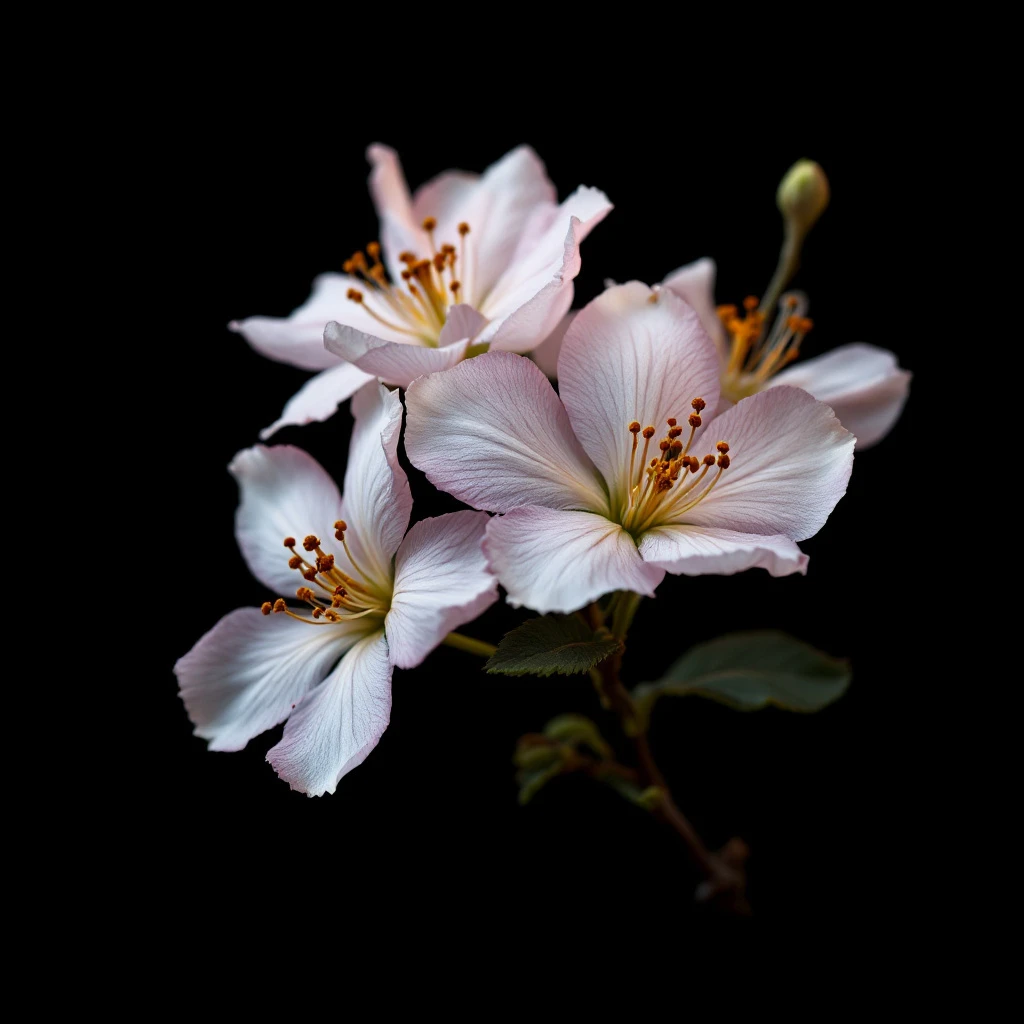
A rare accord distilled from high-altitude blooms that thrive above the tree line. Alpine blossoms capture the crisp, airy quality of mountain air with a delicate honeyed sweetness that feels suspended between earth and sky.
Character
How it smells
Mountain air distilled into petals
Alpine flowers grow just 60-90 days per year yet produce intensely concentrated fragrances to attract pollinators in the brief summer window.




Origin
Switzerland
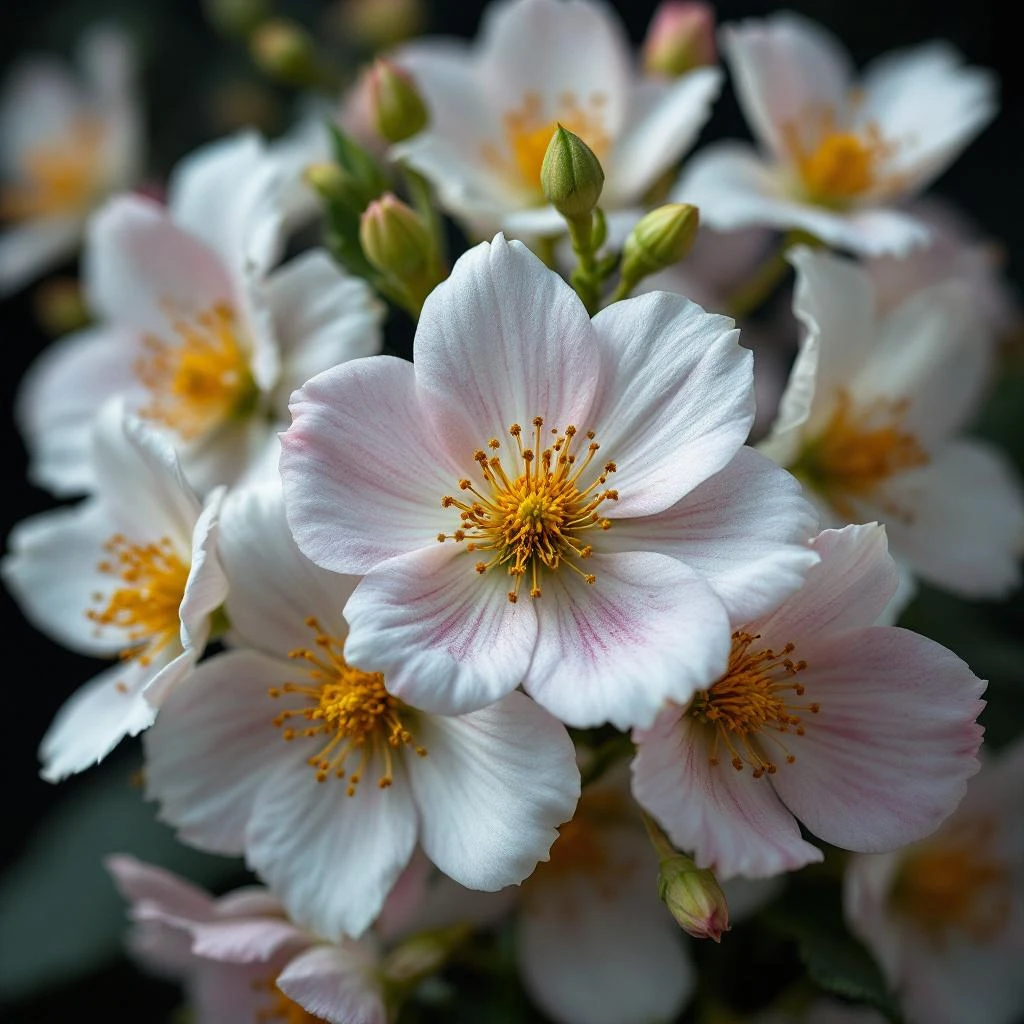
Alpine flora has shaped European folk traditions for centuries. Mountain communities used edelweiss, alpine gentian, and mountain avens in remedies and ceremonial preparations long before their introduction to fine fragrance. The alchemical traditions of Alpine monasteries documented the aromatic properties of high-altitude botanicals as early as the 16th century.
Modern perfumery began incorporating alpine floral accords in the late 20th century as extraction technology advanced enough to capture their delicate volatile profiles. Contemporary perfumers prize these materials for their ability to impart freshness and luminosity that lowland florals cannot replicate, creating accords that evoke the clarity and wildness of mountain landscapes without literal representation of any single species.
Wears it best
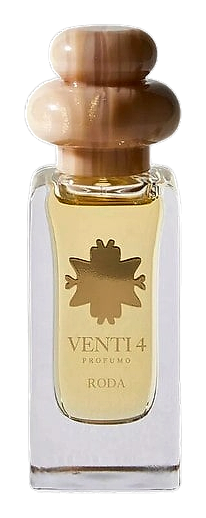
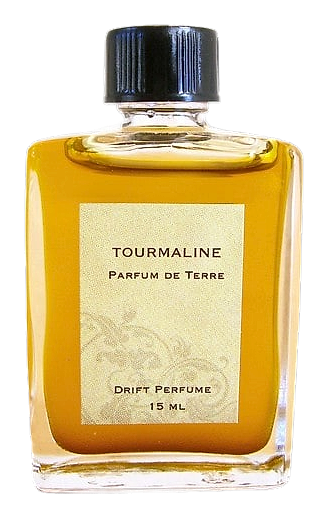
Fragrances featuring Alpine Blossoms
Brands
Brands known for Alpine Blossoms
Good to know
Questions, answered
The essentials on Alpine Blossoms in perfumery: how it smells, where it comes from, and how it behaves on skin.
What does Alpine Blossoms smell like?
Alpine Blossoms emit a crisp, airy floral scent with green undertones and subtle honeyed sweetness. The accord reads as fresh, delicate, and luminous, evoking the clarity of mountain air rather than typical garden florals.
Is Alpine Blossoms a natural or synthetic ingredient?
Most Alpine Blossom accords are constructed by perfumers, blending natural extracts from high-altitude botanicals like edelweiss and alpine gentian with nature-identical aroma molecules to ensure consistency across batches.
Why are Alpine Blossoms expensive?
High-altitude flowers grow only 60-90 days annually, and extraction yields are low. One kilogram of concrete requires roughly 500 kilograms of fresh blossoms, making alpine floral materials among the rarest in perfumery.
What extraction method suits Alpine Blossoms?
Solvent extraction preserves the delicate volatile compounds in alpine petals. Steam distillation would destroy these fragile aromatics, making it unsuitable for high-altitude botanicals.
Which perfumes feature Alpine Blossoms prominently?
Alpine Blossoms appear primarily in bright, fresh fragrances marketed as mountain-inspired or alpine florals. These notes typically appear in the heart or top notes, lending an airy quality to the composition.
Where do Alpine Blossom materials originate?
The primary sourcing regions include Swiss and Austrian Alpine valleys, where altitude, cold temperatures, and intense sunlight create the conditions that produce the distinctive aromatic profiles these materials are known for.
How do perfumers construct an Alpine Blossoms accord?
Perfumers blend multiple high-altitude flower extracts, often including edelweiss absolute, alpine rose, and gentian essence, combined with nature-identical molecules to replicate the crisp, green-floral character associated with the accord.
What makes Alpine Blossoms different from standard floral notes?
Standard florals like jasmine or rose grow in temperate conditions with long growing seasons. Alpine botanicals develop intensely concentrated fragrances in extreme, short windows, creating lighter, crisper aromatic profiles that lowland flowers cannot achieve.





