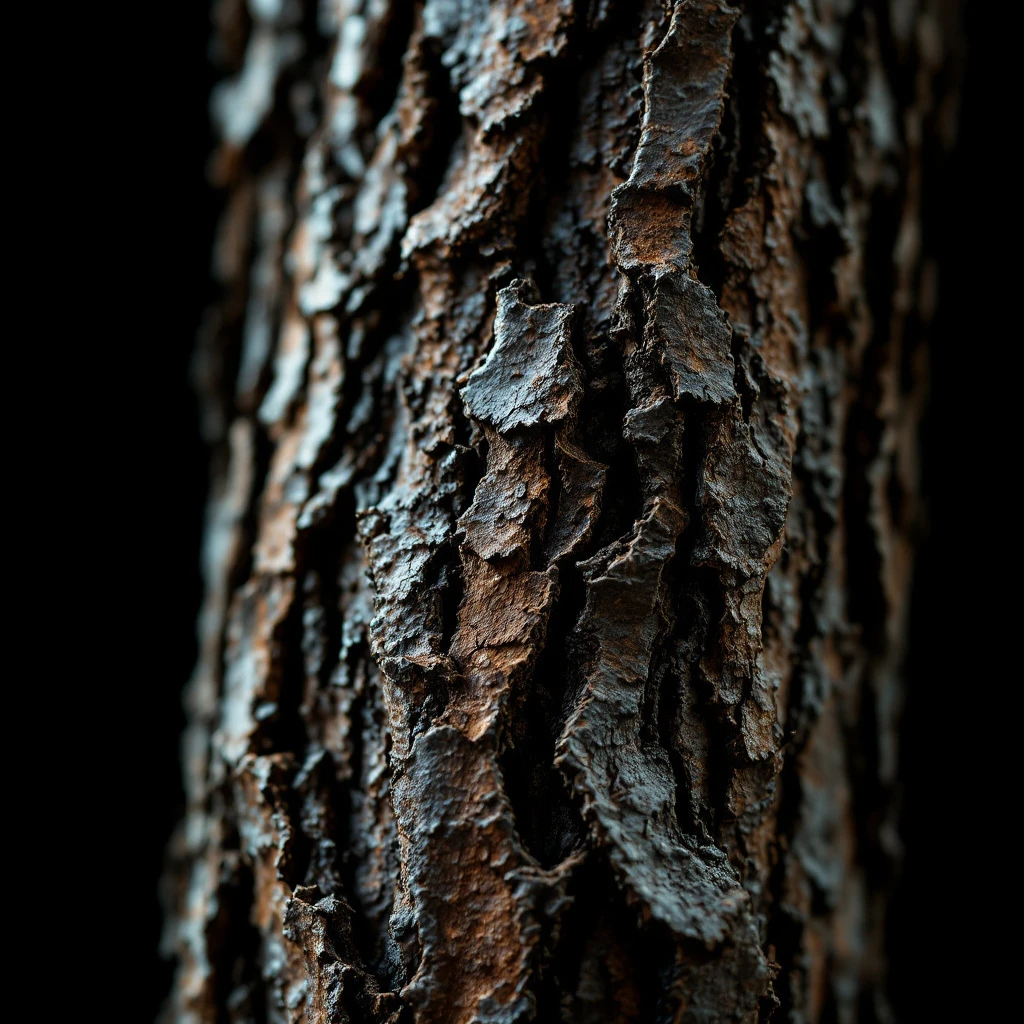
Almond Tree Bark
The almond tree's contribution to perfumery centers on benzaldehyde, the aromatic compound that captures its distinctive bitter-sweet kernel scent. No commercial bark extract exists.
Character
How it smells
Benzaldehyde: the aromatic compound that defines almond in perfumery.
Almond became the first synthetic fragrance note in the 19th century, marking the birth of modern aroma chemistry.






Origin
Iran
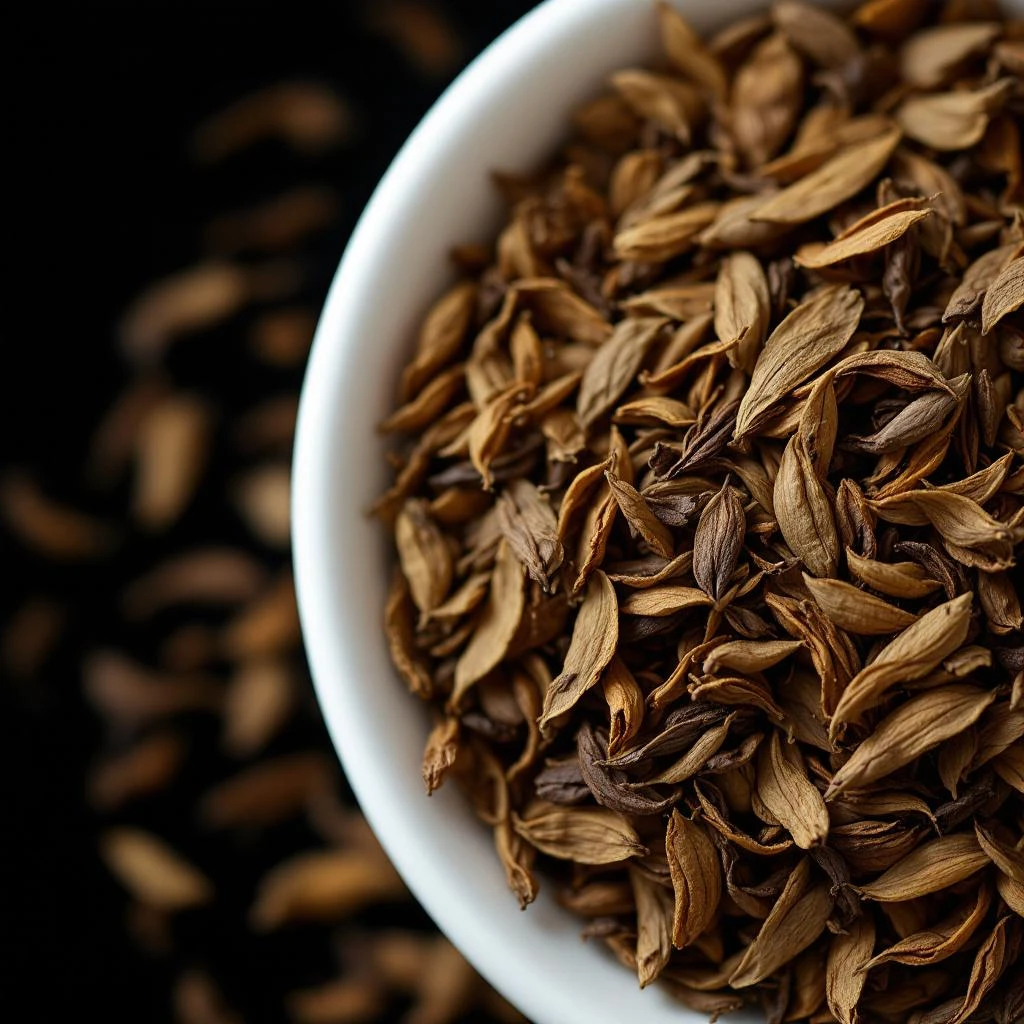
The almond tree (Prunus dulcis) traces its origins to Iran and Anatolia, where it has grown for over 5,000 years. Ancient Mesopotamian and Egyptian civilizations prized almonds for their aromatic kernels, using early extraction methods to capture their fragrance. The tree held symbolic significance across Mediterranean cultures, representing divine favor and renewal.
When perfumers began isolating aromatic compounds in the 1800s, benzaldehyde became the first synthetic fragrance ingredient, created in 1832 by Friedrich Wöhler and Justus von Liebig. This breakthrough marked the transition from purely natural perfumery to the modern era of aromatic chemistry, enabling almond's characteristic scent to reach formulations worldwide regardless of harvest availability.
Wears it best
Fragrances featuring Almond Tree Bark
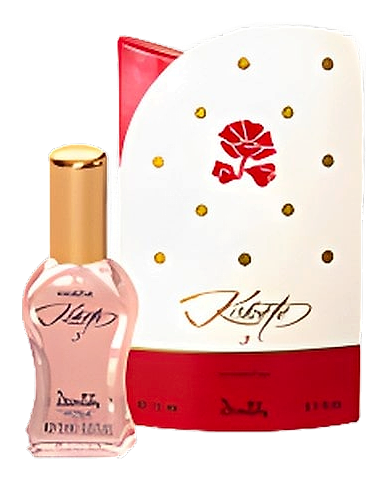
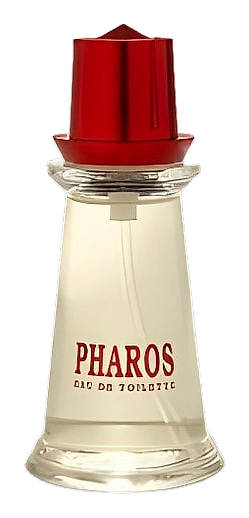
Brands
Brands known for Almond Tree Bark
Good to know
Questions, answered
The essentials on Almond Tree Bark in perfumery: how it smells, where it comes from, and how it behaves on skin.
Is there a natural extract from almond tree bark?
No commercial almond tree bark extract exists. Perfumers use benzaldehyde, either synthesized or extracted from bitter almond kernels, to create almond notes in fragrances.
What does benzaldehyde smell like in perfume?
Benzaldehyde delivers characteristic bitter almond aroma with sweet, nutty undertones. It adds warmth and depth, functioning as a heart or base note depending on concentration.
Why is synthetic benzaldehyde used instead of natural almond extract?
Synthetic benzaldehyde offers consistency, safety, and cost efficiency. Natural extraction from bitter almonds requires cyanide removal, making synthesis the practical choice for commercial perfumery.
When was the almond note first synthesized?
German chemists Friedrich Wöhler and Justus von Liebig first synthesized benzaldehyde in 1832, making almond the first fragrance compound to be artificially reproduced.
What is the origin of the almond tree?
Phylogenetic evidence places Iran and Anatolia (modern Turkey) as the primary origin centers of the almond tree, with cultivation spreading westward through Mediterranean trade routes.
Can apricot pits be used to recreate natural almond notes?
Yes, hydrodistilling apricot pit kernels yields benzaldehyde-rich oil that reproduces natural almond fragrance. This method appears in artisanal perfumery but remains uncommon commercially due to cost and yield limitations.
Is benzaldehyde safe for use in perfumes?
Benzaldehyde is approved for cosmetic and perfumery use at regulated concentrations. IFRA guidelines specify maximum usage levels to ensure consumer safety in finished products.
How does almond bark differ from almond kernel in perfumery?
Almond tree bark does not yield commercial aromatic extracts. The distinctive almond scent in perfumery comes from benzaldehyde in the kernels, not bark components.


