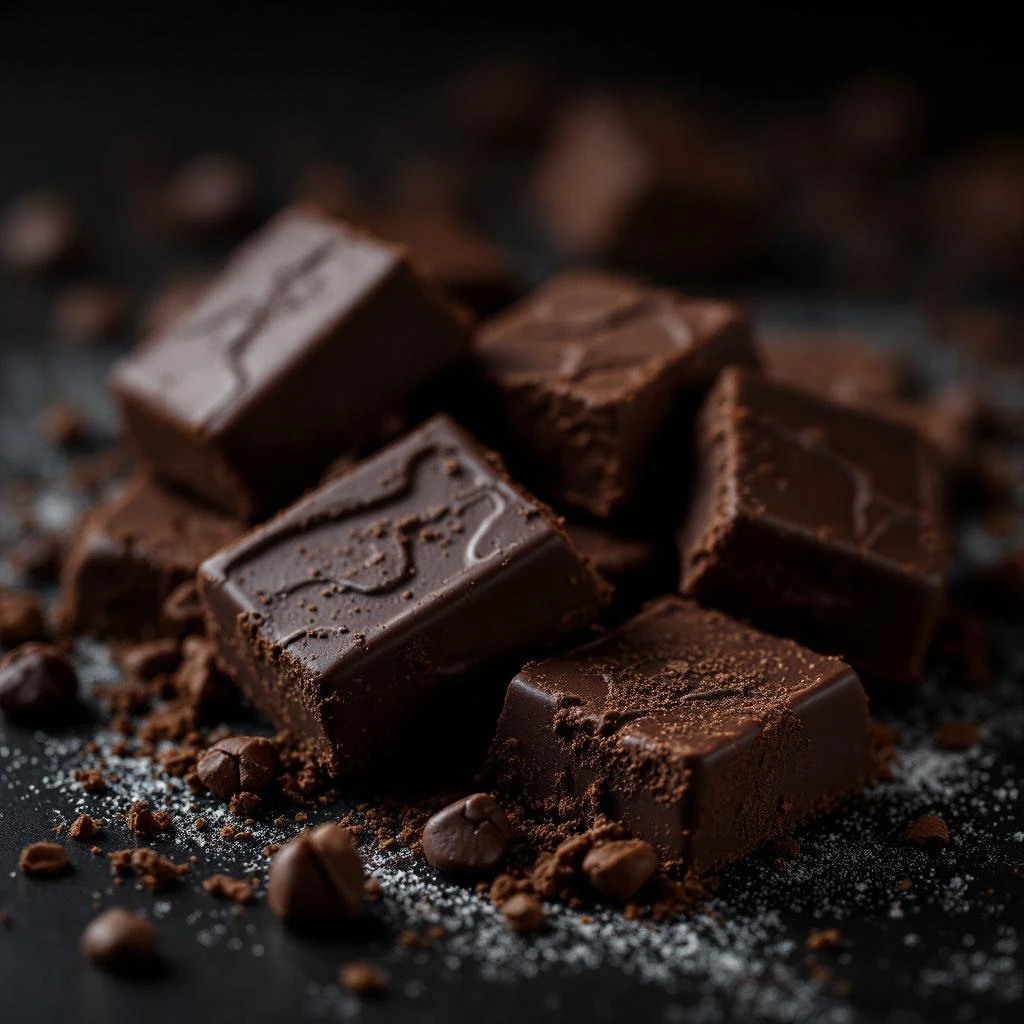
Almond Macaroon
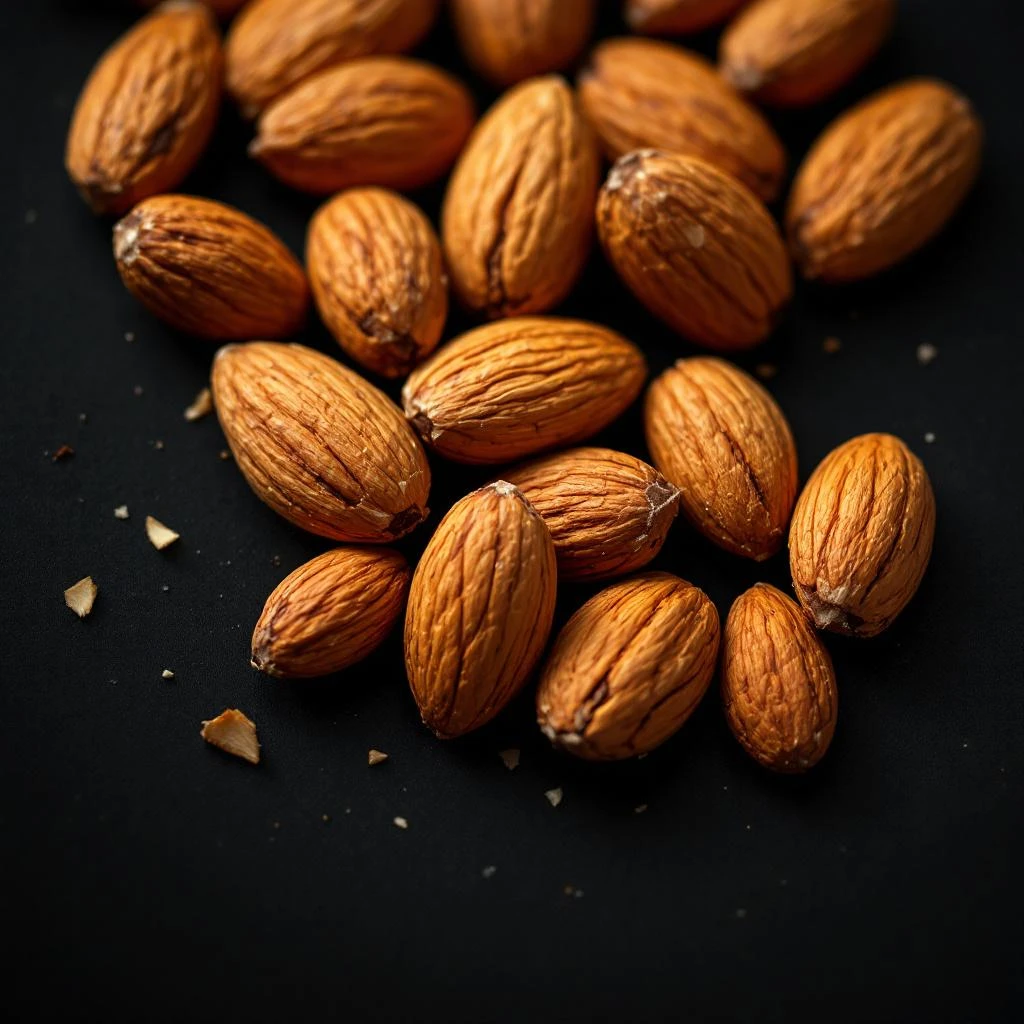
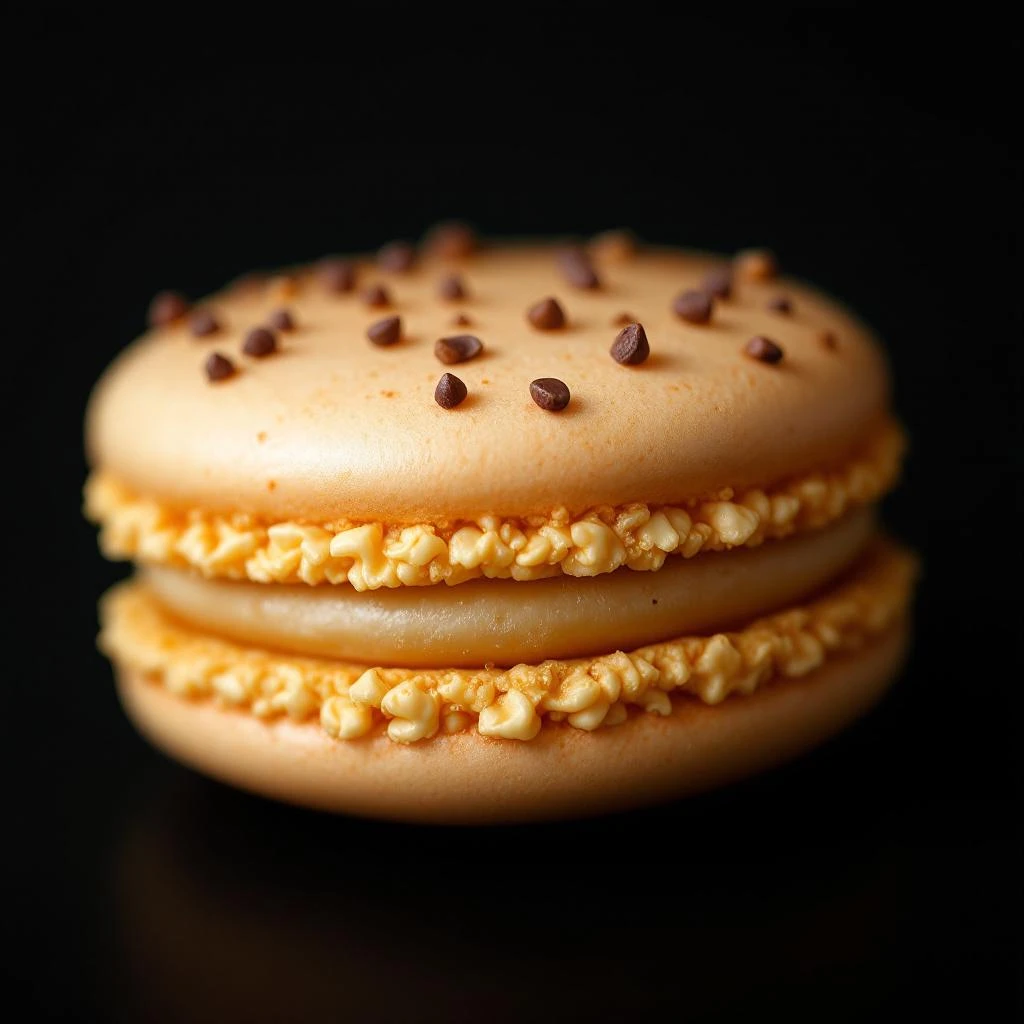
A dual-natured note: the sharp, cherry-like bite of bitter almond paired with the sweet, coconut-tinged warmth of macaroon. It conjures the moment a fresh almond confection emerges from the oven.
Character
How it smells
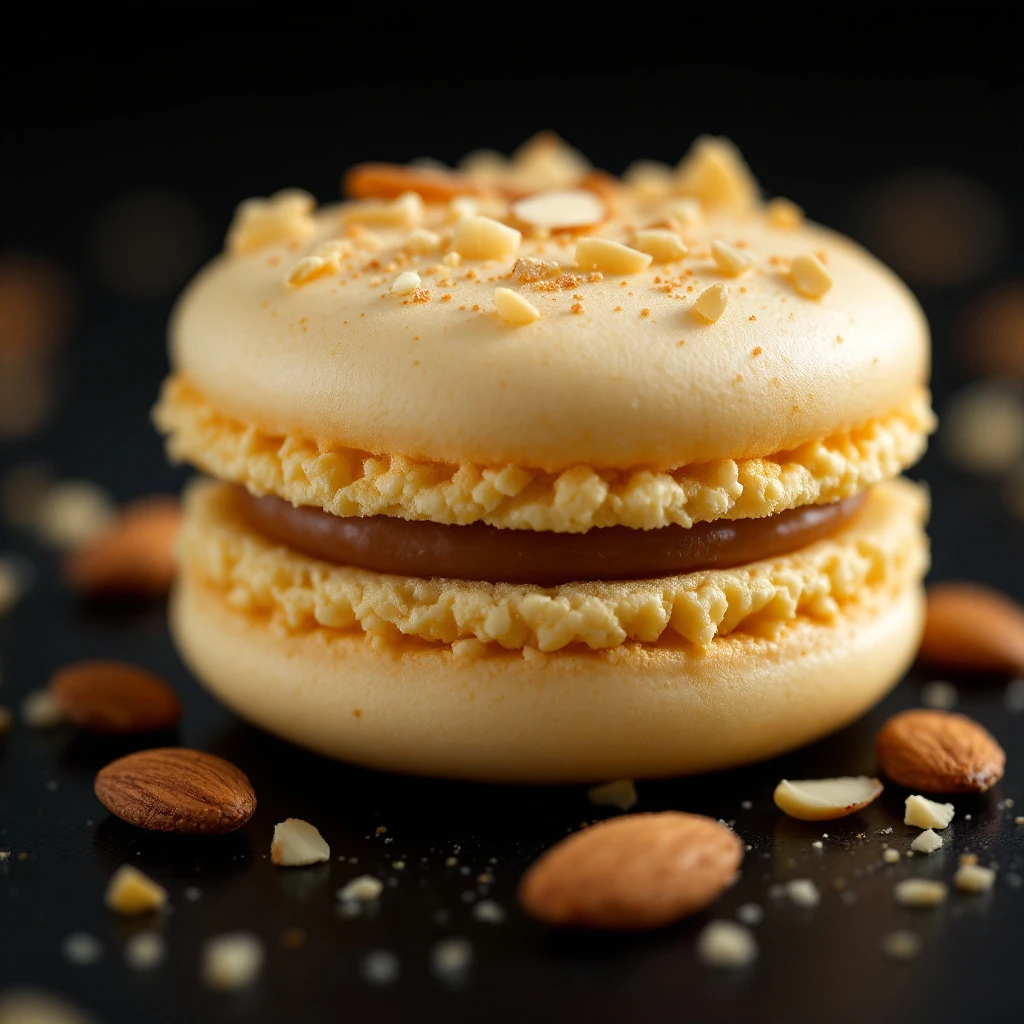
Bitter and sweet, in perfect balance.
The scent of bitter almond comes from benzaldehyde, the same compound that gives cherry pits their distinctive aroma.



Origin
Mediterranean basin
Almonds traveled ancient trade routes from Persia to the Mediterranean, becoming prized ingredients in Egyptian and Roman kitchens before perfumers took notice. The Greeks used bitter almonds in ceremonial unguents around 400 BCE.
Apricot kernels, not sweet almonds, became the primary source of benzaldehyde for perfumery because they yield more oil and grow across Mediterranean climates. By the 1800s, confectioners across France began perfecting the macaroon, a cookies-and-cream confection made from almond flour, sugar, and egg whites.
Perfumers borrowed the concept, recreating that precise sweet-bitter duality in liquid form. ChanelChance and Guerlain Terracotta Vitally's earliest versions established almond macaroon as a signature note in sun-kissed fragrances during the 1980s and 1990s.
Wears it best
Fragrances featuring Almond Macaroon
Brands
Brands known for Almond Macaroon
Good to know
Questions, answered
The essentials on Almond Macaroon in perfumery: how it smells, where it comes from, and how it behaves on skin.
Is almond macaroon a natural or synthetic note?
It is typically a hybrid. Perfumers combine natural benzaldehyde extracted from apricot kernels with synthesized aromatics like heliotropin to capture both the bitter almond character and the sweet coconut warmth of macaroons.
What gives bitter almond its characteristic scent?
Benzaldehyde is the primary compound. One drop of pure benzaldehyde smells unmistakably of bitter almonds, though trace hydrogen cyanide in natural extracts adds complexity that synthetics struggle to fully replicate.
Why do apricot kernels, not almonds, produce most perfumery benzaldehyde?
Apricot kernels yield higher oil content and grow abundantly across Mediterranean regions where perfumery traditions developed. Prunus armeniaca provides a more sustainable source than Prunus dulcis for large-scale extraction.
How does almond macaroon differ from simple bitter almond?
Macaroon adds sweet, lactonic dimensions through compounds like gamma-undecalactone and coconut-note from tonka bean coumarin. Simple bitter almond is sharper and more medicinal; macaroon is rounder and warmer.
Which fragrance families typically use almond macaroon?
Gourmand and oriental families feature it most often, but perfumers also use it in chypre and even fresh cologne compositions to add an unexpected edible warmth.
What historical period established almond as a perfumery ingredient?
Ancient Greeks used bitter almonds in unguents around 400 BCE, but commercial perfumery adoption began in 19th-century France when organic synthesis techniques improved extraction reliability.
Can people with almond allergies use fragrances with almond macaroon notes?
Benzaldehyde in dilution poses minimal risk for topical use, but severe almond allergies warrant caution. The molecular weight means it does not penetrate skin deeply, yet individual reactions vary.
What makes a macaroon note smell edible versus synthetic?
High-quality macaroon accords balance bitter benzaldehyde with sweet coumarin and creamy lactones. Cheap versions oversimplify to chemical cherry-almond; premium versions achieve the nuanced warmth of actual confectionery.