Macaron
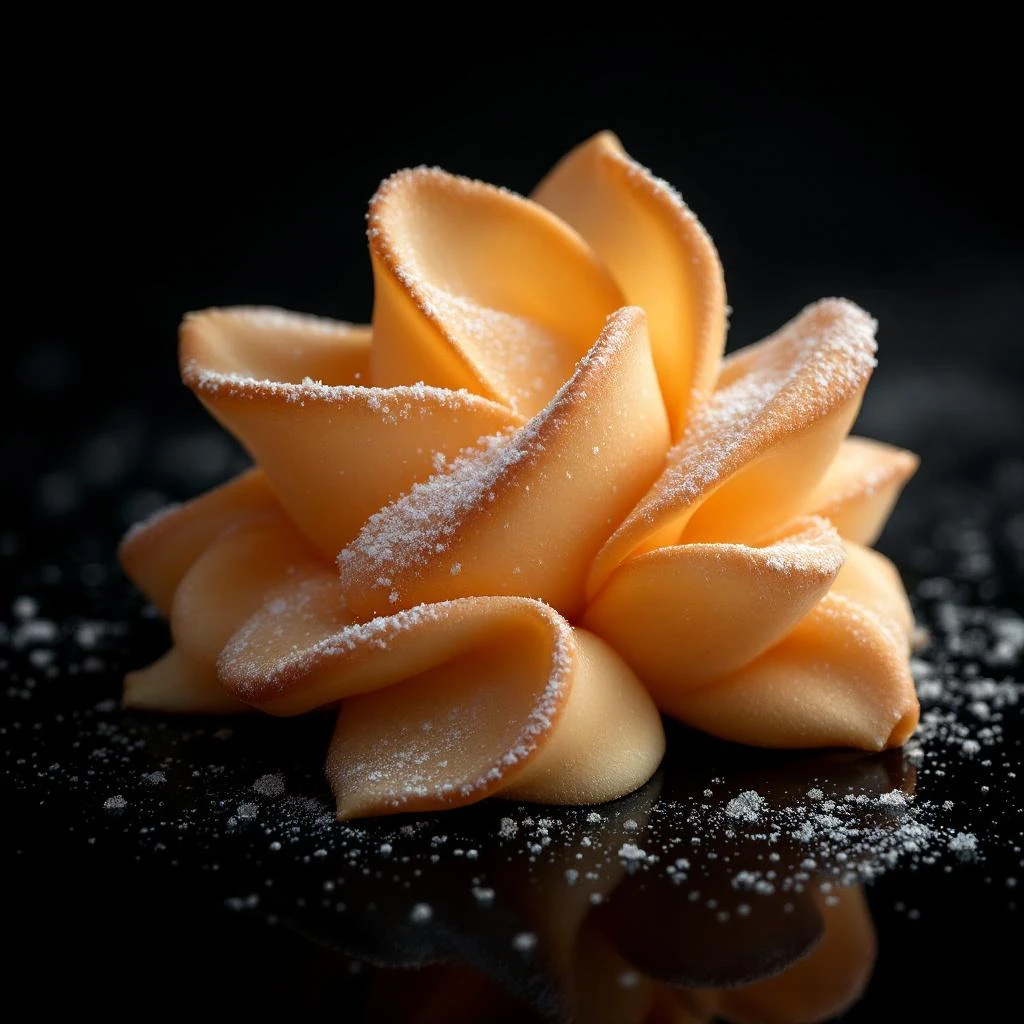
A confection-inspired accord that captures the buttery almond sweetness of French macarons, lending gourmand softness to modern fragrances.
Character
How it smells
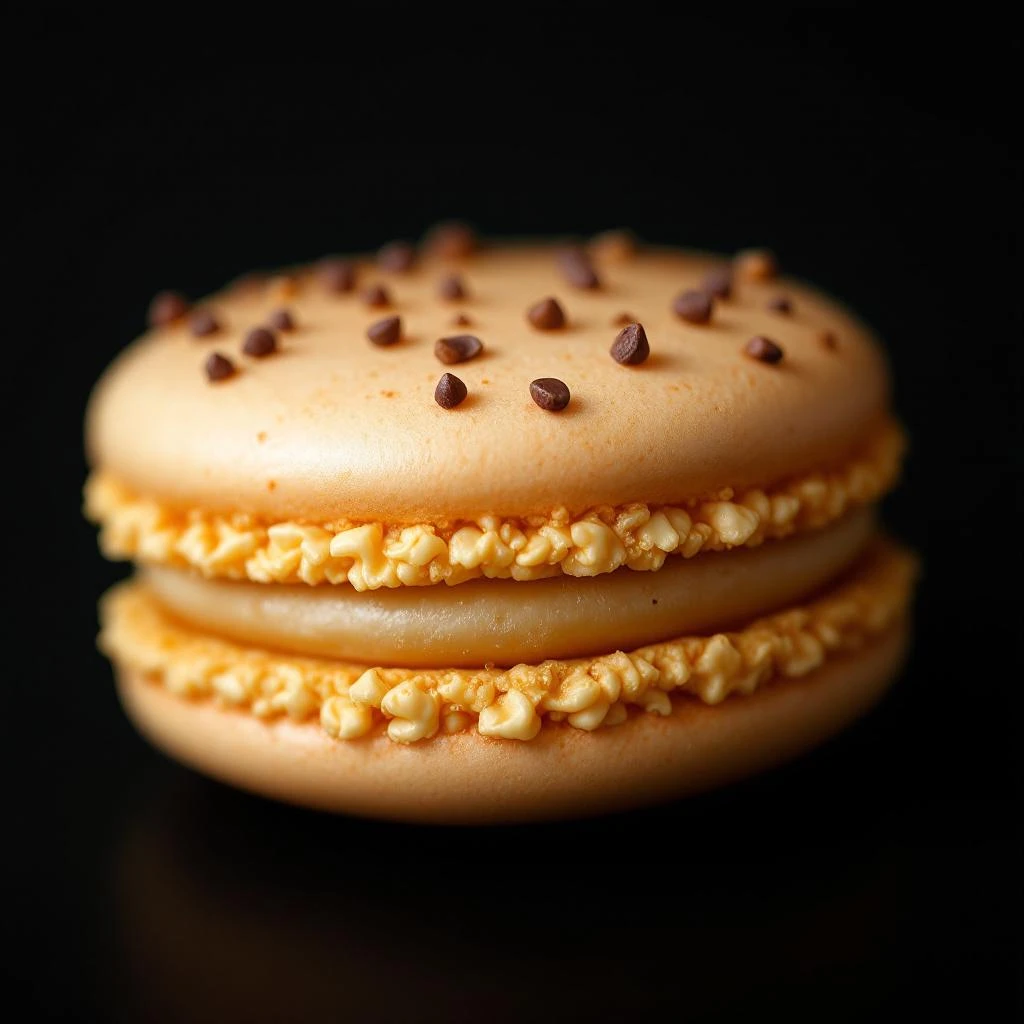
Buttery, sweet, and impossibly delicate
Macaron is not a natural extract but an accord, built from almond, vanilla, and sugar molecules to recreate the pastry's aroma.






Origin
France
Gourmand perfumery, the category that made macaron possible, traces back to Thierry Mugler's Angel in 1992, which proved edible-smelling fragrances could anchor serious compositions. Before that, sweet notes in fine fragrance remained restrained, borrowed from amber, vanilla, and tonka rather than literal desserts. Angel's chocolate-patchouli opening cracked open a door that perfumers rushed through, experimenting with candies, cakes, and pastries over the following decade.
Macaron specifically entered fragrance vocabulary as French patisserie experienced a global renaissance in the early 2000s, with Parisian bakeries like Ladurée expanding internationally and embedding the treat in global popular culture. Perfumers responded by translating that cultural icon into wearable form, often pairing the almond-vanilla accord with florals like rose or peony for contrast. By the 2010s, macaron-style notes appeared across niche and mainstream launches, frequently tied to limited-edition releases celebrating French luxury.
The trend reflects broader perfumery's pivot toward scent triggers rooted in nostalgia, comfort foods, and shared cultural memory rather than botanical rarity. Today, the macaron accord sits firmly in the modern perfumer's toolkit, a synthetic construct born from chemistry and cultural appetite.
Wears it best
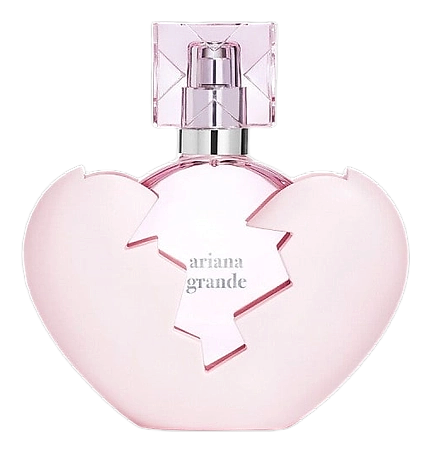
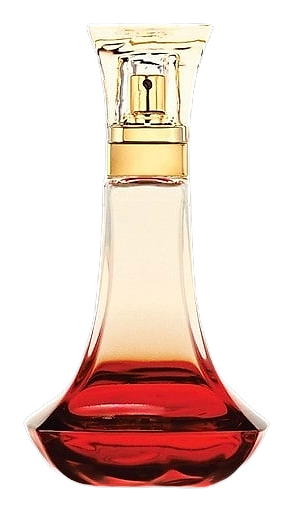
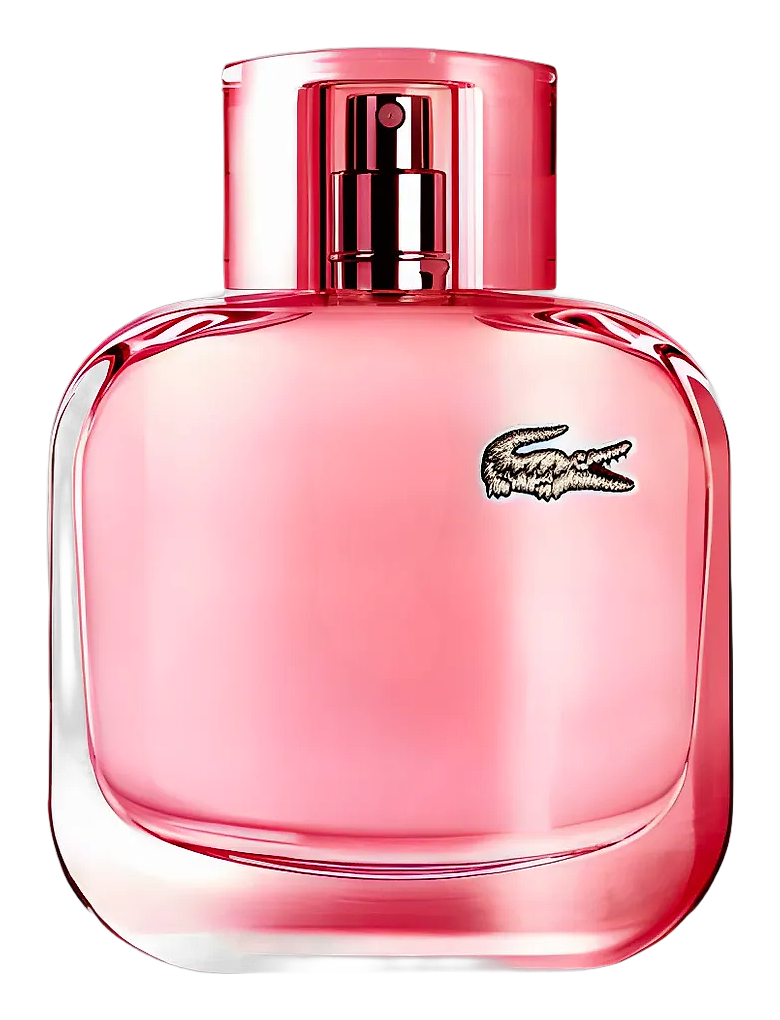
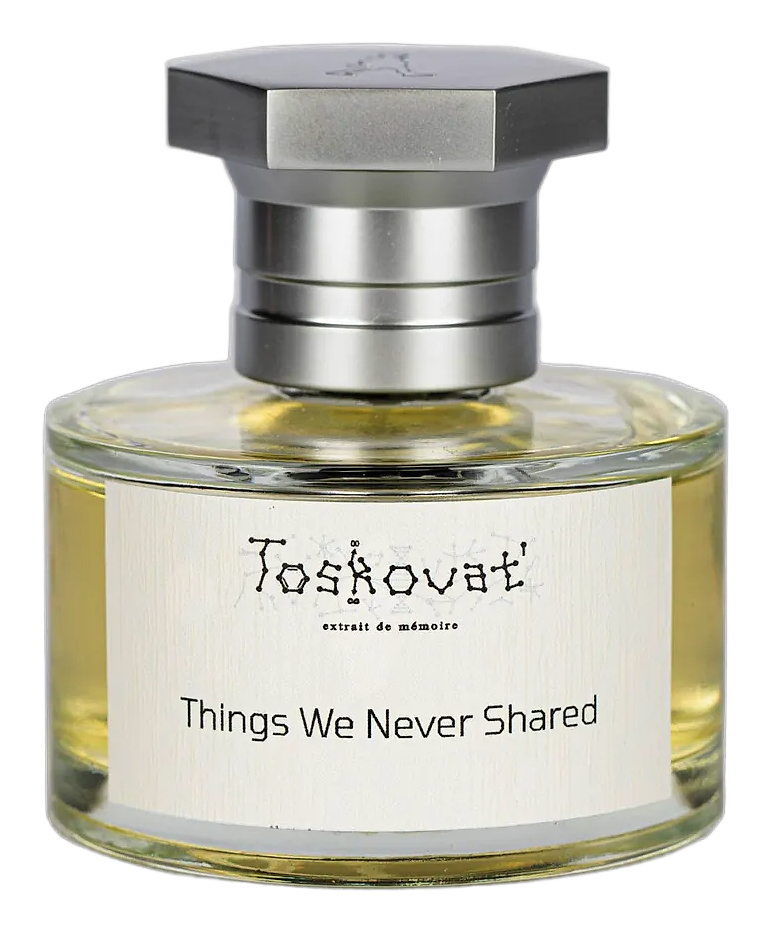
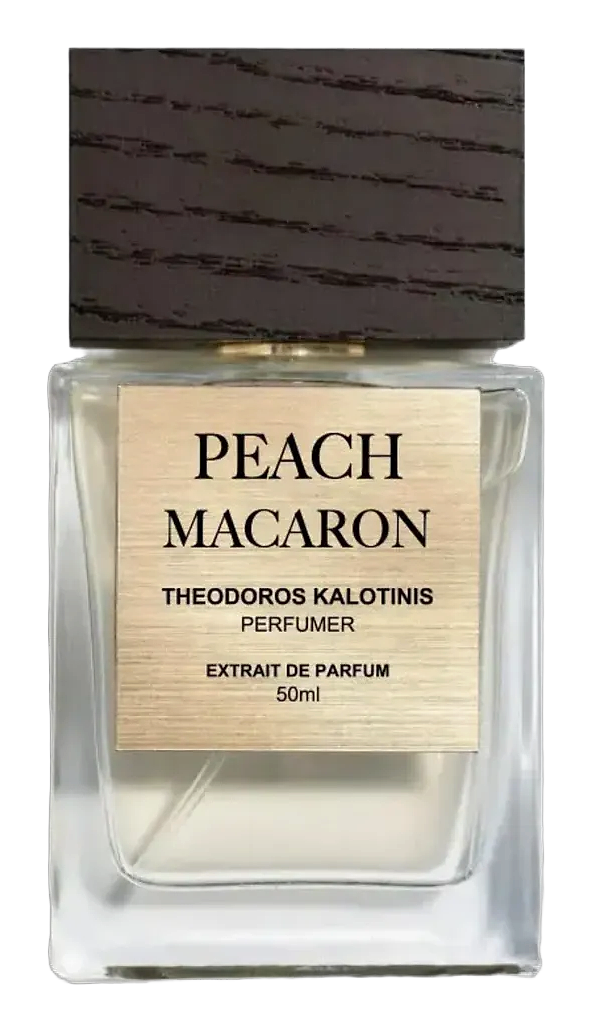
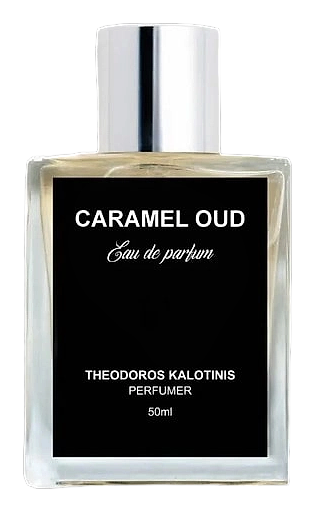
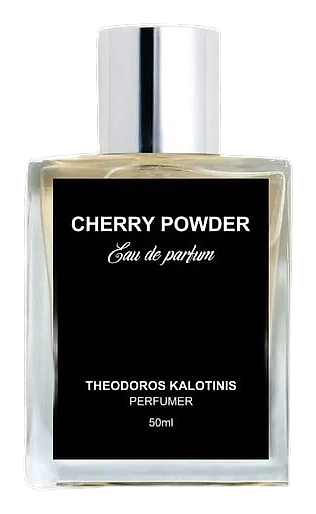
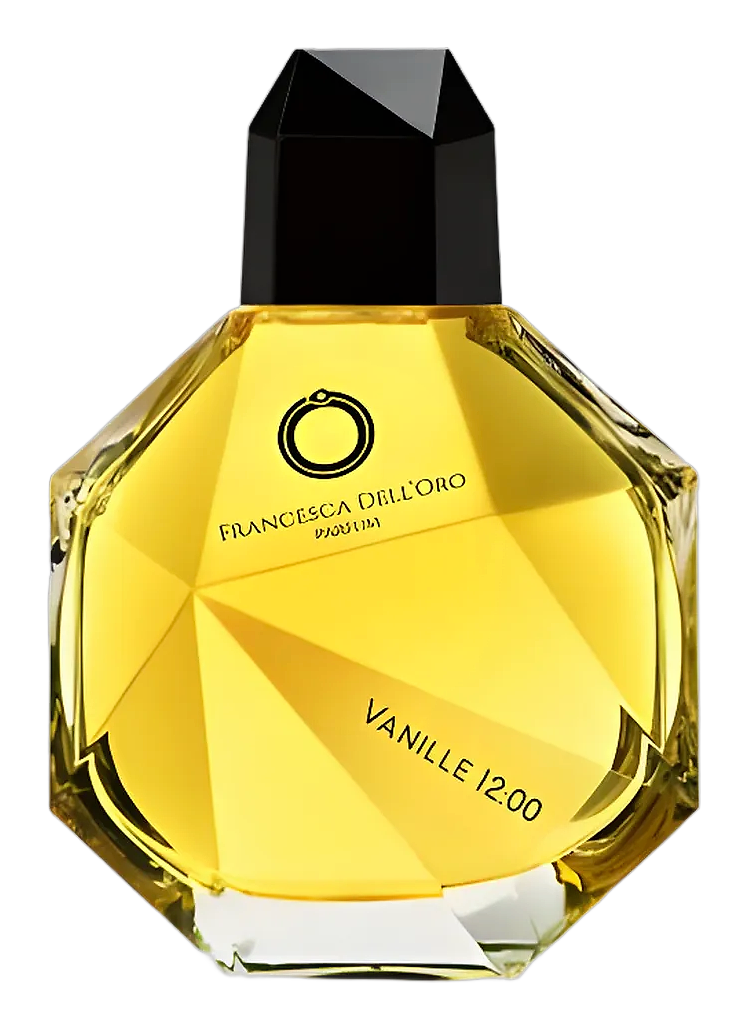
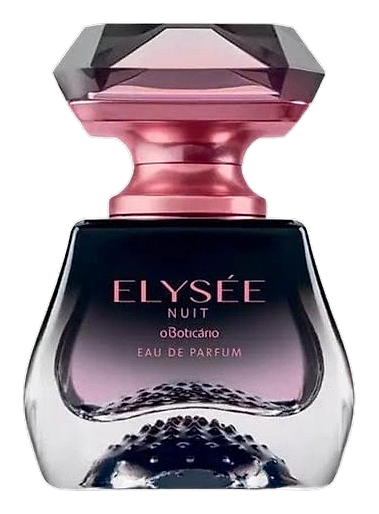
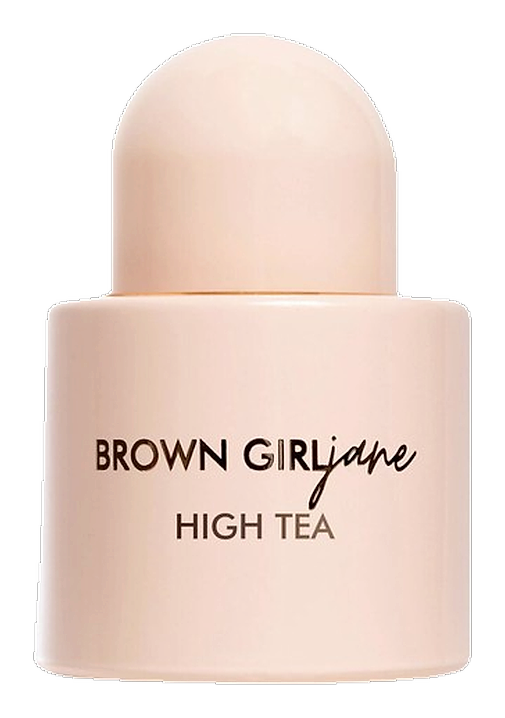
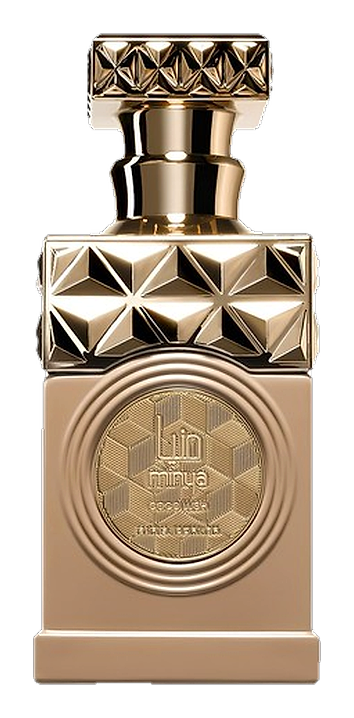
Fragrances featuring Macaron
Good to know
Questions, answered
The essentials on Macaron in perfumery: how it smells, where it comes from, and how it behaves on skin.
Is macaron a natural fragrance ingredient?
No. Macaron is a recreated accord built from synthetic aroma chemicals, not a raw material harvested from nature. It typically combines benzaldehyde, vanilla bases, and ethyl maltol to evoke the pastry.
What does the macaron note smell like in perfume?
Macaron accord smells buttery, sweet, and almond-rich, with powdery vanilla softness. It reads gourmand but refined, often paired with florals to balance its confectionery sweetness.
When did macaron notes first appear in perfumery?
Macaron-style accords emerged in the 2000s as French patisserie gained global popularity, building on the gourmand category Thierry Mugler's Angel established in 1992.
Is the macaron accord safe for people with nut allergies?
Macaron notes in fragrance use synthetic aromachemicals rather than actual nut proteins. Perfume is applied topically and contains no food ingredients, but consult a dermatologist if concerned.
Which fragrance houses are known for macaron-style compositions?
Several French niche and mainstream houses have released macaron-inspired fragrances, often as limited editions. Specific launches vary, but the note appears across both independent and luxury catalogs.
How is a macaron accord constructed?
Perfumers layer benzaldehyde for almond character, vanillin for sweetness, and ethyl maltol for caramel warmth. Lactones and heliotropin add buttery, powdery facets to complete the effect.
Does macaron note contain real sugar or almonds?
No edible ingredients are present. The accord relies entirely on synthetic molecules that replicate almond and sugar aromas without using actual food materials.
What fragrance families does the macaron note complement?
Macaron works best in gourmand and oriental compositions, pairing effectively with rose, peony, tonka, and sandalwood. It adds edible softness to floral and woody structures.