Honeysuckle nectar
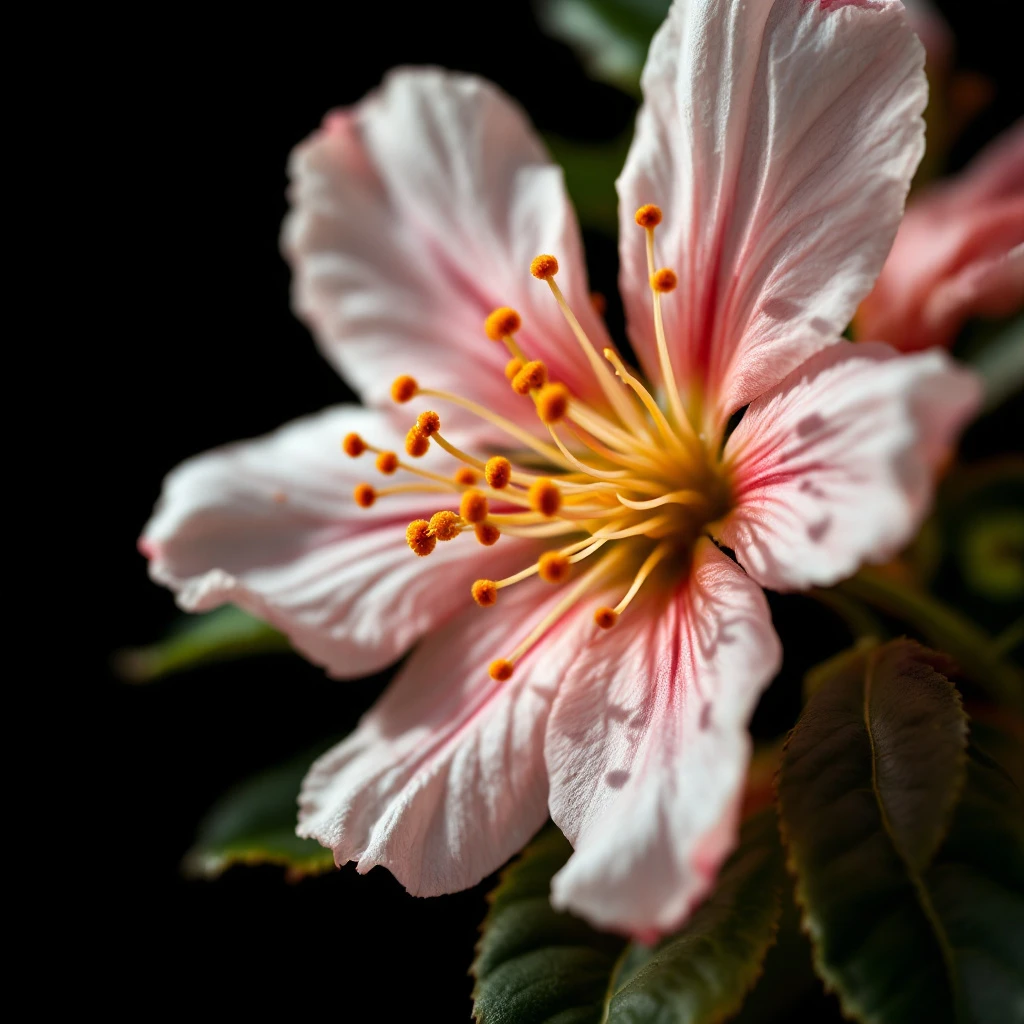
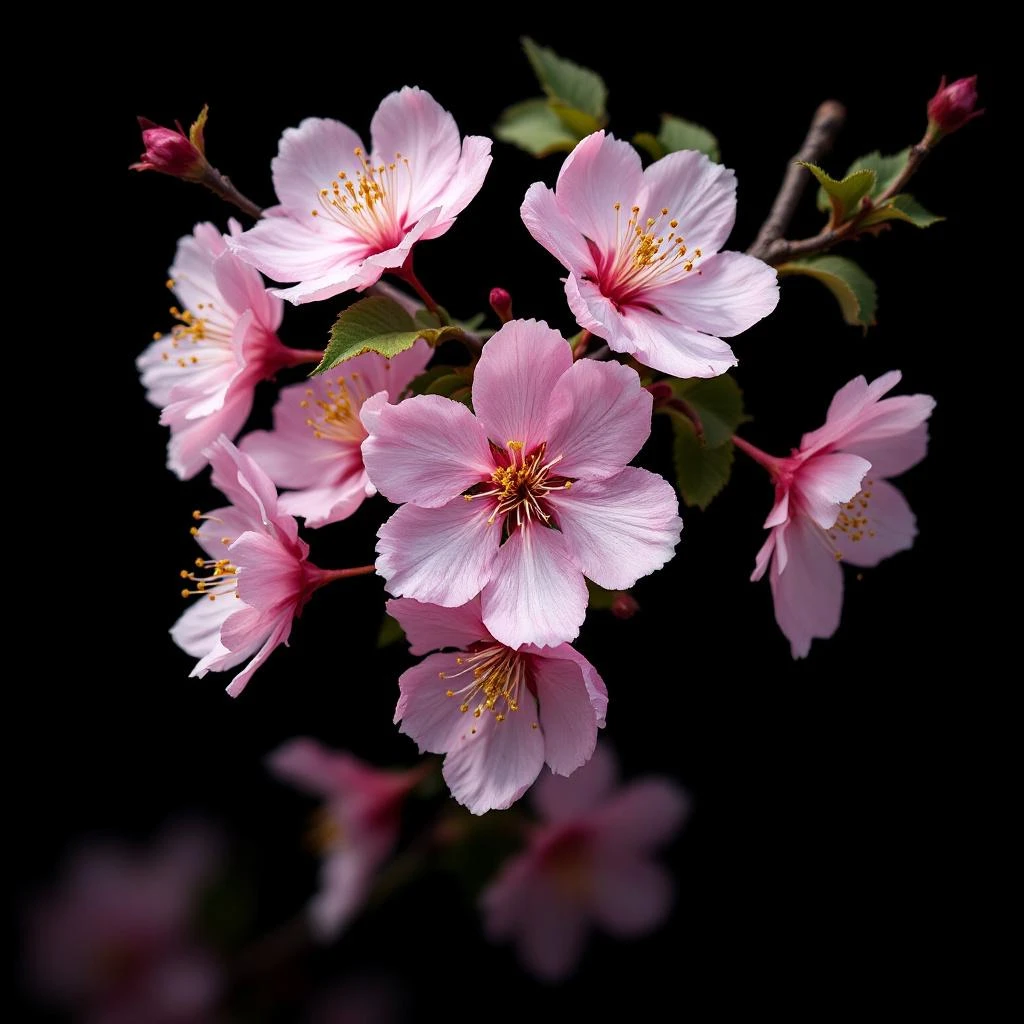
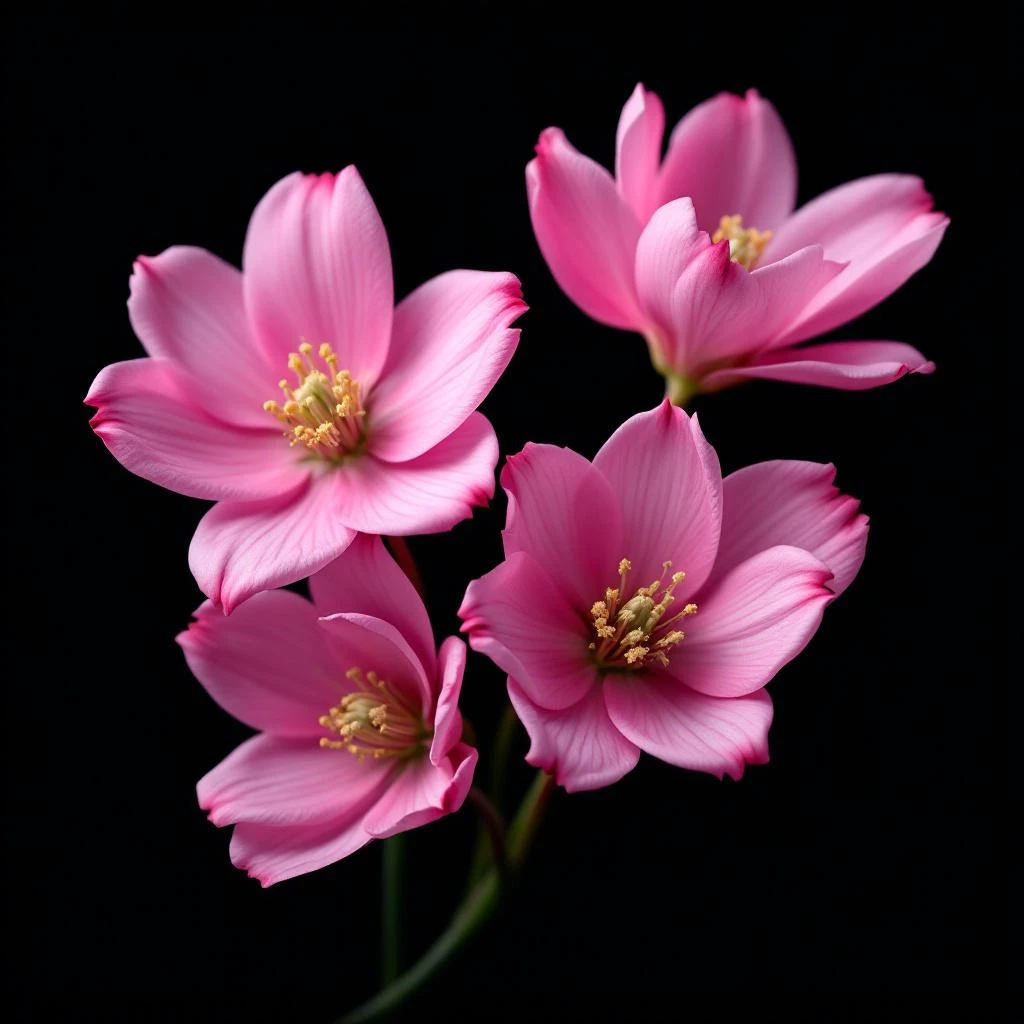
The sweet, sun-warmed nectar of honeysuckle flowers captures the very essence of long summer evenings. Most perfumers work with lab-created versions since the real flower yields almost nothing through standard extraction.
Character
How it smells
Summer's most nostalgic floral, captured at its sunniest
Hummingbirds, butterflies, and bees compete for honeysuckle nectar in the wild, making it one of the most ecologically significant fragrance ingredients.



Origin
Turkey
Honeysuckle (Lonicera caprifolium) originated in Asia Minor before spreading across the Mediterranean. Ancient Greeks and Romans cultivated it in their gardens, drawn to its intoxicating evening fragrance.
Traditional Chinese medicine adopted a separate species (Lonicera japonica) over a century ago, brewing it into teas and soups for its therapeutic properties. Western perfumery took a different path.
The flower's scent adorned sachets and potpourri, but true fragrance extraction never developed commercially. Today, China remains the largest producer of honeysuckle for traditional medicine, while perfumers worldwide rely on laboratory recreation to capture this nostalgic note.
Wears it best
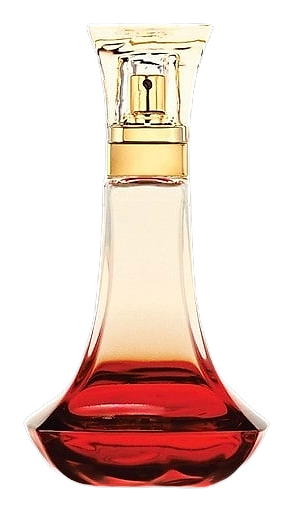
Fragrances featuring Honeysuckle nectar
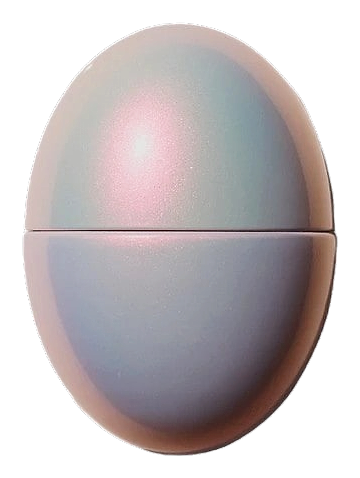
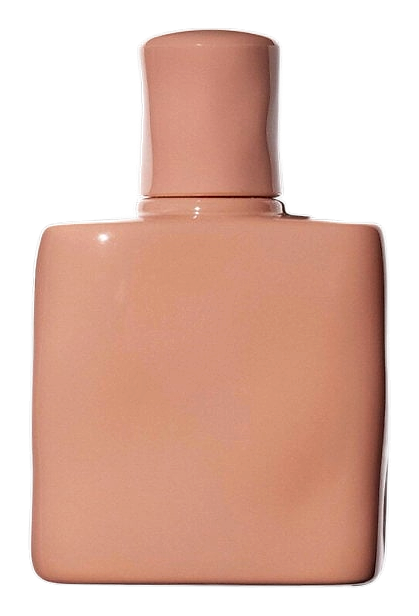
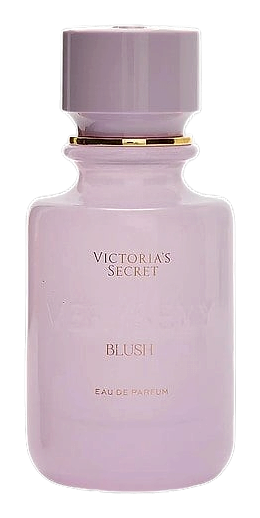
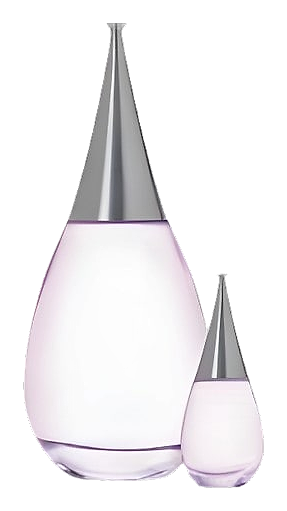
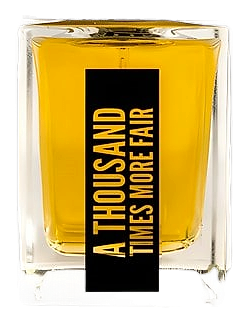
Brands
Brands known for Honeysuckle nectar
Good to know
Questions, answered
The essentials on Honeysuckle nectar in perfumery: how it smells, where it comes from, and how it behaves on skin.
Can honeysuckle be extracted like other floral essential oils?
No commercial honeysuckle essential oil exists. The flower is too delicate for steam distillation, and it produces such tiny amounts of oil that extraction remains economically impractical. Perfumers recreate the scent using headspace technology or synthetic aroma compounds.
What does honeysuckle nectar smell like in perfume?
Honeysuckle registers as intensely sweet with honeyed undertones, softened by a creamy, almost fruity character. The scent evokes warm summer evenings, with a slightly heady floral quality that becomes more pronounced as the top notes fade.
Where does honeysuckle for perfumery come from?
No commercial fragrance extraction occurs from honeysuckle flowers. China produces honeysuckle for traditional medicine (teas and tinctures), but these dried flowers lose their scent. Perfumery honeysuckle notes originate from laboratory synthesis or headspace technology.
Is synthetic honeysuckle safe in fragrances?
Synthetic honeysuckle notes used in perfumery are thoroughly tested for safety. Regulatory bodies like IFRA evaluate all fragrance materials. Lab-created versions actually provide more consistency than natural extracts, which yield nothing usable from the flower.
What fragrance families pair well with honeysuckle?
Honeysuckle blends naturally with other florals like jasmine, gardenia, and tuberose. Its honeyed character also complements amber, vanillin, and light woody notes. Perfumers often use it to soften sharper florals or add nostalgic warmth to citrus openings.
How long has honeysuckle been used in perfumery?
Honeysuckle appeared in European perfumery as early as the 17th century, primarily through enfleurage with fatty bases. True extraction never developed, so the note remained rare until synthetic reproduction became sophisticated enough to capture its character accurately.
Does honeysuckle have any traditional medicinal uses?
Traditional Chinese medicine has used honeysuckle (Lonicera japonica) for over a century, typically as a tea or soup ingredient. Western herbal traditions also employed it, though these applications focus on the dried herb's properties, not its fragrance.
Why is honeysuckle considered nostalgic in fragrance?
Honeysuckle's strong connection to summer gardens and wild landscapes gives it powerful autobiographical associations for many people. The flower's evening fragrance, released most intensely after dusk, creates lasting sensory memories that perfumers leverage to evoke warmth and carefree seasons.